Environment
Wildlife, oceans, forests, climate and conservation
In Environment, ECOnews covers wildlife and biodiversity, oceans, forests, climate change, pollution, recycling and conservation. Surprising stories from around the planet that explain how nature works and how people are changing it.
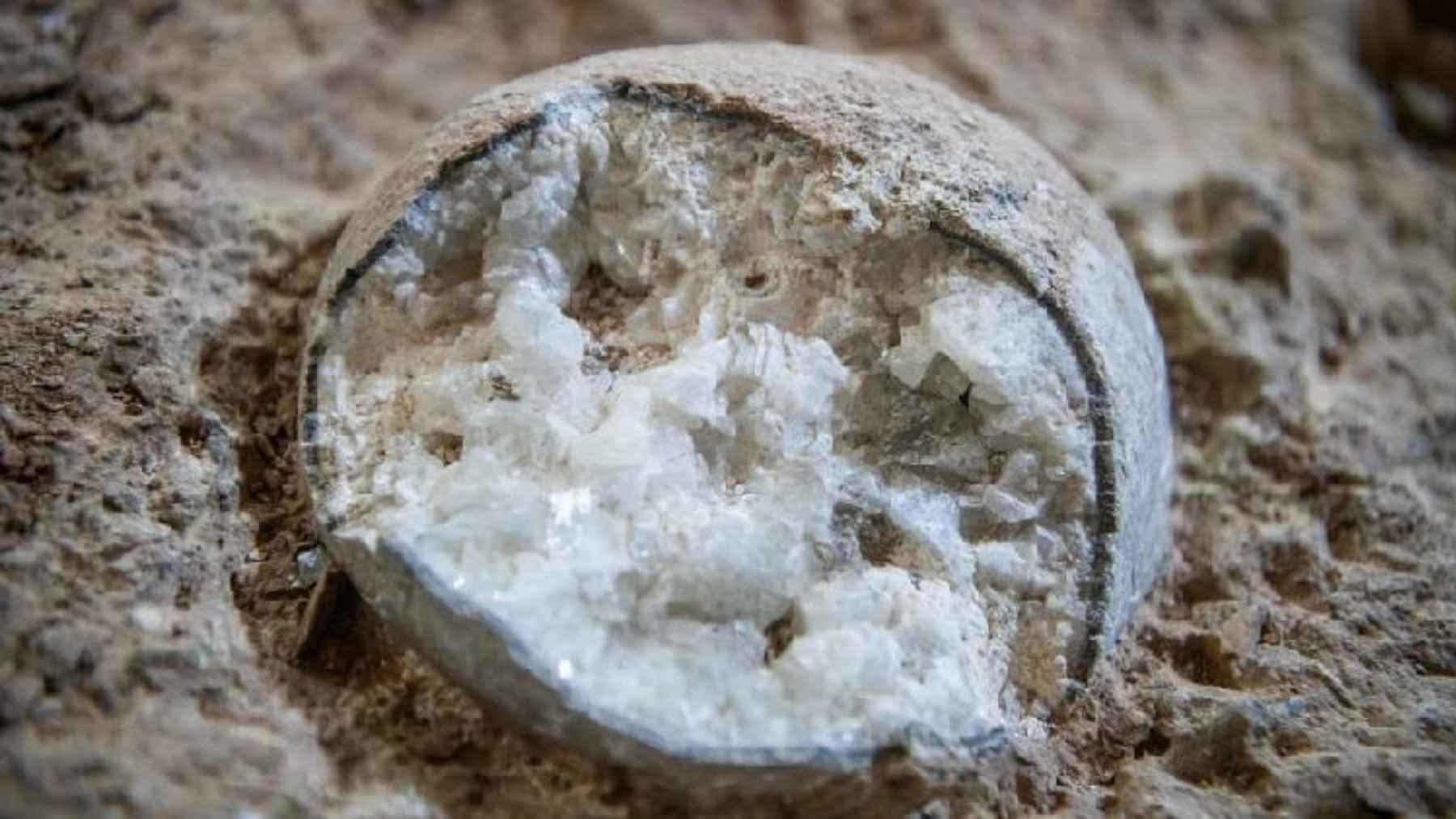
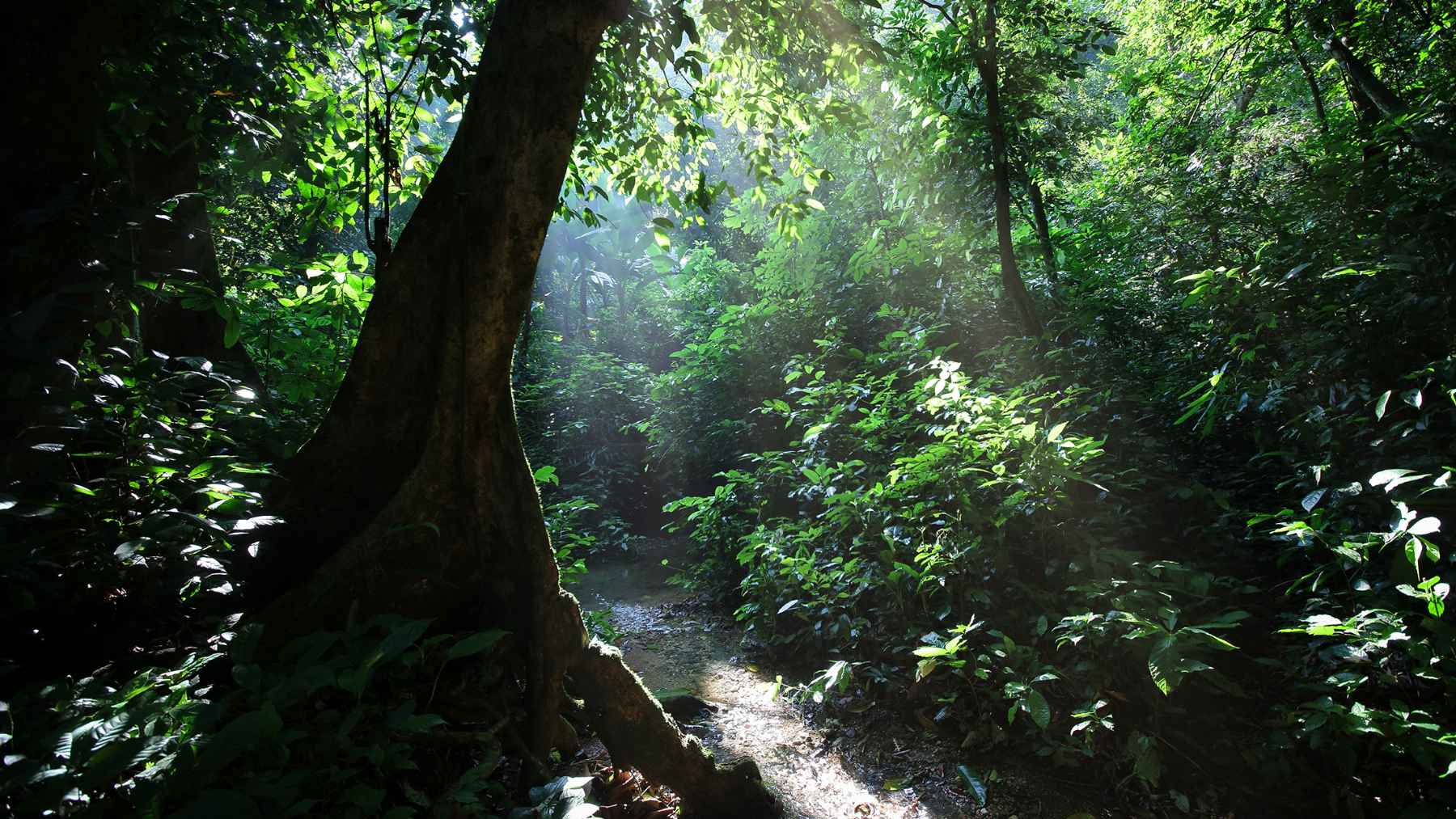
What a drought has done underground in Panama’s tropical forests is surprising scientists: the fine roots have shrunk by nearly 50 percent, and concerns are mounting over carbon
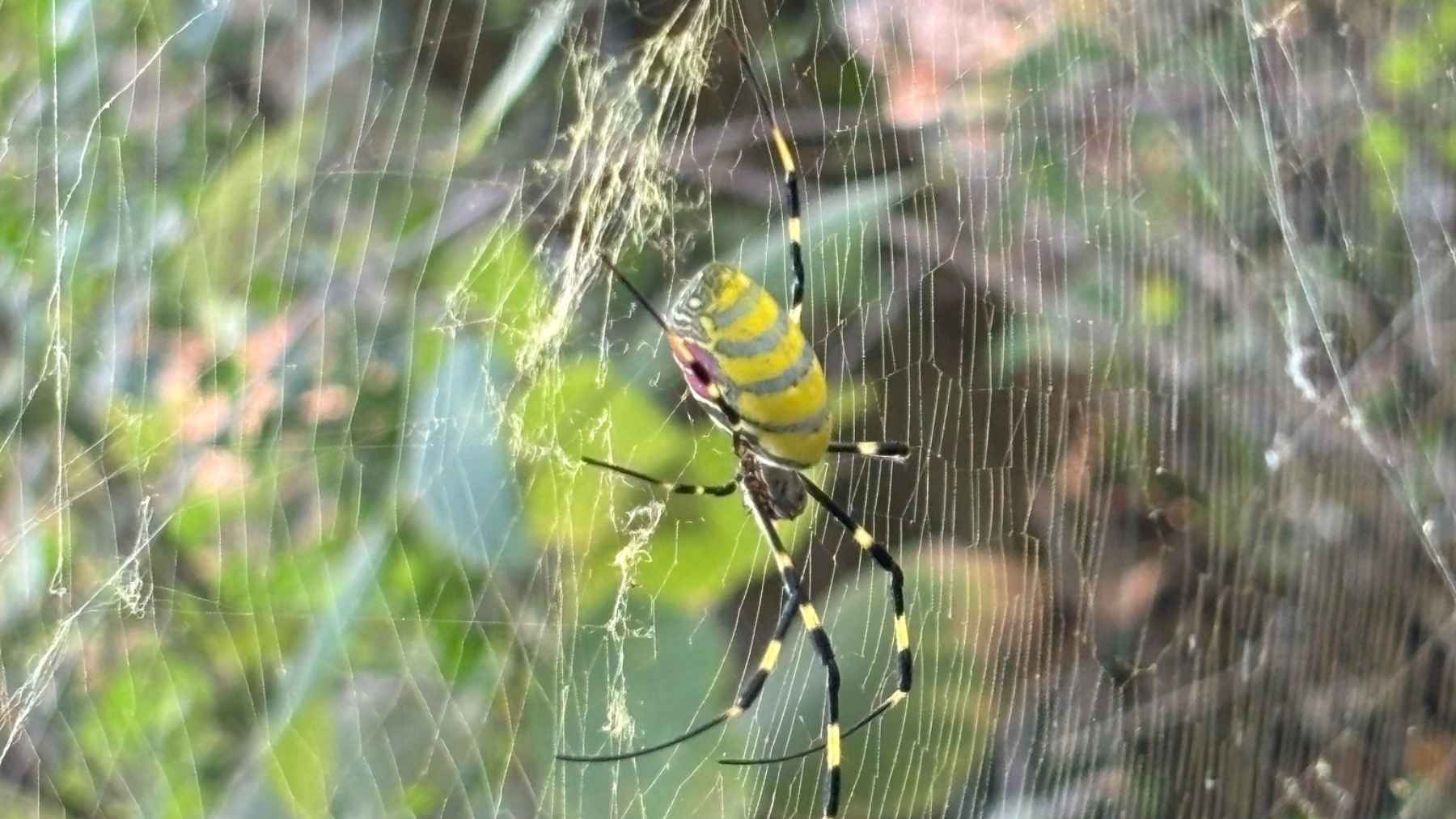
A giant, invasive spider is already moving through one of the most famous parks in the United States
What satellites have observed about the spread of vegetation could change agriculture in several countries
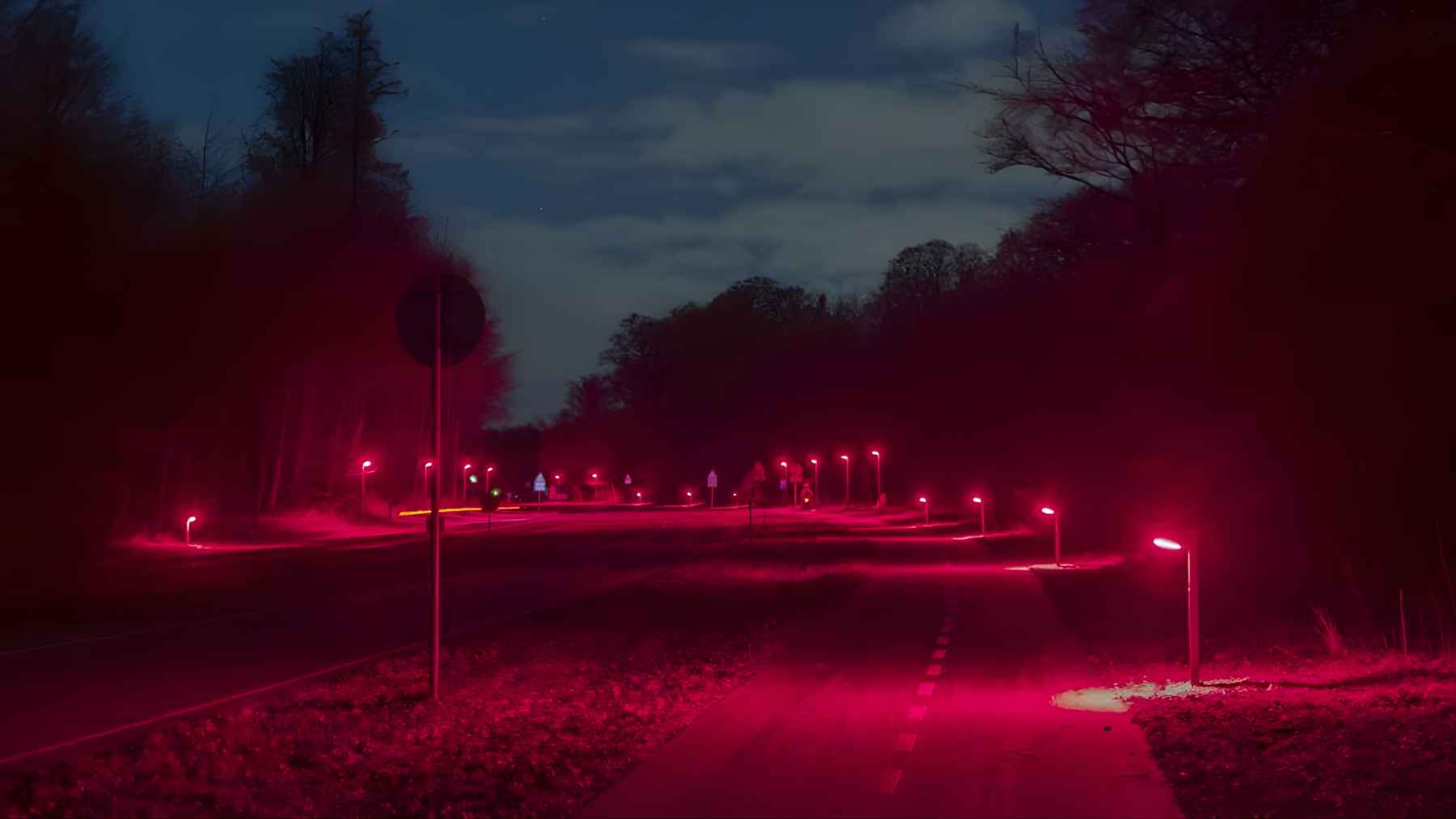
Denmark is turning off the white light from its streetlamps and painting a road red to solve a nighttime crisis that almost no one sees: urban light was blocking the path of bats
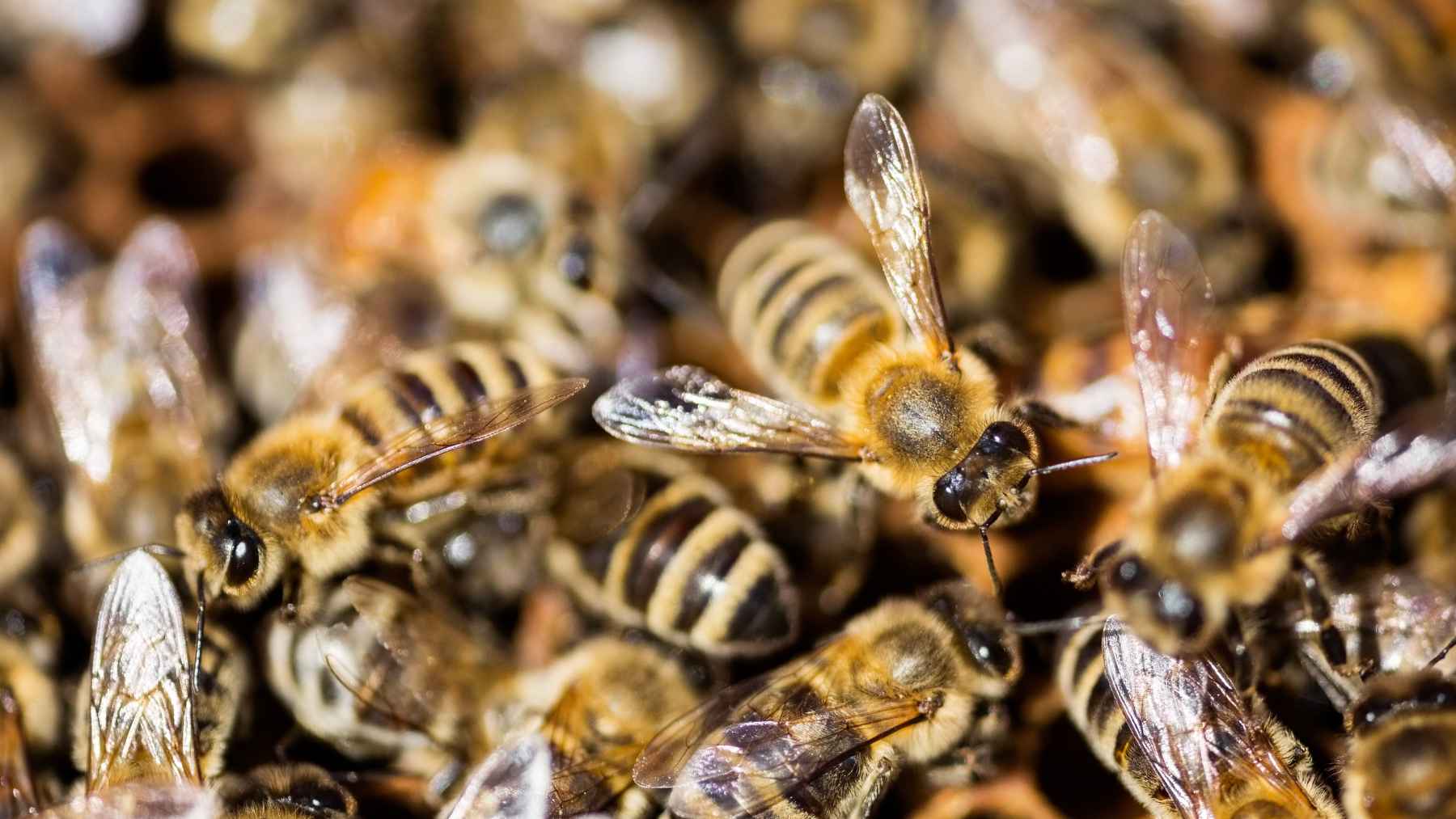
Scientists are studying the digestive tracts of wild bees, and what they’re discovering is forcing us to rethink why some parks appear green but are far less beneficial than we thought
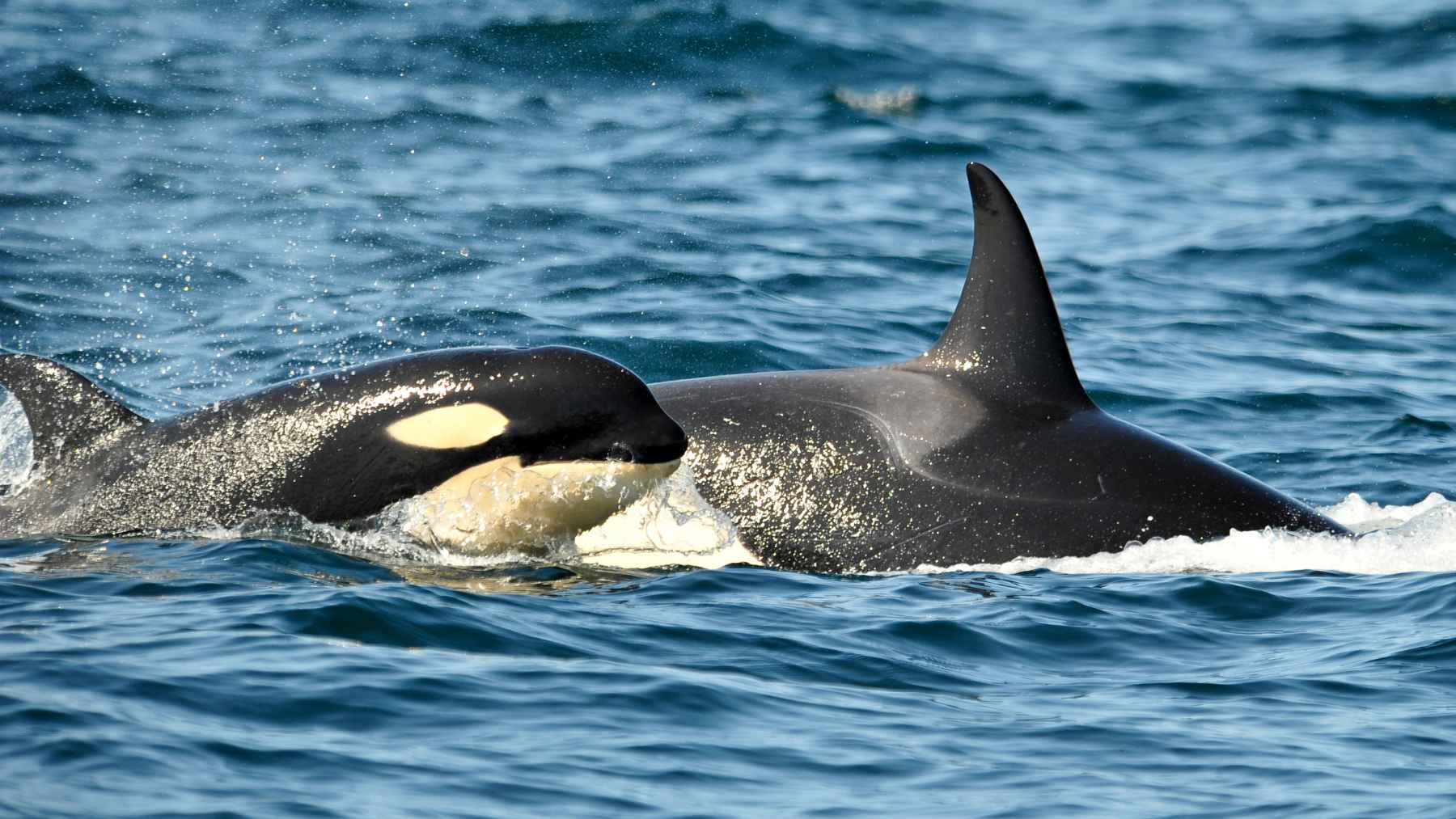
A colleague sent Olga a strange photo taken on a Russian beach, and now scientists believe they have discovered a macabre pattern among orcas: sometimes they hunt each other
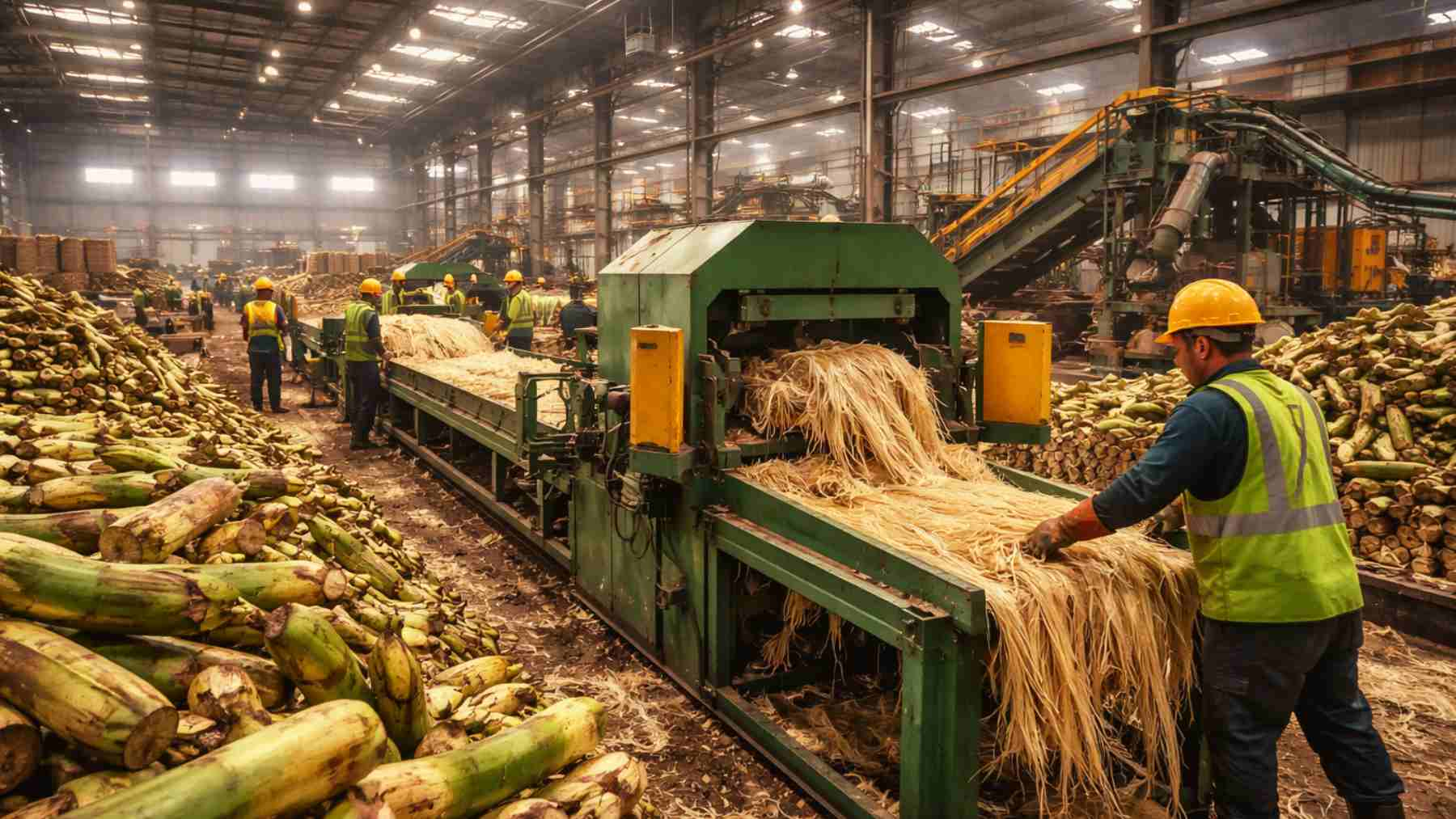
The thousands of tons of banana pseudostems left rotting after each harvest are now being transformed into tissue paper and packaging materials, while a simple process using sodium hydroxide at 230°F is achieving pulp yields of up to 44 percent in April 2026 trials
A change in the timing of storms, not stronger winds, explains the atlantification of the Barents Sea, a study finds
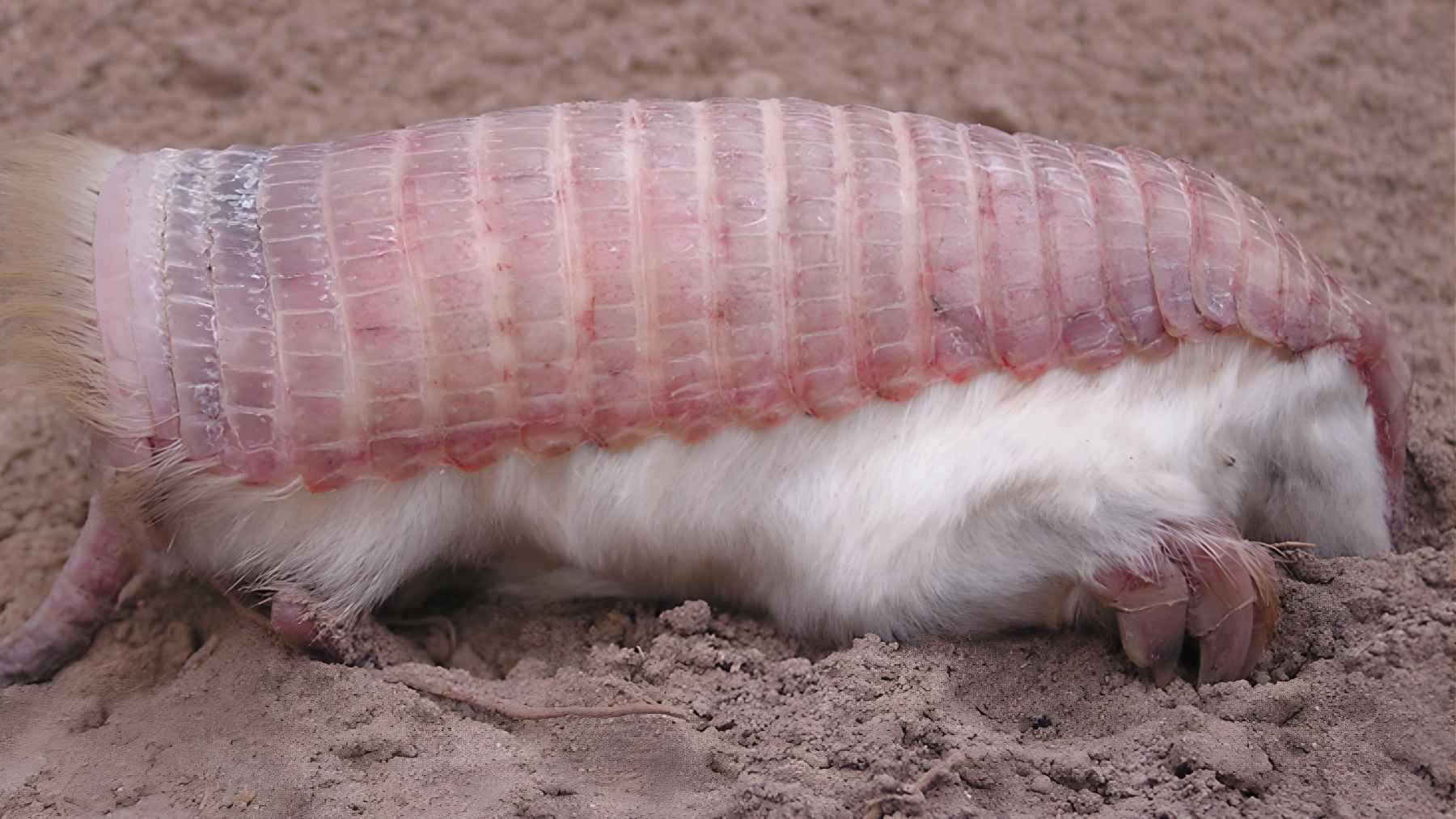
The “pink fairy” has reappeared in a reserve in Mendoza, and its return confirms that an ecosystem that seemed silent still held an extraordinary surprise
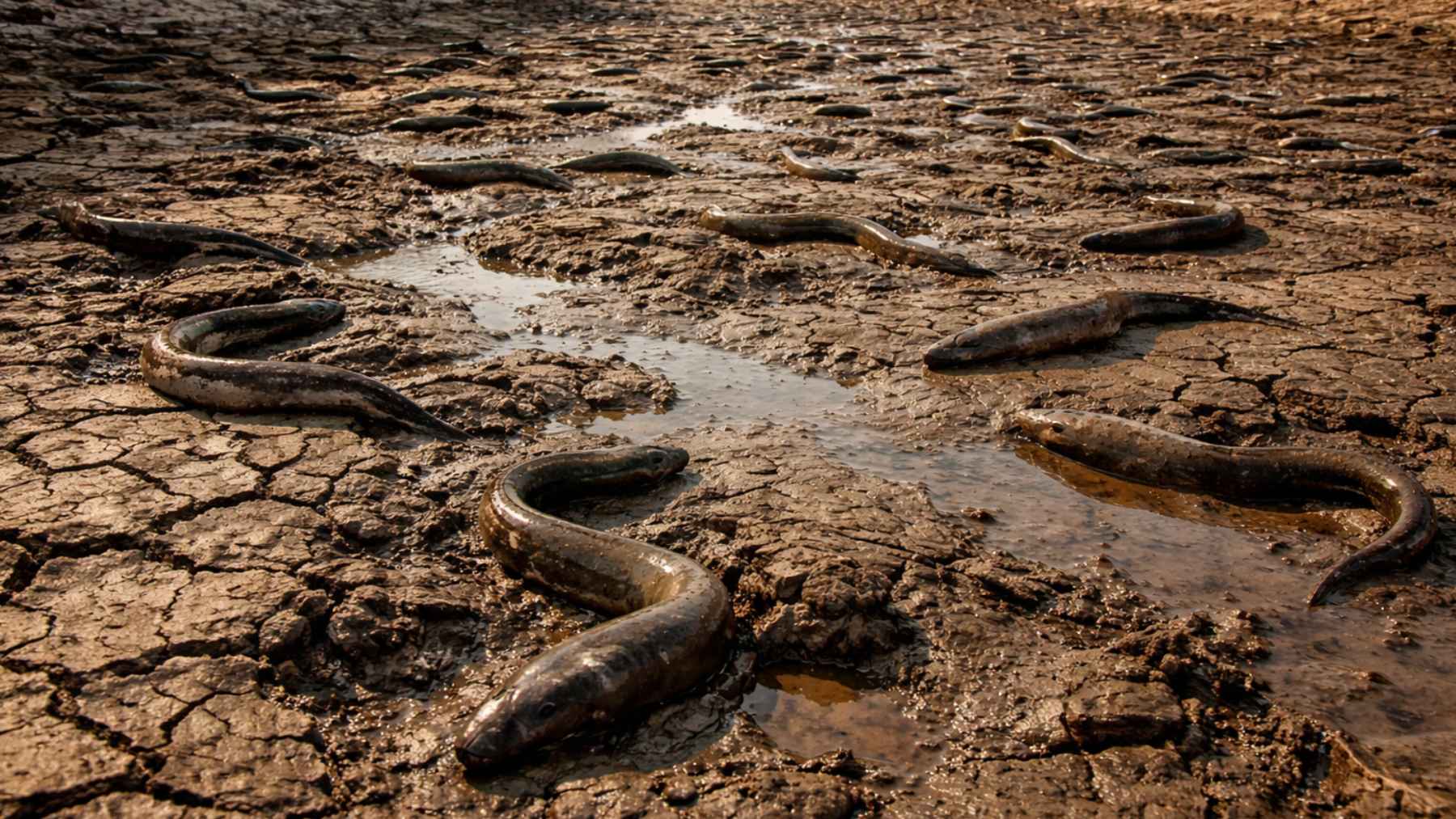
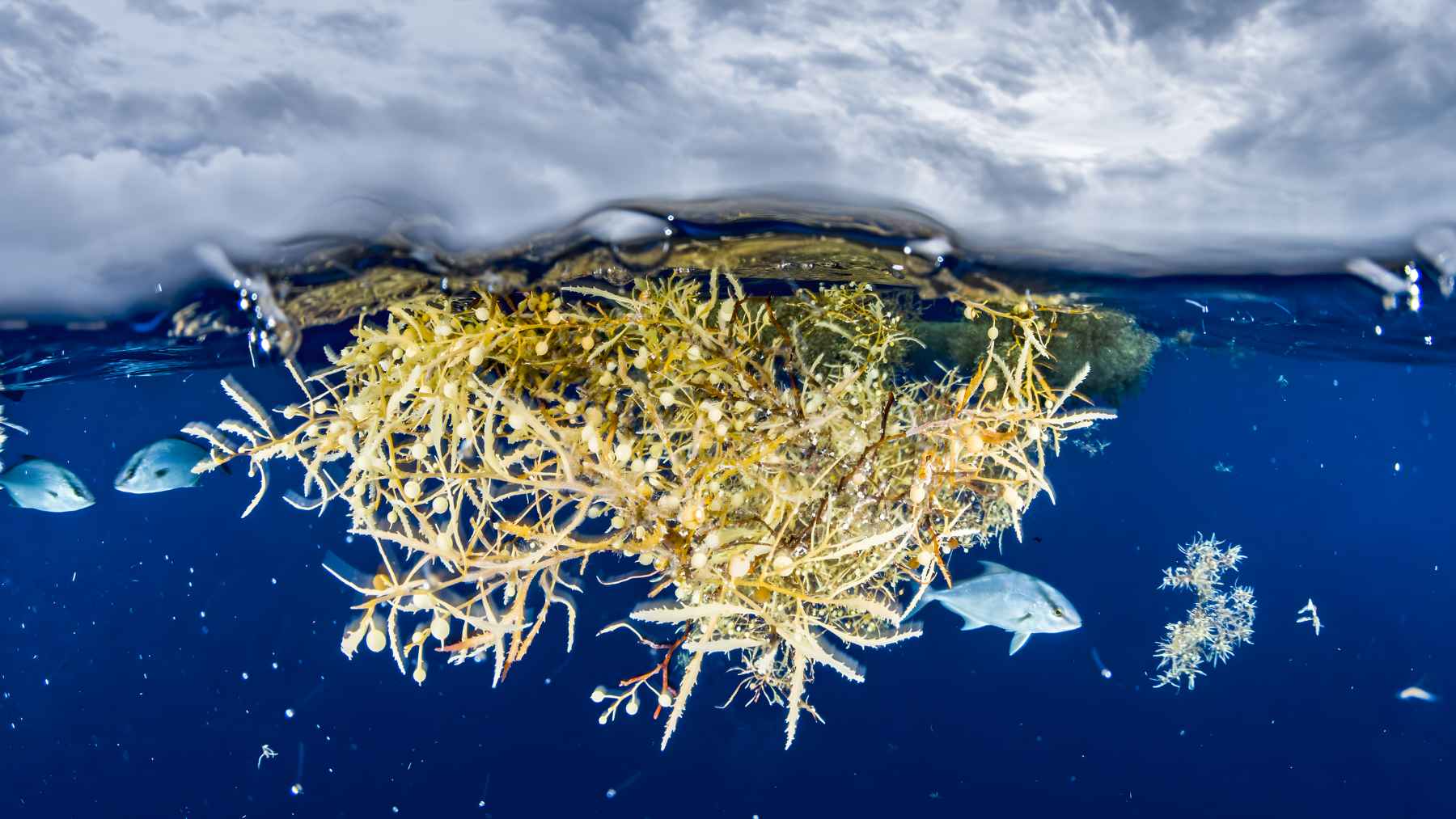
2,000 eels that had traveled 4,350 miles from the Sargasso Sea died at 98.6 °F… just 11 miles from Valencia because the river had turned into a puddle and no one lifted a finger
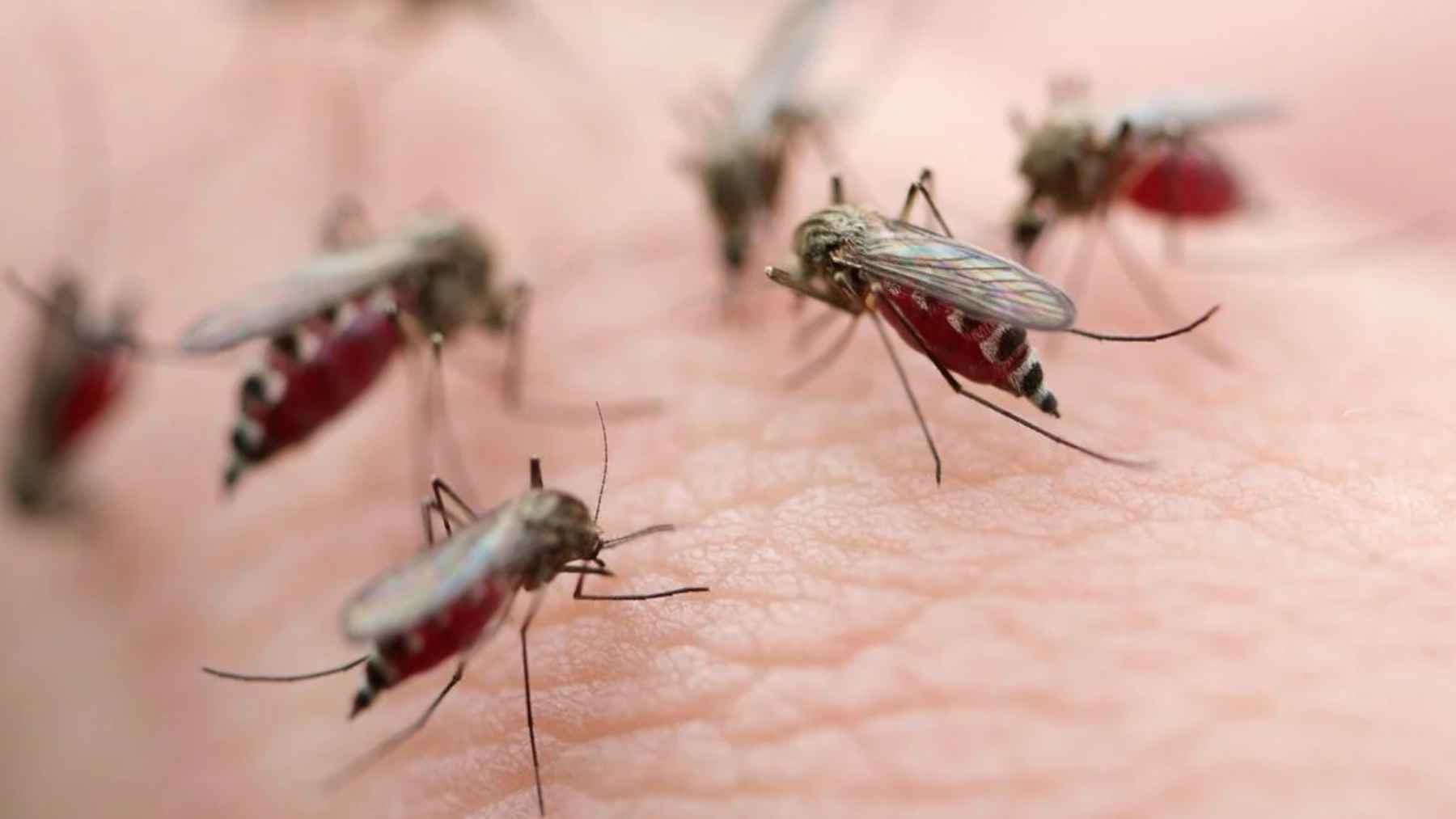
Mosquitoes are drawn by exhaled CO2 and clothing contrast, not “sweet blood”, a Georgia Tech and MIT study shows
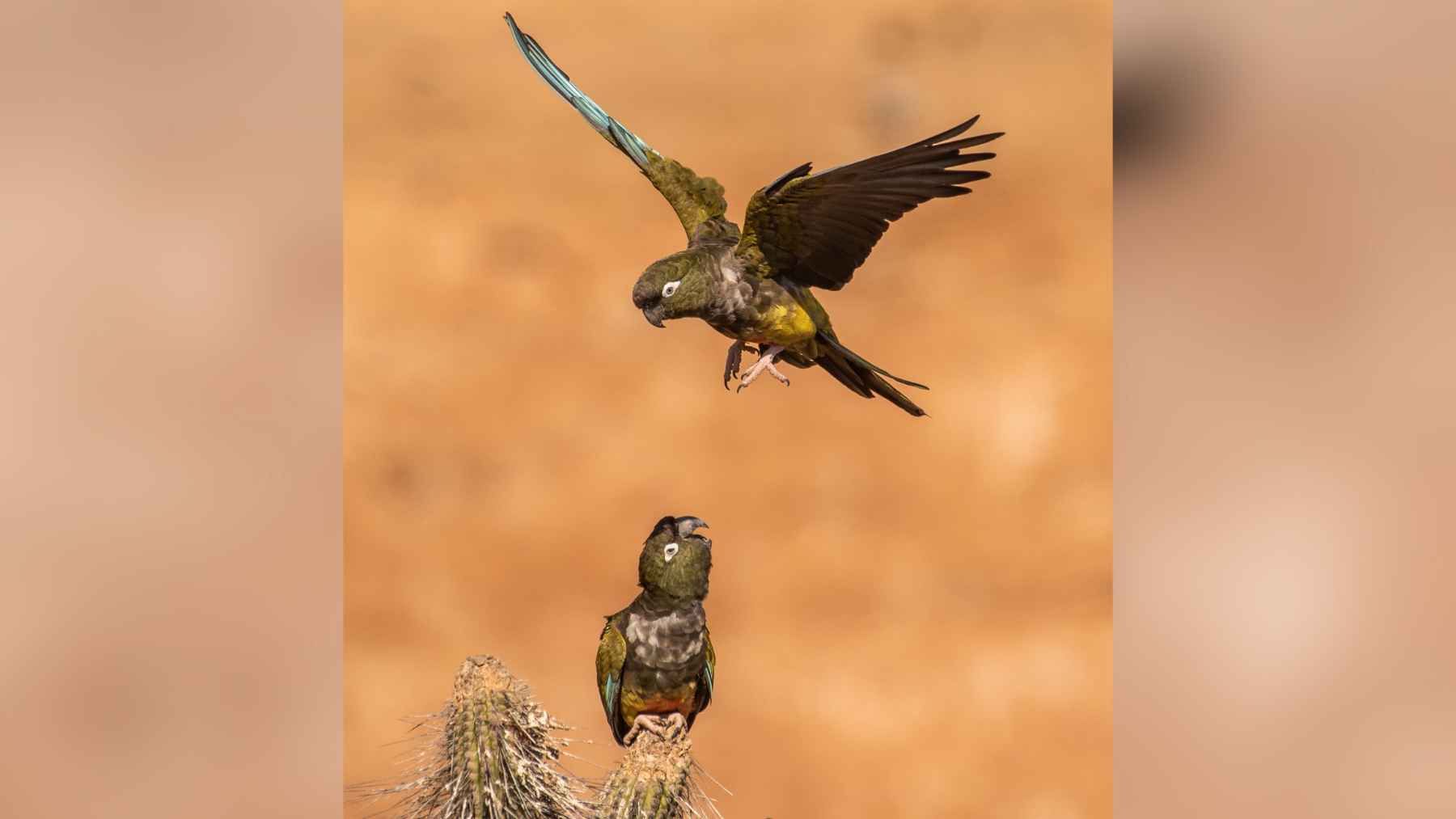
After a 15-year absence, nests of tricahue parrots have reappeared in Río Clarillo, and the discovery confirms that a return that seemed impossible is already underway