Colorful coral reef with tropical fish

Environment

Wildlife, oceans, forests, climate and conservation

In Environment, ECOnews covers wildlife and biodiversity, oceans, forests, climate change, pollution, recycling and conservation. Surprising stories from around the planet that explain how nature works and how people are changing it.
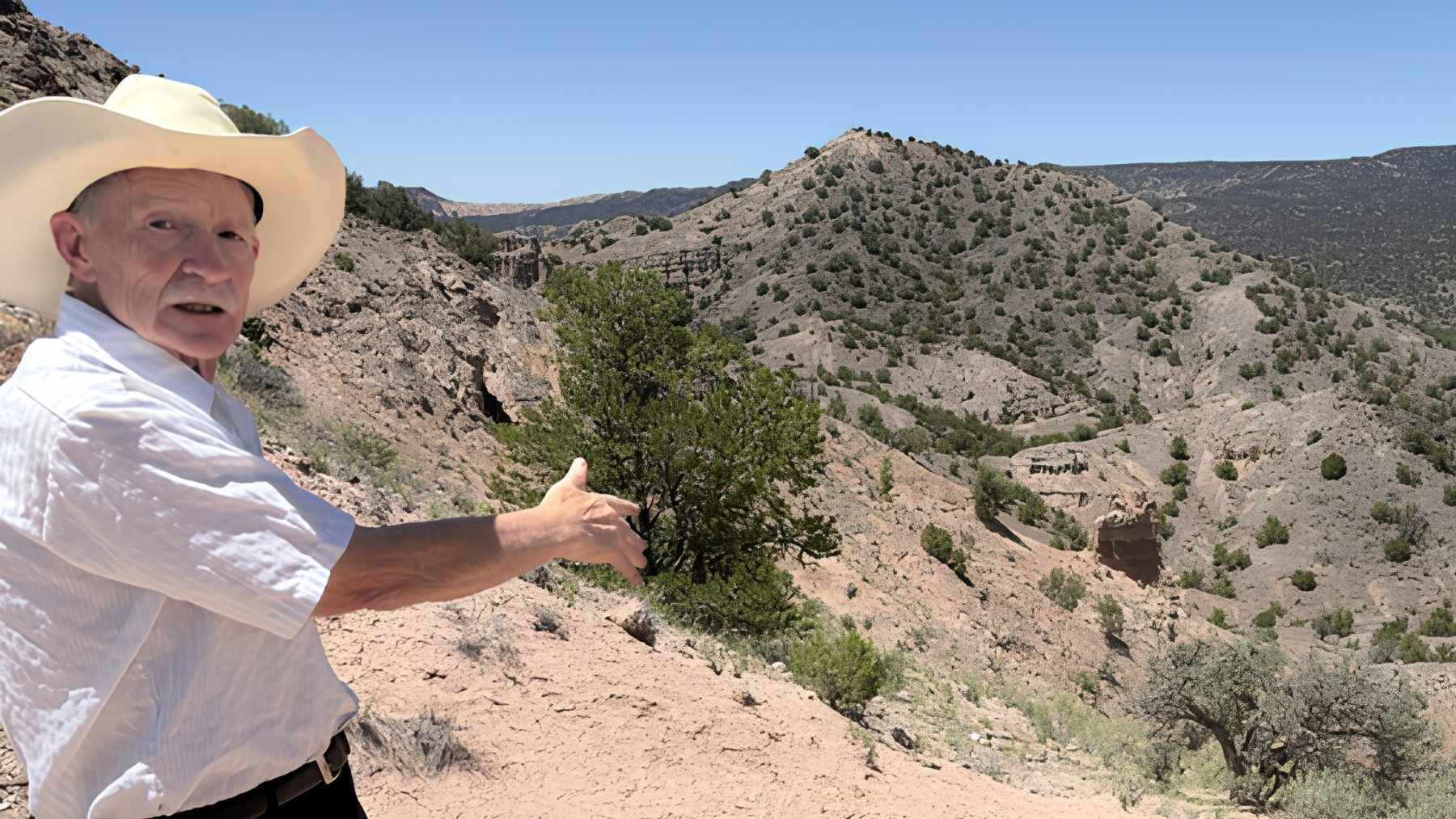
Weathered decontamination canisters found abandoned in a remote, rocky ravine near Dixon, New Mexico.

A 70-year-old hiker says someone chose a spot “real hard to get to” near Rinconada and Dixon to dump decontamination canisters from the 1980s, and the state still cannot say what risks, if any, are sitting in that remote ravine

—
May 30, 2026 at 3:00 PM
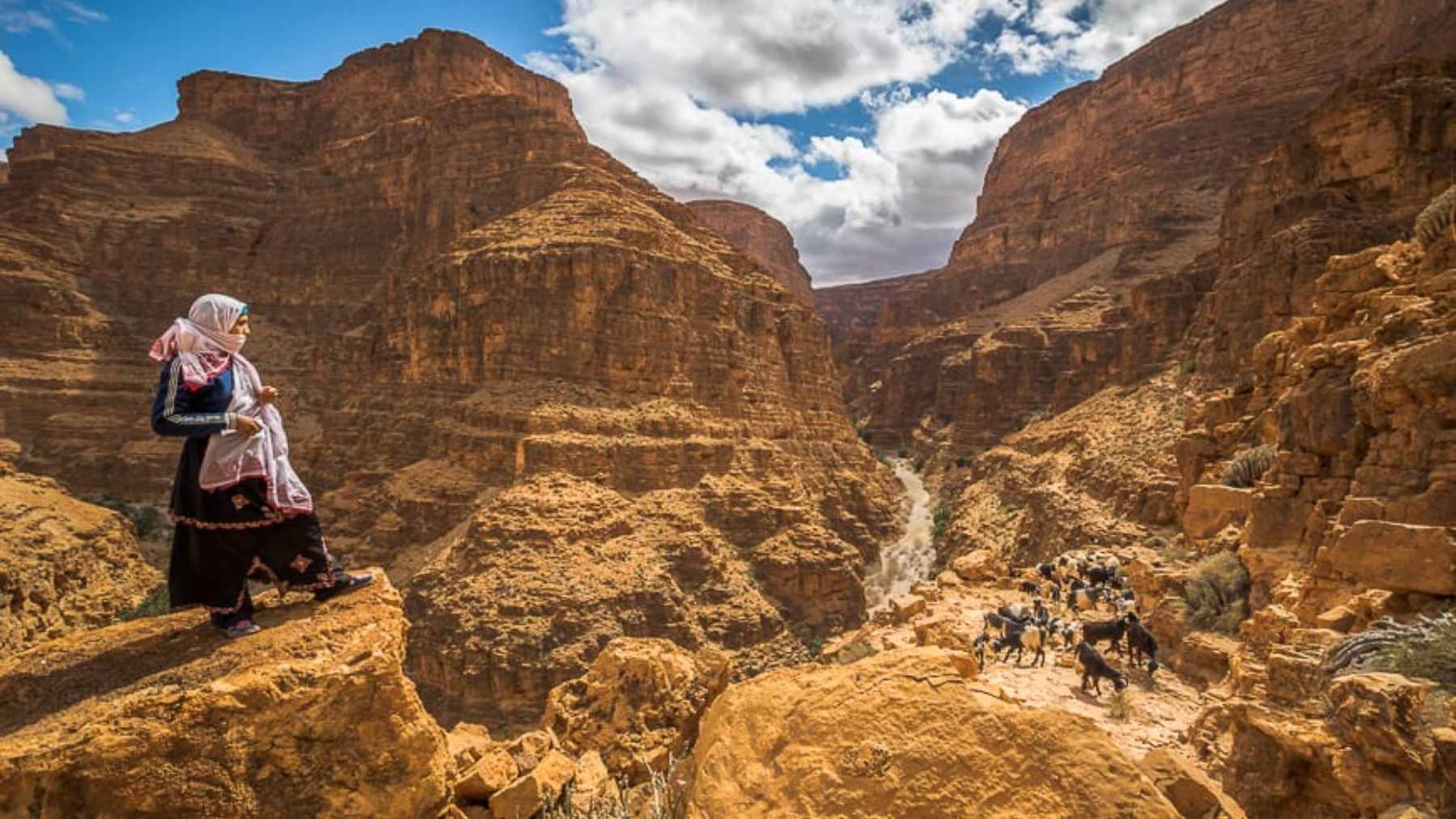
Large mesh fog harvesting nets mounted on a mountain ridge in Morocco's Anti-Atlas region to collect water from atmospheric mist.

For generations women in southwest Morocco spent up to 4 hours a day hauling five-gallon barrels that weighed nearly 50 pounds, and now giant polymer fog nets mounted above 4,000 feet pull Atlantic mist out of the air and send drinking water to taps about 6.2 miles away

—
May 30, 2026 at 8:45 AM
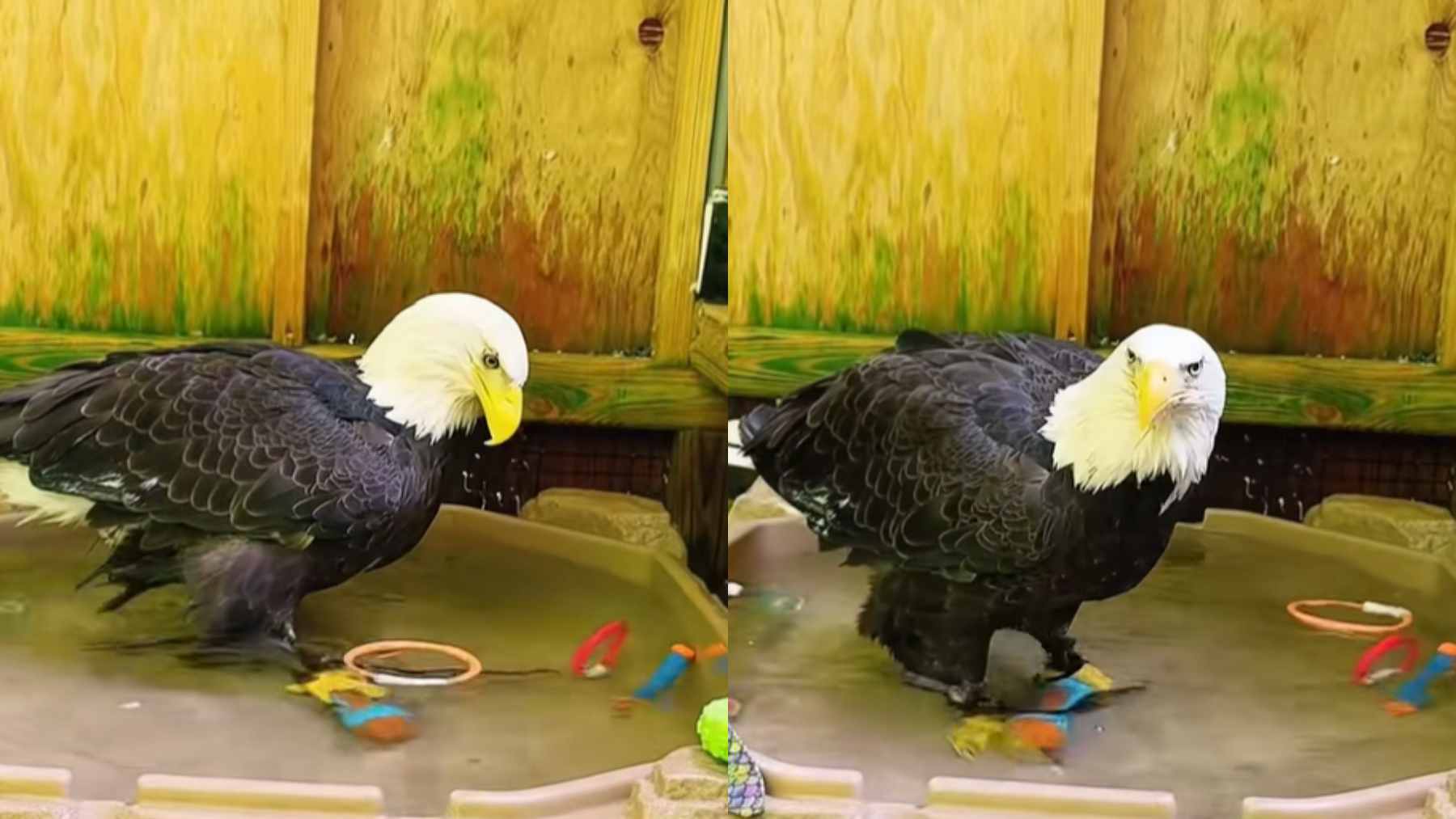
Aurora, a rescued bald eagle, playing with colorful floating rings and toys in a shallow water pool.

A 12-year-old bald eagle named Aurora is splashing in a kiddie pool with a pile of toys at a licensed wildlife rehab in Connecticut, and the twist is she is non-releasable after a truck strike and a partial wing amputation in 2024

—
May 29, 2026 at 10:15 AM
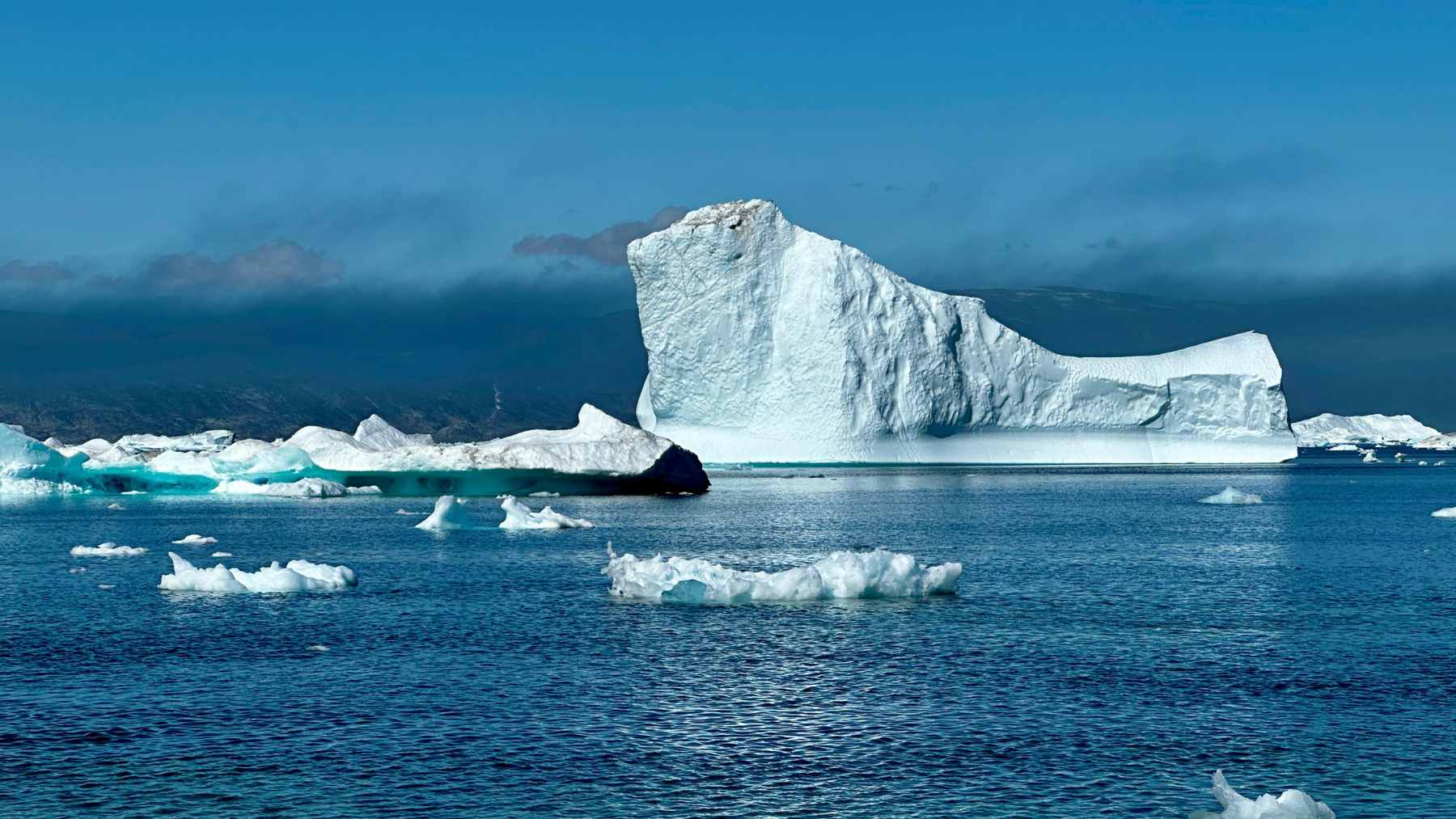
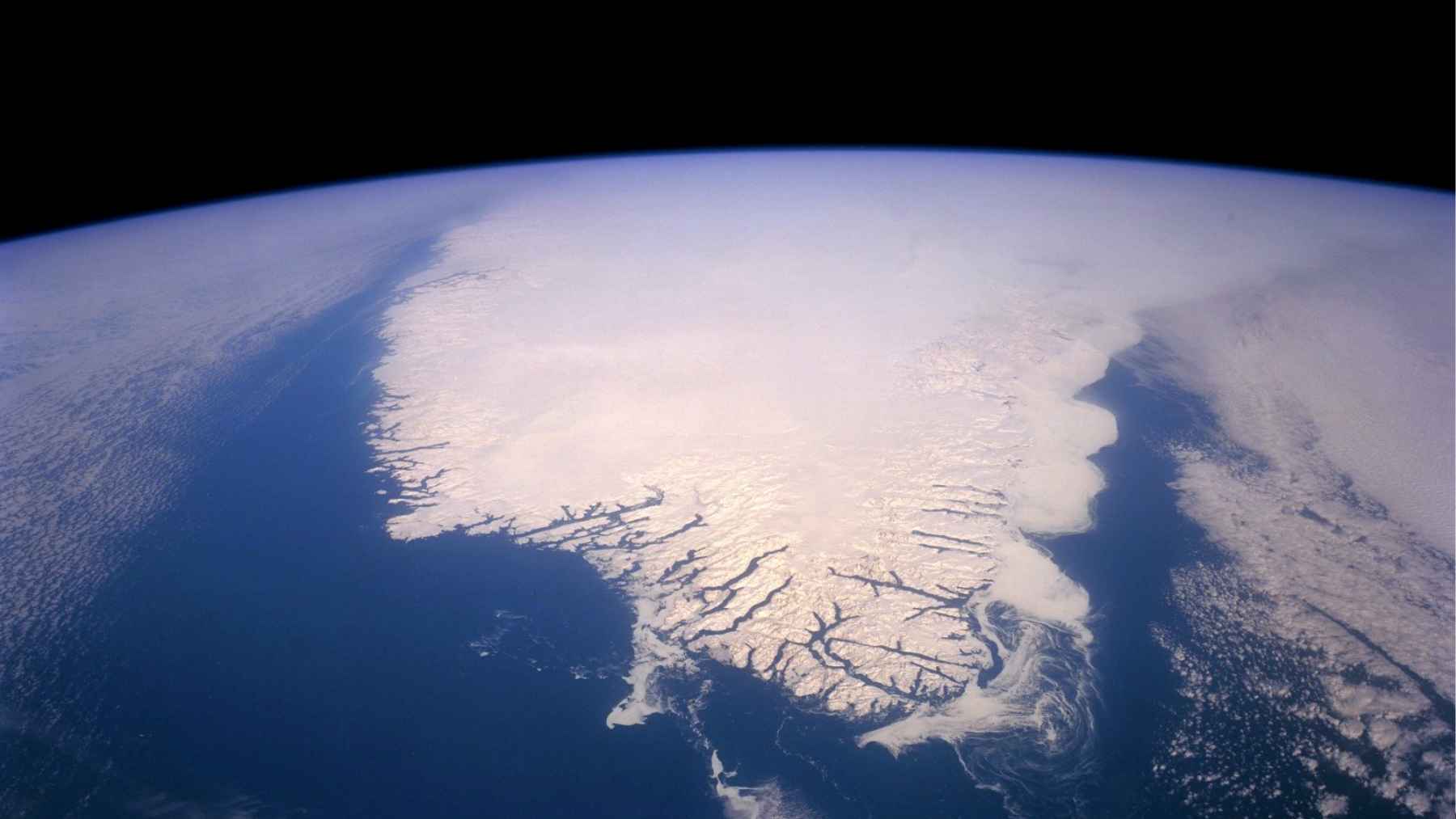
Aerial view of meltwater runoff forming rivers on the surface of the Greenland Ice Sheet during an extreme heat event.

A study finds Greenland’s ice melt grew sixfold in three decades, from about 14 to 90.8 billion U.S. tons, and the numbers put hard scale on a change already showing up at sea

—
May 28, 2026 at 5:00 PM
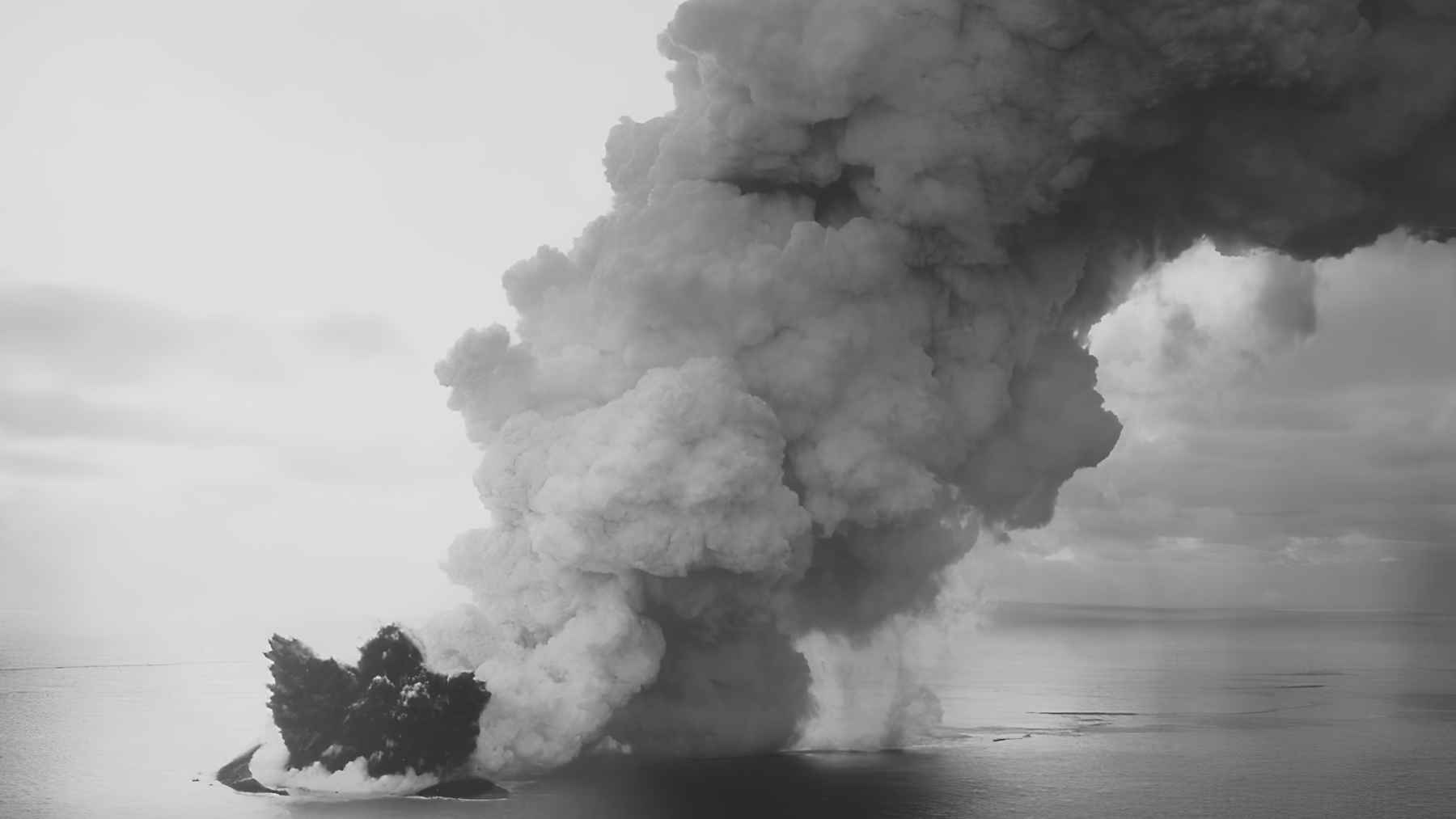
Surtsey volcanic eruption in 1963, showing the moment a new island emerged from the ocean near Iceland.

A volcanic island was born out of nowhere in 1963, stayed isolated from humans from day one, and now functions as a natural lab for watching life start from scratch

—
May 28, 2026 at 10:15 AM
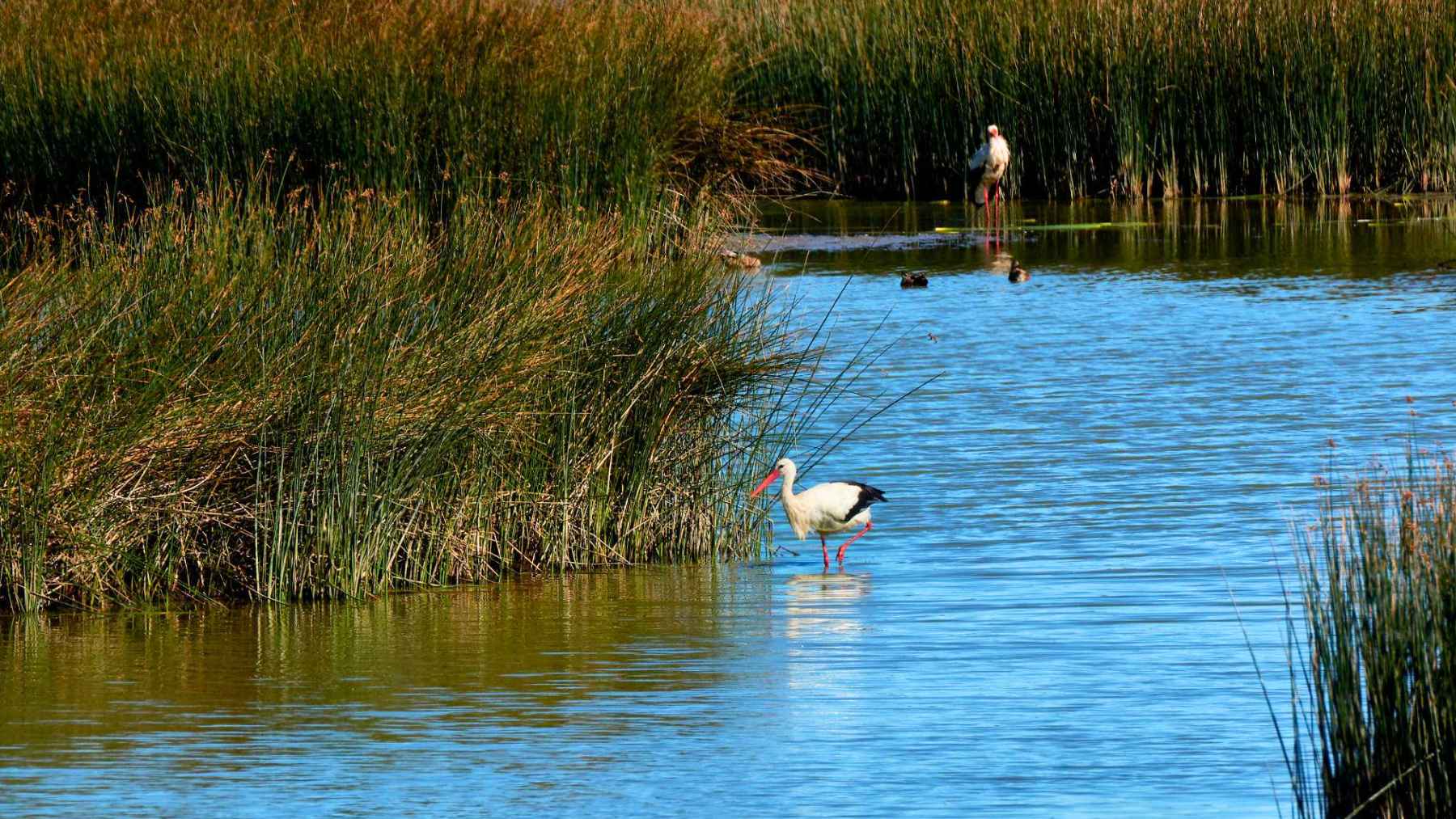
White stork standing in a wetland surrounded by water and vegetation, representing wildlife in protected ecosystems like Doñana.

A stork swallowed 150 rubber bands and ended up in Doñana, a brutal example of how small everyday trash can become a death sentence for wildlife

—
May 27, 2026 at 12:30 PM
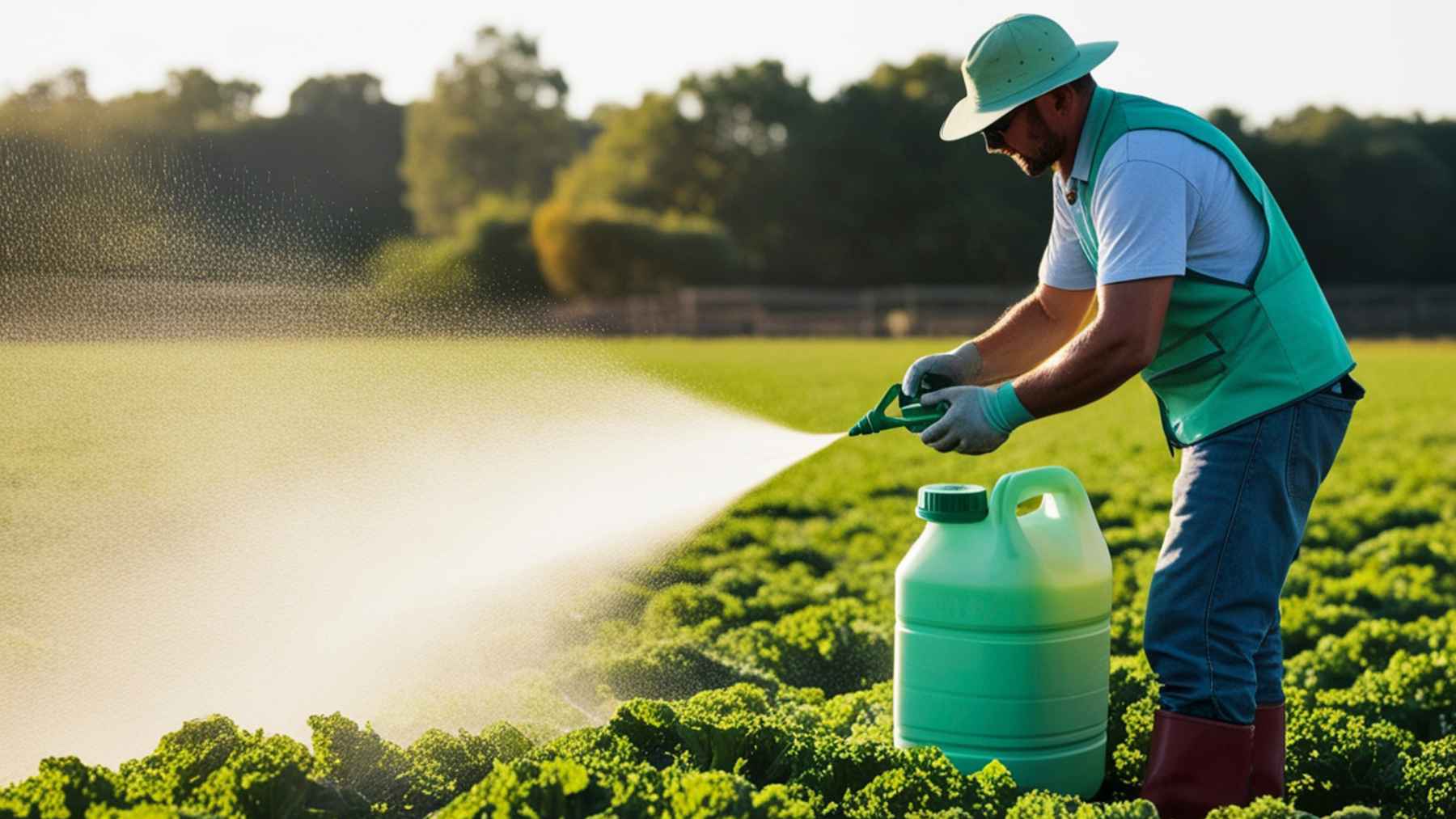
Farmer spraying pesticide over a green crop field, illustrating agricultural chemicals that can reach freshwater ecosystems.

Biologists warn a common farm pesticide may be accelerating fish aging, and the invisible effect could be reshaping food webs before we notice

—
May 27, 2026 at 6:30 AM
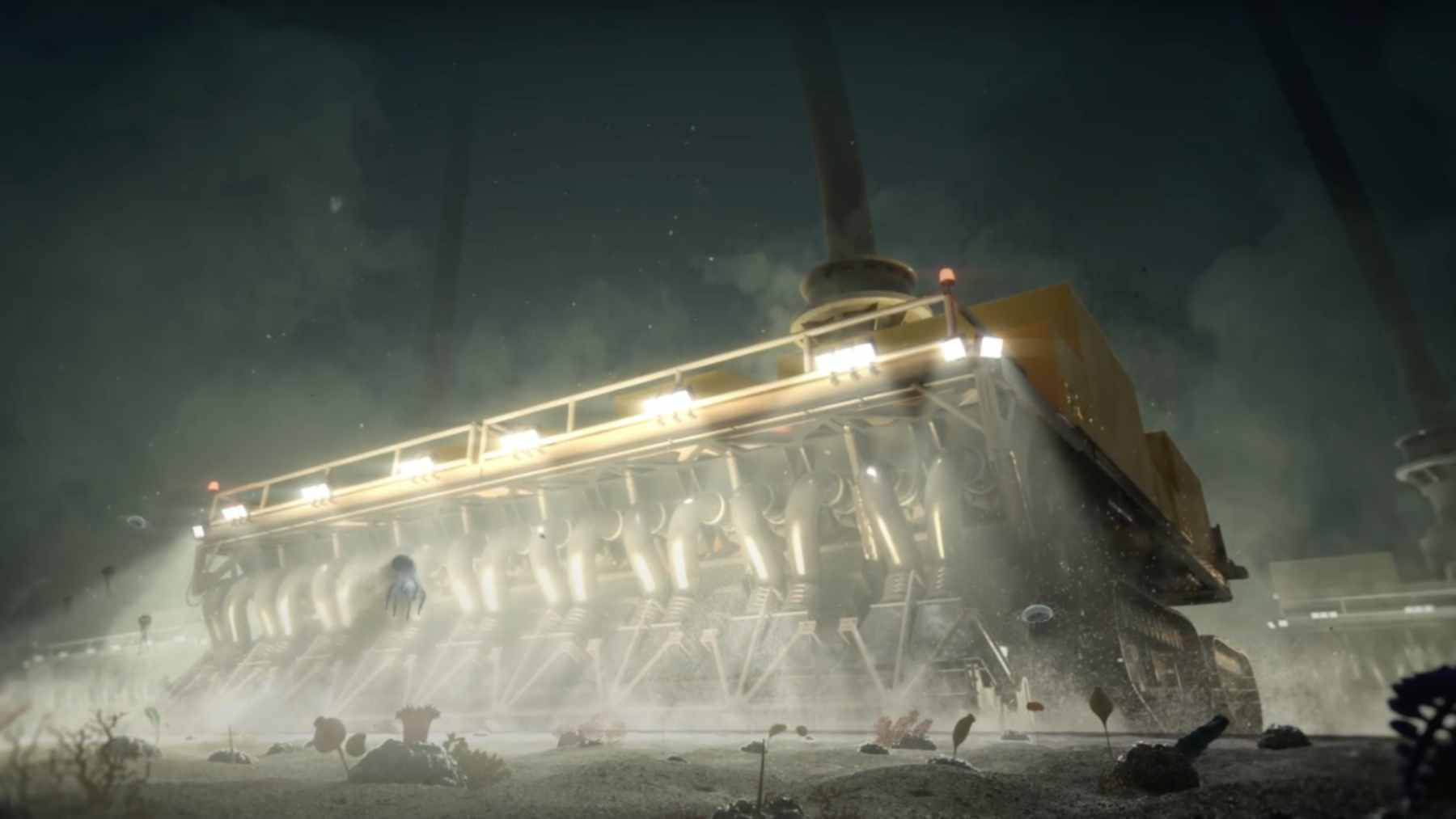
A remotely operated vehicle (ROV) inspecting the sediment tracks left behind by an industrial nodule-mining collector on the abyssal seafloor.

Scientists are still hunting for hard evidence of what deep-sea mining really does, and the fear is the damage to fragile ecosystems could outpace our ability to measure it

—
May 25, 2026 at 3:00 PM
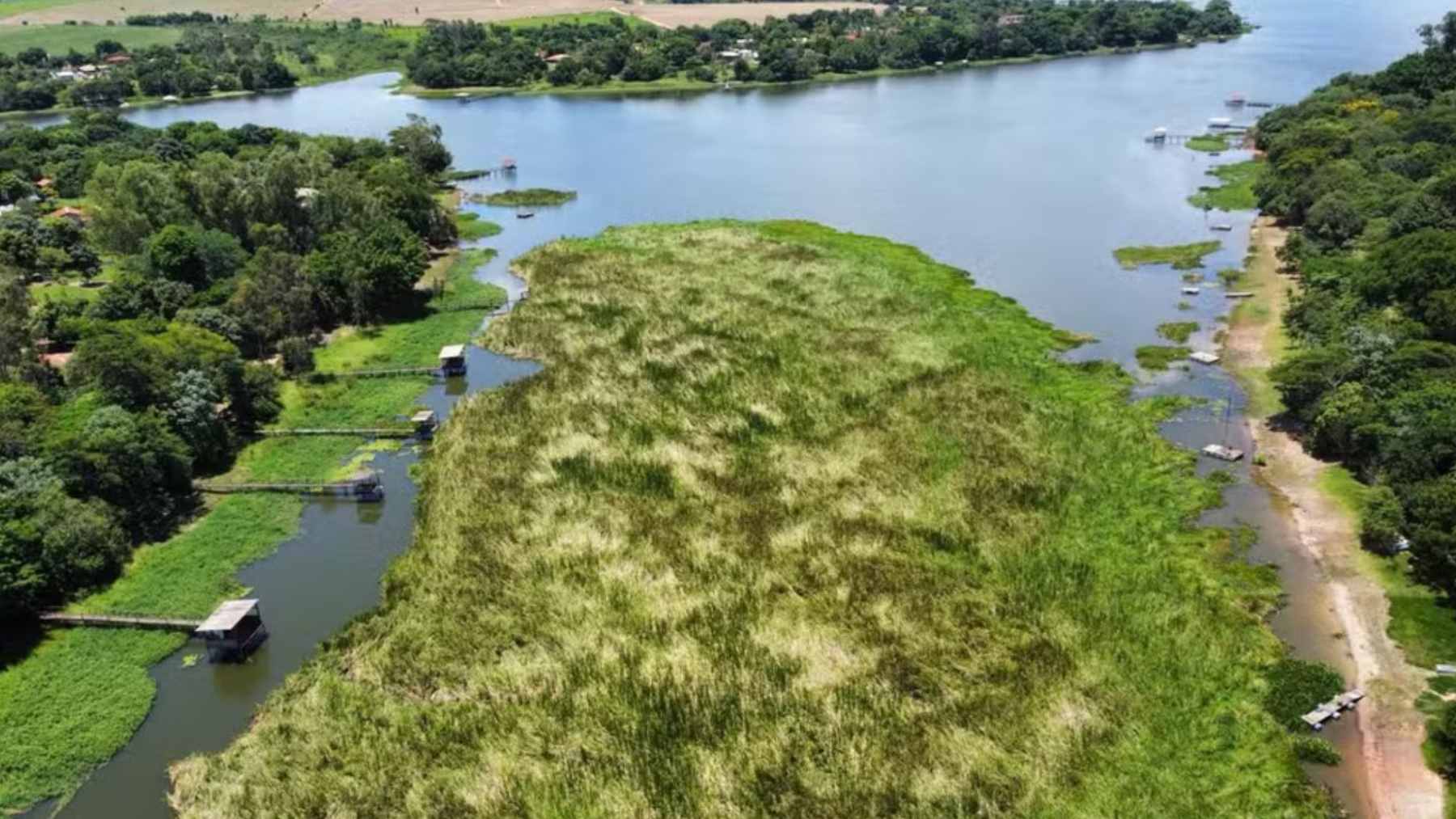
A dense mat of green macrophytes choking the surface of the Dourados River near a bridge in Lins, Brazil.

Giant aquatic plants blanket the Dourados River in Lins, block boats, and wreck docks, while 400+ inspections and about $2.7 million in fines spotlight a fast-moving water-quality crisis

—
May 25, 2026 at 8:45 AM
Satellite view of Arctic sea ice and open ocean, showing the polar ice cover from above Earth.

Arctic ice melt is reshaping the polar vortex, and researchers warn the shift in this cold-air “wall” could redraw the map of extreme weather worldwide

—
May 24, 2026 at 3:00 PM
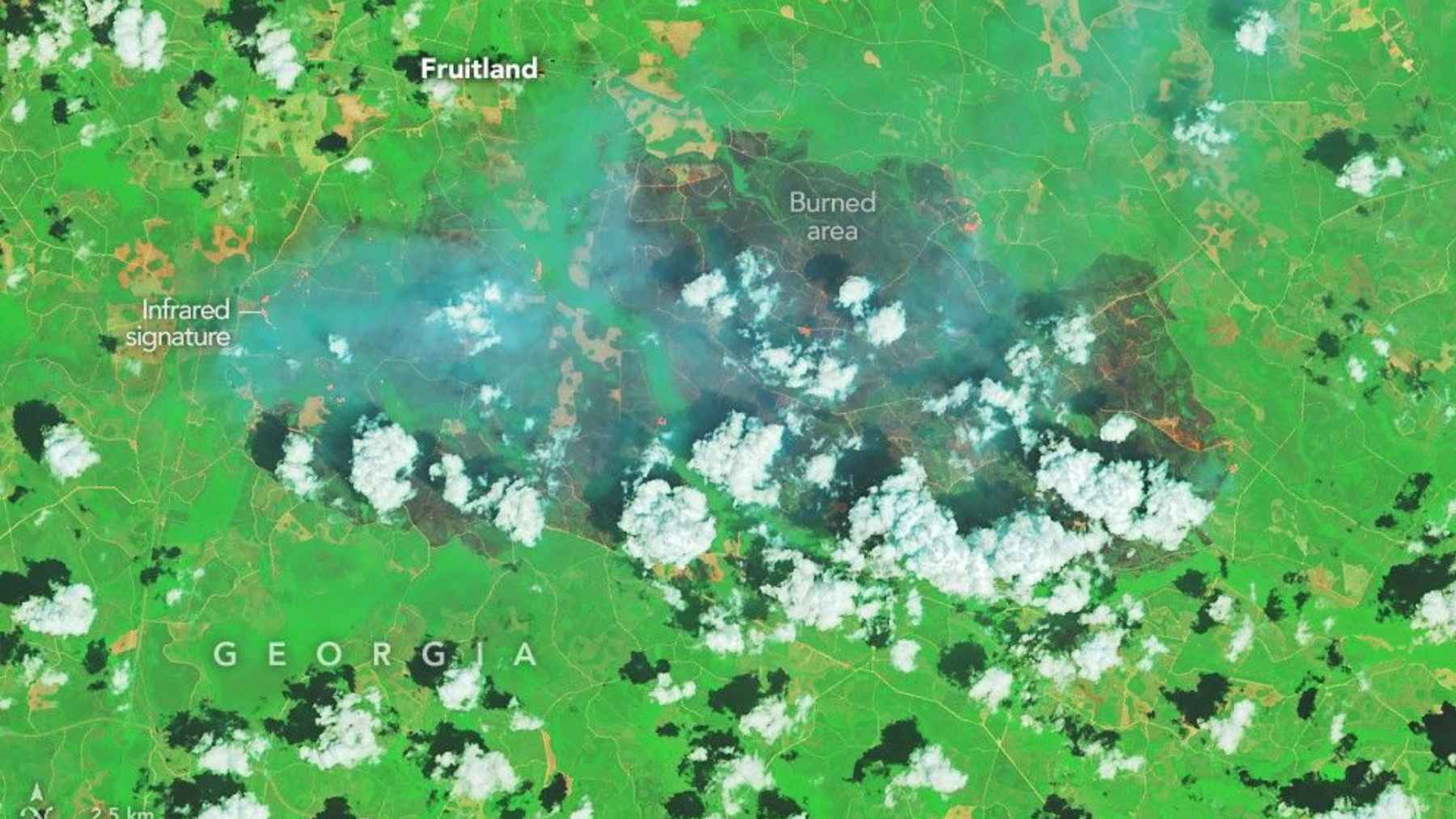
False-color NASA satellite image of the Pineland Road fire near Fruitland, Georgia, showing the burned area and infrared heat signature.

NASA satellite images reveal the massive scar left by Georgia wildfires, and a mix of extreme drought, high winds, and remnants of Hurricane Helene helps explain why it shows up from space

—
May 23, 2026 at 5:00 PM
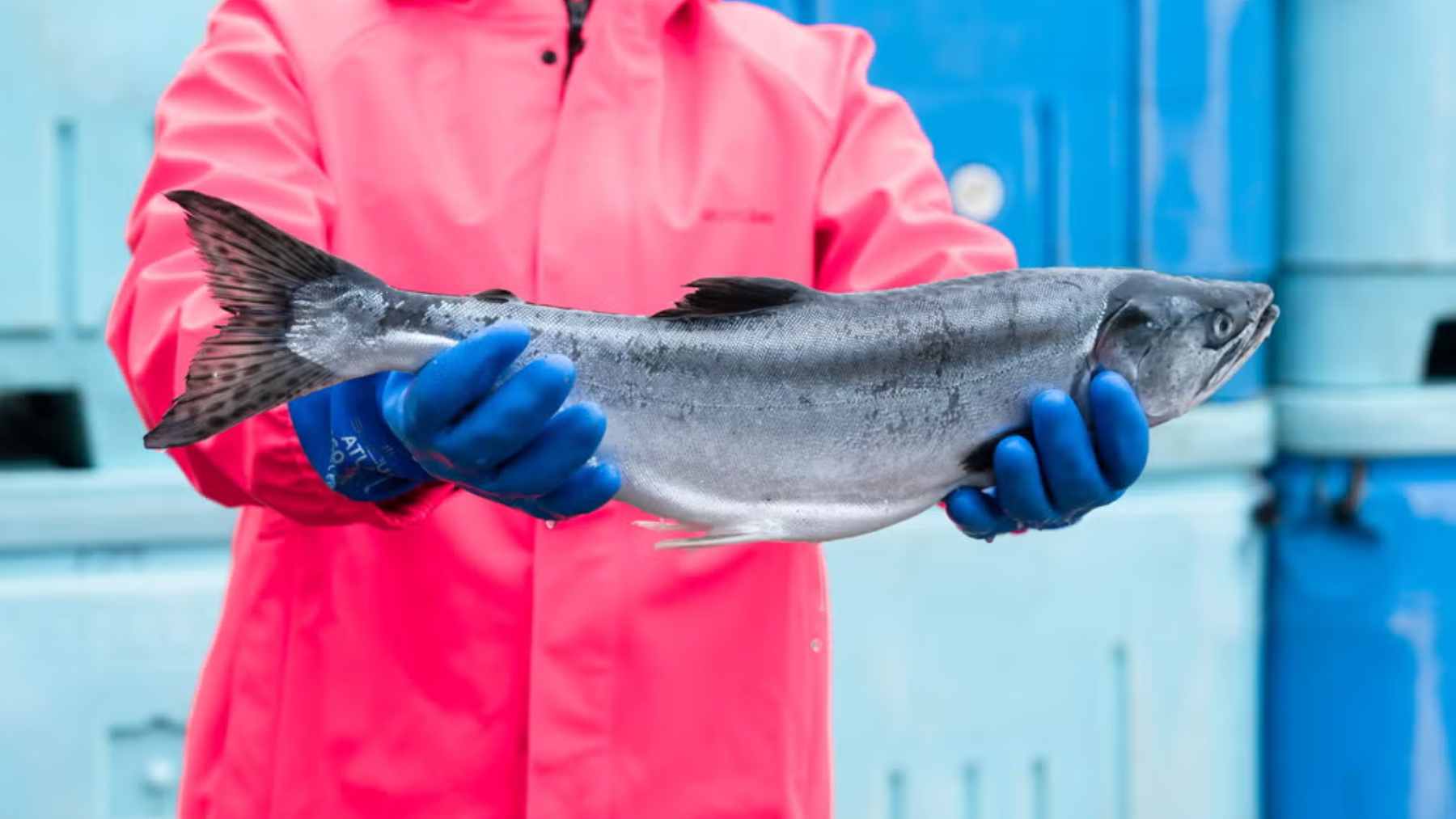
A cross-section of a canned salmon fillet showing preserved anisakid worms extracted for scientific study.

Researchers opened decades-old canned salmon from Alaska and found a hidden ocean record inside, dead anisakid worms that let them track food web change over 42 years, with parasite counts rising in chum and pink salmon but staying flat in coho and sockeye

—
May 23, 2026 at 10:15 AM
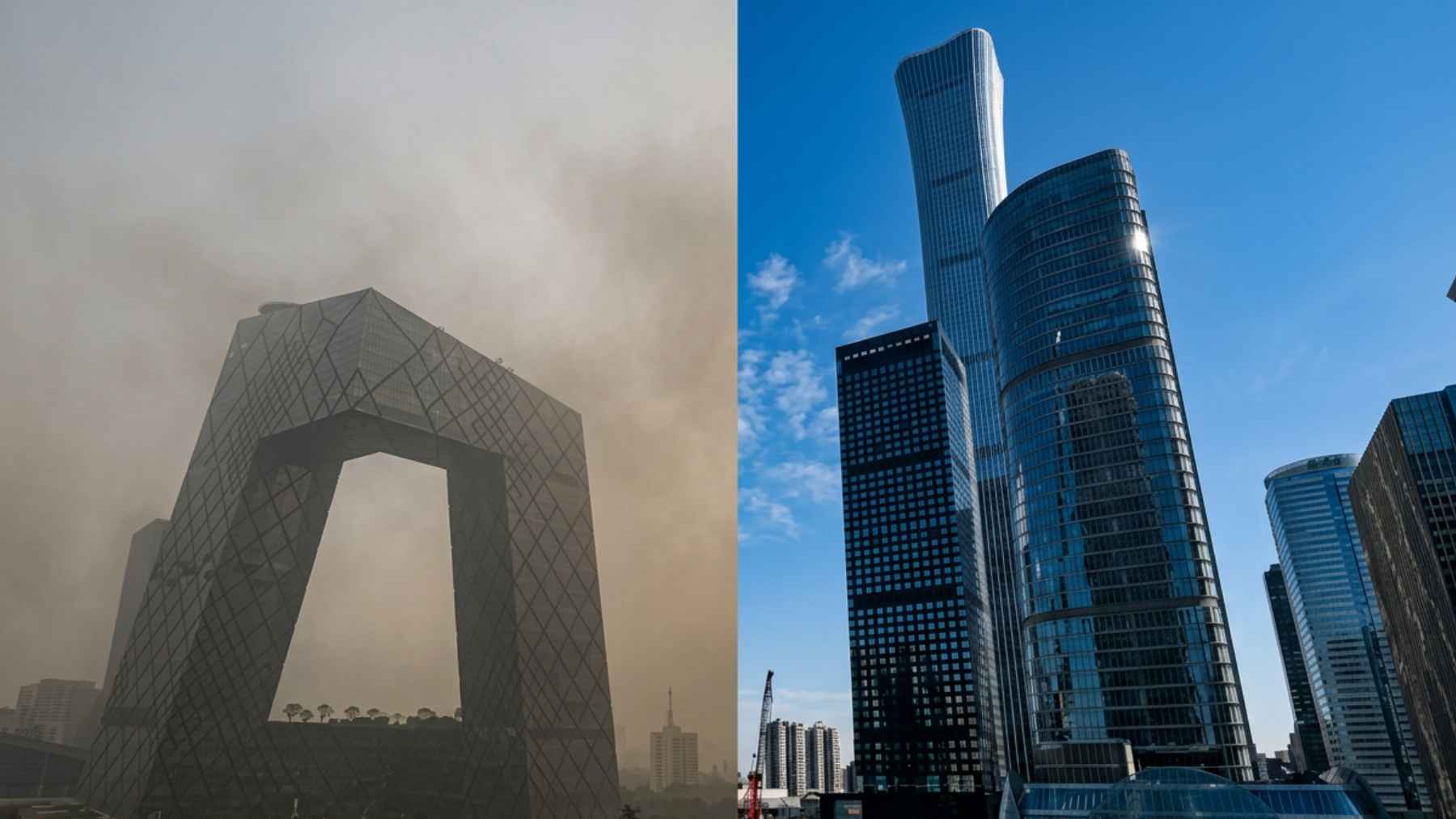
Side-by-side comparison of Beijing’s skyline showing heavy smog on one side and clear blue sky over modern buildings on the other.

China “erases” 12 years of pollution and achieves a 98% reduction in its capital: the figure is so extreme it forces one question… how did they really do it?

—
May 23, 2026 at 6:30 AM
Drained reservoir in La Rioja revealing shrinking water pools and habitat risks for protected freshwater species

La Rioja and the drained reservoir: protected species emerge, and experts are worried about what could come next

—
May 22, 2026 at 5:00 PM
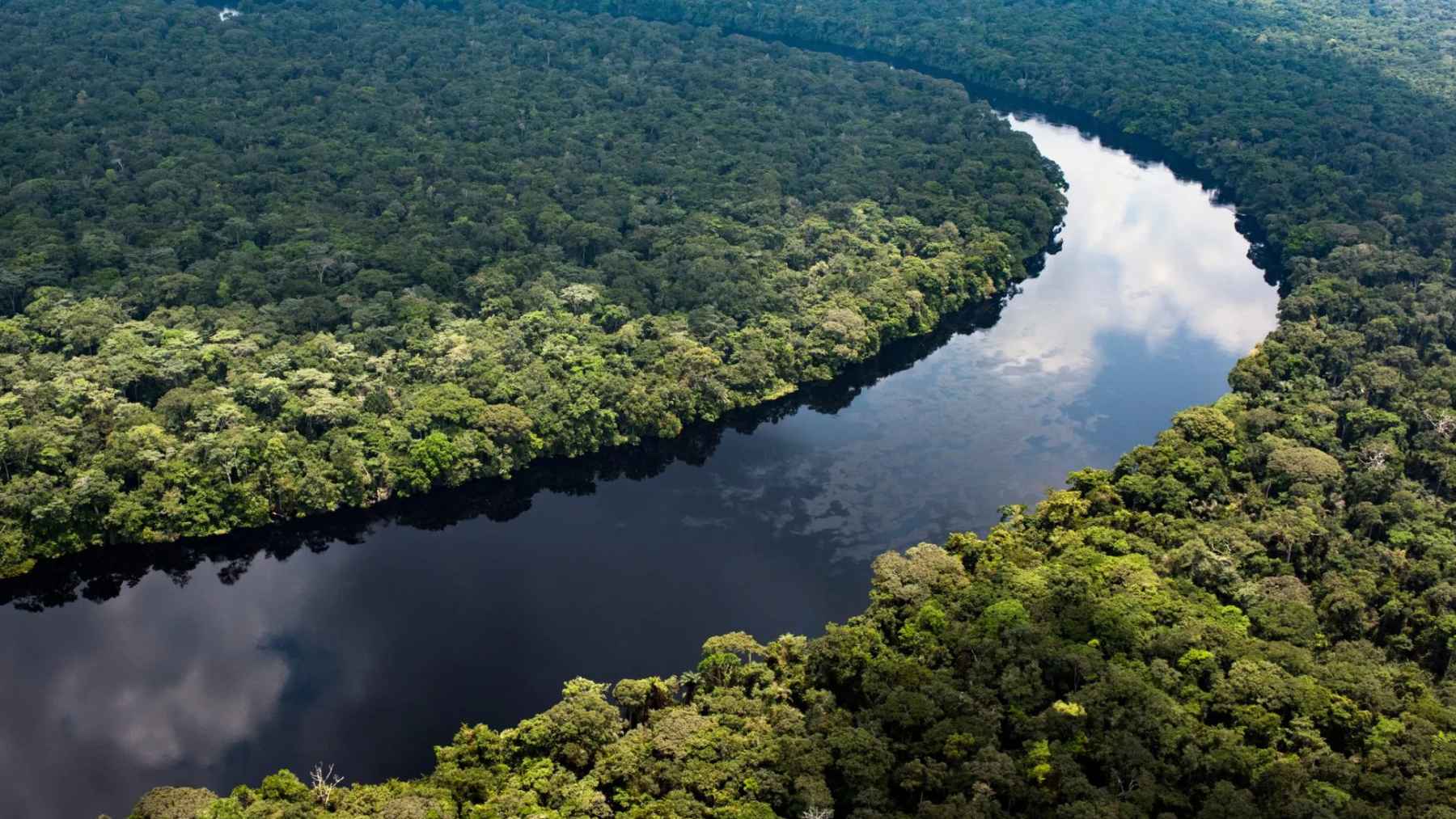
Dark tropical lake in the Congo Basin releasing ancient carbon from surrounding peatlands

Lakes along the Congo River are releasing tons of “ancient carbon”: the numbers are alarming, and the reason is more disturbing than it seems

—
May 21, 2026 at 5:00 PM
Researchers analyzing coastal sea-level data and flood-risk models linked to global shoreline elevation studies

Errors detected in hundreds of sea-level studies, and the “new” figures could change coastal risk maps across half the world… (and it is far from a minor correction)

—
May 20, 2026 at 10:14 AM
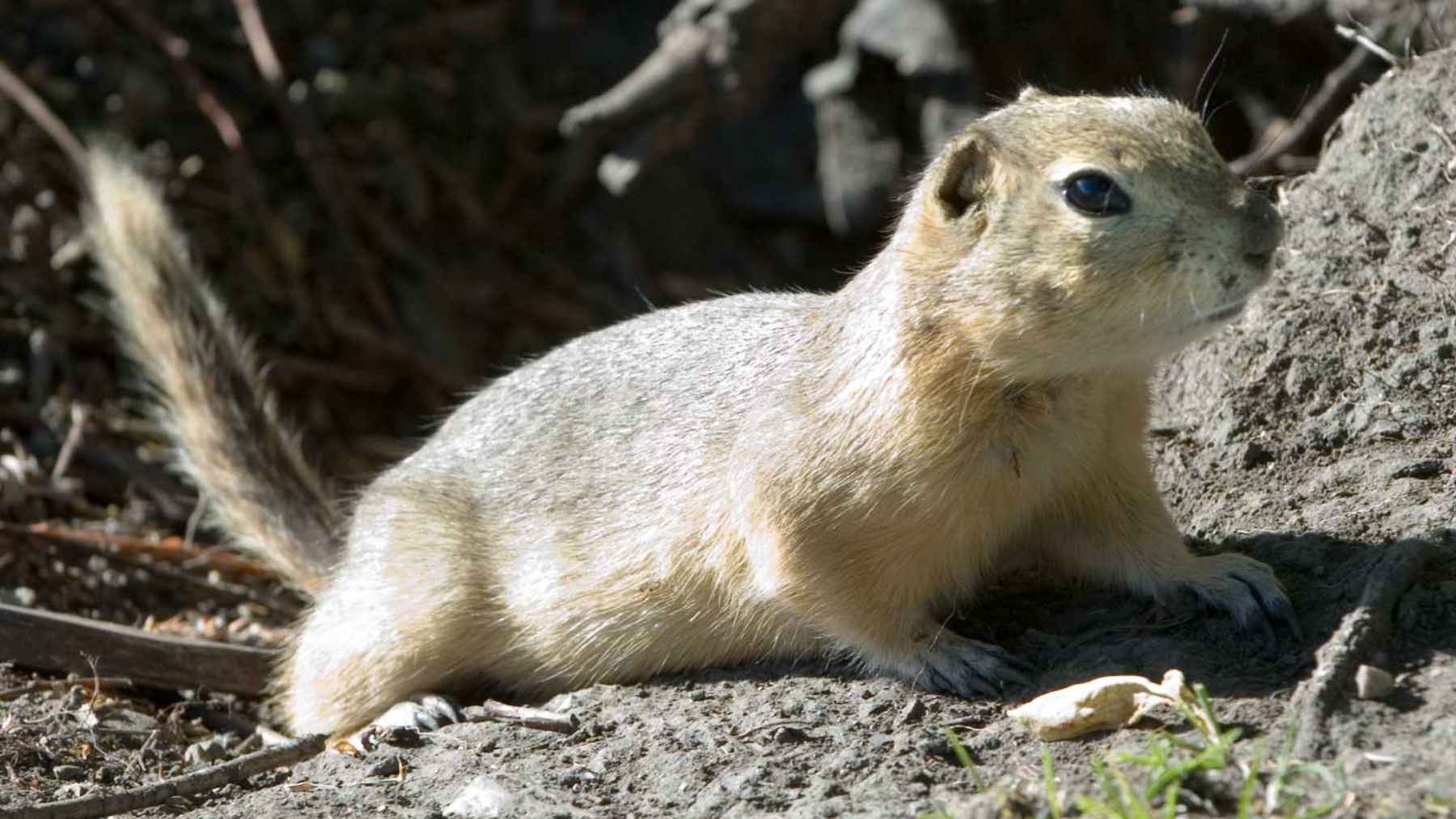
Recovery area near Mount St. Helens where scientists studied how gophers helped volcanic soil recover

Mount St. Helens: the eruption that changed the U.S. in 1980 has an unexpected “culprit”… and no, it is not a volcano (it is animals, and the story is surreal)

—
May 19, 2026 at 3:00 PM
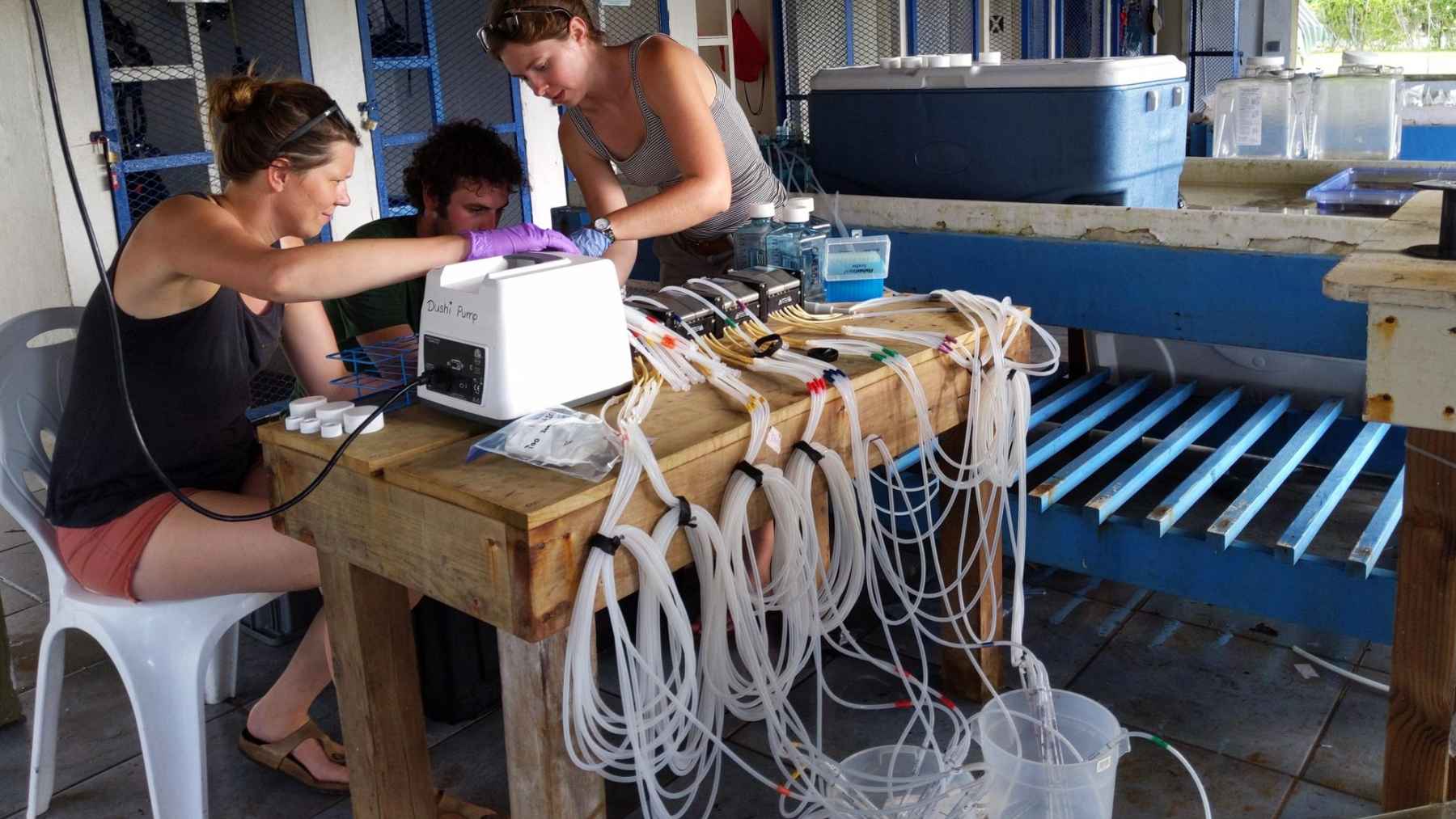
Scientists collecting and analyzing seawater samples during a global marine pollution research study

Scientists analyzed more than 2,300 seawater samples and made a troubling discovery: they found 248 man-made chemicals in waters around the world, even far from the coast

—
May 19, 2026 at 12:30 PM
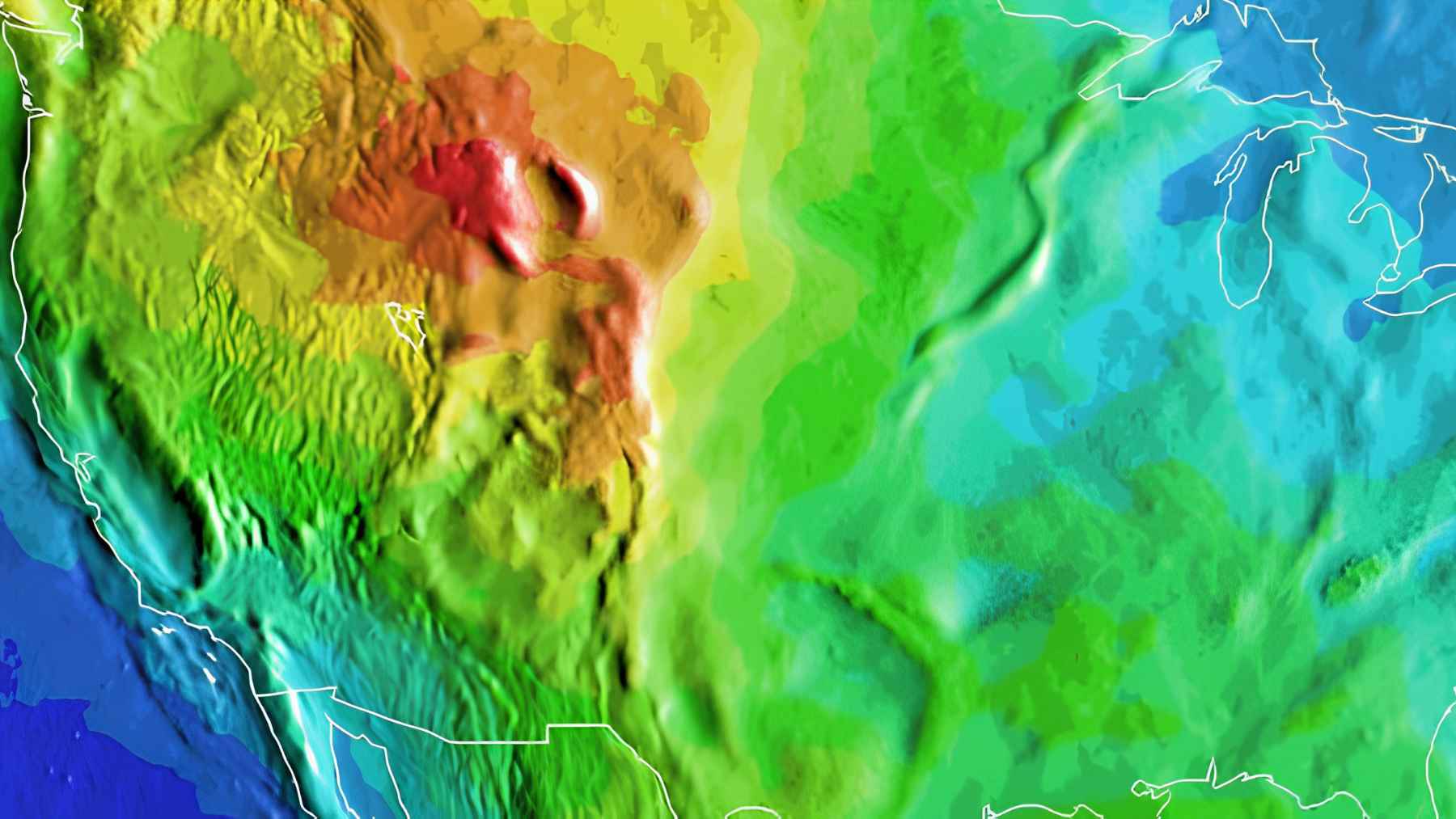
Map and geological analysis of the massive King’s Trough underwater fissure beneath the Atlantic Ocean

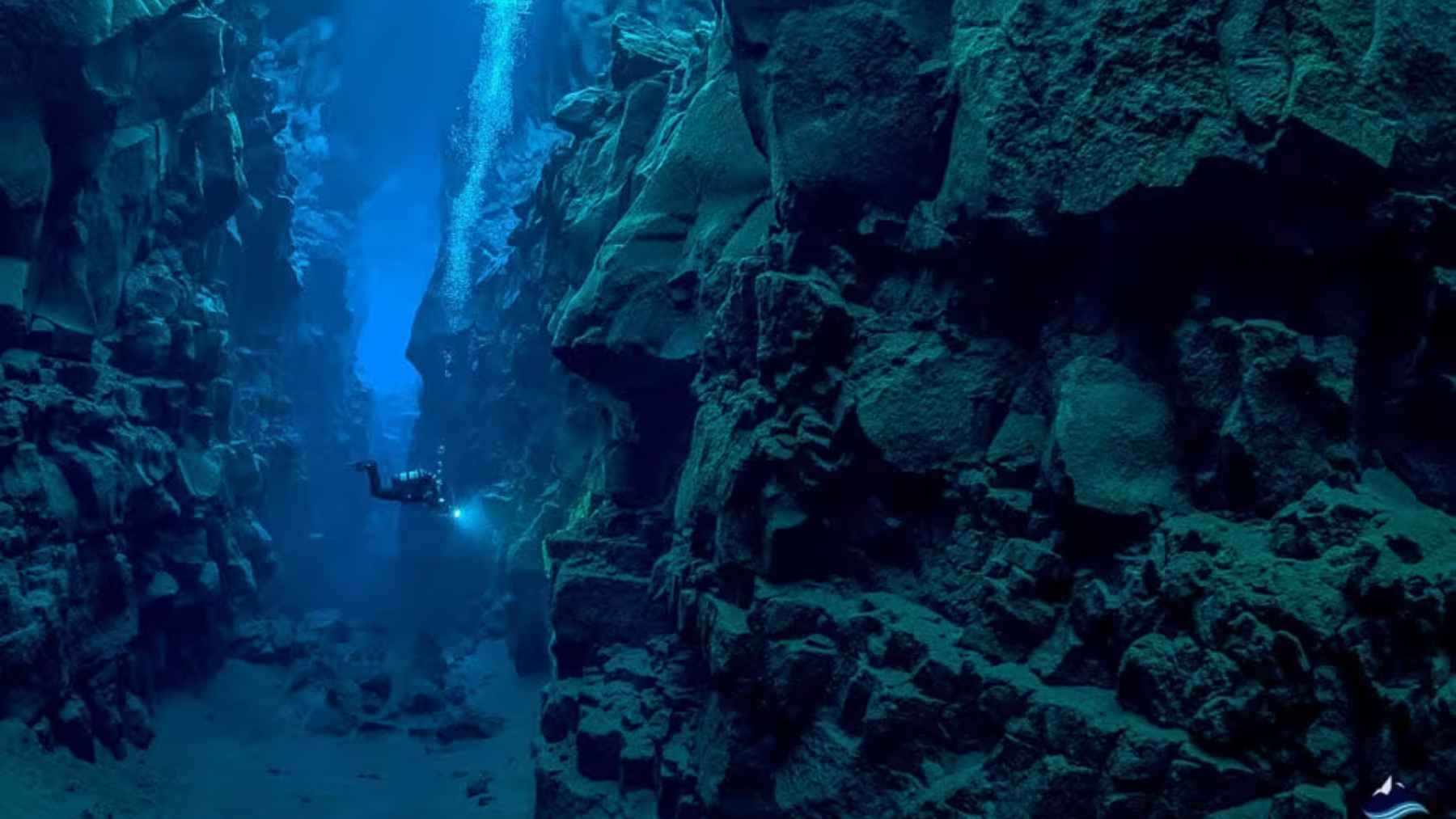
Scientists have mapped a massive 500-kilometer-long underwater fissure hidden beneath the Atlantic Ocean and now believe they know how this colossal “wound” formed 37 million years ago

—
May 19, 2026 at 6:30 AM
Cricket insect resting on a natural surface, representing the night sounds often heard in gardens and homes.

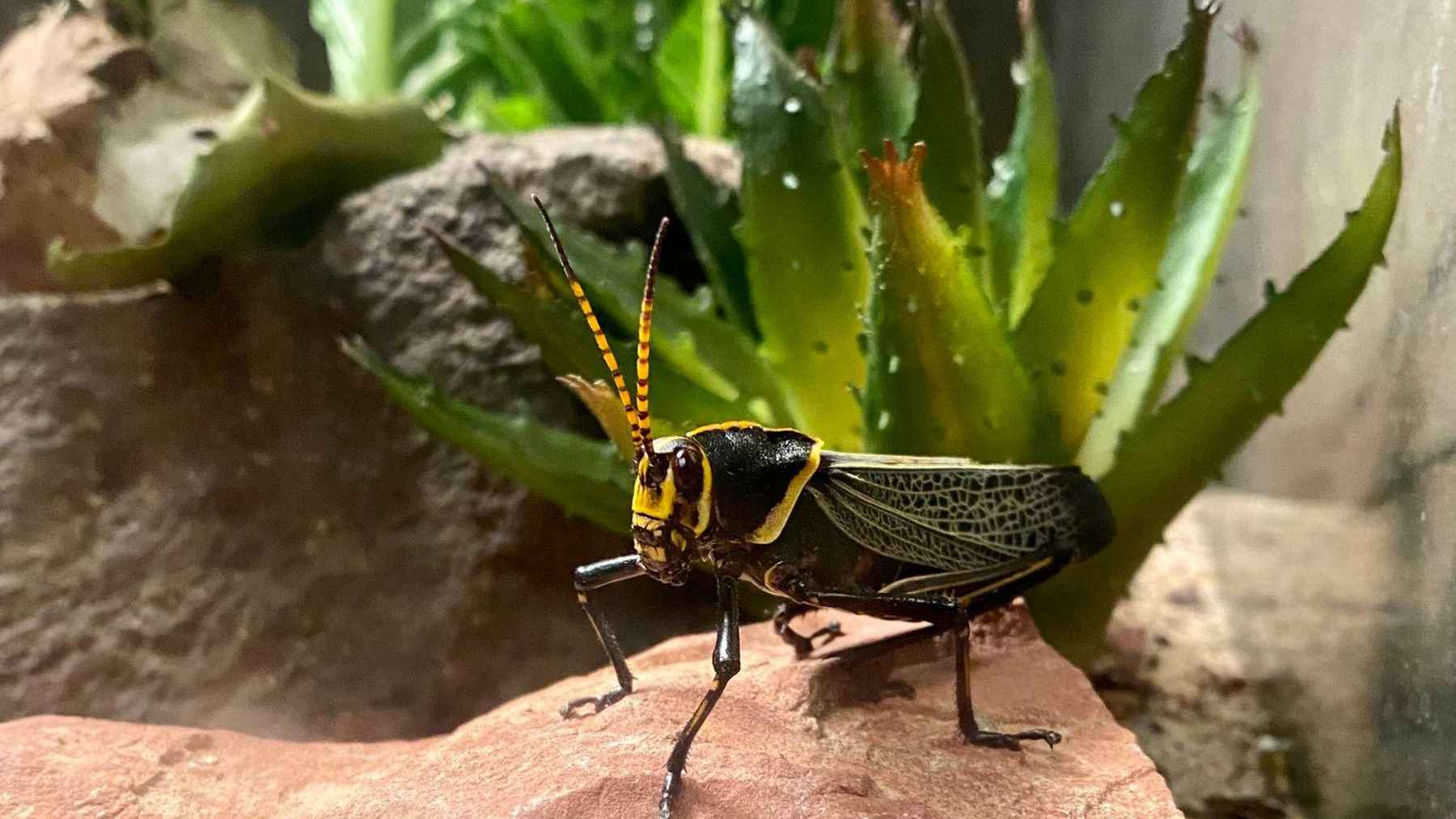
Crickets at night in your house or garden: why their chirping is usually a good sign

—
May 17, 2026 at 10:15 AM
Previous Next

ECOnews alerts

Get the most relevant environment stories as soon as we publish them

ECOnews is the English-language edition of ECOticias.com, focused on environmental and sustainability news for a global audience: mobility, energy, economy, technology, science, environment and trending stories.

© 2026 ECOnews · ECOticias.com, the green newspaper since 2004 ↑ Top