Colorful coral reef with tropical fish

Environment

Wildlife, oceans, forests, climate and conservation

In Environment, ECOnews covers wildlife and biodiversity, oceans, forests, climate change, pollution, recycling and conservation. Surprising stories from around the planet that explain how nature works and how people are changing it.
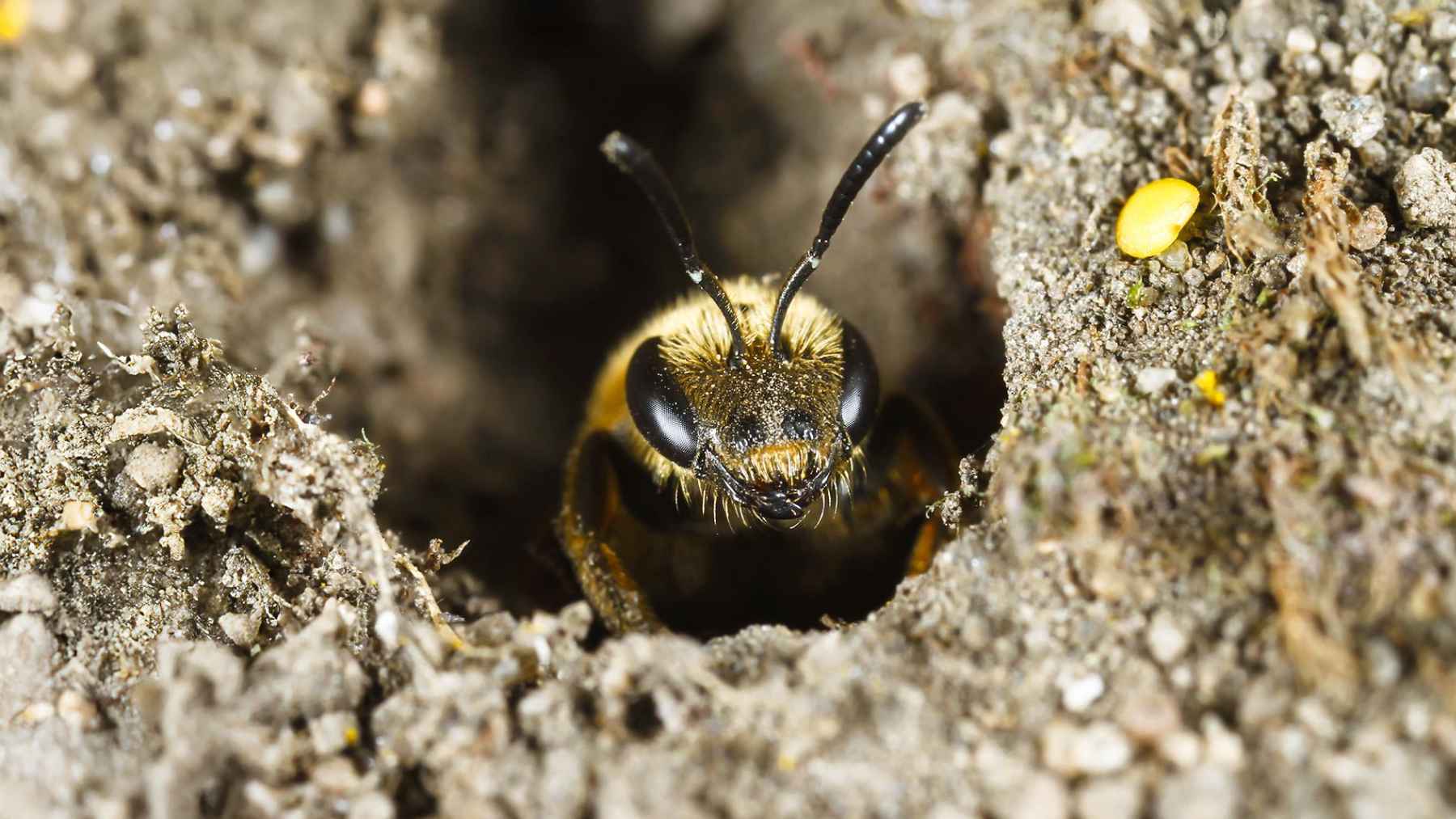
Ground-nesting mining bee emerging from a soil burrow in Ithaca, New York.

Scientists find about 5.6 million bees living beneath a New York cemetery for more than 100 years, and the hidden colony could help protect vulnerable pollinators

—
June 19, 2026 at 6:30 AM
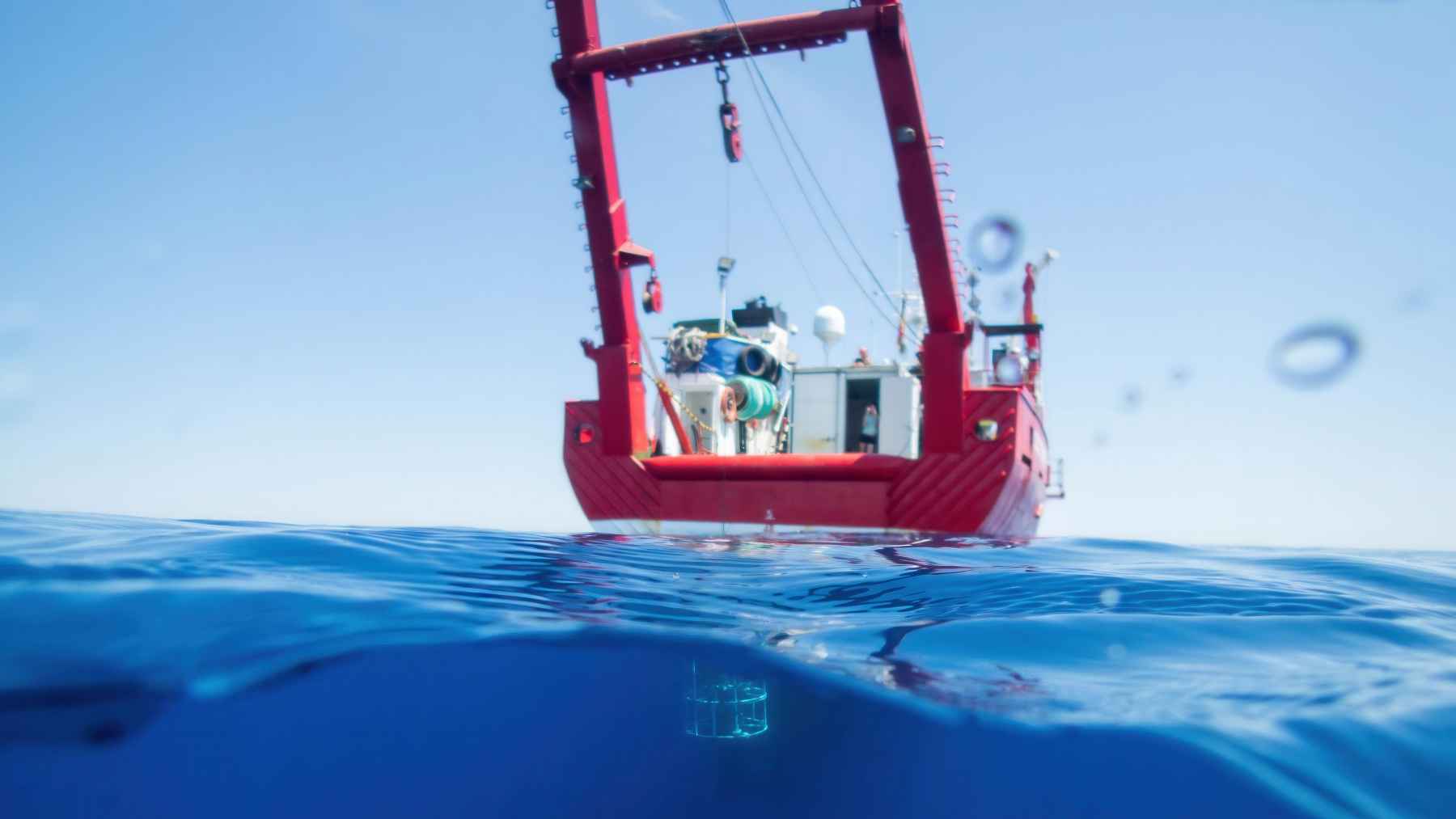
Ocean research vessel deploying a deep-sea monitoring instrument used to study ocean changes and currents.

The U.S. plans to remove 900 deep-sea monitoring instruments that would have studied the weakening Atlantic current, a move scientists say blinds us right when the ocean is changing fastest

—
June 18, 2026 at 5:00 PM
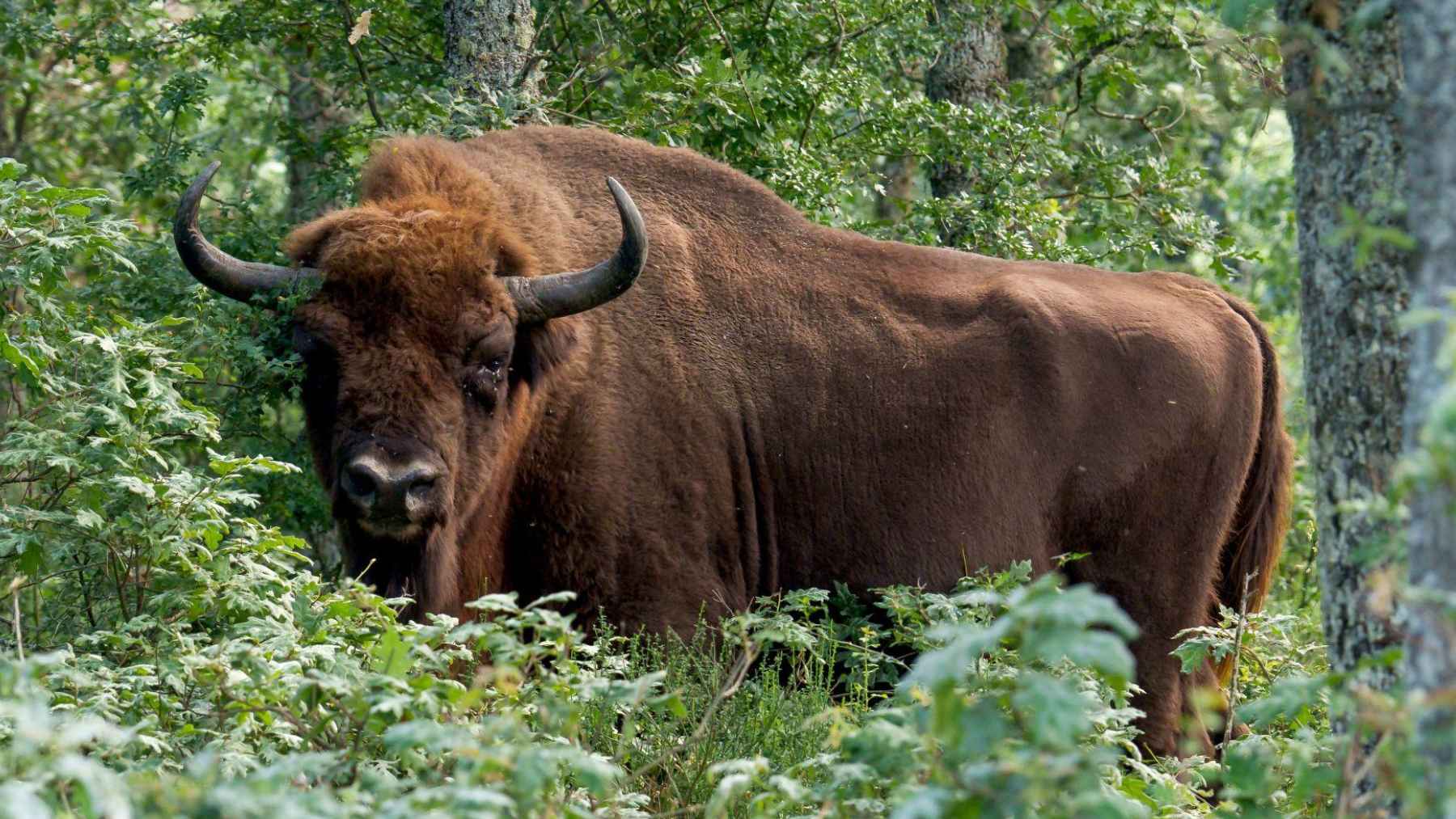
Close-up of a European bison standing in a forest, a species used in rewilding experiments in Spain.

Nine bison are introduced in a town in Guadalajara to help prevent wildfires and restore lost ecosystems, but locals are split on whether it’s a brilliant fix or a risky experiment

—
June 18, 2026 at 10:15 AM
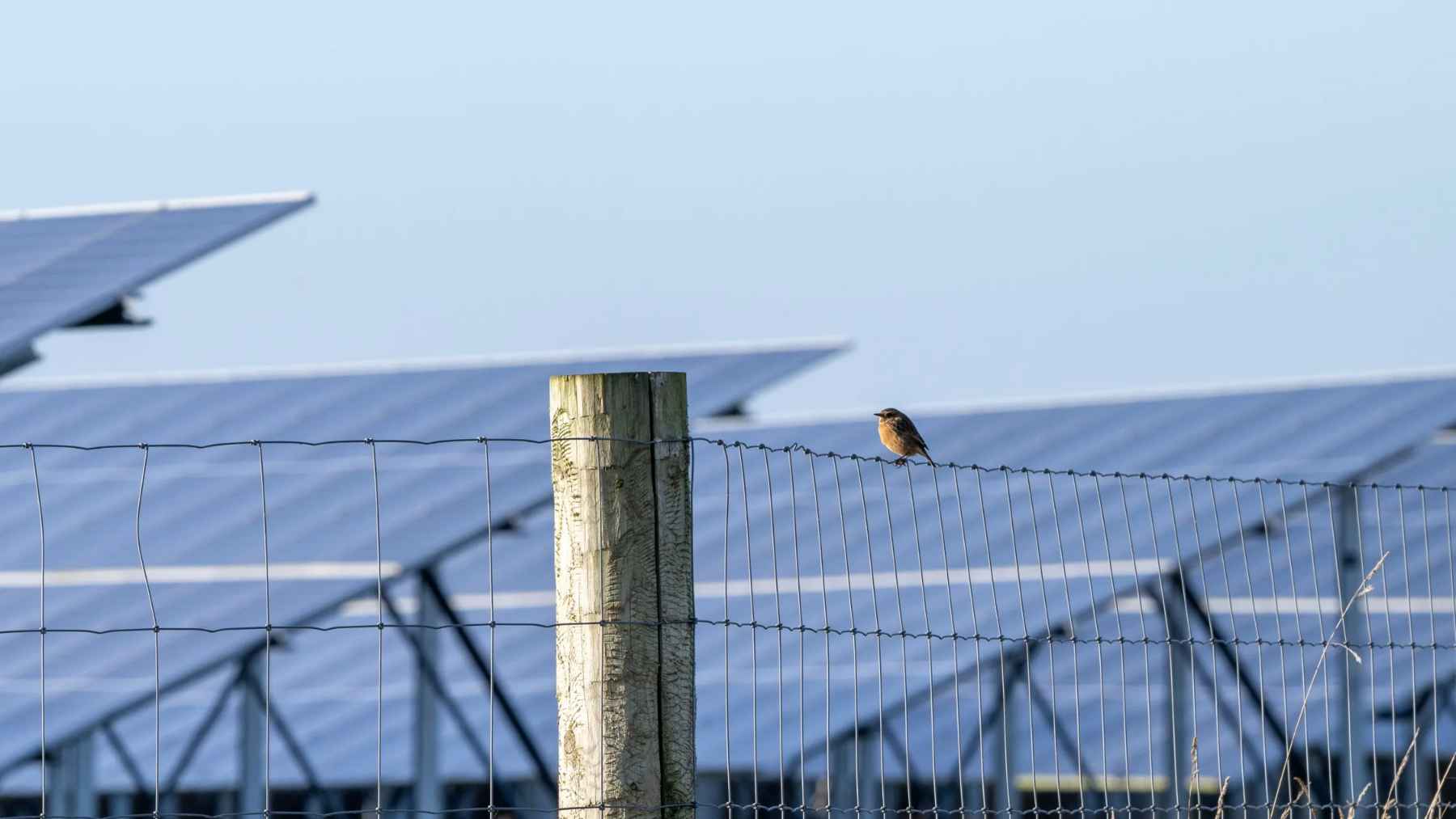
Small bird perched on a fence in front of solar panels at a rural solar farm.

We assumed solar farms wrecked the countryside, but research shows birds and insects often thrive beneath panels, where shade and shelter create new microhabitats

—
June 17, 2026 at 5:00 PM
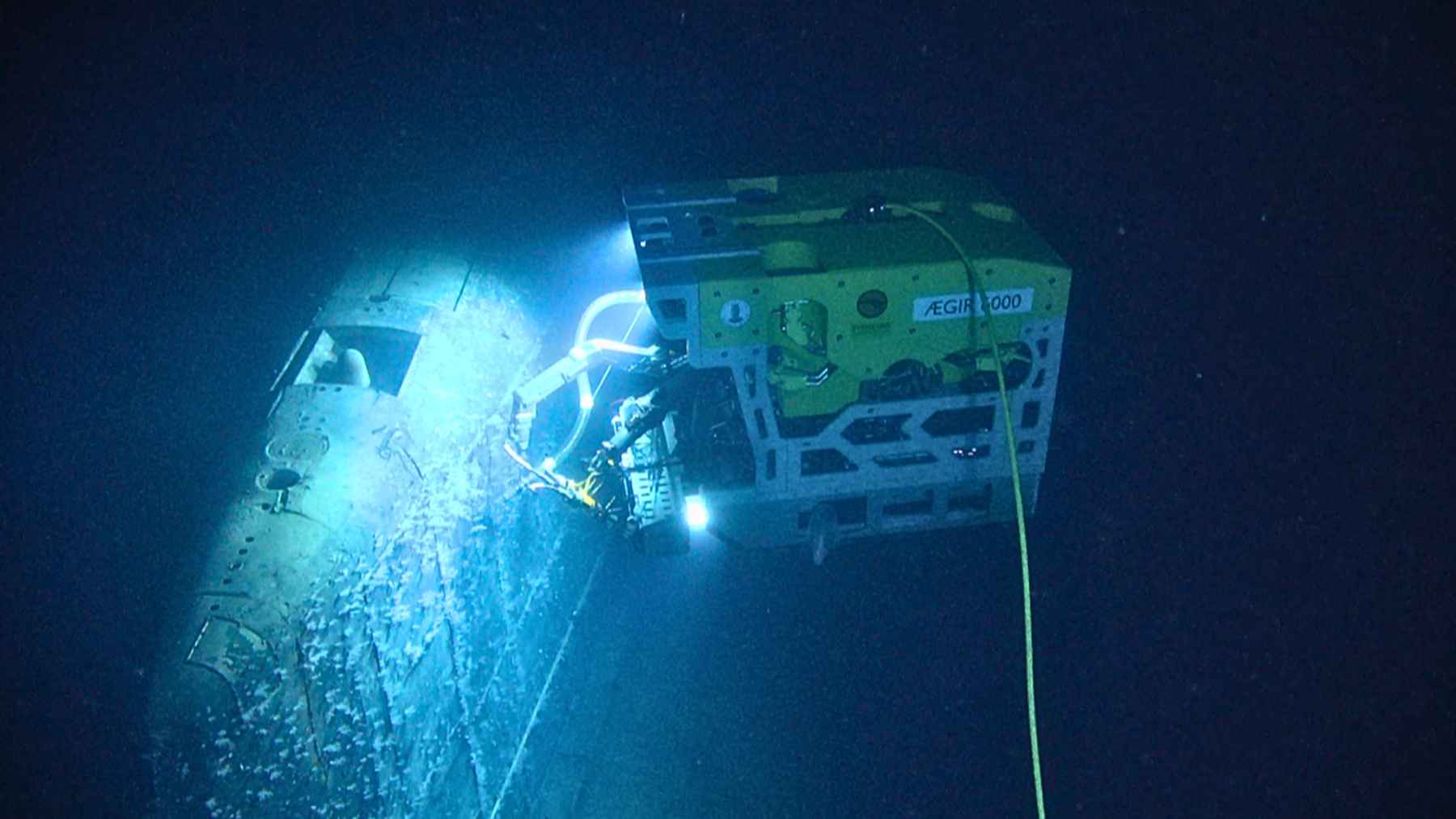
ROV inspecting a sunken Soviet submarine in the deep ocean where radioactive material is being released from the reactor.

A sunken Soviet submarine is reportedly releasing radiation, and the leak revives fears about Cold War wrecks still poisoning the ocean

—
June 17, 2026 at 12:30 PM
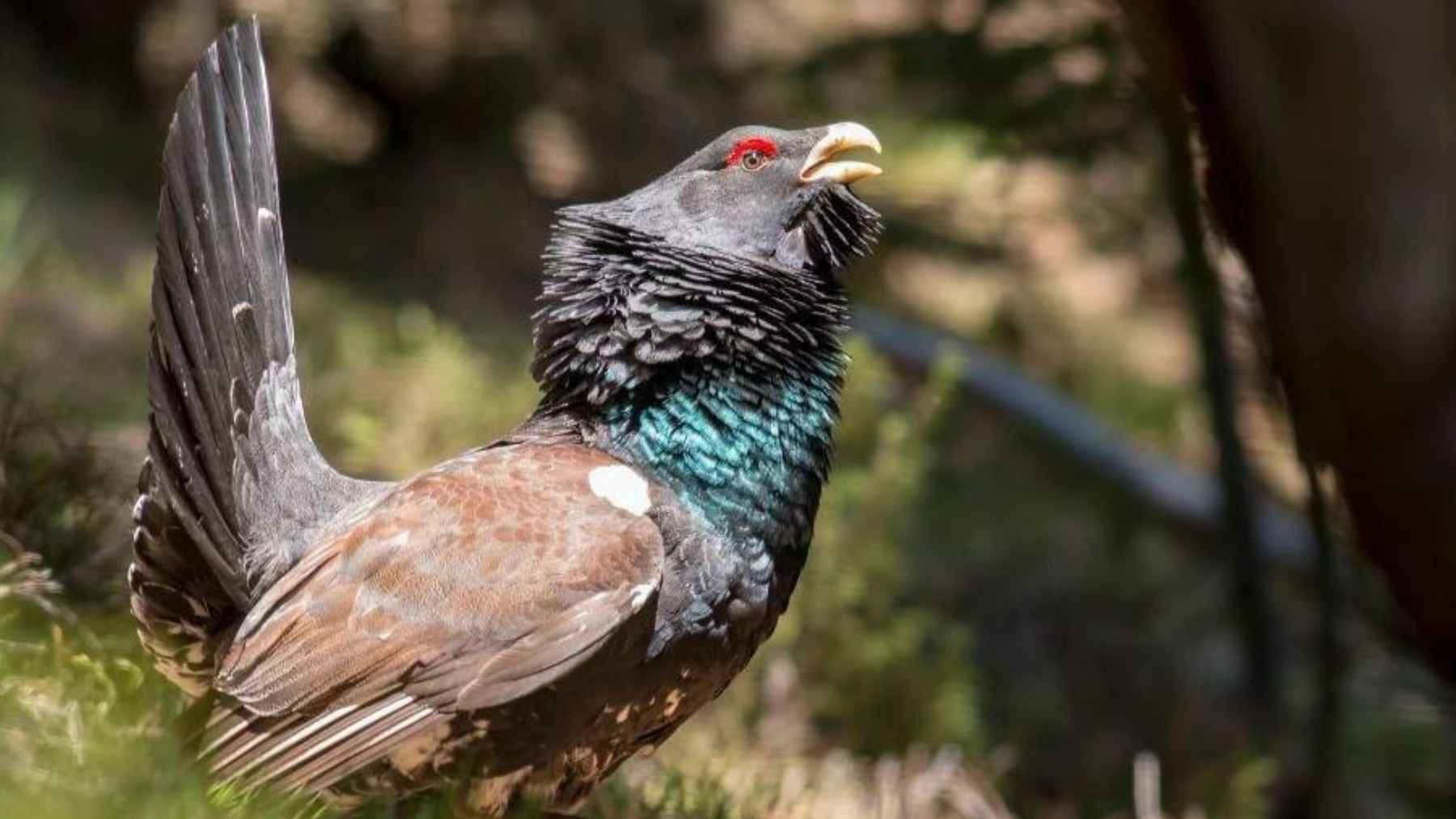
Cantabrian capercaillie in northern Spain, a critically endangered forest bird at the center of a conservation release program.

They spent more than $5 million to release 30 birds, and within six months 29 were already dead, a conservation plan that turned into a brutal reality check

—
June 17, 2026 at 8:45 AM
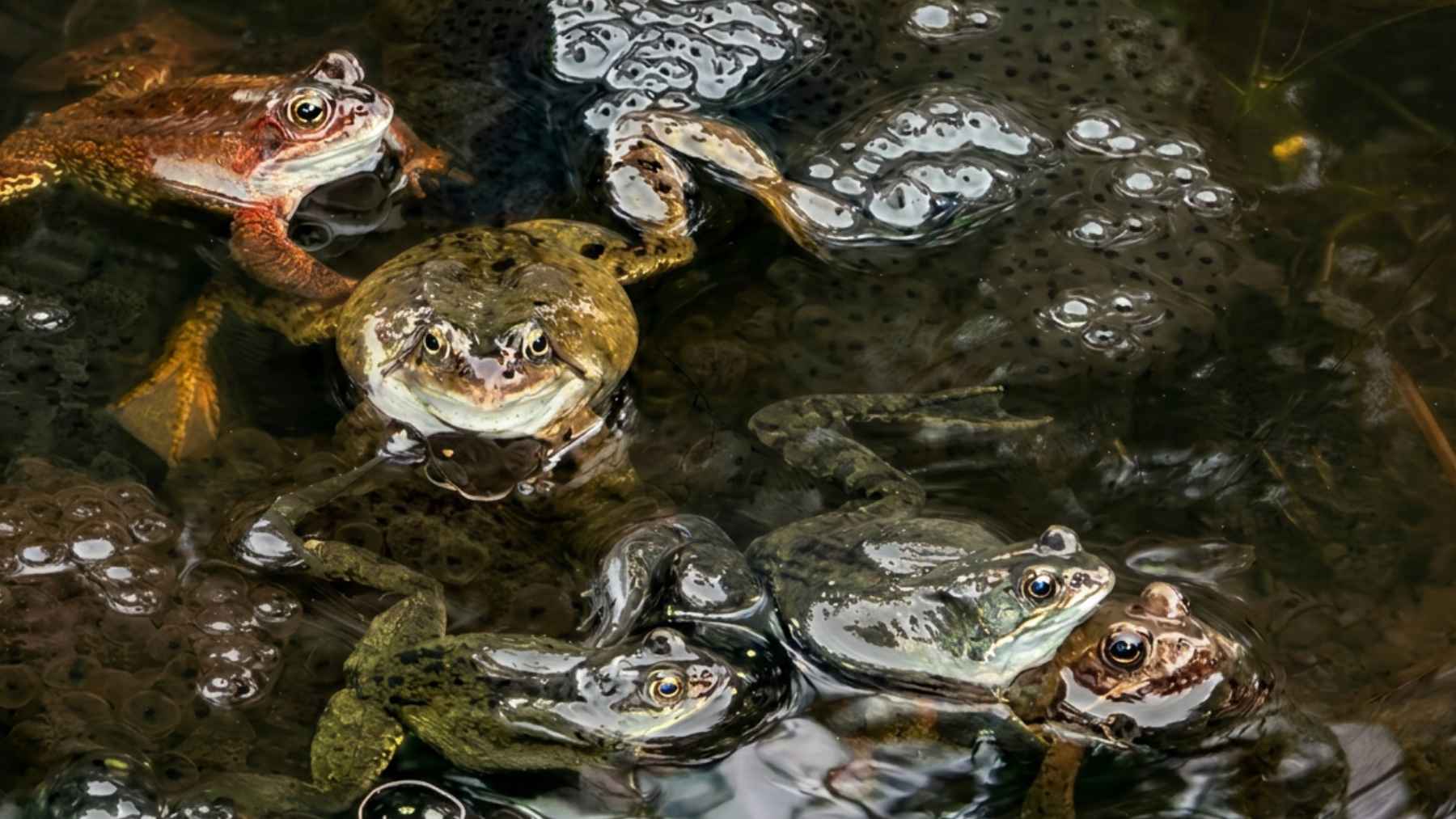
Multiple frogs gathered in a shallow backyard pond during breeding season creating a natural habitat.

Someone dug a tiny backyard pond about 2 ft. deep for amphibians, and within weeks it drew five clutches of frog eggs and turned a lawn into a living habitat

—
June 16, 2026 at 6:30 PM
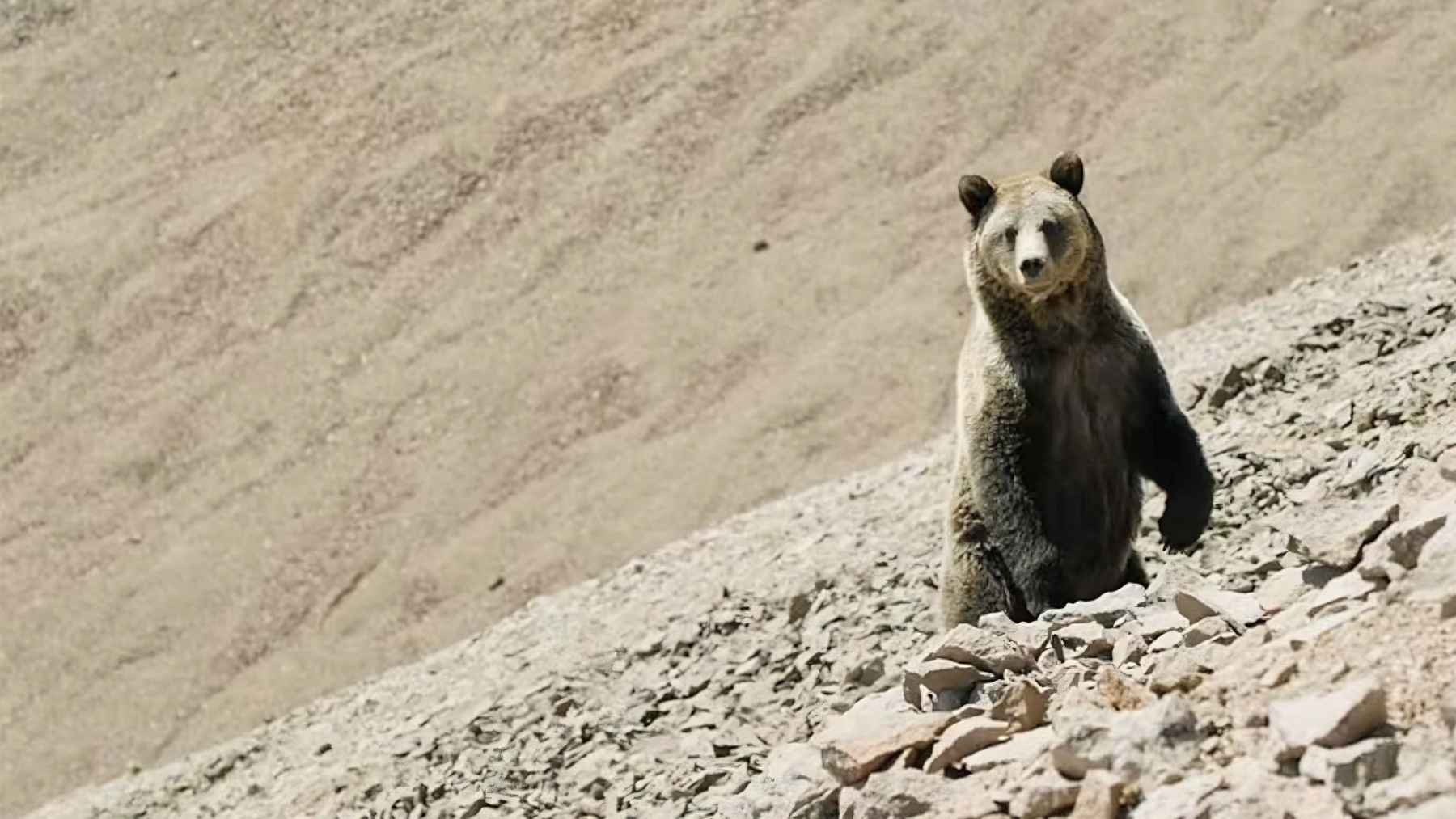
Grizzly bear standing on a rocky alpine slope in Yellowstone while searching for food.

A filmmaker finds 47 grizzlies gorging on moths that taste like honey-roasted peanuts, and the bizarre buffet is real, seasonal, and shockingly intense

—
June 15, 2026 at 5:00 PM
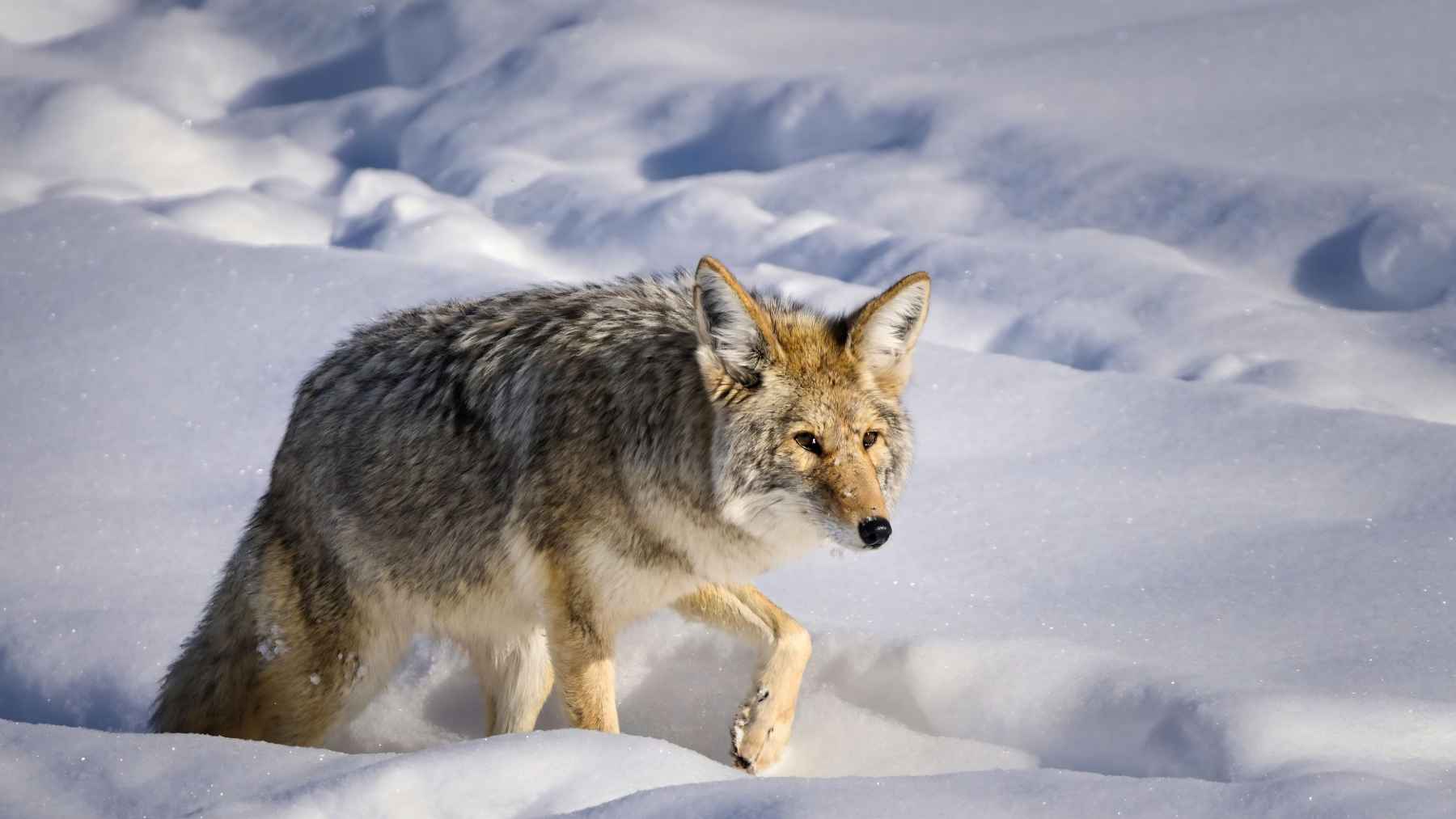
Coyote walking through deep snow in a winter landscape in northern Canada.

A photographer waited four years to capture a coyote frozen midair over ice, and the split-second shot looks like it breaks physics

—
June 15, 2026 at 12:30 PM
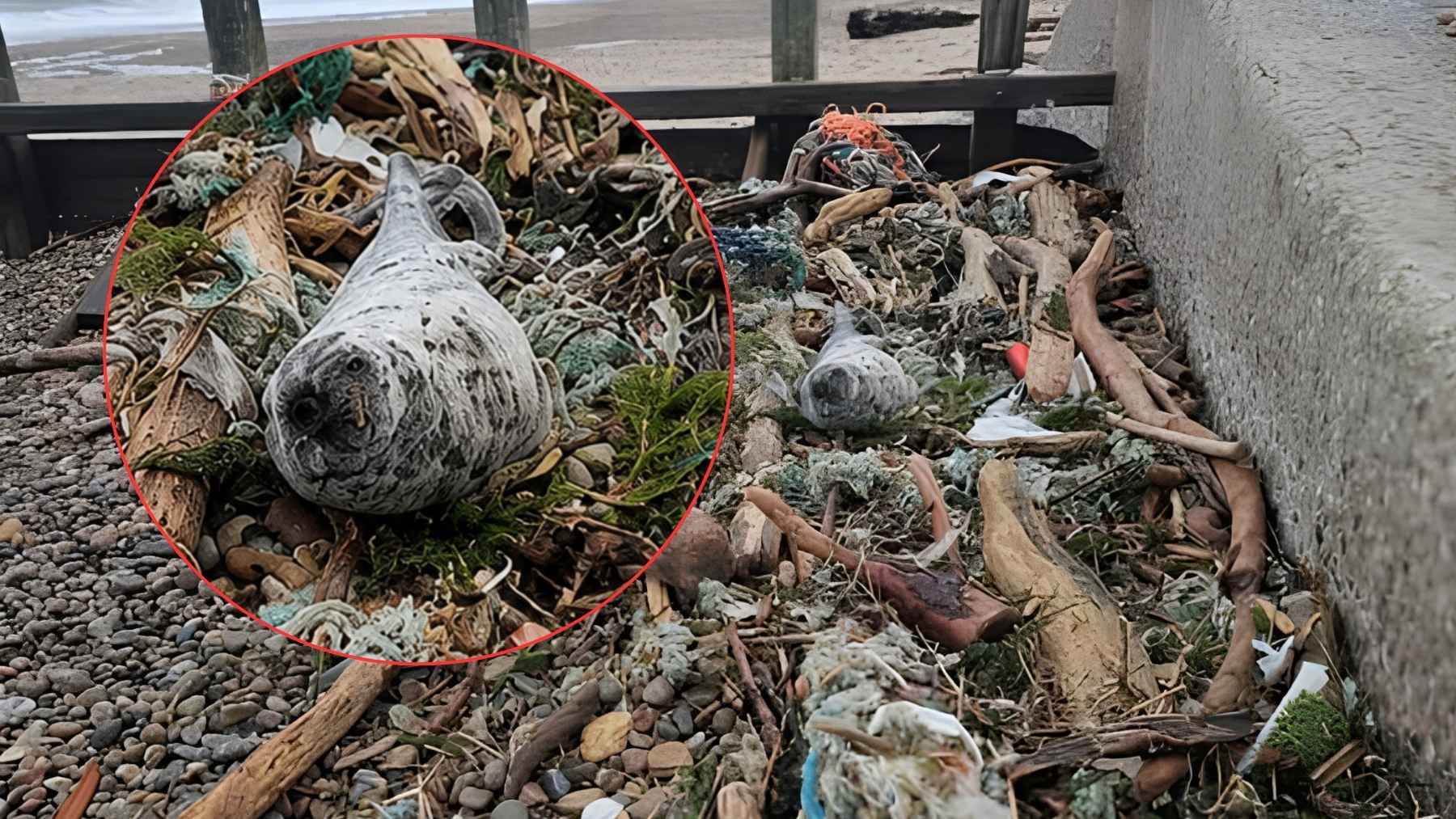
Grey seal pup resting among beach debris, highlighted with a circle to show how it was hidden in plain sight.

A beachgoer calls for help after spotting a wild animal sleeping on a pile of trash, and the rescue reveals how closely wildlife and human waste now collide

—
June 15, 2026 at 10:15 AM
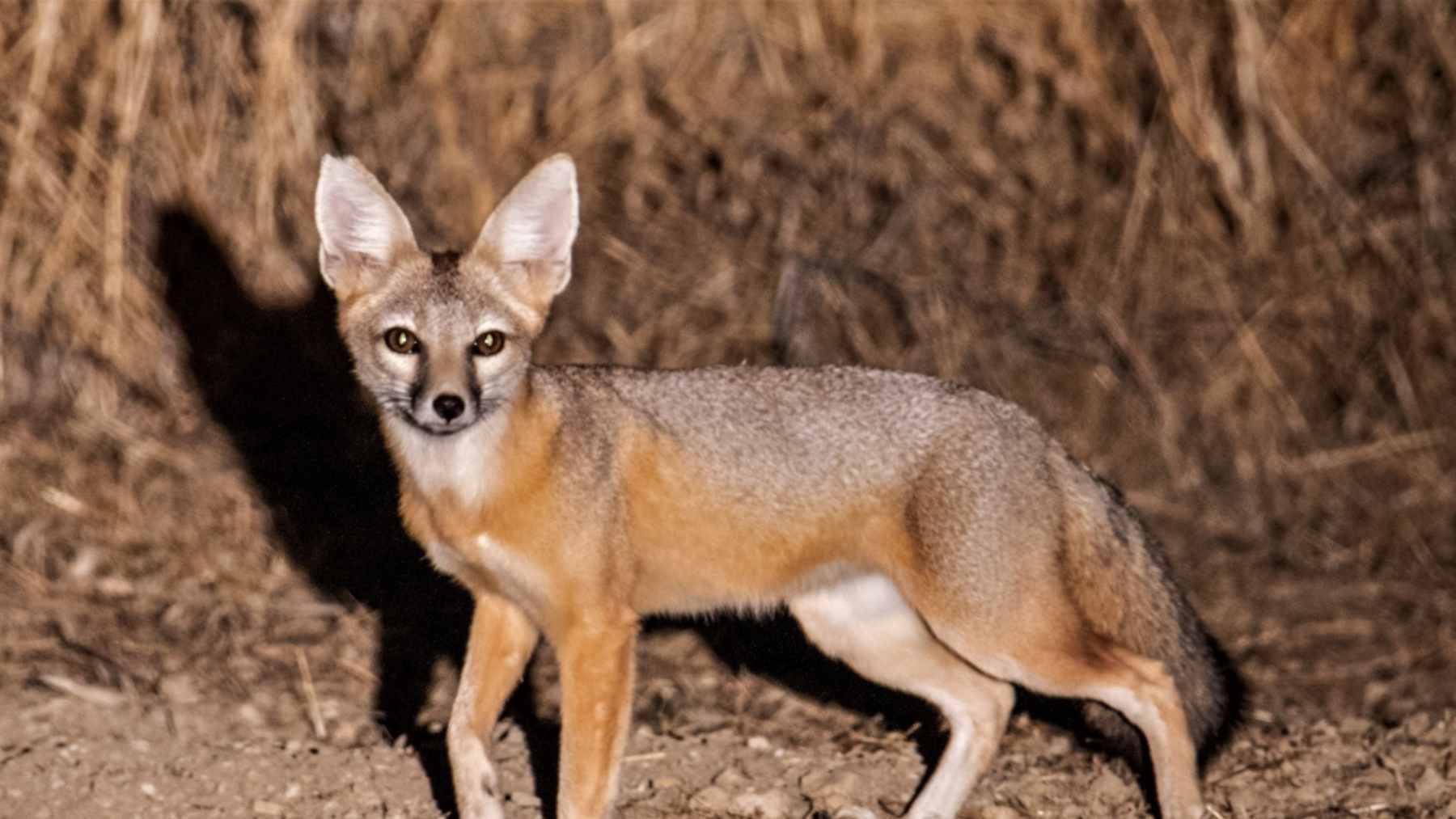
A small San Joaquin kit fox resting in the shade beneath solar panels at a managed utility-scale solar farm.

Foxes moved into a solar farm and turned it into a natural habitat, as the panels created shade, shelter, and a surprising new ecosystem

—
June 14, 2026 at 6:30 AM
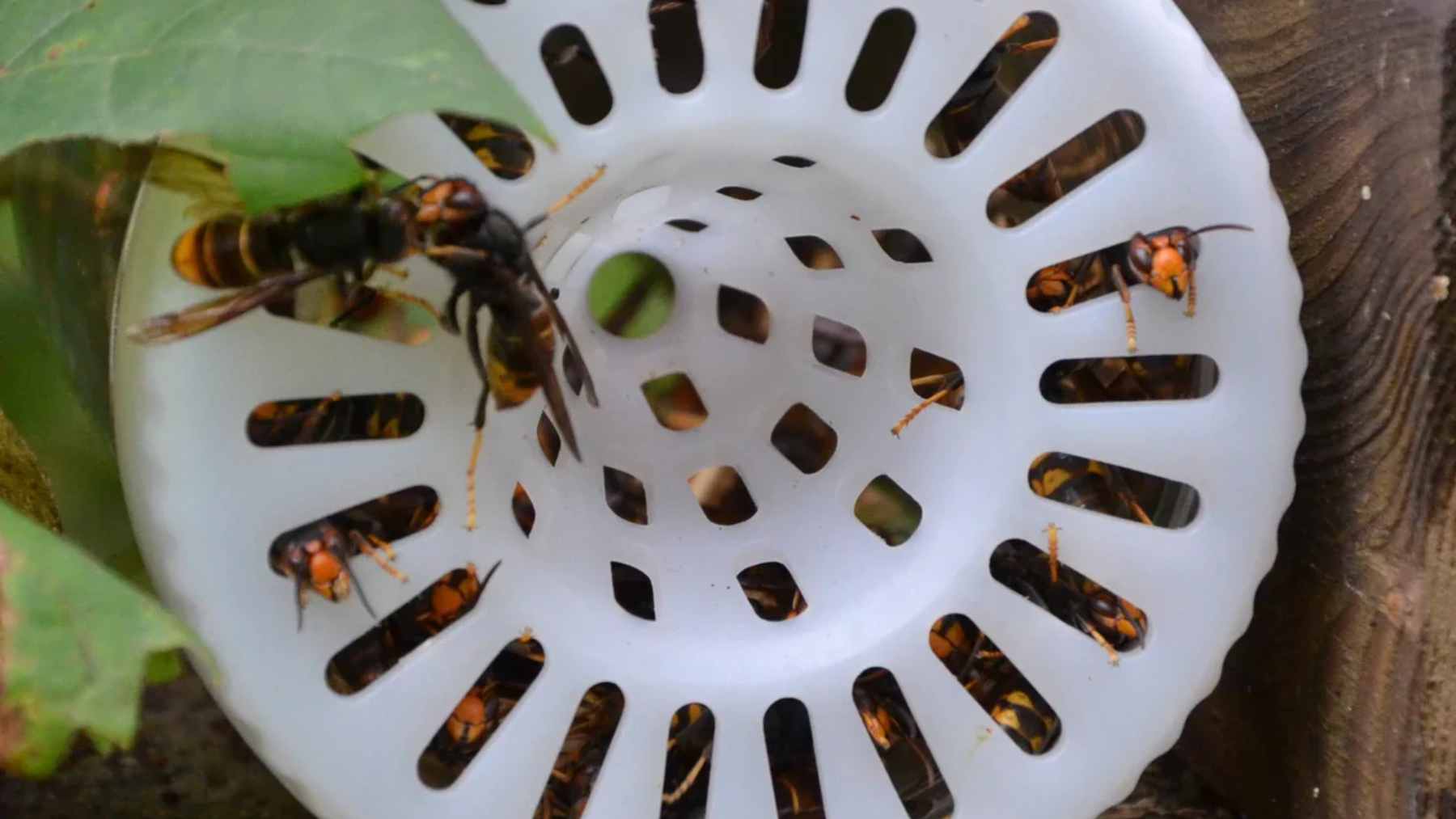
A homemade plastic bottle trap hanging near the Guadalope River, designed to capture invasive Asian hornet queens.

A recycled bottle is being used in Aragón as a trap for Asian hornets, and what is surprising is how the simplest setup can be the most effective once the invasion is established

—
June 13, 2026 at 3:00 PM
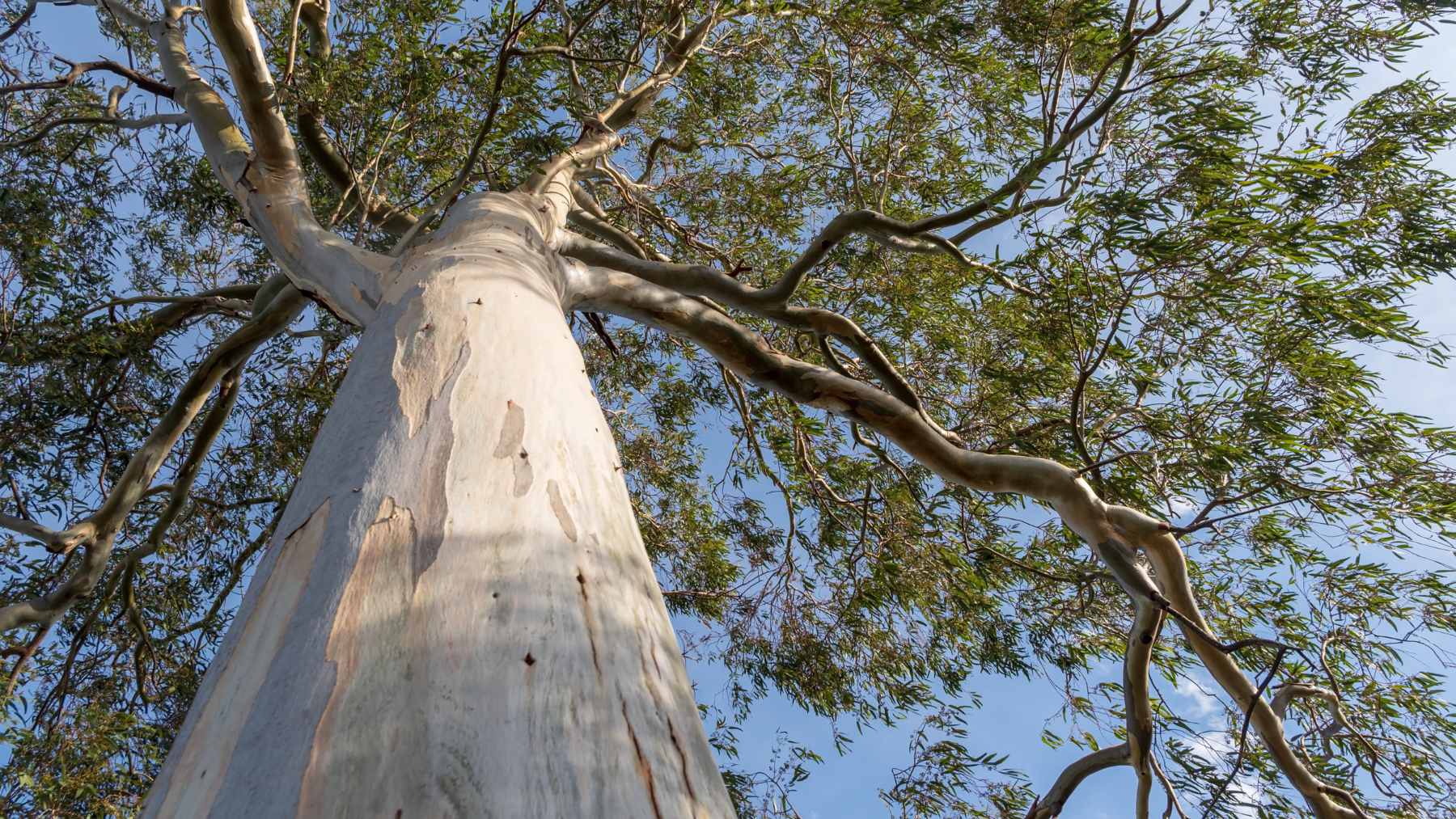
A landscape comparison showing a dense native forest in Galicia alongside a nearby eucalyptus monoculture plantation.

Spain planted an invasive tree in 1960 thinking it was a great idea, and what’s worrying is how it’s now hammering local birdlife because the ecosystem can’t keep up

—
June 13, 2026 at 12:30 PM
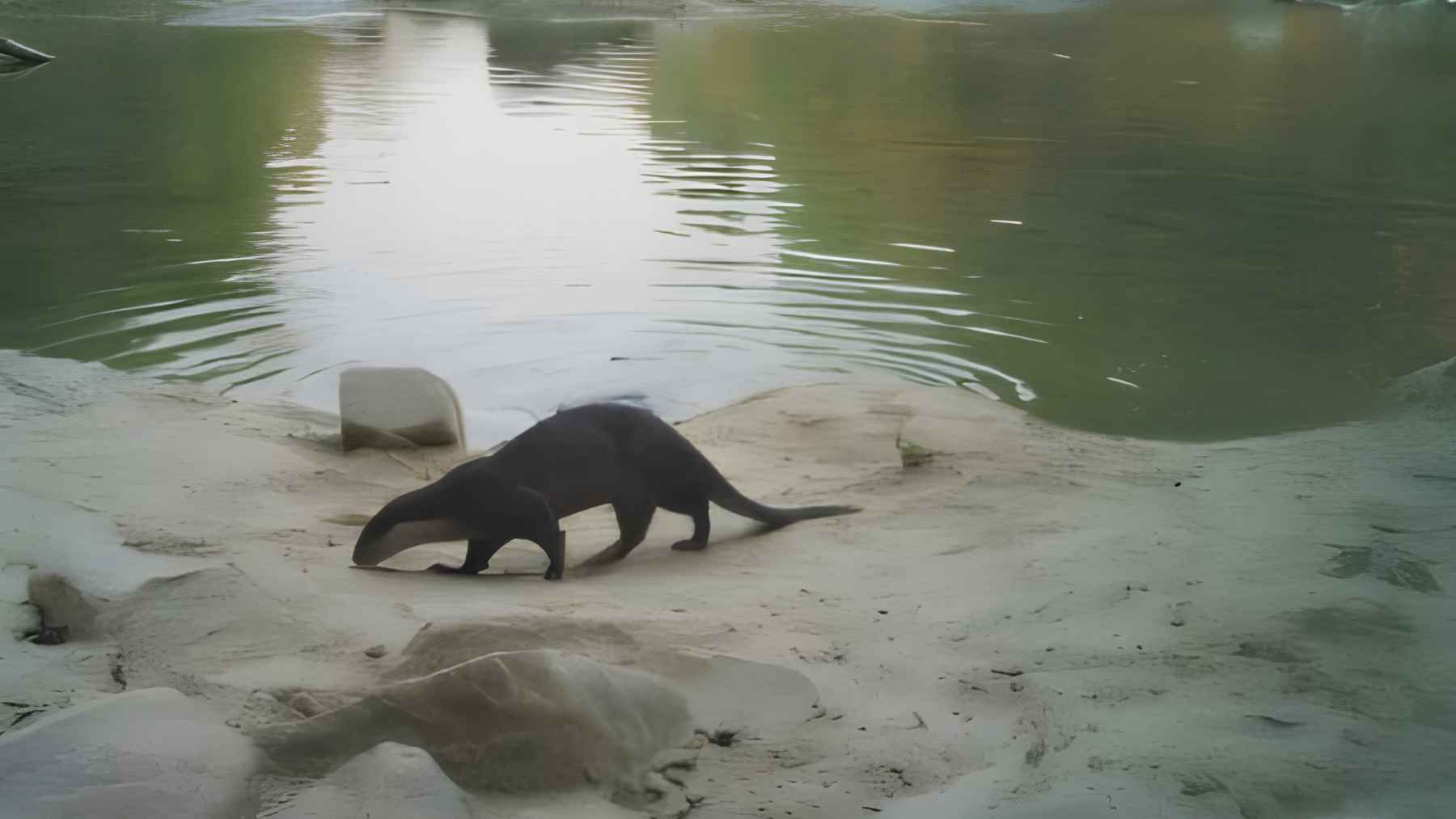
Smooth-coated otter walking along a riverbank captured by camera trap in India

Camera traps just captured a smooth-coated otter in that area for the first time, and what stands out is that it showed up where almost nobody was looking because the focus was on something else

—
June 12, 2026 at 3:00 PM
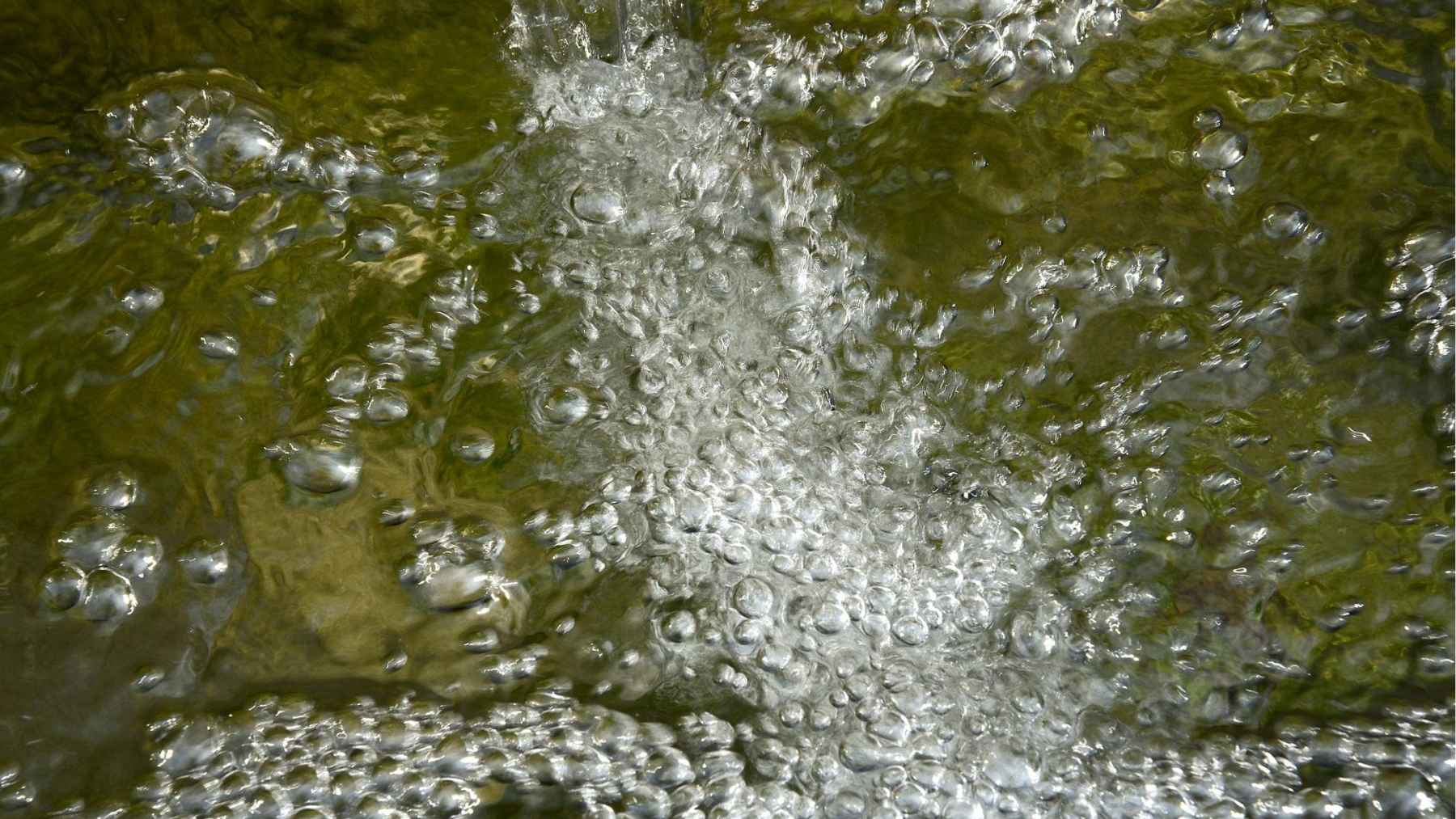
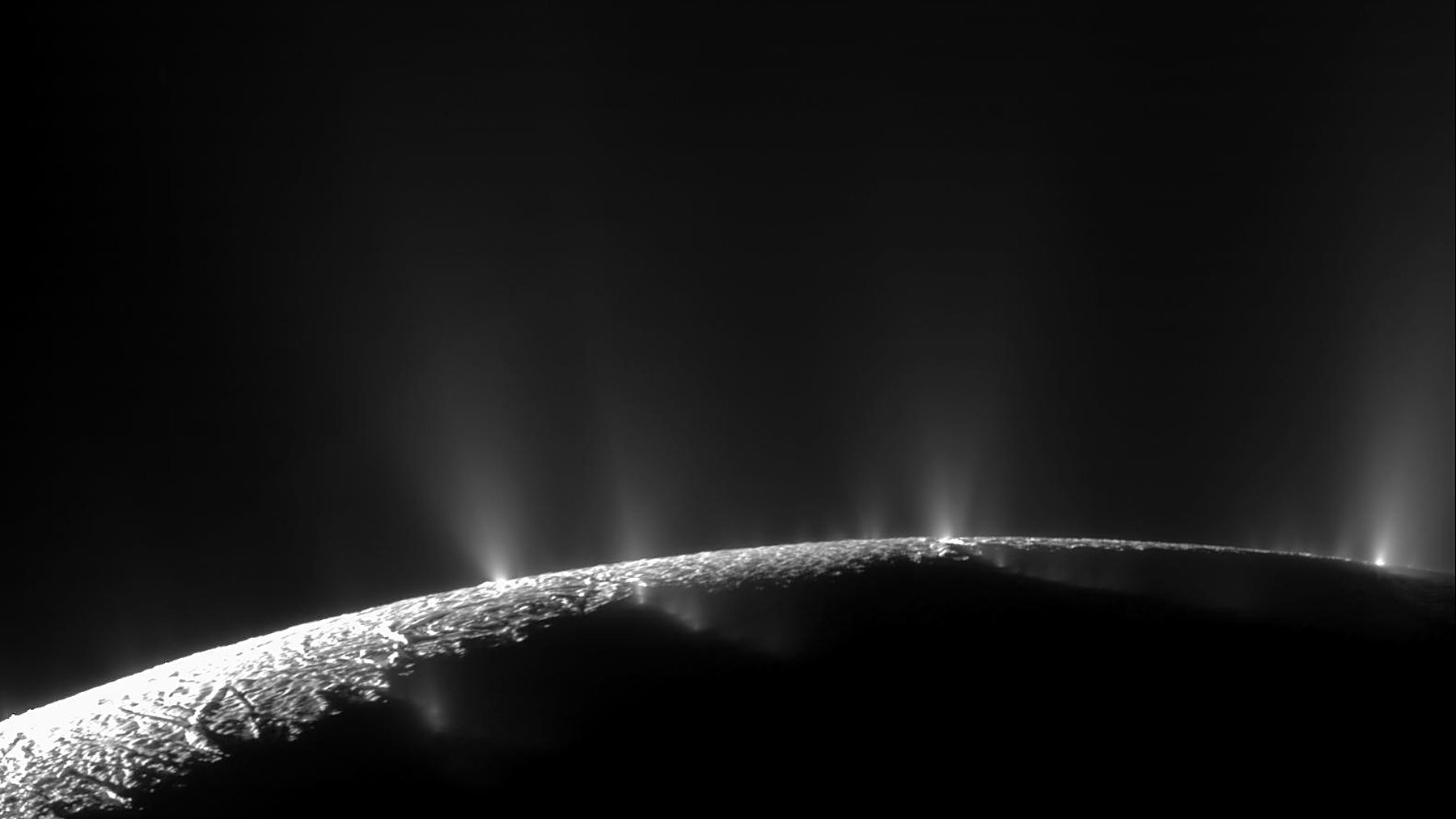
Gas bubbles rising through hot spring water linked to deep mantle helium signals.

Helium bubbling out of hot springs along Zambia’s Kafue Rift is carrying a deep-mantle signature, and researchers say it could be the first hard evidence that a 1,550-mile Southwest African Rift is waking up into a new plate boundary that could eventually split the continent

—
June 11, 2026 at 6:30 PM
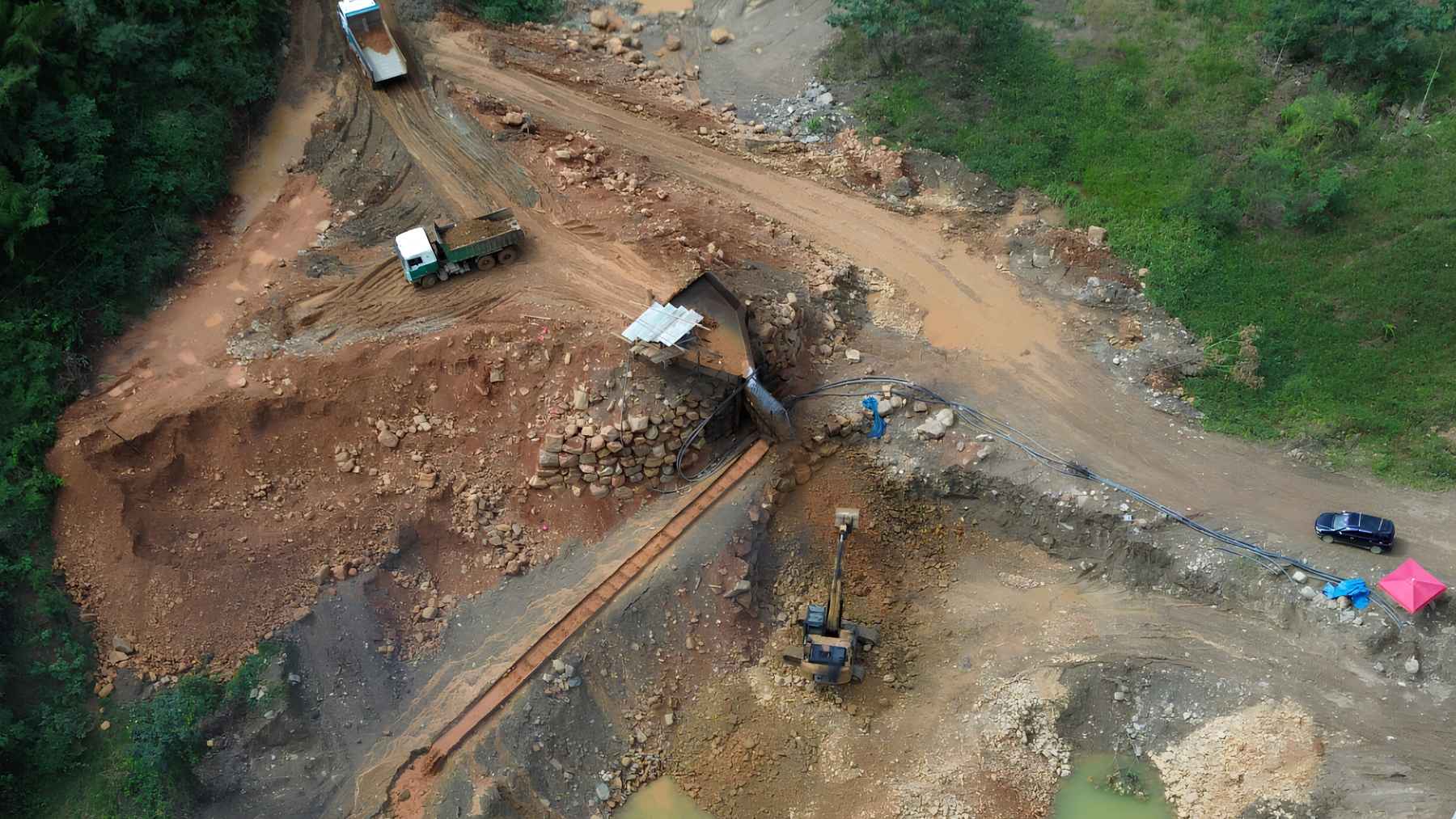
Aerial view of gold mining dredges operating in a muddy Amazon river in Bolivia, showing sediment pollution.

Bolivia moves to formalize mining permits without environmental licenses, and the plan reopens the clash between enforcement, revenue, and the ecological cost of “legalizing” the irregular

—
June 11, 2026 at 12:30 PM
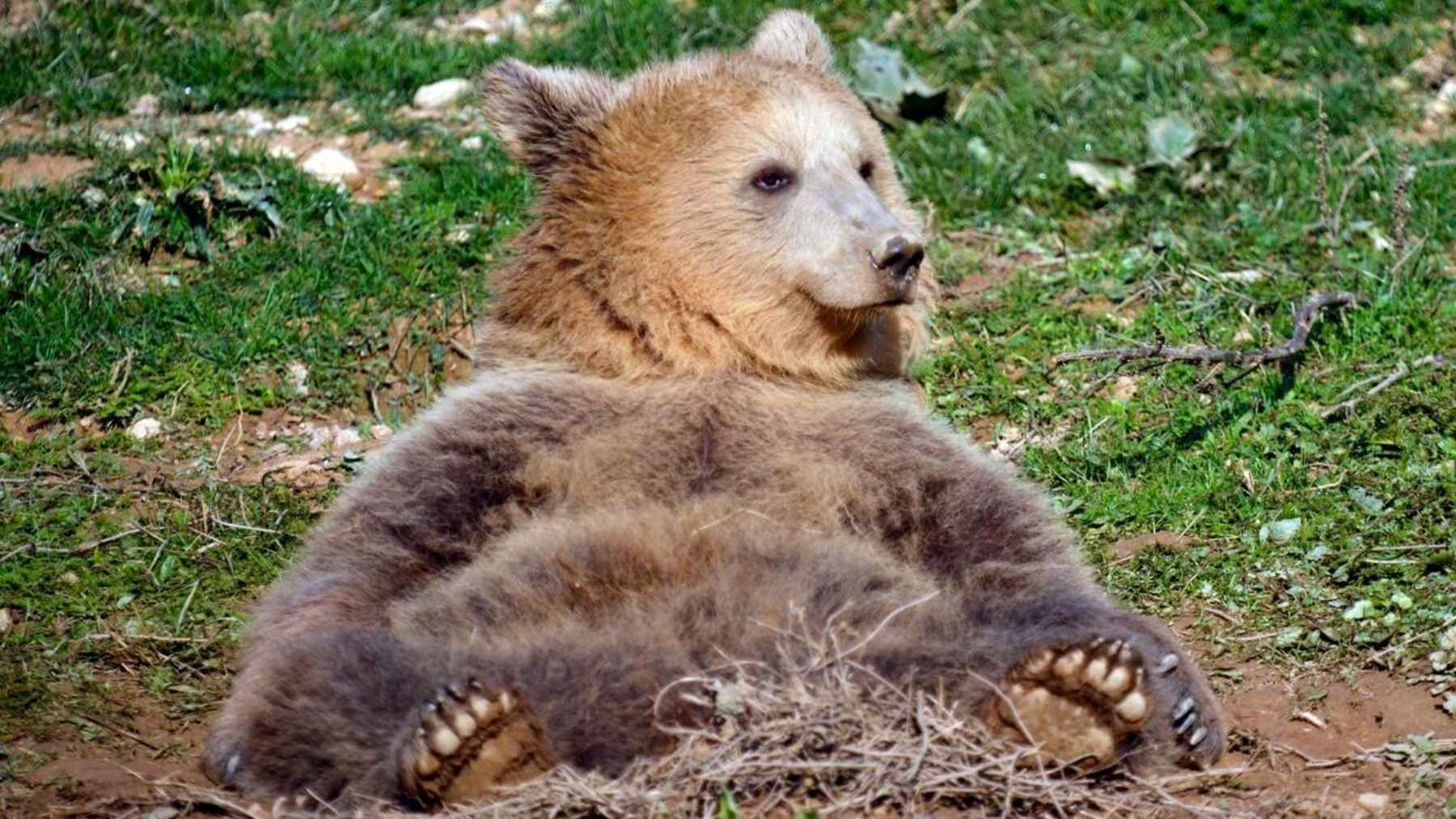
Brown bear lying on the ground in a relaxed position inside a sanctuary environment.

A bear raised in a tiny cage starts hibernating again, and the recovery shows how the body remembers an ancient instinct once it finally gets space, cold, and time

—
June 11, 2026 at 8:45 AM
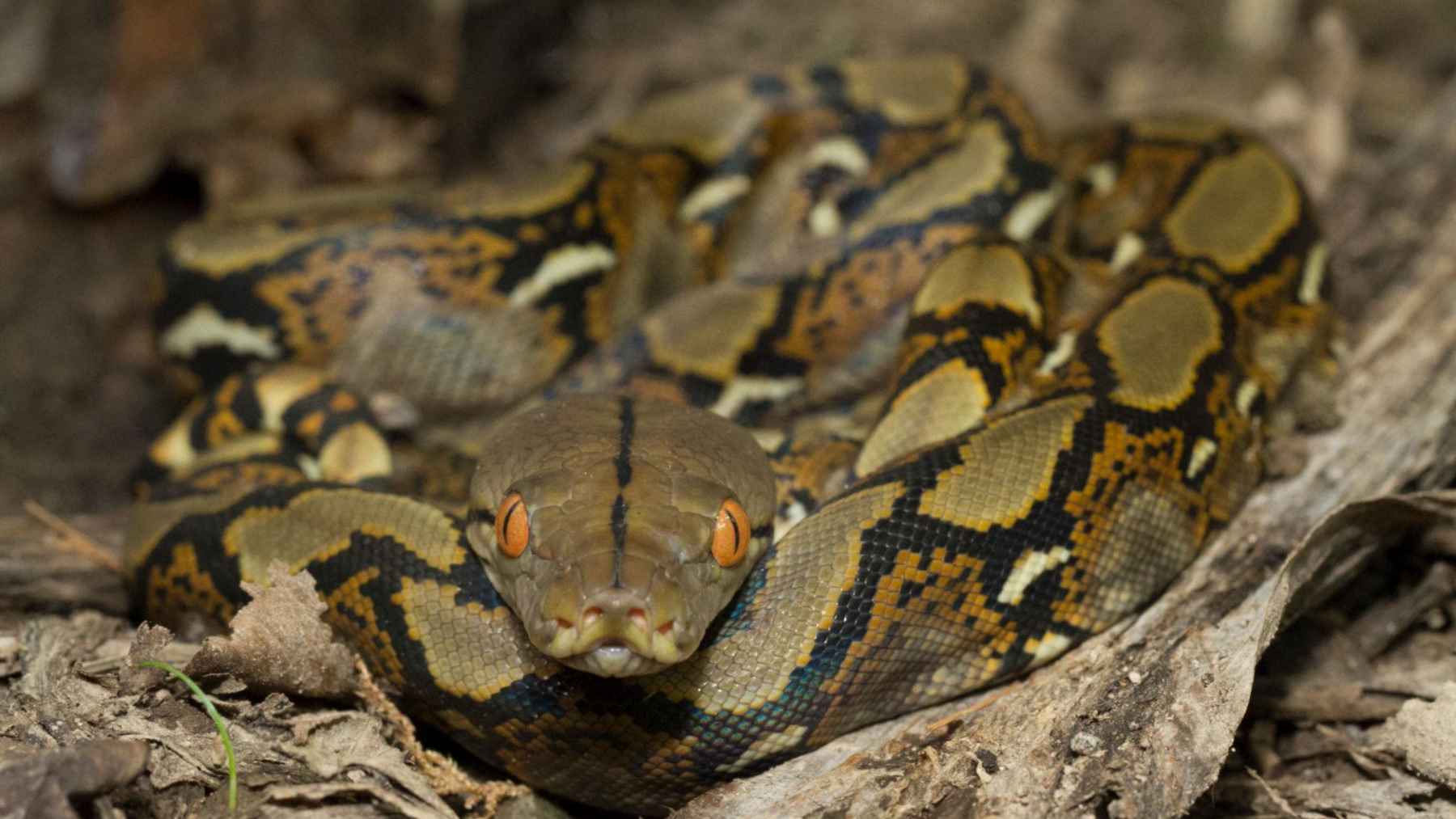
Close-up of a reticulated python showing its patterned scales and orange eyes in a forest setting.

Indonesia rescues a wild snake considered the world’s longest, and the operation exposes the tense overlap between giant wildlife and the communities that live alongside it

—
June 10, 2026 at 6:28 PM
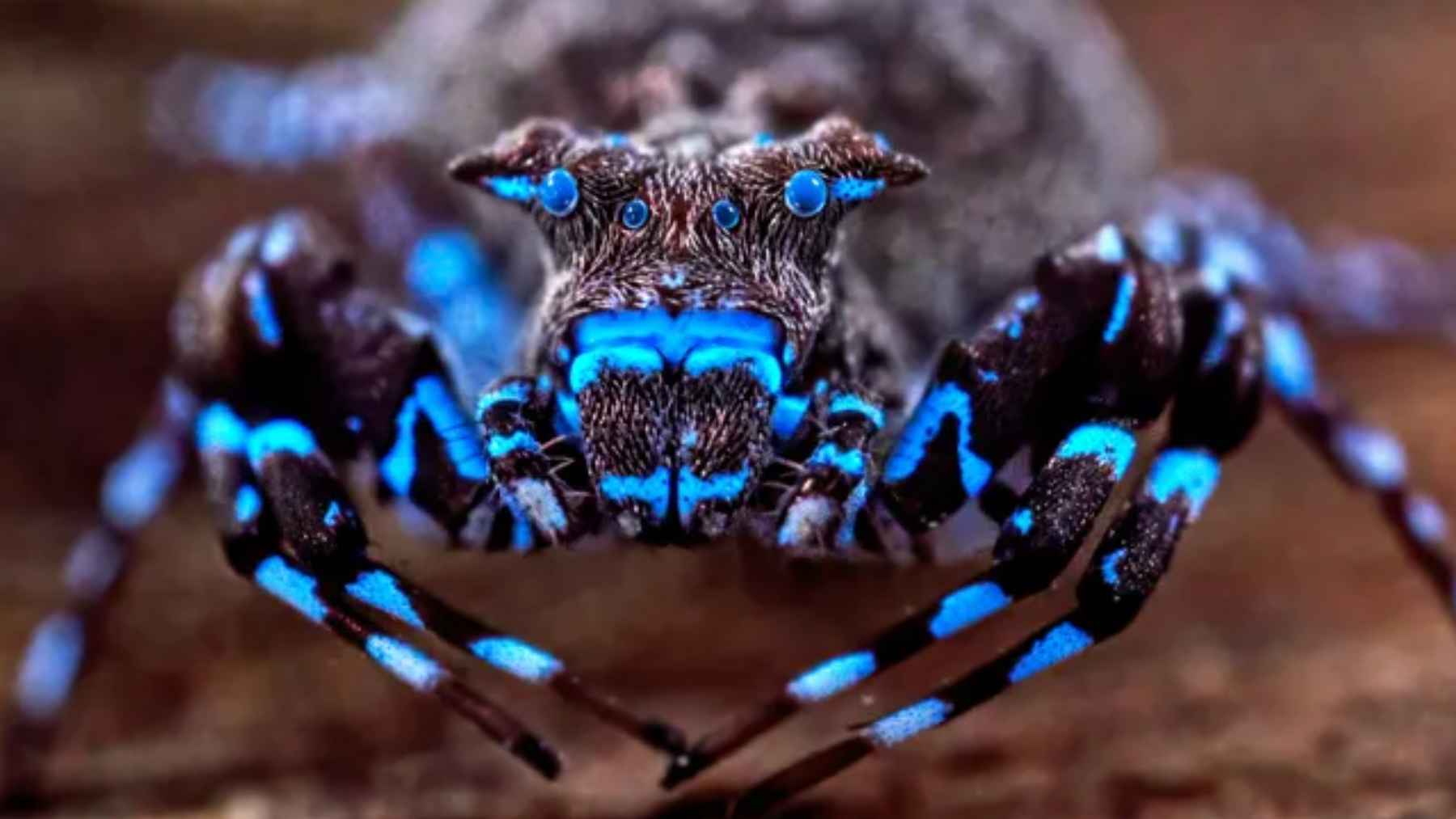
Blue-fluorescent crowned crab spider discovered during Angola Lisima Plateau biodiversity survey

An expedition conducted in Angola in February 2026 documented the presence of insects and spiders that may be new to science, with the highlight being a crowned crab spider that glows blue under ultraviolet light

—
June 10, 2026 at 12:45 PM
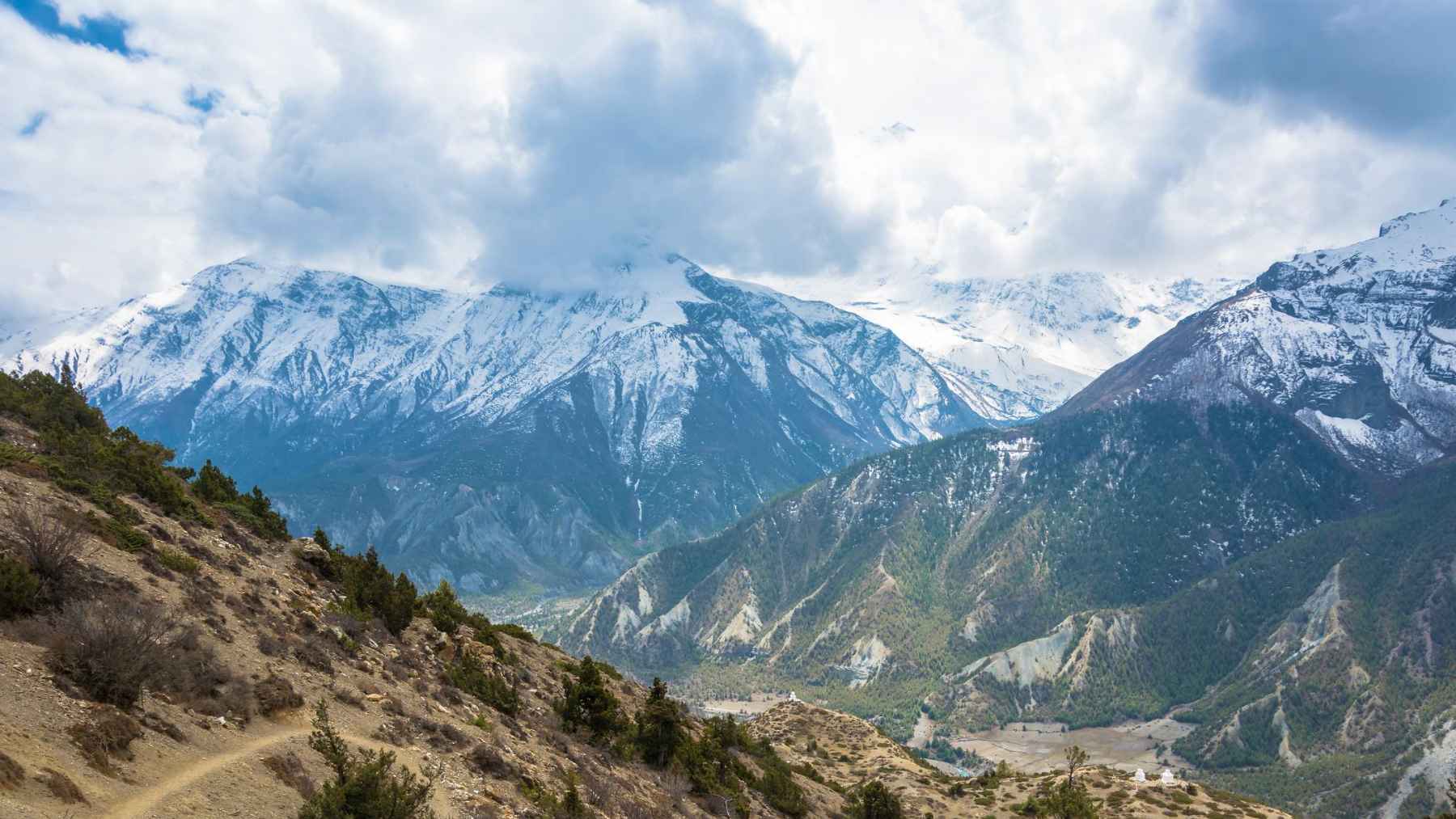
Mountain slopes in the Himalayas show sparse vegetation spreading toward higher altitudes below snow-covered peaks.

Scientists see more vegetation in the Himalayas, but it is not good news, because that extra “green” can disrupt water, snow, and high-mountain biodiversity

—
June 9, 2026 at 8:45 AM
Previous Next

ECOnews alerts

Get the most relevant environment stories as soon as we publish them

ECOnews is the English-language edition of ECOticias.com, focused on environmental and sustainability news for a global audience: mobility, energy, economy, technology, science, environment and trending stories.

© 2026 ECOnews · ECOticias.com, the green newspaper since 2004 ↑ Top