Colorful coral reef with tropical fish

Environment

Wildlife, oceans, forests, climate and conservation

In Environment, ECOnews covers wildlife and biodiversity, oceans, forests, climate change, pollution, recycling and conservation. Surprising stories from around the planet that explain how nature works and how people are changing it.
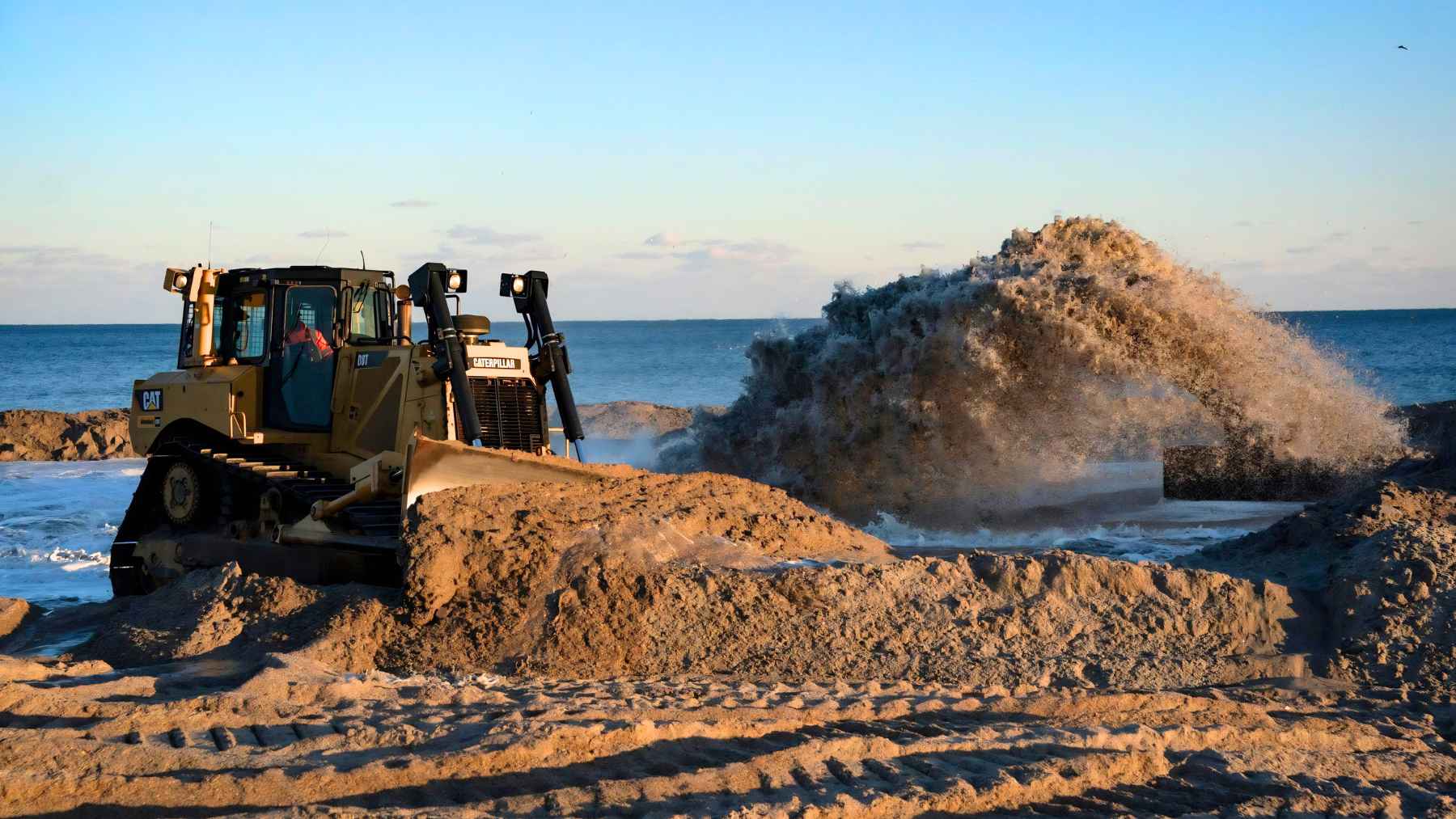
Bulldozer pushing sand on a beach as waves crash nearby, illustrating coastal restoration work in Portugal’s Algarve region.

Portugal moves about 2.2 million U.S. tons of sand in a mega-operation to save about 121 feet of Algarve beaches, and the plan shows the real cost of holding a coastline when the sea won’t negotiate

—
June 8, 2026 at 3:00 PM
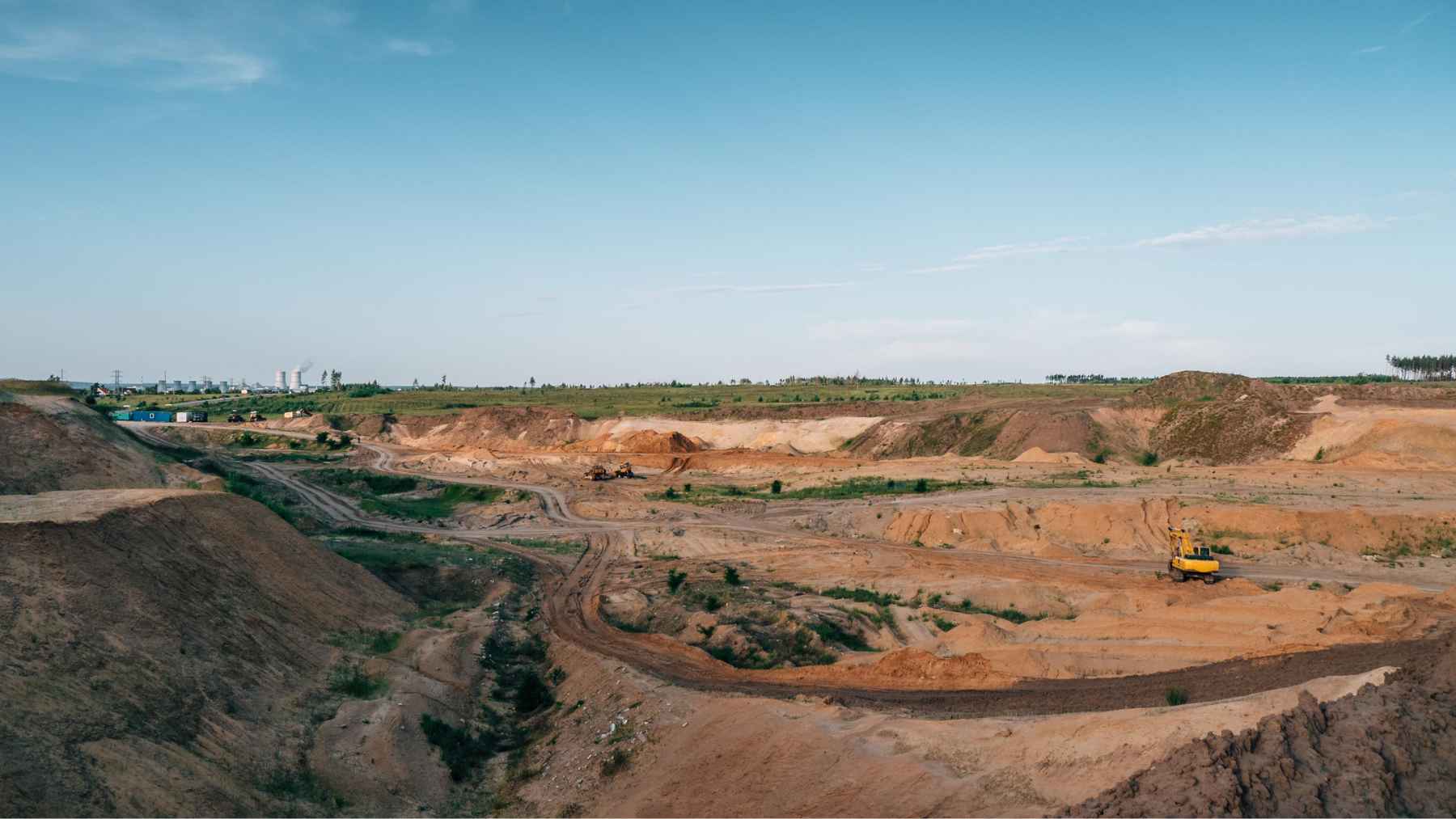
Large sand quarry with excavators extracting sand, illustrating industrial-scale sand mining linked to global shortages.

Not gold, not oil: sand, the world’s second-most used resource, is being consumed at 50 billion tons a year, and shortages are already pointing toward a global crunch

—
June 8, 2026 at 12:30 PM
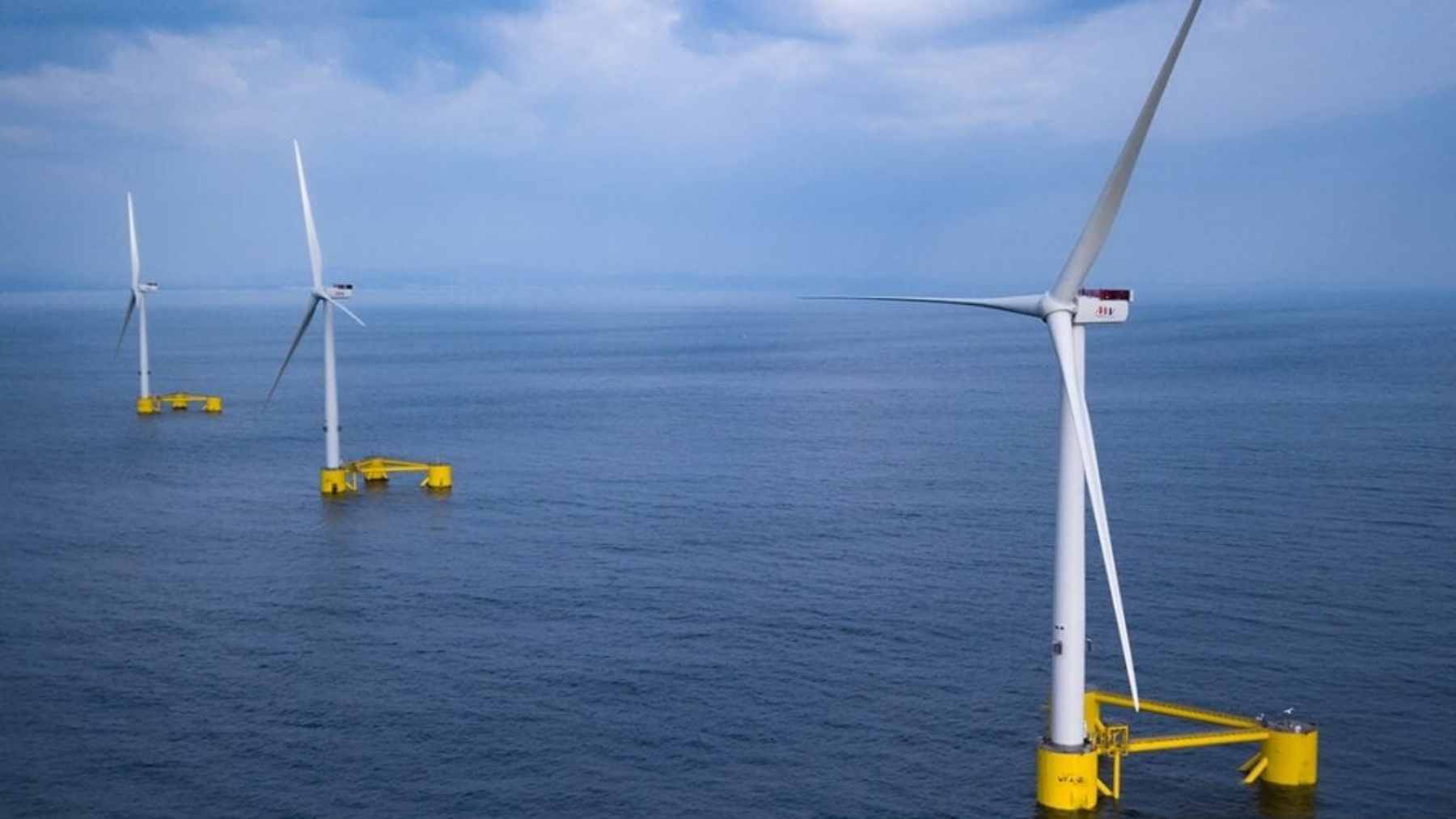
Floating wind turbine platforms at the WindFloat Atlantic project, serving as an artificial reef for marine life off the Portuguese coast.

An offshore wind farm in Portugal became a haven for octopuses and 270 other species in just eight years, a data point that reframes how energy and ocean life can coexist

—
June 8, 2026 at 8:45 AM
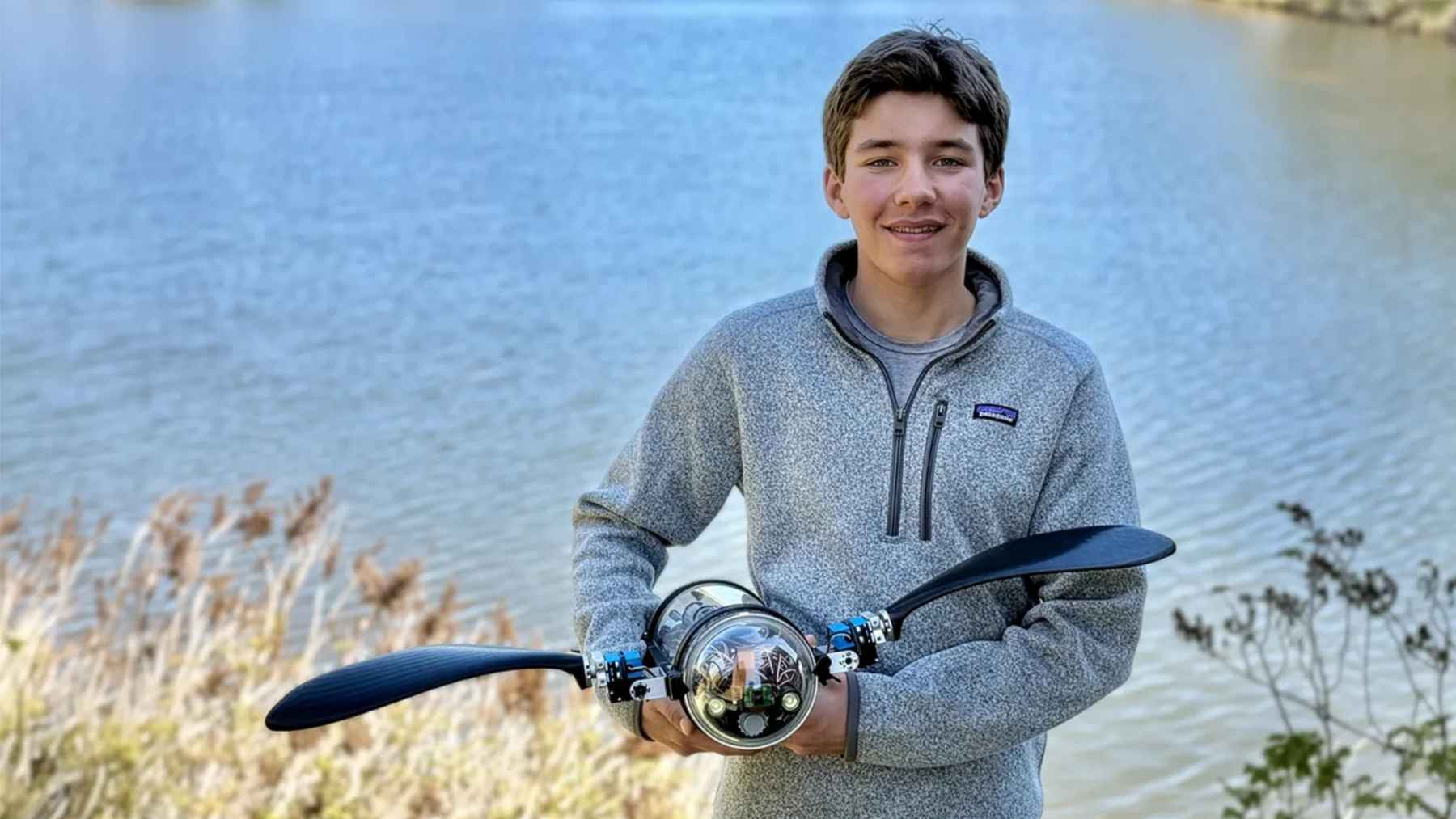
BURT, a bionic underwater robotic turtle powered by AI, designed to detect coral bleaching, invasive species, and plastic pollution.

A 15-year-old in Ontario built a bionic underwater “robot turtle” that swims like a snapping turtle instead of using loud propellers, and its onboard AI can flag coral bleaching, invasive species, and plastic waste with 96% detection accuracy

—
June 7, 2026 at 12:30 PM
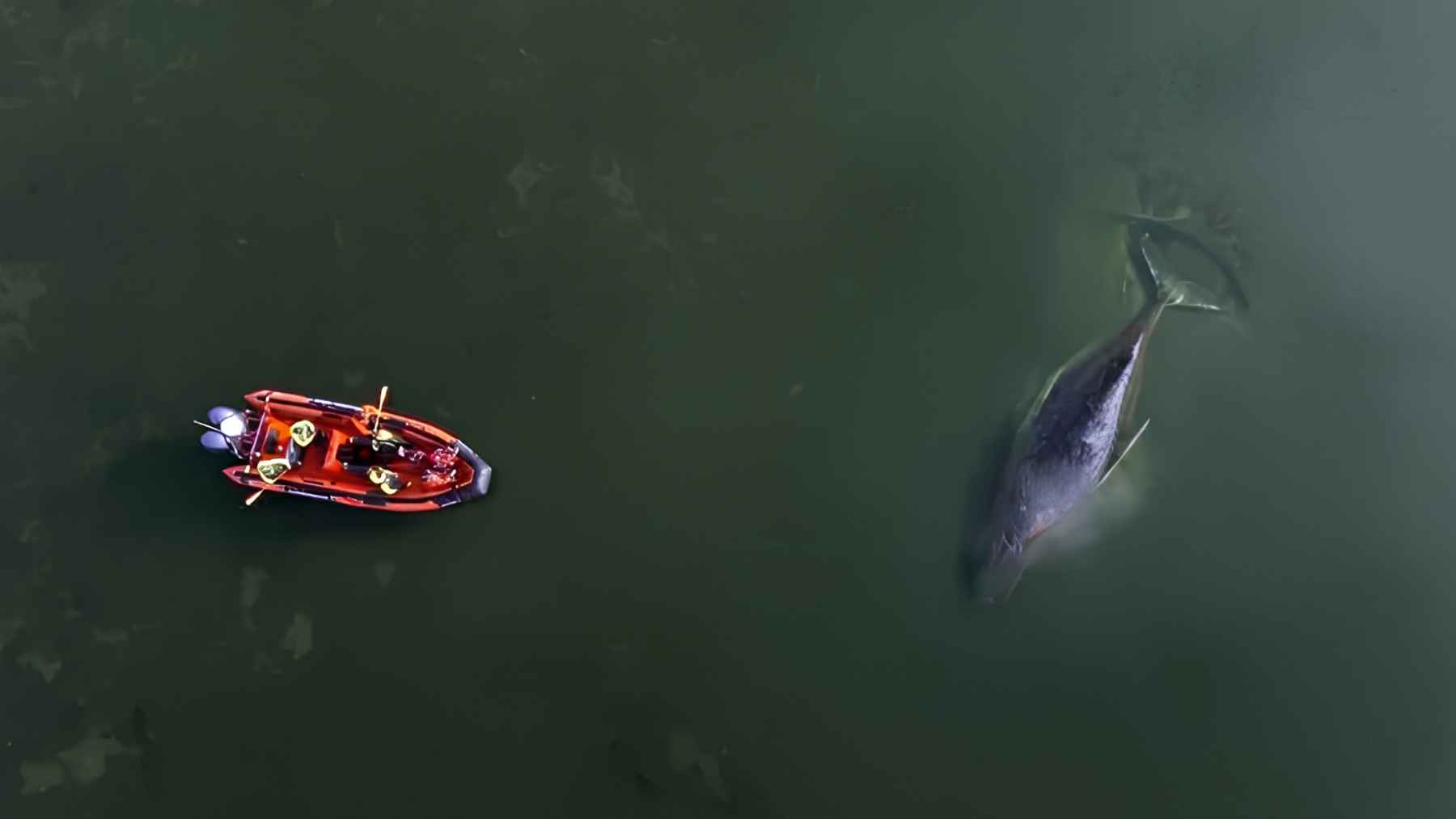
Timmy the stranded humpback whale during rescue efforts after repeated strandings in shallow Baltic Sea waters.

Germany let a last-ditch rescue try to save “Timmy,” a humpback stranded on a sandbank, and after a privately funded operation costing about $1.6 million to tow him toward the North Sea, Danish authorities confirmed the whale was found dead near Anholt

—
June 7, 2026 at 8:45 AM
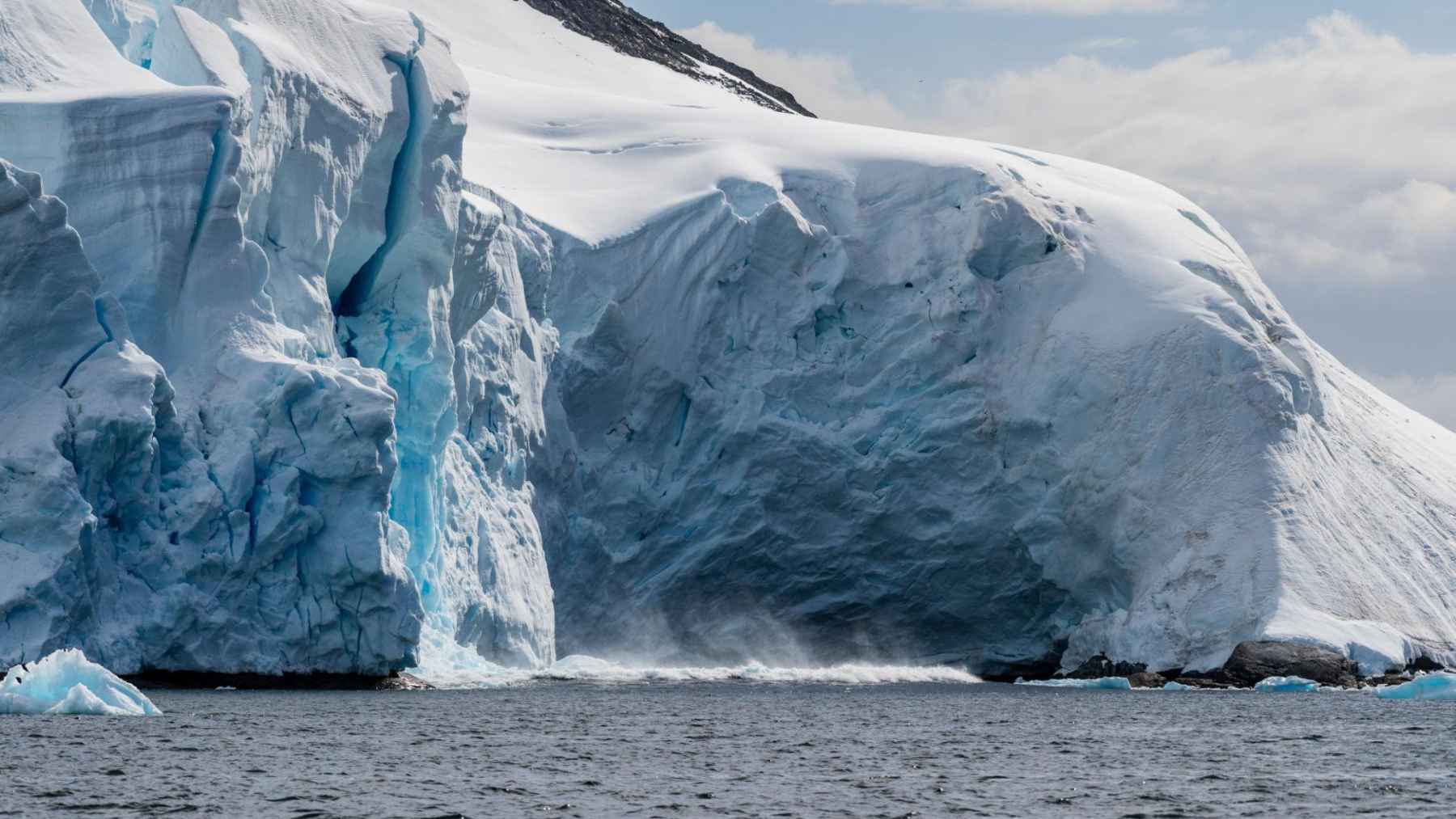
Large Antarctic glacier breaking into the ocean, illustrating ice shelf instability and melting processes.

Researchers find that the more Antarctic ice melts, the more warm water reaches the underside of ice shelves, and that feedback loop can accelerate a melt that’s hard to stop

—
June 5, 2026 at 10:15 AM
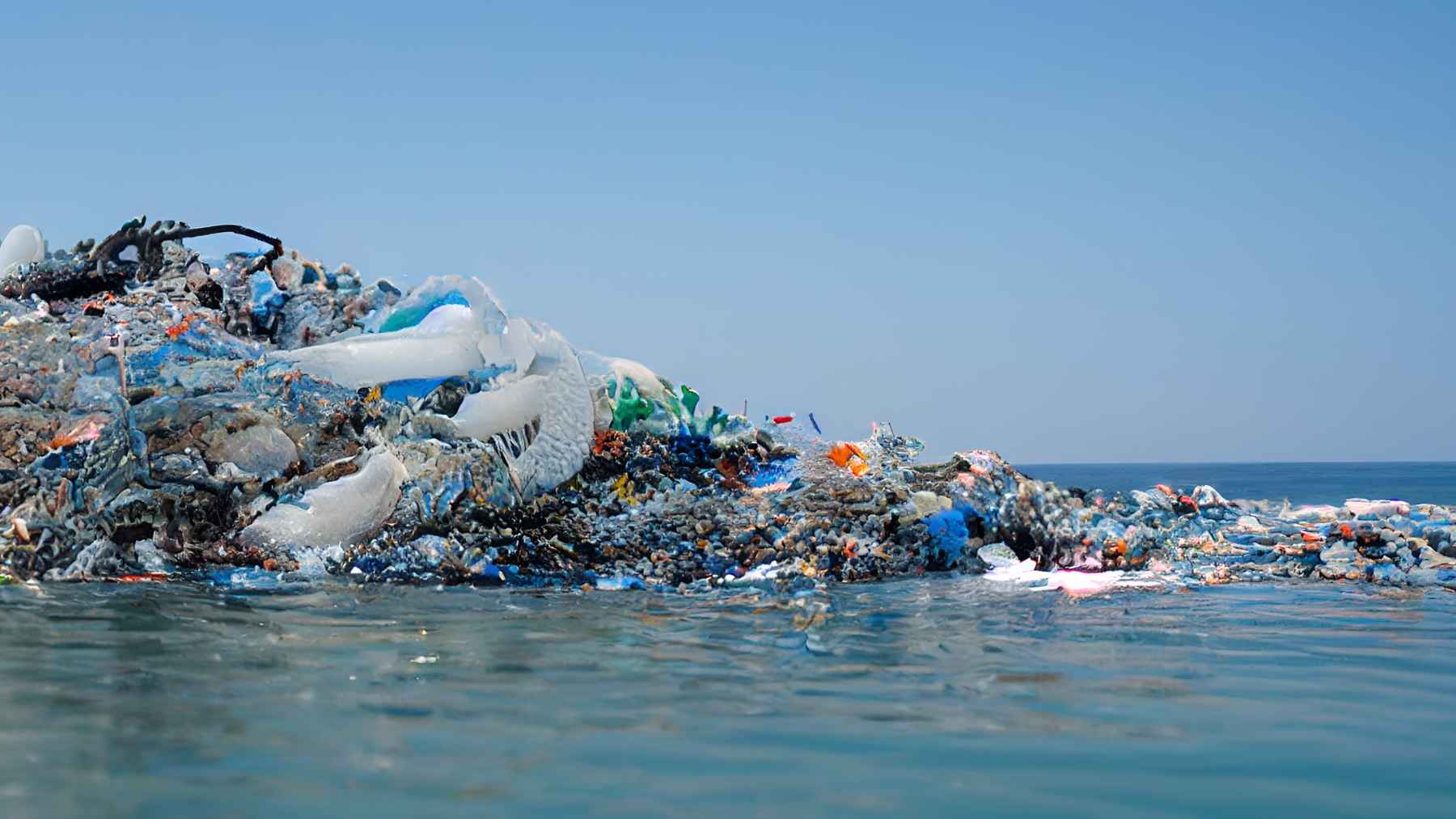
Close view of plastic debris floating in the ocean, forming clusters where marine life can attach and survive.

The Great Pacific Garbage Patch is so large it now hosts dozens of species, and the plastic “island” is turning into a new and deeply uncomfortable ecosystem

—
June 4, 2026 at 6:30 PM
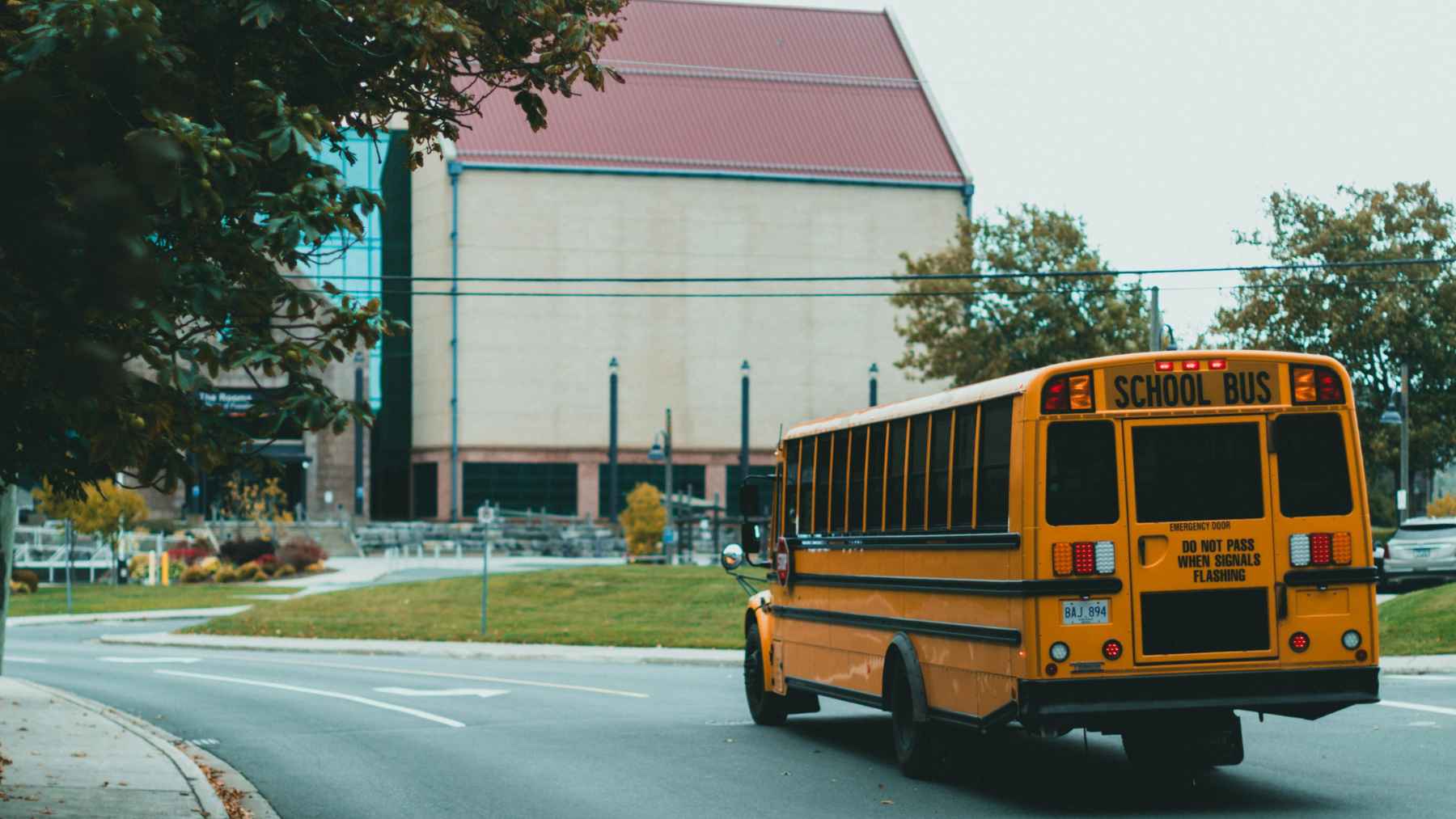
Yellow school bus parked outside a school building, representing U.S. schools where radon gas can accumulate indoors.

The EPA warns thousands of U.S. schools have high levels of radon, and the danger is that it is odorless, invisible, and seeps up from the ground

—
June 4, 2026 at 5:00 PM
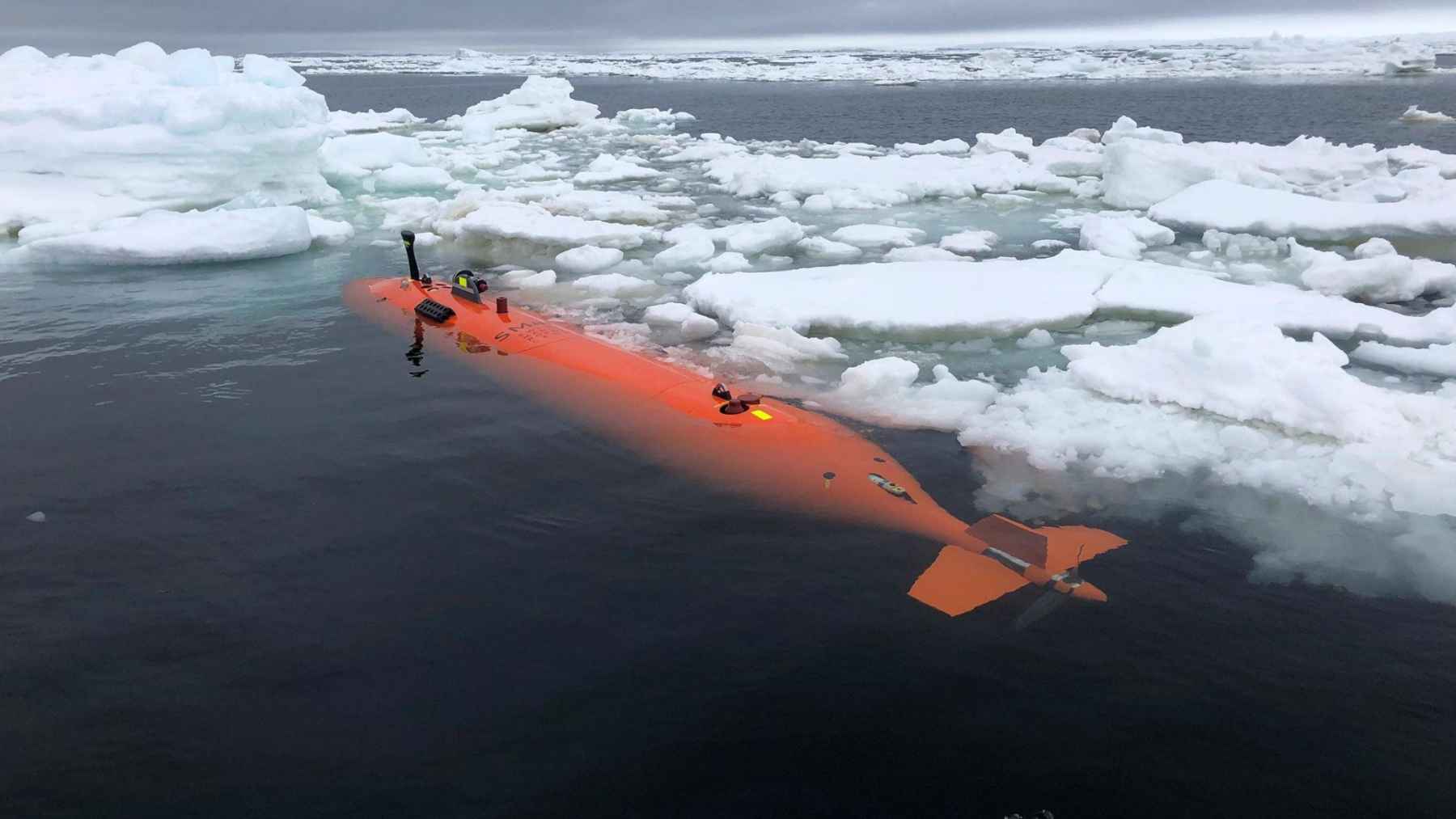
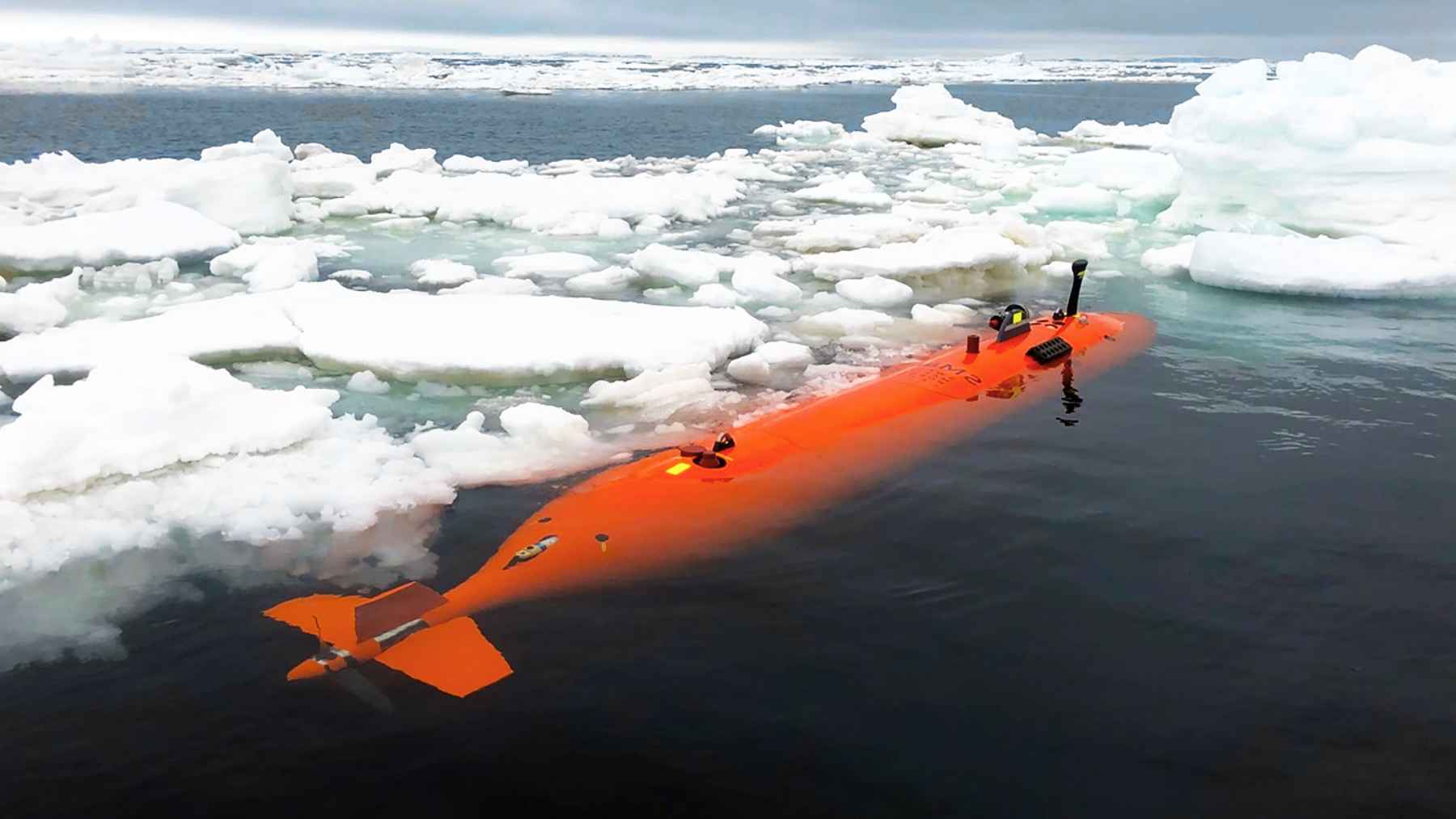
Bright orange autonomous submarine Ran floating among Antarctic sea ice during a mission near the Dotson Ice Shelf.

An Australian Navy submarine detects unknown structures beneath Antarctica’s Dotson Ice Shelf, and the find suggests the seafloor there is more active than it looks

—
June 4, 2026 at 12:40 PM
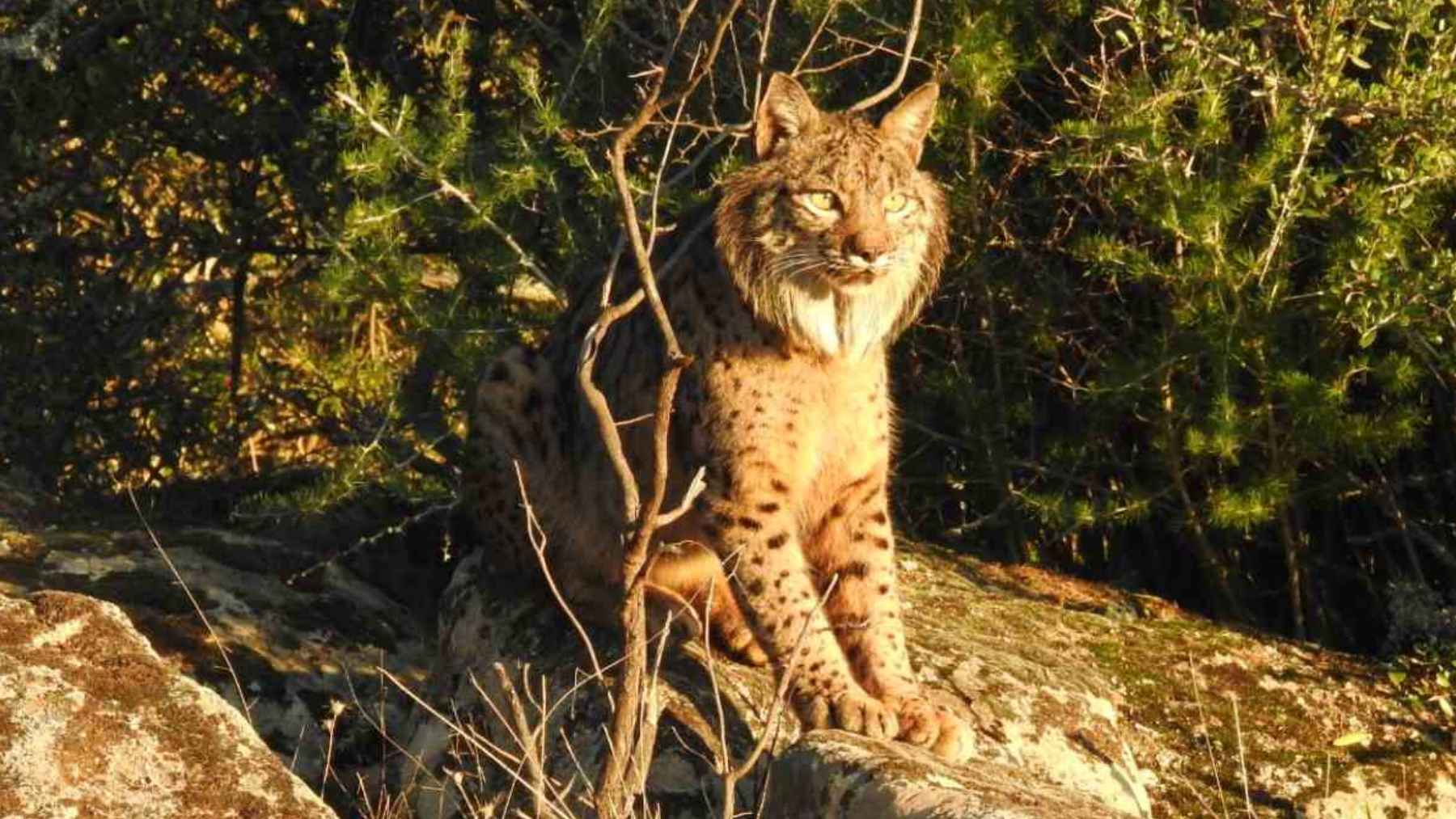
Iberian lynx in a Mediterranean habitat where researchers found the predator influences seed dispersal and forest regeneration

Iberian lynx are dispersing seeds and reshaping ecosystems in Spain, and researchers find that a top predator can also act as a gardener

—
June 4, 2026 at 8:45 AM
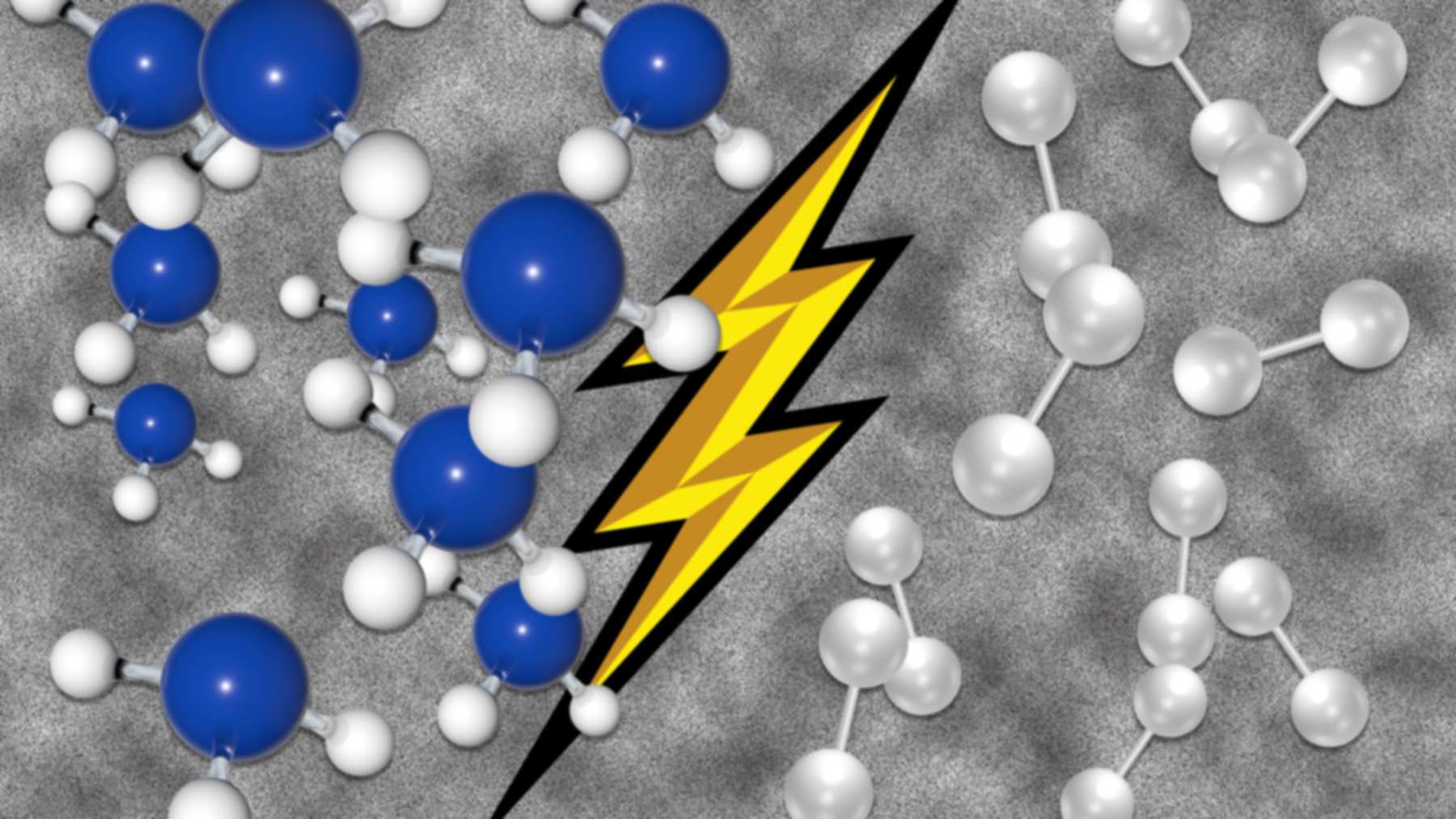
A cross-section diagram of an aquifer showing the chemical reaction between nitrate from fertilizer and naturally occurring uranium minerals.

A University of Nebraska-Lincoln study finds nitrate pollution can release uranium into US drinking water

—
June 3, 2026 at 6:30 PM
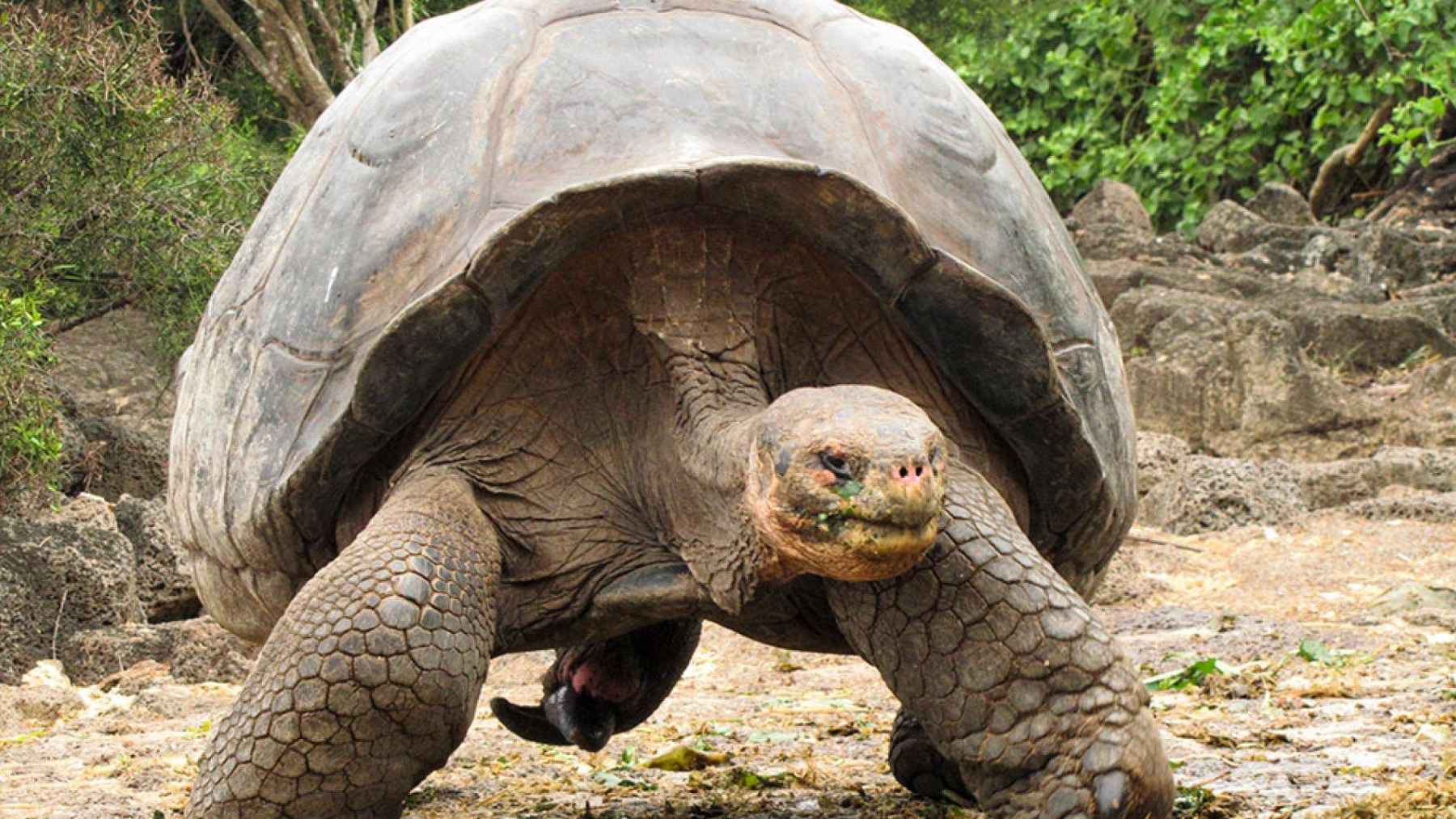
Galapagos giant tortoise walking across dry volcanic terrain in its natural island habitat.

Snipers and GPS-tagged goats are being used to save Galápagos tortoises, and the extreme strategy shows how far conservation goes when a species needs protection by force

—
June 3, 2026 at 8:45 AM
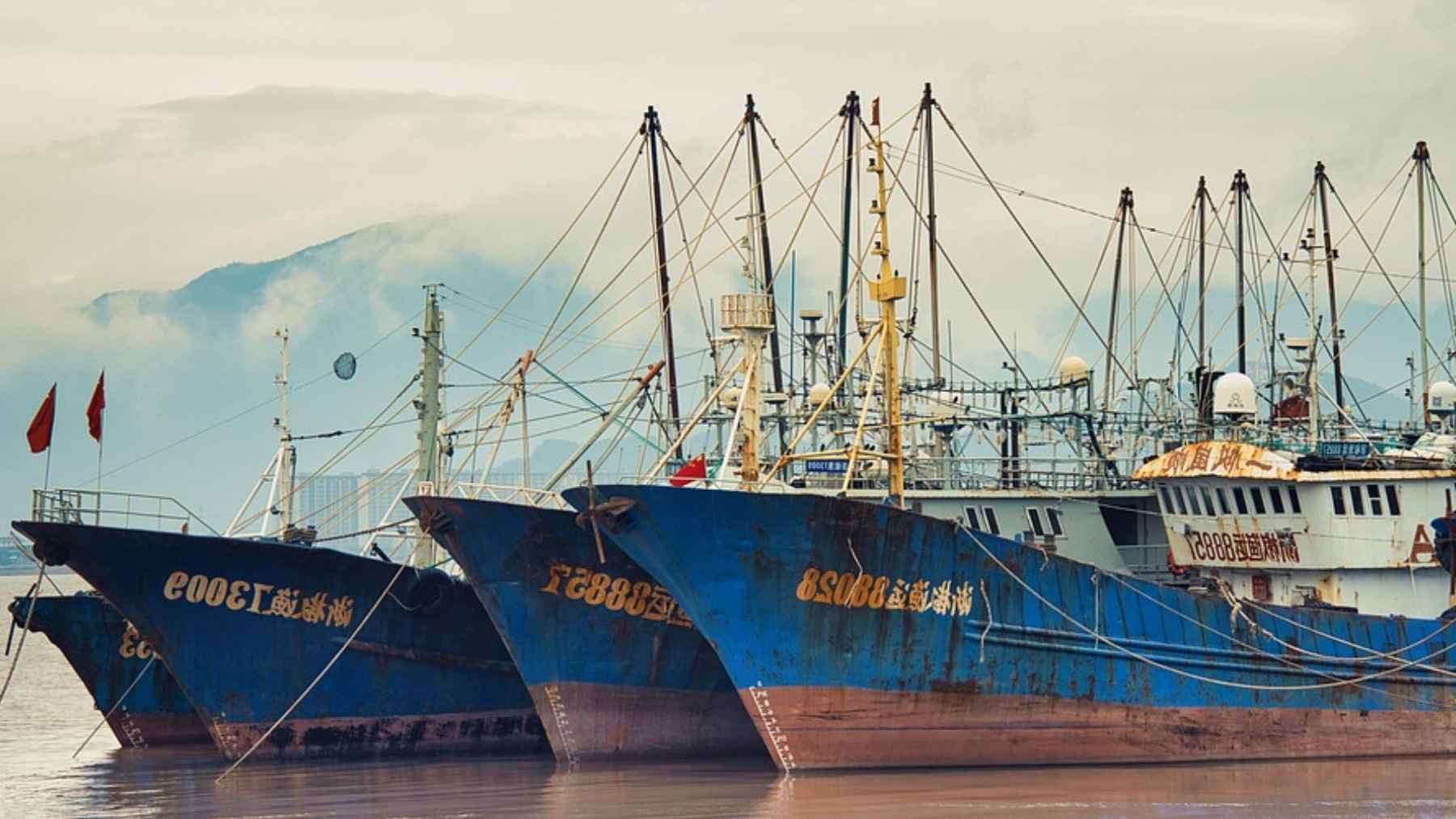
Chinese industrial fishing vessels docked as Senegal faces a deepening fisheries collapse linked to foreign fleets.

Chinese vessels are accelerating the collapse of fishing in Senegal, driving $300 million in annual losses and impacting 13 million people, a quiet crisis already hitting dinner tables

—
June 3, 2026 at 7:14 AM
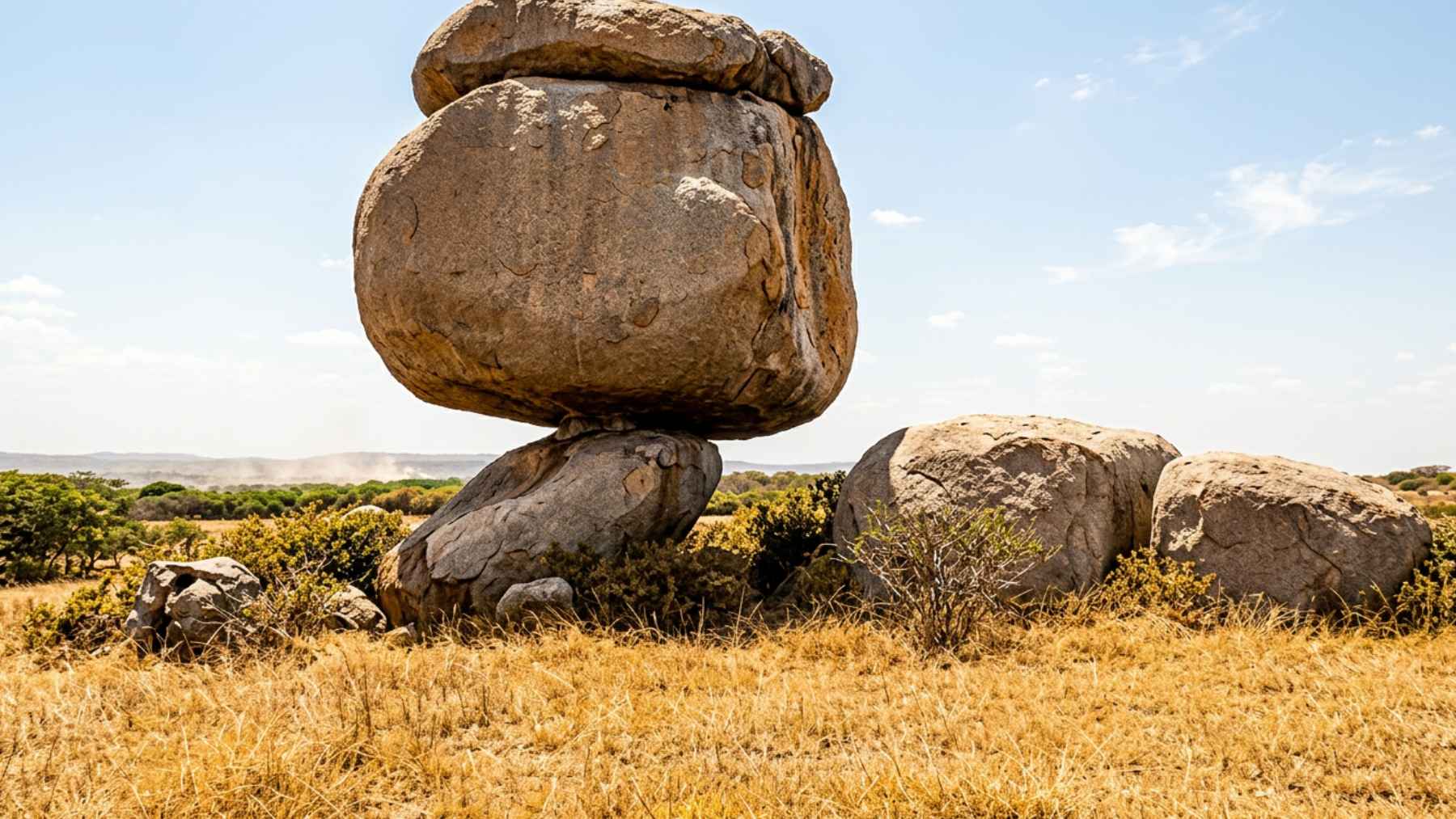
Pedra da Maravilha rock formation in Paraíba, Brazil, appearing to balance a massive boulder on a small base.

In Brazil’s Paraíba backcountry, the “Pedra da Maravilha” looks like it defies gravity on a tiny base, and the geological oddity has turned one rock into a tourism magnet

—
June 2, 2026 at 3:00 PM
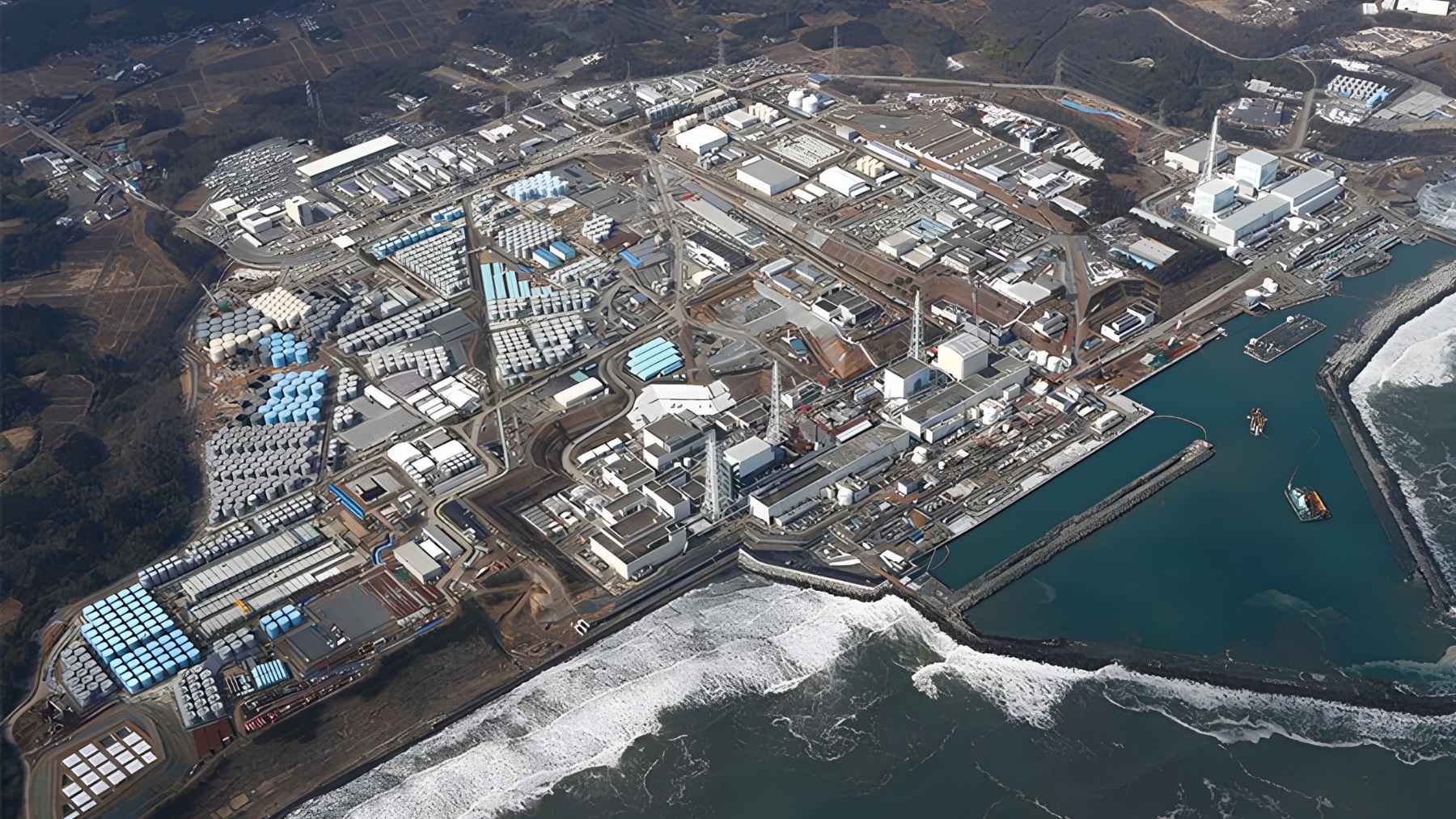
Aerial view of Fukushima Daiichi nuclear plant with rows of water storage tanks along the coast.

Japan continues releasing treated Fukushima water, and each new discharge reopens the fight between science, public trust, and fear of the invisible in the ocean

—
June 2, 2026 at 10:15 AM
Autonomous submarine Ran floats among Antarctic sea ice after mapping melt scars beneath Dotson Ice Shelf

An autonomous submarine named Ran mapped 54 square miles under Antarctica’s Dotson Ice Shelf and found plateaus, terraced “steps,” and teardrop pits carved by basal melt, then lost contact and disappeared, leaving behind data that shows why melt can concentrate in hidden fractures models often miss

—
June 2, 2026 at 9:43 AM
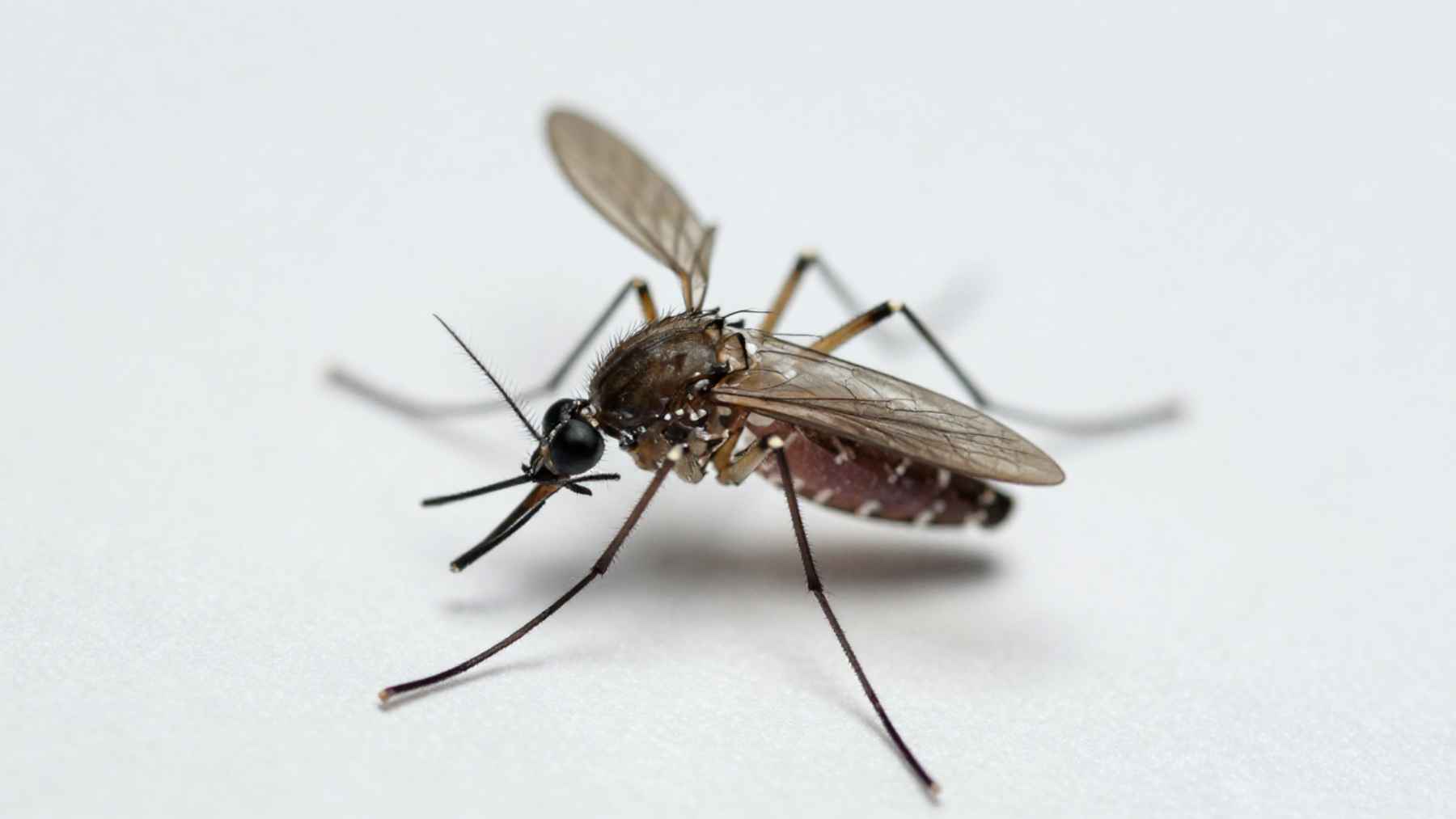
Close up of a mosquito identified as Culiseta annulata, the species recorded in Iceland for the first time.

Mosquitoes appear in Iceland for the first time, and zoologists are watching climate and standing water because a small change like this can ripple through entire ecosystems

—
June 2, 2026 at 8:45 AM
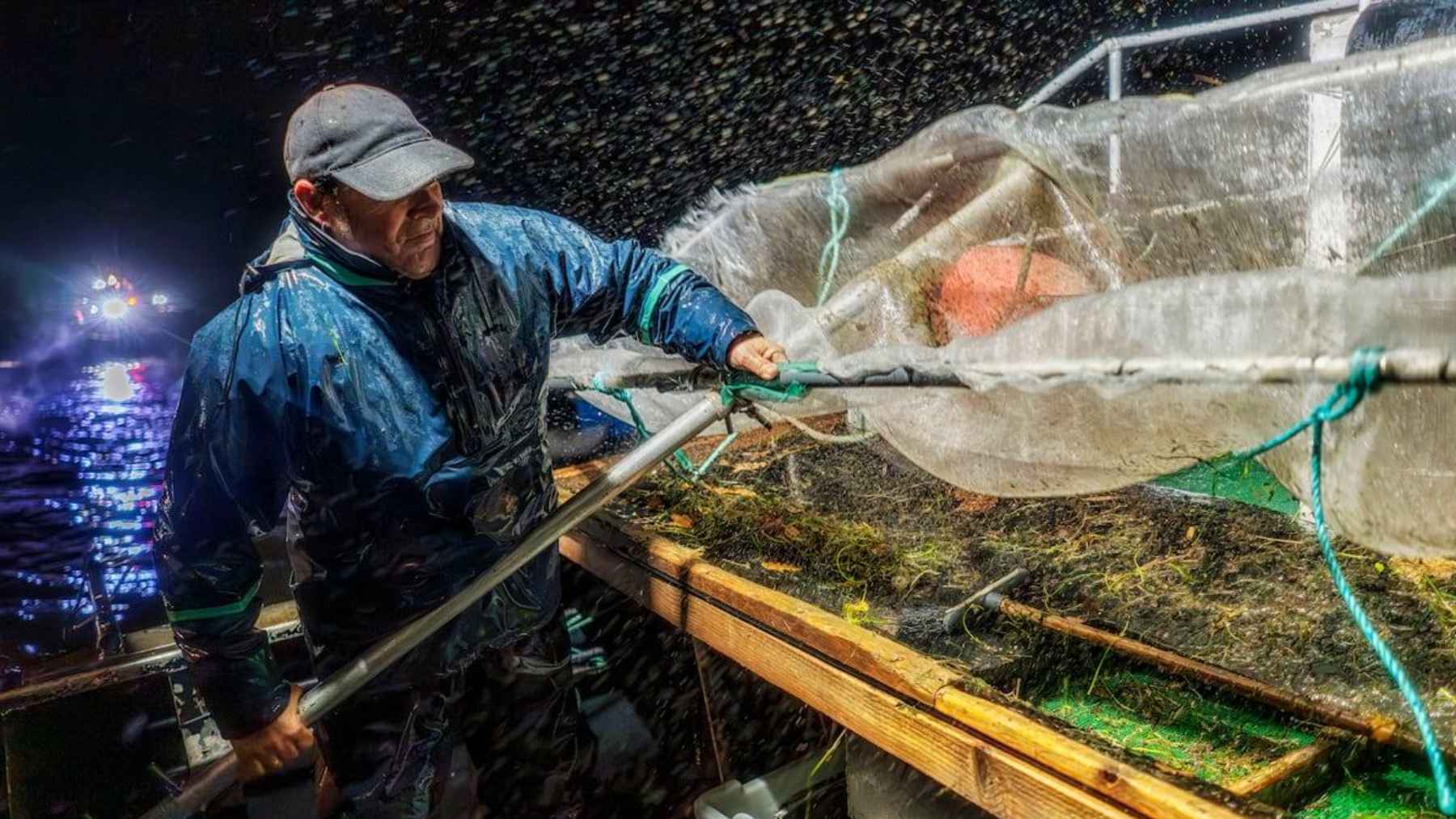
Fisherman catching eels at night using nets in a river or estuary in Spain.

Fishers in Galicia and Asturias push back against an eel-fishing proposal, and the clash blends tradition, science, and a species on the edge

—
June 1, 2026 at 5:00 PM
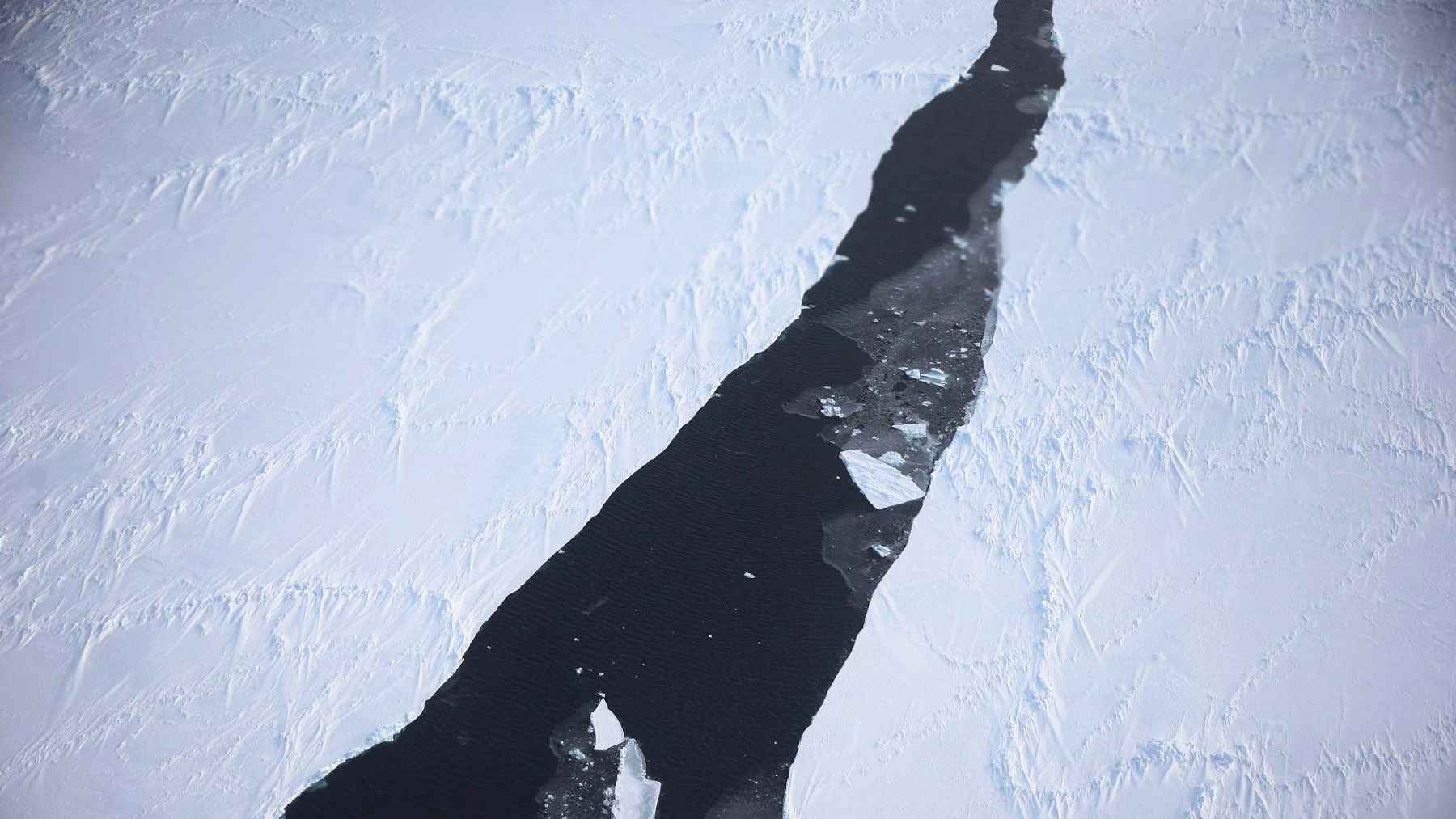
Aerial view of a large crack in Antarctic sea ice exposing dark ocean water between ice sheets.

Warm water in the Amundsen Sea is eroding the base of key West Antarctic glaciers, and Thwaites and Pine Island are becoming the ice’s most unsettling thermometer

—
June 1, 2026 at 10:45 AM
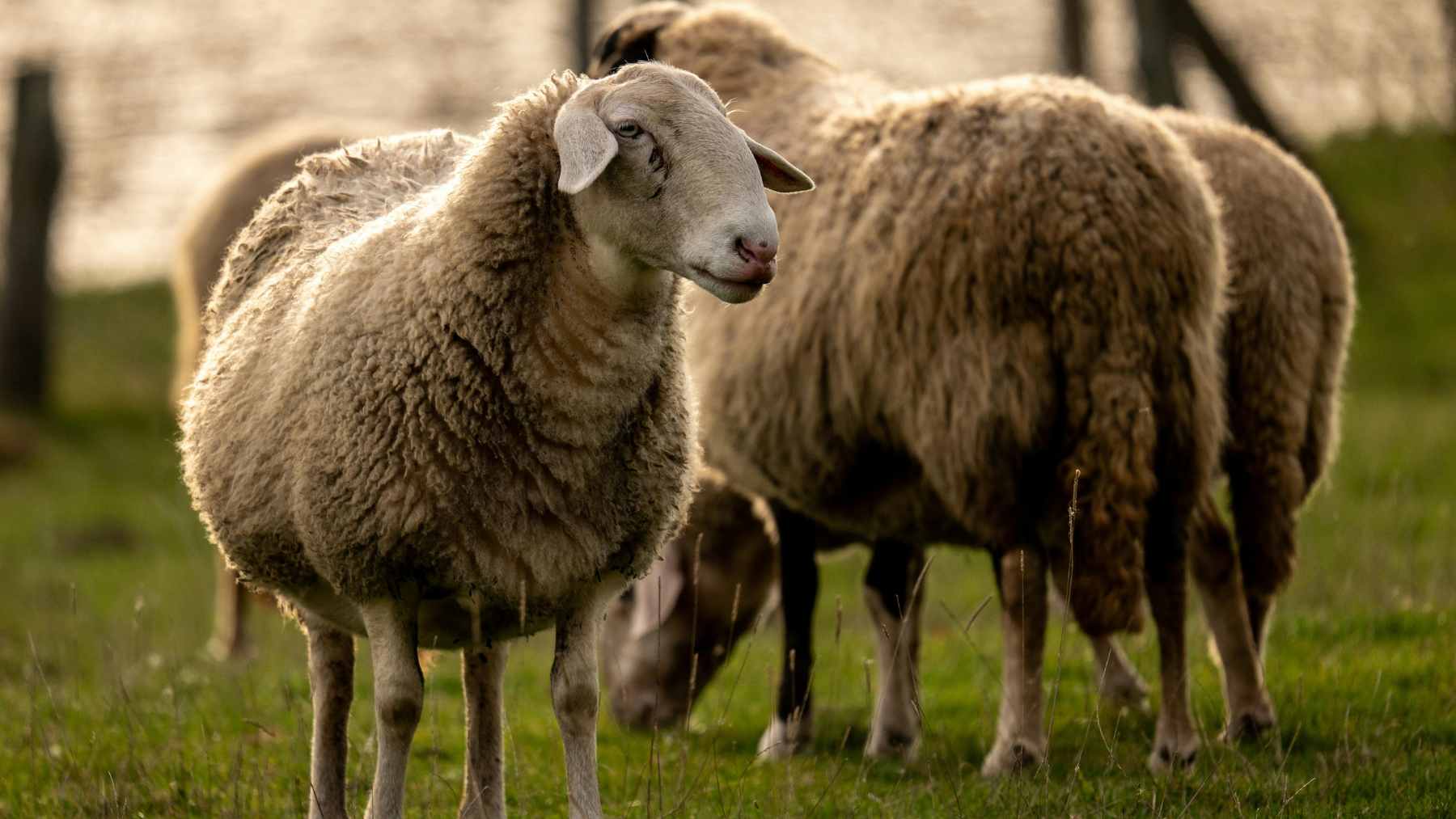
Raw sheep wool spread as protective mulch around the base of a young olive tree to retain soil moisture.

Farmers find an unexpected ally: sheep wool improves olive grove soils and could help them withstand drought without chemicals or major construction

—
May 31, 2026 at 10:15 AM
Previous Next

ECOnews alerts

Get the most relevant environment stories as soon as we publish them

ECOnews is the English-language edition of ECOticias.com, focused on environmental and sustainability news for a global audience: mobility, energy, economy, technology, science, environment and trending stories.

© 2026 ECOnews · ECOticias.com, the green newspaper since 2004 ↑ Top