Have you ever walked past a construction site and thought about the grains inside all that concrete? Probably not. Yet the sand behind roads, seawalls, windows, chips, and solar panels is now at the center of a new warning from the United Nations Environment Programme (UNEP).
The concern is not that every beach is about to disappear tomorrow. The problem is scale. UNEP says the world uses about 50 billion metric tons of sand a year, or roughly 55 billion U.S. tons, and demand for buildings alone could rise by as much as 45 percent by 2060.
The invisible resource
Sand is easy to overlook because it feels endless. It sits in rivers, deltas, dunes, beaches, and seafloors, quietly doing work most people never notice.
But modern life is built on it. Sand helps make concrete for homes, asphalt for roads, glass for windows, land reclamation for coastal cities, and key materials used across infrastructure and the energy transition. That makes sand the most extracted solid material on Earth and, after water, one of the most heavily used natural resources.
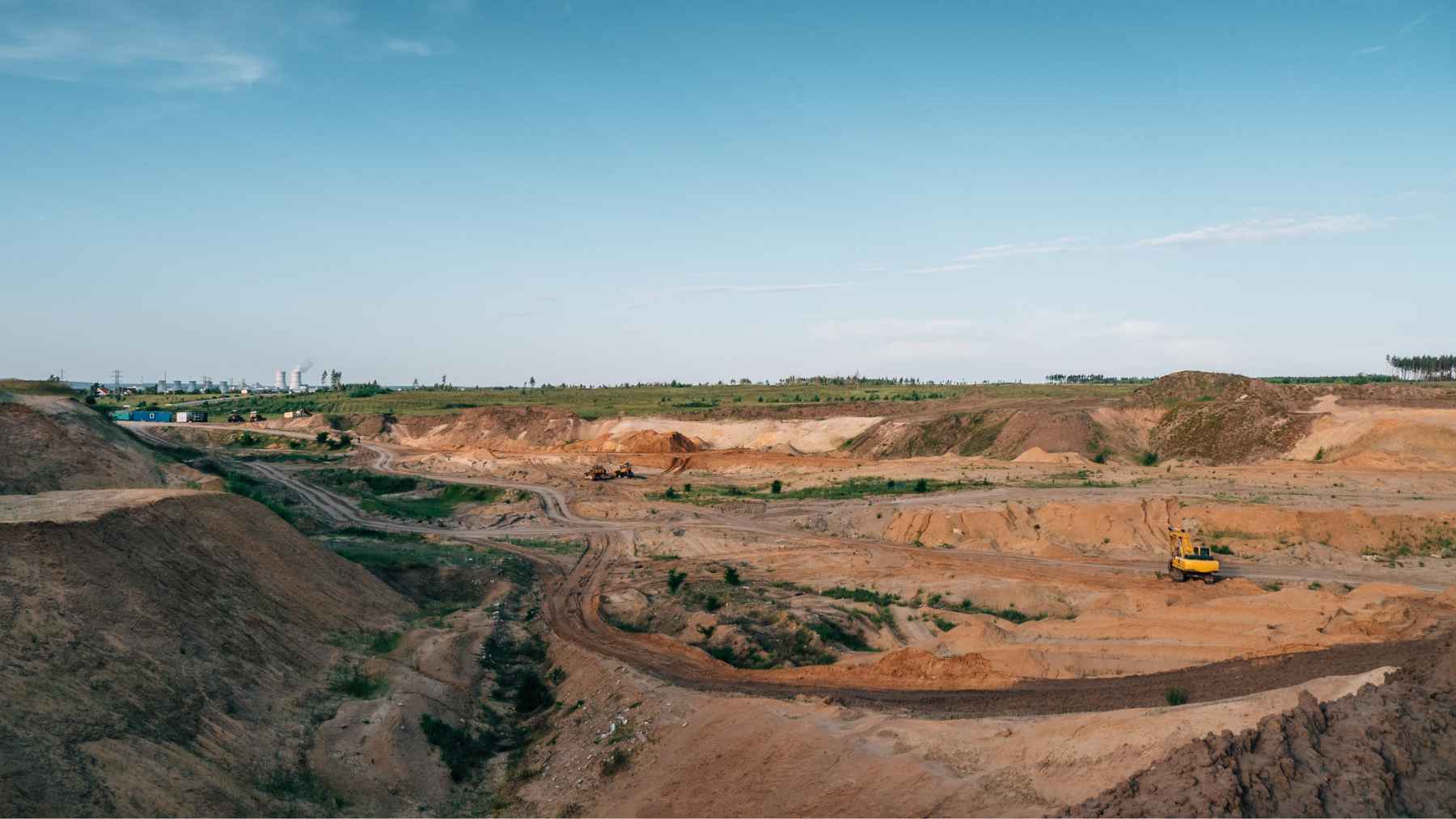
Now the strain is becoming harder to ignore. UNEP’s latest report describes a growing “sand gap,” where demand is outpacing sustainable supply and extraction is happening faster than nature can replace it through slow geological processes. That is where the risk begins.
Dead sand and living sand
Here is where things get tricky. Once sand is dug up and turned into concrete, asphalt, or glass, UNEP describes it as effectively lost from natural systems. It becomes useful, but in another form.
Left alone, sand is not just scenery. It filters water, helps regulate rivers, protects shorelines from erosion and storm surges, shields coastal aquifers from saltwater, and supports habitats for fish, turtles, birds, crabs, and countless smaller species. In practical terms, it can be a quiet piece of climate defense.
Pascal Peduzzi, director of UNEP/GRID-Geneva, said sand is sometimes treated as the “unrecognized hero of development,” while its role in natural services remains even more overlooked. That single idea captures the dilemma. We need sand for cities, but ecosystems need it too.
The Maldives warning
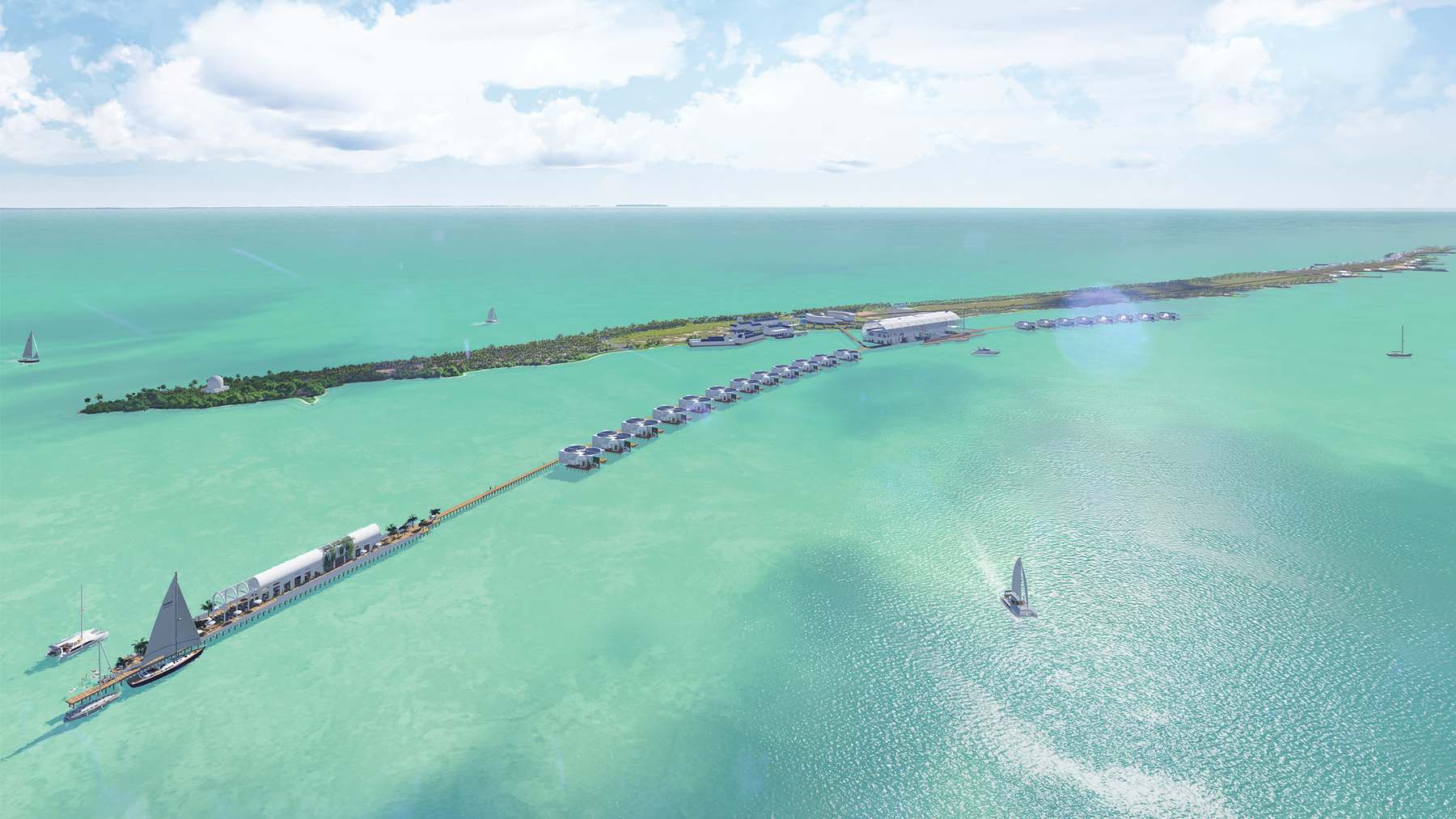
Malé, the capital of the Maldives, shows why this is not a simple story of good or bad development. The country is deeply exposed to rising seas, with more than 80 percent of its islands standing less than 3.3 feet above sea level, so finding more room for people is not just a political wish list.
The Gulhifalhu land reclamation project was meant to create space near the crowded capital. According to reporting on the UNEP findings, the plan required dredging 24.5 million cubic meters of sand, about 32 million cubic yards, from 5.3 square miles of northern Malé Atoll to fill a lagoon of about 475 acres.
The cost was heavy. UNEP said the project destroyed about 200 hectares, nearly 500 acres, of coral reef and lagoon habitat, including marine protected areas. For fishers, tourism workers, and families who depend on reef systems, that is not an abstract loss.
Why the rules matter
This is the uncomfortable part. Many countries need more housing, safer coastlines, and stronger infrastructure, especially as climate pressure grows. Anyone who has sat beside a noisy roadwork site or watched a new apartment block rise knows the demand is real.
But extracting sand from rivers and coastal areas can set off consequences that are hard to reverse. UNEP warns that it can drive erosion, weaken storm protection, increase the salinization of coastal aquifers, and damage biodiversity. The trouble is, sand often moves through legal systems as if it were just another construction input.
UNEP’s Marine Sand Watch data adds another layer. About half of dredging companies are operating within Marine Protected Areas, accounting for 15 percent of dredged volume. A protected area does not mean much if the seafloor is still being scraped away.
What happens next
UNEP is not calling for the world to stop building. Instead, it is asking governments and industry to treat sand as a strategic resource, not a cheap background material that can be taken endlessly. That means better maps, stronger monitoring, transparent permits, and planning that weighs both development and ecosystem value.
There are also practical alternatives on the table. Earlier UNEP recommendations pointed to recycled building materials, crushed rock, “ore-sand” from mining, and legal changes that would make extraction more responsible. None of these is a magic fix, but together they could ease pressure on rivers, beaches, and reefs.
At the end of the day, sand is the quiet foundation under modern life. The question now is whether we keep treating it as invisible, or start managing it like the essential resource it has always been.
The official statement was published on UNEP.