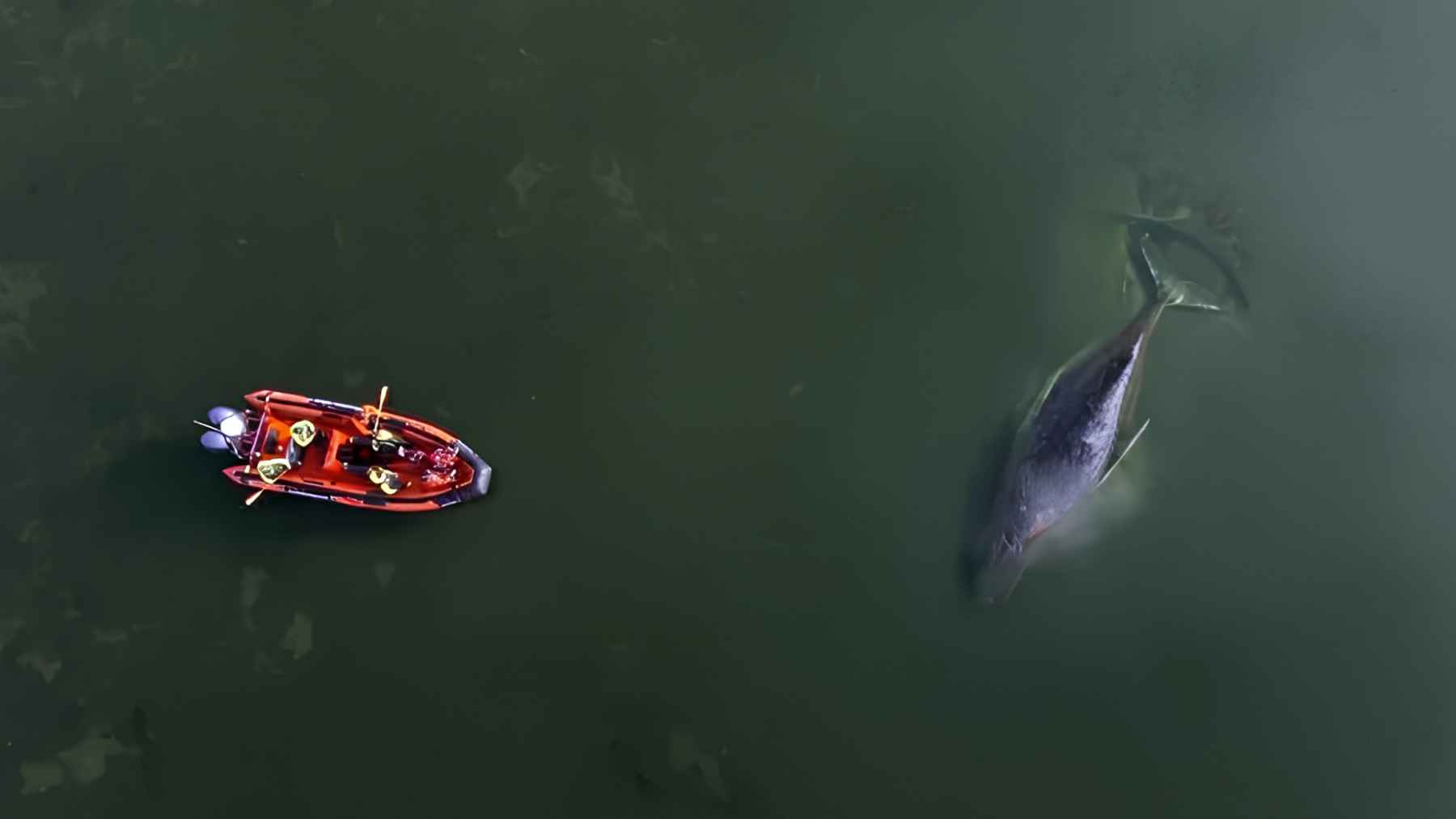
Timmy, the young humpback whale whose weeks-long struggle gripped Germany, has been confirmed dead near the Danish island of Anholt. The finding turned a dramatic rescue into a harder question. When a whale is badly hurt and trapped, is one last attempt to save it compassion or more suffering?
German officials defended the privately funded mission, saying it gave the animal a final chance after repeated strandings in shallow Baltic waters. Marine specialists had warned that the humpback was badly weakened and unlikely to survive. That clash between public hope and animal welfare is now at the heart of the story.
A rescue that ended in grief
Danish authorities confirmed on May 16 that the whale found dead near Anholt was Timmy, the same animal previously stranded in Germany. Jane Hansen, a division head at the Danish Environmental Protection Agency, said the identity was confirmed after a tracking device attached to the whale was found.
The island sits in the Kattegat, the sea passage between Denmark and Sweden.
The operation had moved Timmy away from the German sandbanks and into a water-filled barge, which was pulled by a tugboat from Wismar Bay toward deeper water off Denmark. Reports put the cost at about $1.6 million, a striking figure for a rescue that could never offer a guarantee. At first, there were hopes after the whale swam away.
Why experts warned against it
The International Whaling Commission’s Strandings Expert Panel said repeated intervention had not led to a sustained recovery. It warned that further handling could mean more disturbance and stress, not a meaningful rescue. The panel believed Timmy was too weak for another ordeal.
A German expert report by the German Oceanographic Museum and the Institute for Terrestrial and Aquatic Wildlife Research at the University of Veterinary Medicine Hannover described a whale with worsening skin and little reaction to boats.
It also said repeated strandings pointed to a serious health problem. The report advised against live recovery because lifting or dragging such a large animal could cause injury.
What a stranding means
A whale stranding is not simply an animal resting near the shore. It can mean a marine mammal is dead, stuck on land, alive but unable to return to water, or trapped in water where it cannot get back to its normal habitat. That is why trained responders often have to choose between rescue, monitoring, or easing suffering.
Humpback whales are built for long ocean journeys, and some migrate as far as 5,000 miles between feeding and breeding areas. Timmy was stuck in the Baltic region, where the water can be brackish, meaning it is a mix of fresh and salt water. For a sick whale, that is not a simple place to recover.
Germany’s argument for trying
Till Backhaus, the environment minister in Mecklenburg-Vorpommern, said officials had to weigh two bad options rather than choose between an obvious right and wrong.
He defended allowing the private rescue, saying it was “absolutely human to use even the smallest chance when a life is at stake.” He also stressed that allowing the attempt was not meant as criticism of science.
That argument helps explain why Timmy became more than a marine emergency. People watched from the shore, followed updates online, and pushed officials to do something. Two private financiers, Karin Walter-Mommert and Walter Gunz, stepped in as the pressure grew.
The limits of a last chance
A barge, divers, tugboats, and a big budget could move Timmy, but they could not fix what may have been wrong inside the animal. Parts of the mouth were believed to have been caught in fishing gear, and the whale was described as weak and covered with blister-like marks. What looked like a heroic rescue to some experts looked like a prolonged struggle to others.
This is the uncomfortable part. Rescuers are often judged by whether they act, but animal welfare also asks whether action is likely to help. Sometimes the kindest answer may be a quiet one, with no crowds, no cameras, and no dramatic final push.
What happens after death
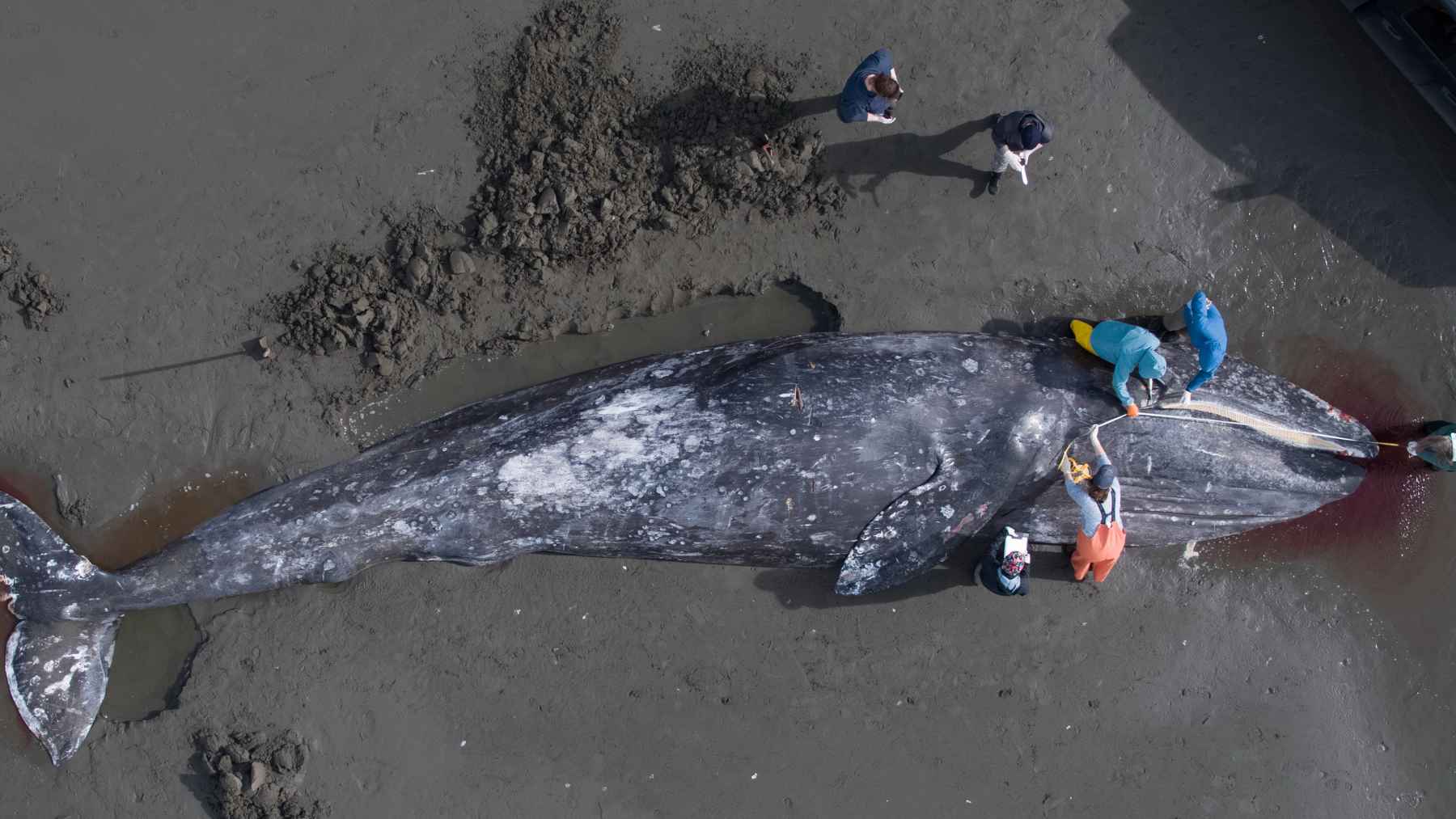
After Timmy’s death was confirmed, Danish officials warned people to stay away from the body because of possible disease risks. Whale carcasses can also become dangerous as gases build up during decay. That is not a scene for selfies, even when curiosity pulls people close.
Officials later said the carcass would be moved to Grenaa, where researchers and veterinarians could examine it and collect samples. A necropsy, which is an animal autopsy, can help show whether disease, injury, fishing gear, stress, or a mix of causes played a role. It may not answer every question, but it can turn a sad ending into useful information.
Timmy’s story is bigger than one whale
Timmy’s death leaves room for sympathy, frustration, and a little self-checking. A stranded whale is dramatic because the suffering is visible and slow, and people can stand there and watch it unfold. That makes the urge to act feel immediate.
The quieter threats are harder to see. Humpbacks face risks from fishing gear, vessel strikes, ocean noise, and changing climate conditions. Timmy’s case is a reminder that saving whales is not only about one dramatic rescue, but also about reducing the everyday hazards that push these animals into danger.
The official statement has been published on the Government Portal of Mecklenburg-Vorpommern.