Japan is still releasing treated water from the Fukushima Daiichi nuclear disaster site, and the 15th batch has become another closely watched test of the system. The water, discharged in September 2025, showed a tritium concentration far below Japan’s operating ceiling after dilution, according to Tokyo Electric Power Company (TEPCO) and independent checks by the International Atomic Energy Agency (IAEA).
That does not mean the water contains no radioactivity. It means the central question is more practical and more measurable. How much tritium is there, who is checking it, and do the ocean and seafood tests show anything unusual?
Fukushima water after 2011
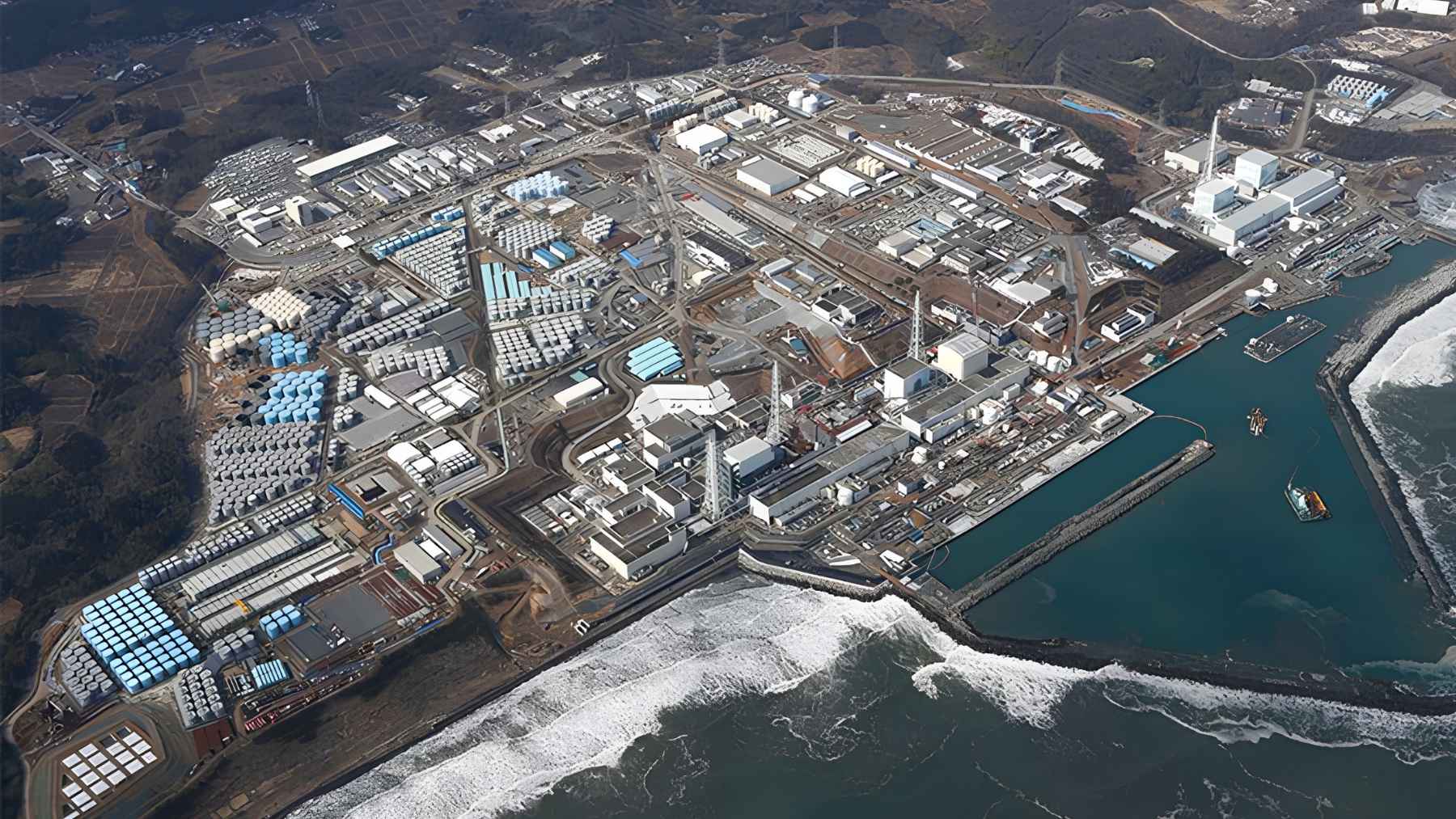
The water problem began after the March 2011 earthquake and tsunami damaged reactors at the Fukushima Daiichi Nuclear Power Station. Cooling water and groundwater that entered damaged reactor areas picked up radioactive material, so engineers collected it and stored it in tanks instead of letting it drain freely into the sea.
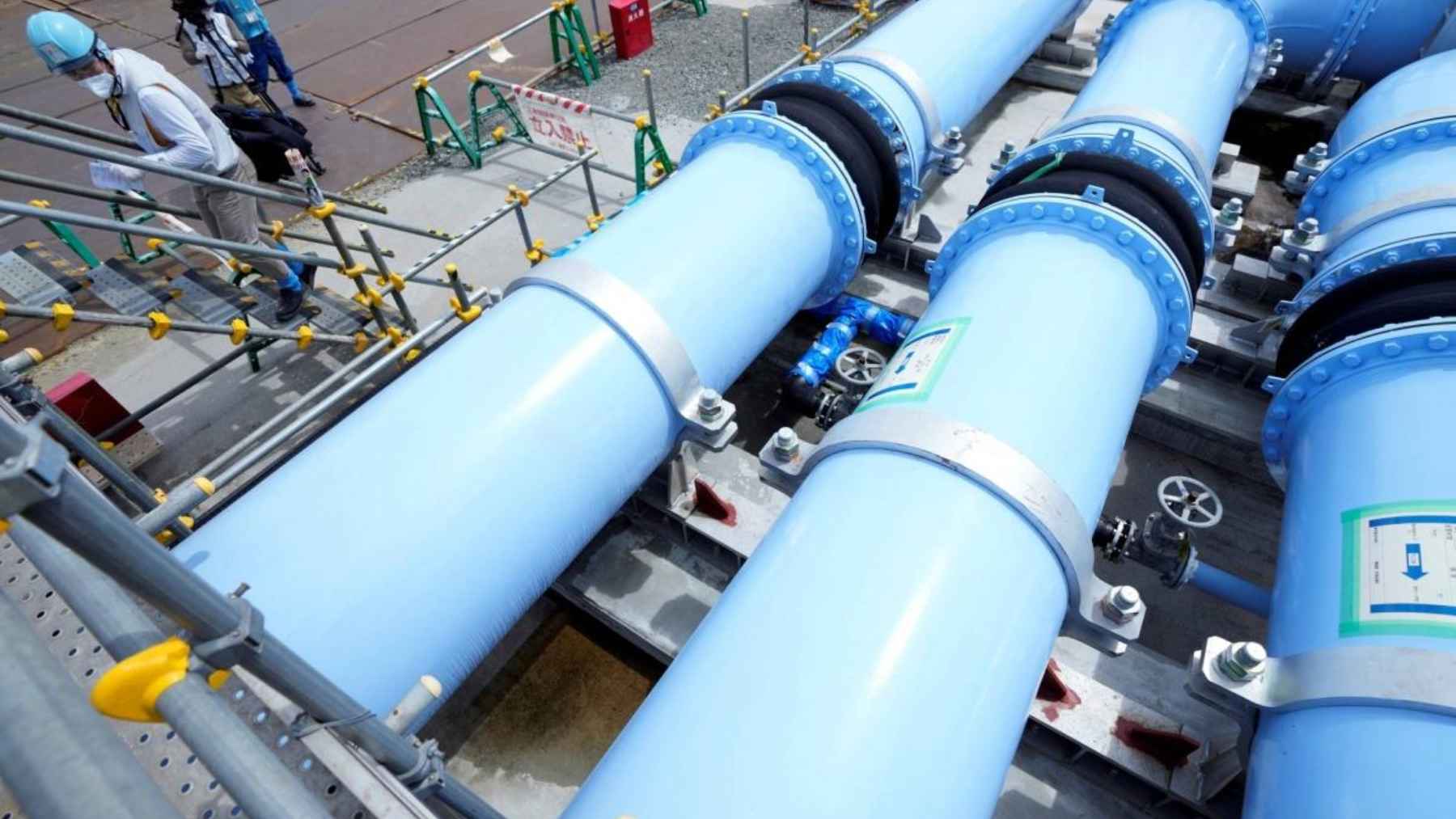
Those tanks could not be a permanent answer. TEPCO uses the Advanced Liquid Processing System, (ALPS) to remove many radioactive substances, then diluted the treated water before controlled discharge. Japan’s Ministry of Foreign Affairs says ALPS-treated water is processed so radioactive materials other than tritium meet regulatory standards, and the water is diluted before release.
Why tritium is different
Tritium is a radioactive form of hydrogen. In everyday terms, it is hard to separate from water because it behaves so much like the hydrogen already inside water molecules.
A becquerel is a count of radioactive decay. Japan’s operating limit is 1,500 becquerels per liter, or about 1,420 becquerels per U.S. quart. TEPCO says that limit is about one-seventh of the World Health Organization drinking water guideline of 10,000 becquerels per liter, or about 9,460 per quart.
The 15th batch numbers
The 15th discharge ran from September 11 to September 29, 2025, and involved about 2.1 million gallons of treated water. TEPCO listed the actual tritium concentration after dilution at 284 becquerels per liter, or roughly 269 becquerels per quart. That is well below Japan’s operating limit.
The IAEA said it collected and analyzed samples at the plant as part of its safety review. The agency confirmed that the 15th batch was far below Japan’s operating limit of 1,500 becquerels per liter and consistent with international safety standards. It also noted that about 29 million gallons had already been released in the first 14 batches.
Who checks the ocean
This is not supposed to depend on one lab or one country. The IAEA has kept a continuing review process at the plant, while Fukushima Prefecture and Japanese national agencies also run sea-monitoring programs.
In April 2026, Fukushima Prefecture reported that rapid seawater tests found tritium concentrations from below the lower detection limit to 4.3 becquerels per liter, or about 4.1 per quart. The prefecture also said results from August 2023 through April 2026 ranged from below the lower detection limit to 5.5 becquerels per liter.
What about seafood
For many people, the seafood question lands closest to home. Nobody wants to wonder about hidden contamination while buying fish for dinner, and Fukushima’s fishing communities have already lived with years of reputational damage.
A 2025 study led by Tsubasa Ikenoue with Takashi Tani, Hideyuki Kawamura, and Yuhi Satoh looked at Japanese flounder using ocean and food web models. The work, summarized by the Fukushima Institute for Research, Education and Innovation, said the Japan Atomic Energy Agency and the Institute for Environmental Sciences estimated that even daily consumption of about 6.7 ounces of flounder for a year would have a negligible dose impact.
Field measurements also point in the same direction for now. A 2025 open access study in the Journal of Environmental Radioactivity found that tritium in rockfish and Japanese flounder did not appear to accumulate in those fish after the releases.
Trust remains the hard part
The science may be measurable, but public trust is not as easy to dilute. Local fishers still face the risk that normal test results will not be enough to reassure markets, restaurants, or families far from Fukushima.
A 2025 study in Fisheries Science found no clear evidence that the ALPS-treated water release caused a drop in Fukushima flounder prices during the period studied. Still, the authors warned that flounder is only one species, so broader monitoring and market analysis will need to continue.
What happens next
The release is designed to continue in batches over years, with testing before discharge and monitoring after discharge. In May 2026, Japan’s foreign ministry said an IAEA task force had reviewed monitoring activities, visited the plant, and confirmed that the discharge had been carried out safely.
So the story is not over. At the end of the day, the strongest test is whether the same boring pattern keeps repeating: public data, independent checks, low readings, and quick disclosure when anything changes.
The official study has been published in Environmental Science & Technology.