Hope’s life began with a loss most people never see. Born in 2012, the brown bear spent her cubhood in a small cage near a restaurant in Kosovo after captors took her from her mother. The restaurant used her to attract visitors instead of allowing her to grow up in the wild.
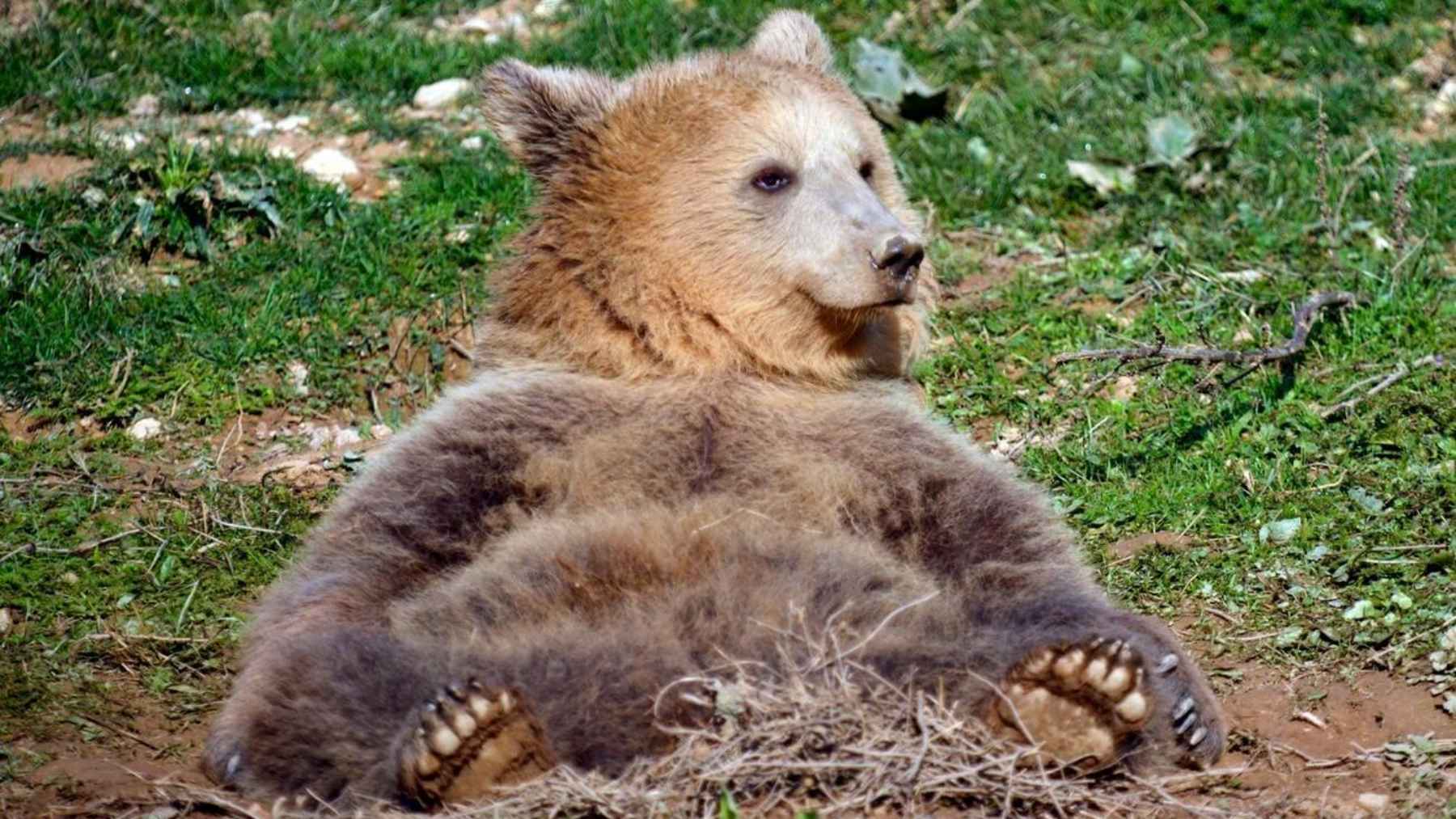
More than a decade later, her story looks very different. Hope now lives at BEAR SANCTUARY Prishtina, where she has room to roam, places to hide, ponds to splash in, and something even more meaningful for a rescued bear – the chance to hibernate again.
A cage built for attention
Hope’s first home was not really a home at all. According to the sanctuary, she started life in a cage of about 32 square feet, a space smaller than many walk-in closets, after being separated from her mother at a very young age.
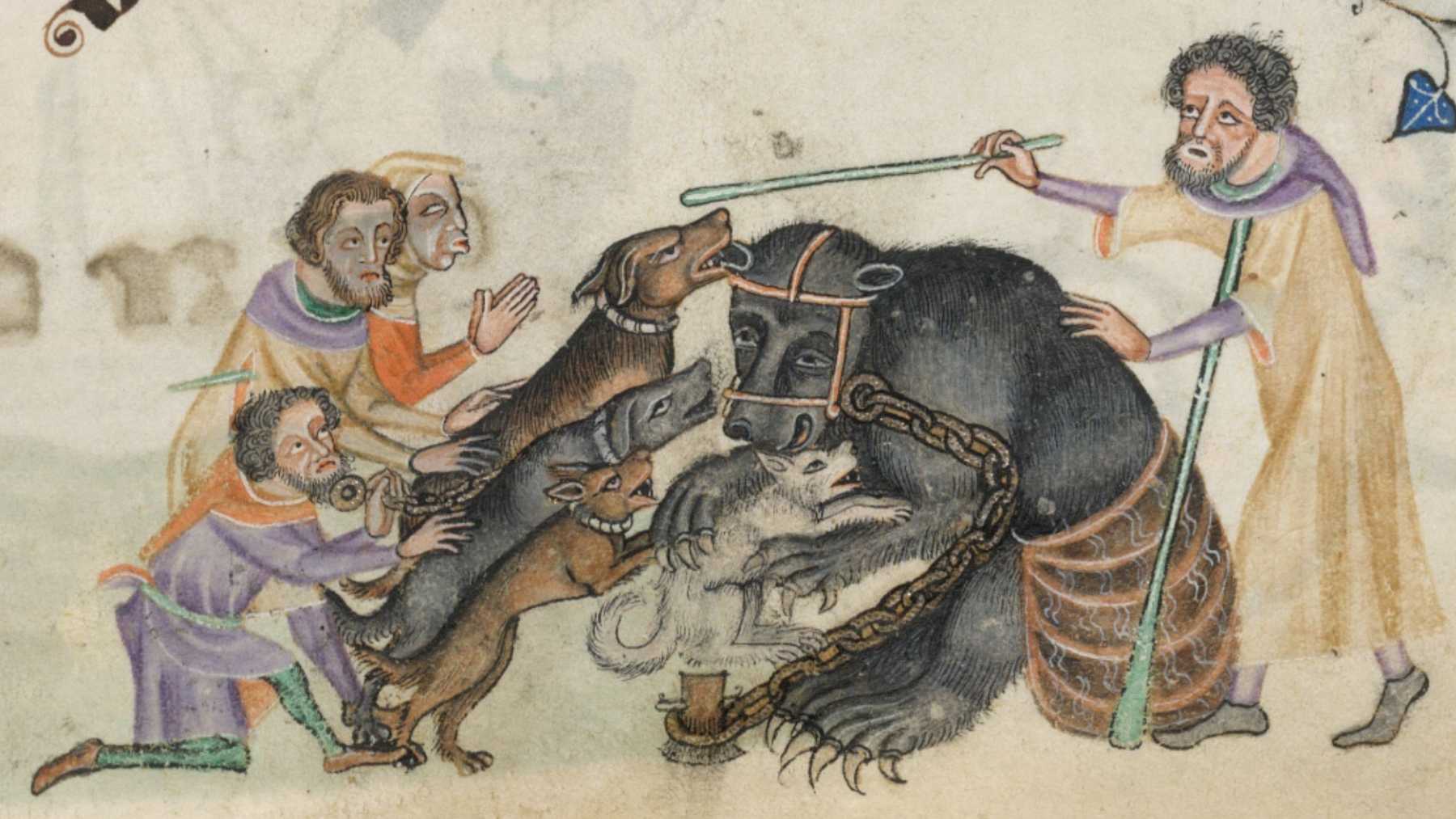
The practice was once known in the region as keeping “restaurant bears”. Owners held bears in poor cages near restaurants so customers would stop, look, and spend money, turning wild animals into roadside attractions.
A sanctuary changed her life
FOUR PAWS rescued Hope in May 2013, when she was no more than about a year and a half old. Since then, the Kosovo sanctuary has worked to give her what captivity had taken away, including space, care, enrichment, and a safer daily routine.
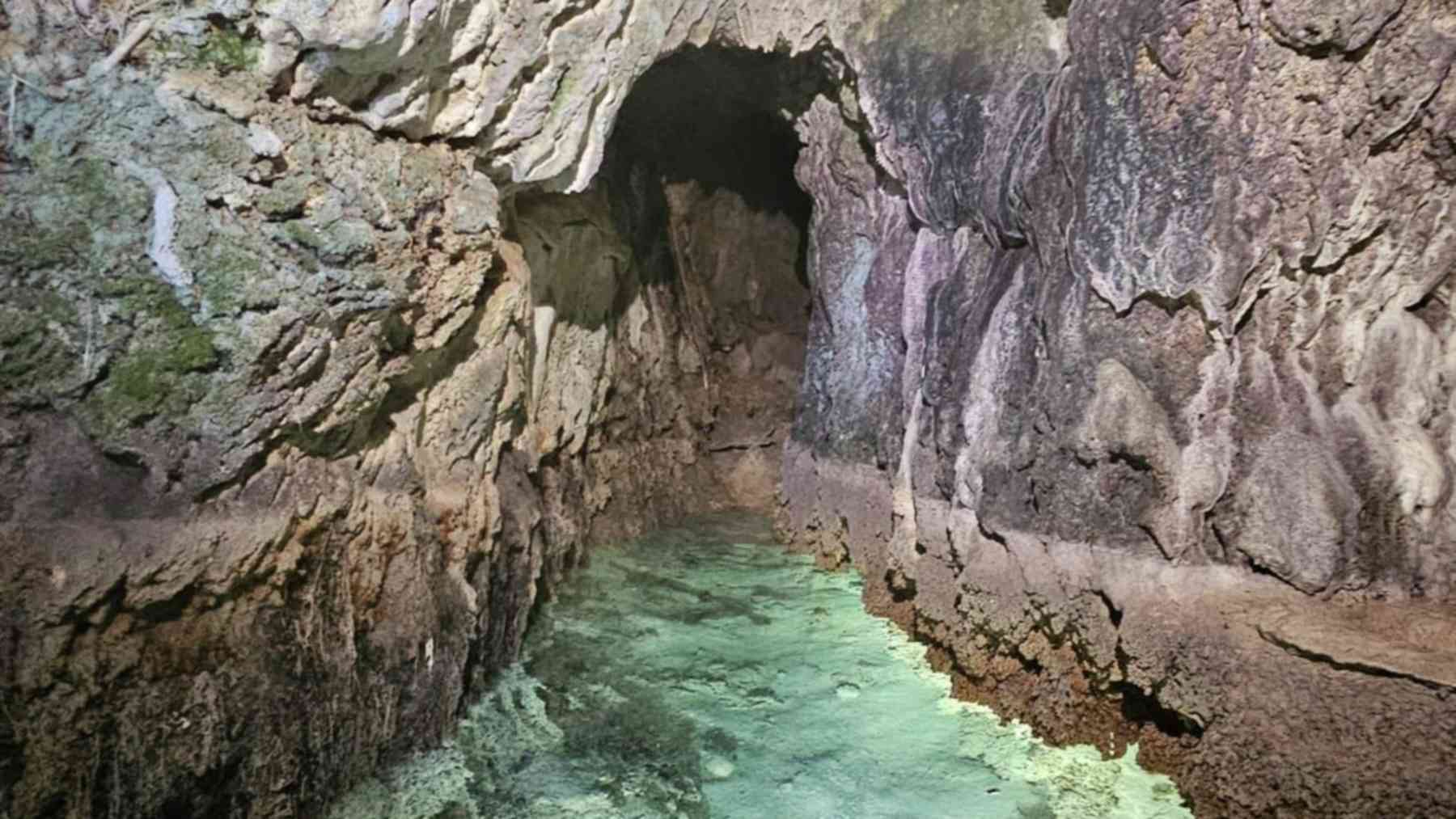
Effectively, this means trees and wooden structures to climb, ponds to bathe in, and room to withdraw when she wants quiet. It also means winter rest, which is part of a bear’s natural yearly cycle.
Why hibernation matters
For people, a long nap may sound like a lazy afternoon. For a rescued bear, winter rest can signal something much bigger.
FOUR PAWS explains that bear hibernation is more accurately called torpor, a seasonal state in which a bear slows down and rests through winter. Many captive bears cannot do this properly because their health, food, stress levels, or living conditions are not good enough.
That is why Hope’s return to hibernation matters. It suggests that her body and mind are, to a large extent, settling back into a rhythm closer to what a bear should know.
March Napness gave Hope a spotlight
Hope entered her first March Napness competition in 2026 as a “rookie,” joining a bracket-style contest modeled after the National Collegiate Athletic Association’s (NCAA) March Madness tournament. Instead of picking basketball teams, fans try to guess which rescued bear will remain asleep the longest.
The 2026 event featured 22 rescued bears from six European sanctuaries. By mid-April, the competition had ended with Amelia and Meimo sharing the title of Sleepiest Bear of 2026 after waking together, while Hope and her companion Tomi woke during week five.
No trophy for Hope, then. That, however, misses the point a little.
Her caretakers already see a win
Afrim Mahmuti, sanctuary manager and executive director at the Kosovo site, told PEOPLE that Hope deserved her place in the competition. “I really hope she wins it too,” he said before the final result was known.
Mahmuti also said Hope had a good den in a strong location and that staff would do what they could to keep noise from disturbing her. There was only one charming complication: Tomi, her longtime companion, whom staff hoped would not distract her.
From fear to confidence
Before Hope reached the sanctuary, Mahmuti saw her in the restaurant cage. He described a frightened young bear curled up in a space no larger than about 32 to 43 square feet.
“I had never seen a young bear so devastated,” he said. That fear, he added, was visible in both her eyes and behavior.
Recovery did not happen overnight. Albana Hoti, head of animal and facility management at the sanctuary, said Hope arrived frustrated, stressed, and afraid, but has since become confident, happier, and more engaged with caregivers and enrichment.
Tomi became part of the story
Hope’s life also changed when Tomi entered the picture. The two bears moved into the same enclosure in 2017 after Tomi, whom FOUR PAWS had rescued from a small cage in Albania, was placed nearby and quickly caught her attention.
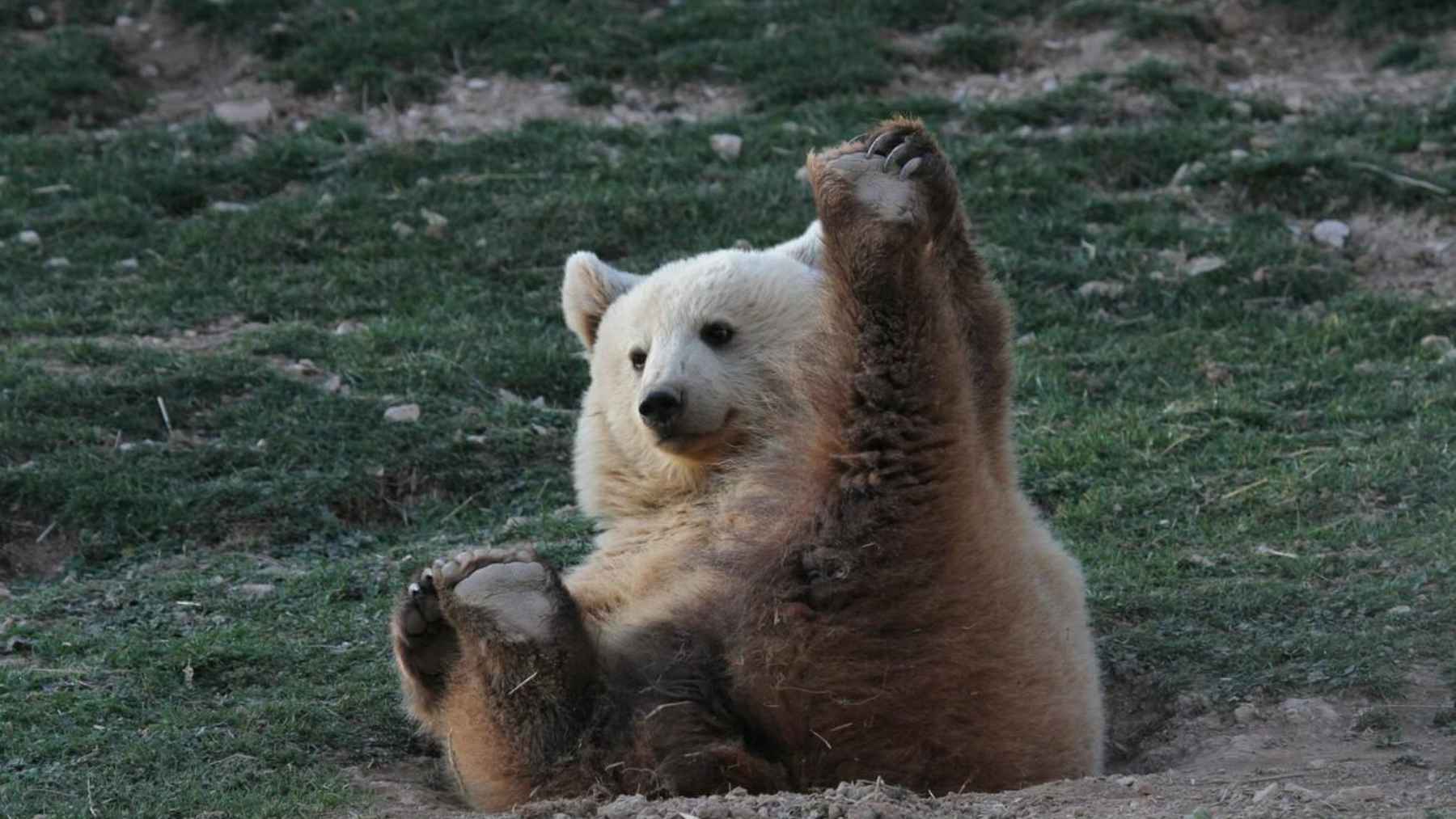
Their days now look nothing like the life Hope once knew. Hoti told PEOPLE that late afternoon is their favorite time, when the pair play and roll around together as the sun goes down.
More than a cute contest
March Napness is playful by design, but the message behind it is serious. Every bear in the bracket was rescued from unsuitable conditions, including tourist attractions, private ownership, circuses, rundown zoos, and other settings where natural behavior was limited or blocked.
That is what makes Hope’s sleep so powerful. A bear that once lived on concrete for public attention can now disappear into a den, ignore the noise of the world, and rest because she feels safe enough to do so.
The official March Napness information has been published by FOUR PAWS.