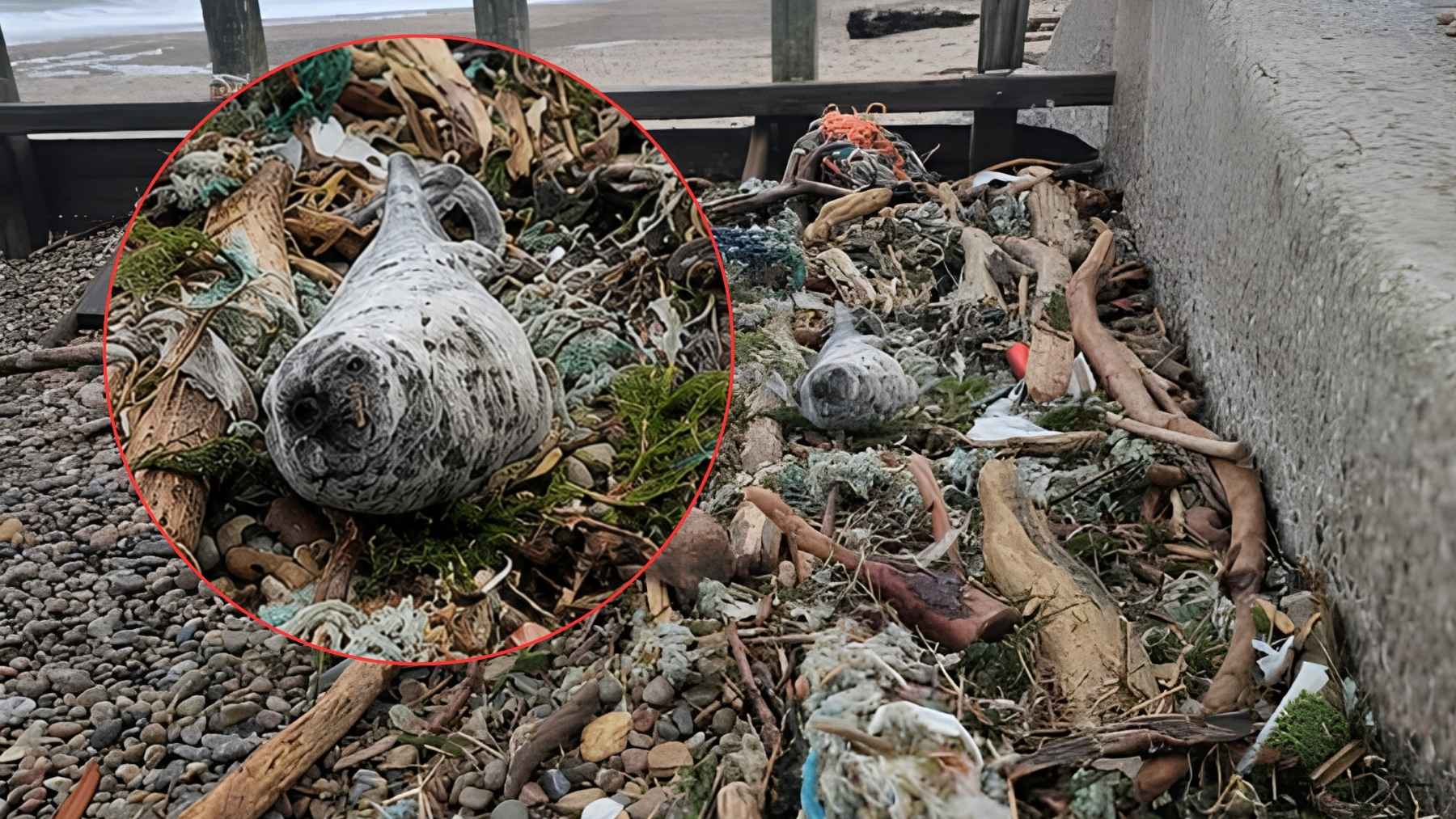
A beachgoer almost walked past what looked like an ordinary heap of washed-up ropes, nets, and debris on a beach. Then something in the middle of the pile moved just enough to reveal the truth. A wild seal had curled up inside the trash and fallen asleep.
The animal was not trapped, but it was resting in a risky place. For seals, a quiet nap on shore can be completely normal. The problem was the trash around it, because loose netting, rope, and plastic can quickly turn a harmless rest into a life-threatening entanglement.
A seal hidden in plain sight
Along the coasts of England and Wales, wild seals are often seen coming out of the water and onto beaches. This behavior is called “hauling out,” which simply means a seal has left the water for a while.
Seals do this for many reasons. They may be resting, warming up or cooling down, avoiding predators, molting, nursing pups, or getting ready to give birth, according to The Marine Mammal Center.
In this case, the seal picked a dangerous nap spot. It had settled among ropes and netting, the kind of debris that can tighten around a flipper, neck, or body before anyone notices.
The beachgoer made the right call
The passerby did not try to touch the seal, move it, or push it back toward the sea. Instead, they contacted British Divers Marine Life Rescue, which sent trained animal medics to check the situation.
That choice mattered. A seal on a beach does not always need help, but getting expert advice can prevent a bad situation from becoming worse. What looks like a stranded animal may just be a tired one saving energy.
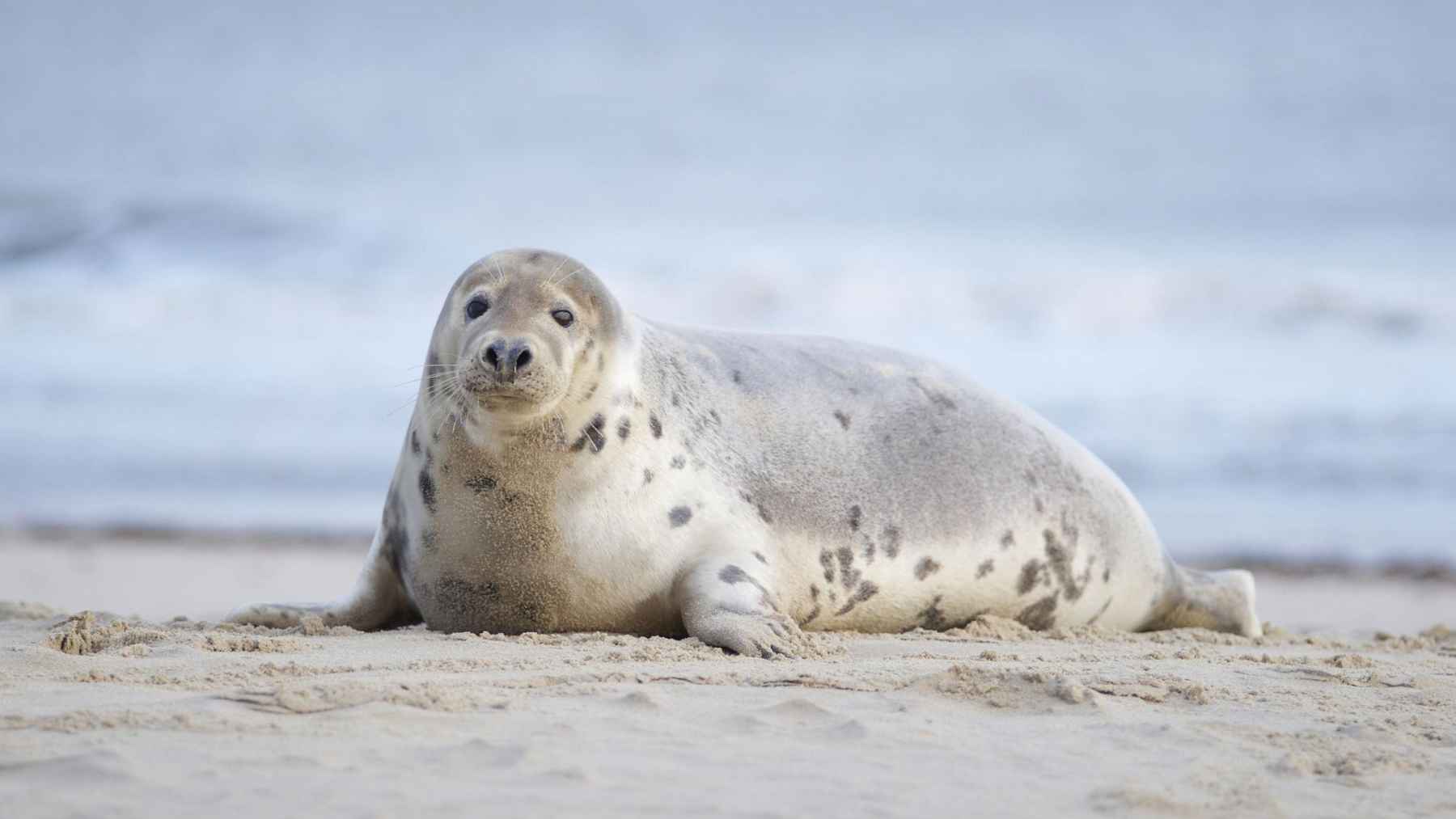
Rescuers kept a careful distance and watched. After finishing its nap, the seal managed to move through the trash safely and return to the waves on its own. Simple. Lucky, too.
Why beach trash is so dangerous
Rope and netting may look harmless when they are lying still in the sand. For a curious seal, though, they can become a trap.
BDMLR has warned that debris like this can become “life-threatening entanglements for curious seals” and that reported entanglement cases are rising.
The group also says seals and other marine mammals are vulnerable to bycatch and entanglement, including in fishing gear and plastic waste. In one area of the United Kingdom, recent research cited by the rescue group found that the entanglement rate could be as high as four percent.
A normal nap can look alarming
Seeing a seal alone on the sand can feel urgent. Is it sick? Is it lost? Should someone help right away?
For the most part, the safest answer is to keep back and call experts if something seems wrong. BDMLR says seals spend a lot of time on land to sleep, conserve energy, digest food, and raise pups.
That does not mean every seal is fine. Warning signs can include visible injuries, heavy breathing, cloudy eyes, obvious entanglement, or a very thin body. However, even then, people should not rush in. Seals can bite, and stress can make their condition worse.
Space can save a seal
BDMLR advises people to follow its “5 S’s” when watching seals. The main idea is simple enough for any beach day. Stop, give space, stay silent, let them sleep, and support them by calling experts if there is concern.
The rescue group recommends keeping at least 328 feet away from seals. That is about the length of a football field, and it gives the animal room to rest without feeling threatened.
Dogs should also be kept away. Even a friendly dog can scare a resting seal, and a frightened seal may rush toward the water before it is ready.
The bigger ocean problem
This one seal got lucky, but marine debris is not a small issue, and it is not limited to one beach.
NOAA Fisheries says marine debris affects at least 260 marine species, including marine mammals, sea turtles, and seabirds. It also warns that seals and sea lions can suffer or die after ingesting fishing gear or becoming caught in debris.
Some of the most dangerous items are looped materials, such as packing straps, rope, nets, and fishing line. They can wrap around an animal’s neck or body and tighten as the animal grows, swims, or struggles.
A cleanup after the close call
Once the seal had returned to the sea, rescuers removed the debris from the beach. That step helped prevent another animal from becoming tangled later.
It is easy to miss the danger in a pile of rope or netting, but to a seal, that same pile can be a maze, a hiding spot, or a deadly snare.
At the end of the day, this rescue was less about dramatic action and more about restraint. The beachgoer looked closely, kept distance, called the right people, and let trained medics decide what to do next.
What beachgoers can do now
The lesson is not that every resting seal is in trouble. The lesson is that people should notice, step back, and ask for help when trash, injury, or unusual behavior raises concern.
Beach visitors can also remove small litter when it is safe, report larger hazards, and avoid leaving fishing line, rope, or plastic behind. One cleaner patch of sand may not fix the ocean, but for the next sleepy seal, it could make all the difference.
The main official rescue account has been published by British Divers Marine Life Rescue on Facebook.