Environment
Wildlife, oceans, forests, climate and conservation
In Environment, ECOnews covers wildlife and biodiversity, oceans, forests, climate change, pollution, recycling and conservation. Surprising stories from around the planet that explain how nature works and how people are changing it.
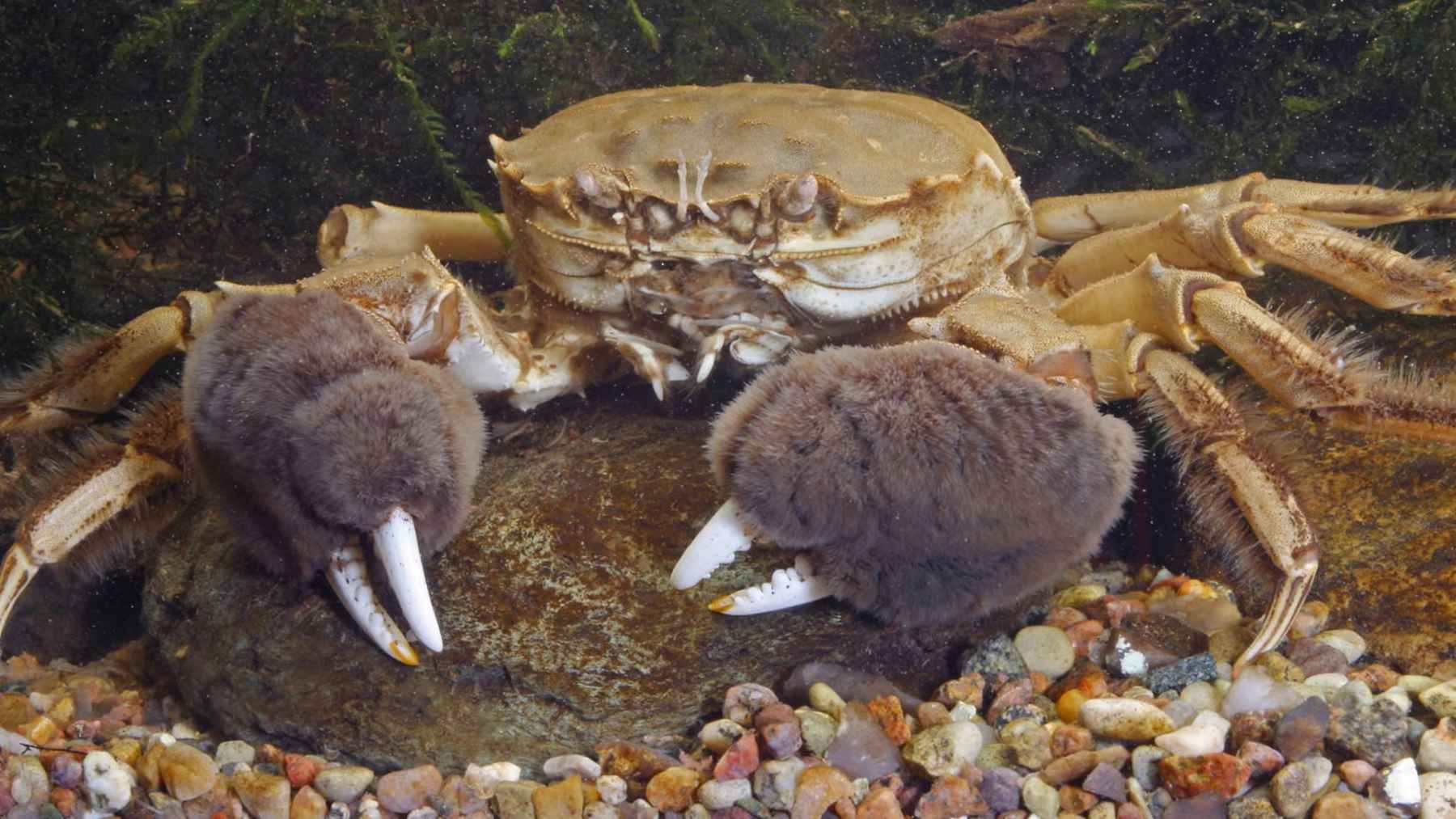
The invasive Chinese crab adapts to almost any environment, feeds on invertebrates, fry, and even protected species, and competes with local fauna as if the river were its own
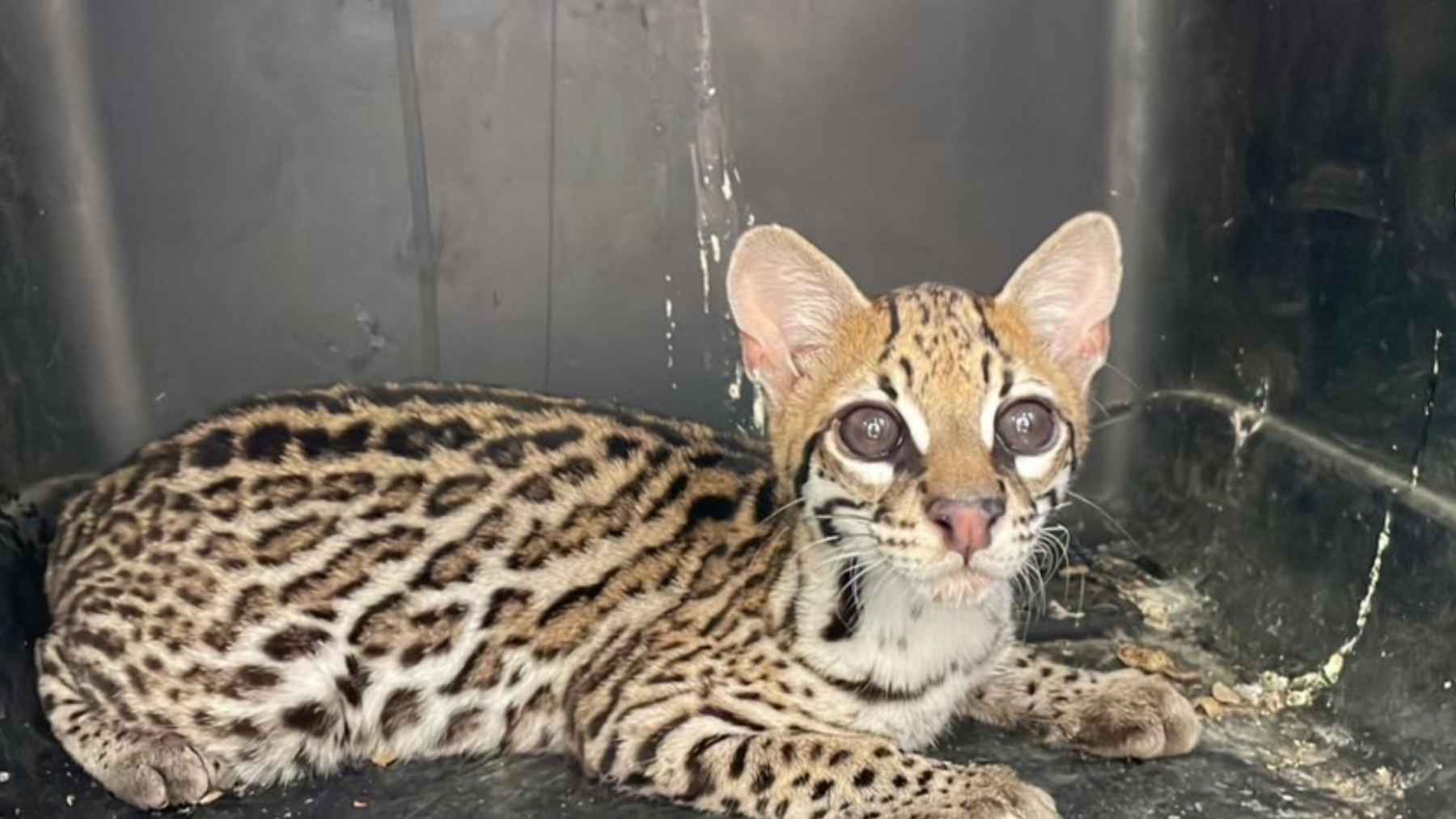
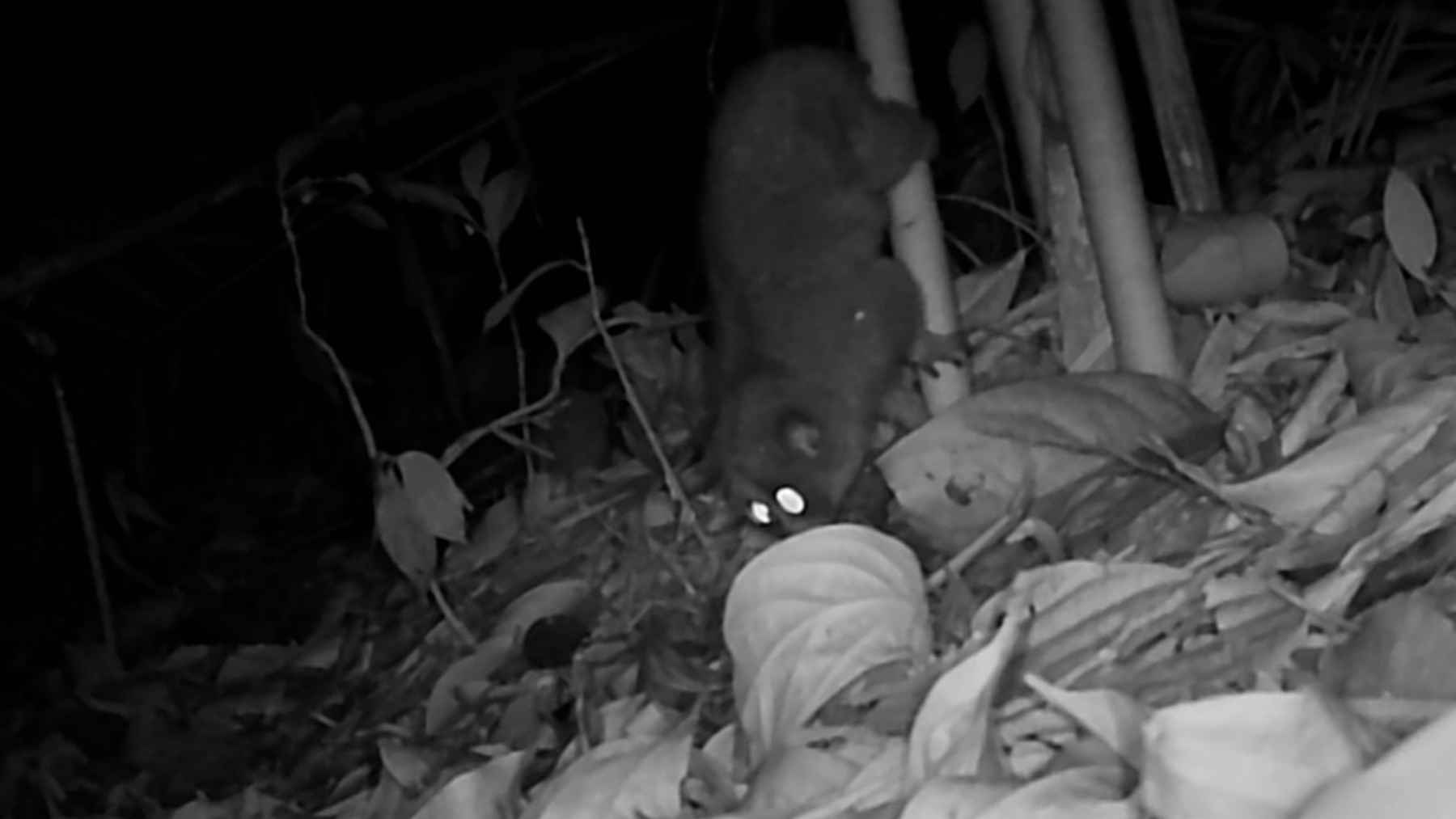
He saw it lying on the side of the road, picked it up, fed it, and kept it safe during the trip: that’s how the rescue of the Leopardus pardalis ocelot in Fusagasugá began
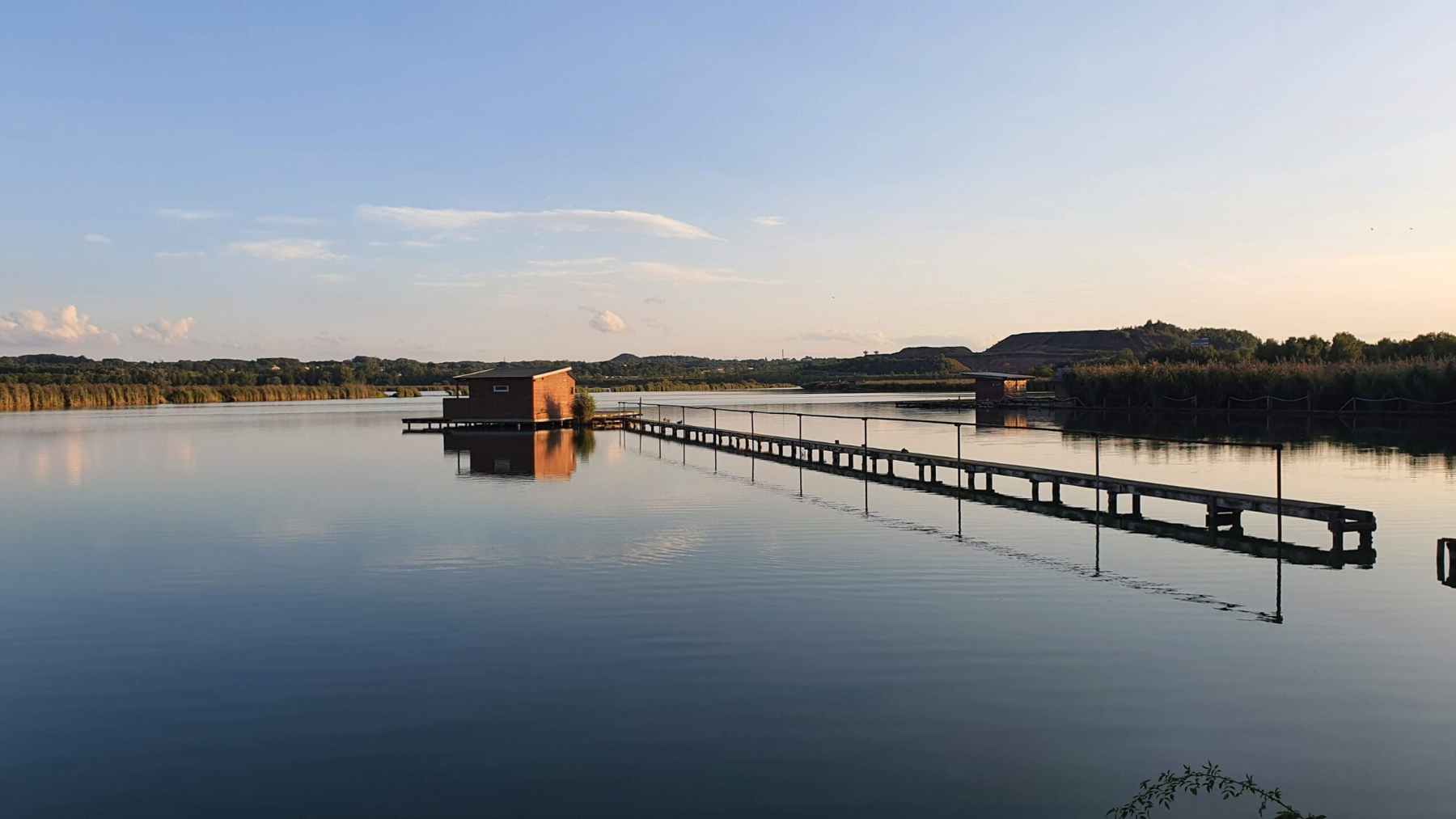
Ostrava has its own “secret Venice” that almost no one knows about: 70 fishermen’s huts on stilts, set back from the shore and connected by narrow walkways
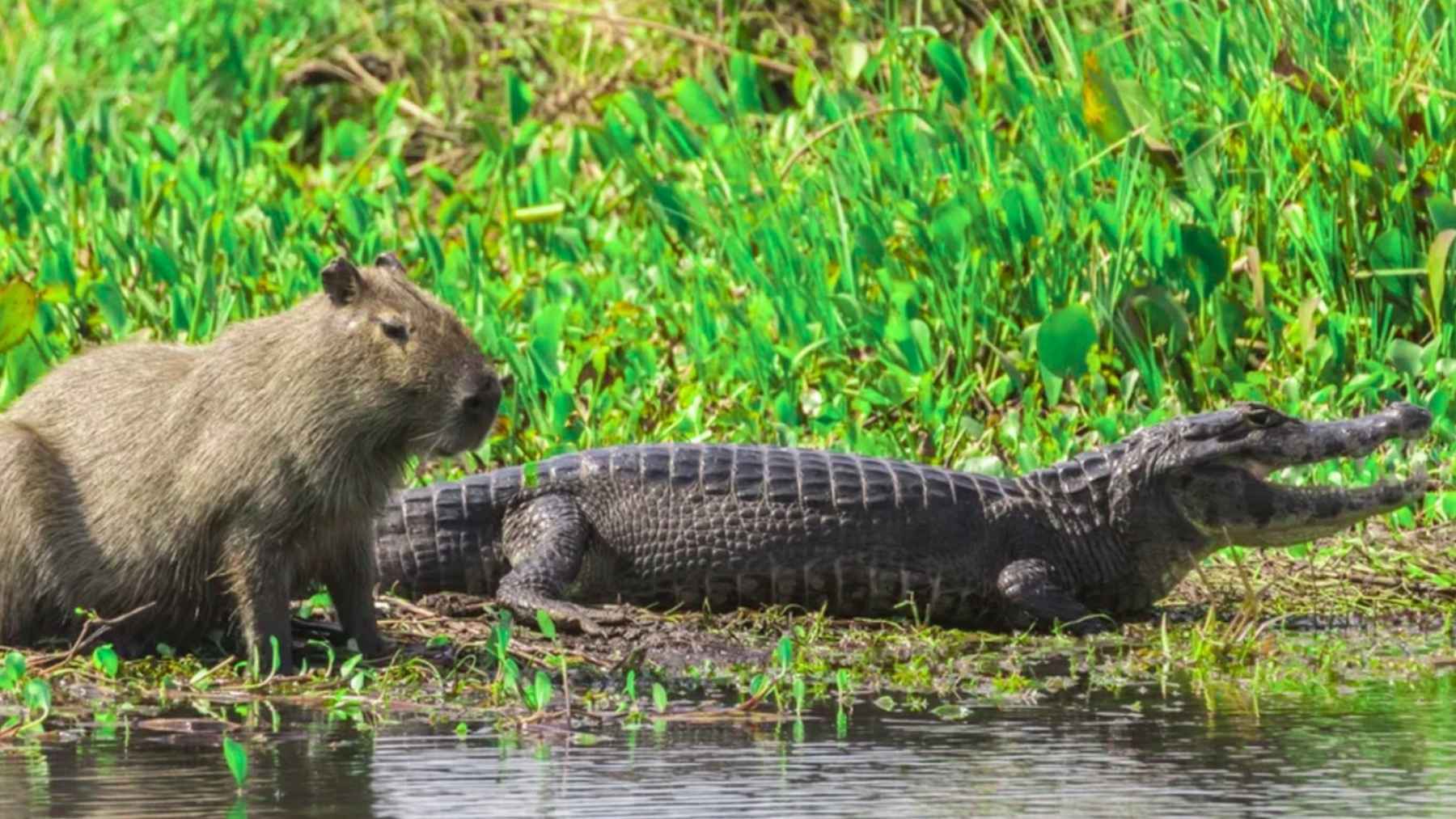
They have shared rivers for decades, and no one understands why alligators do not attack capybaras. Now scientists believe they have the answer
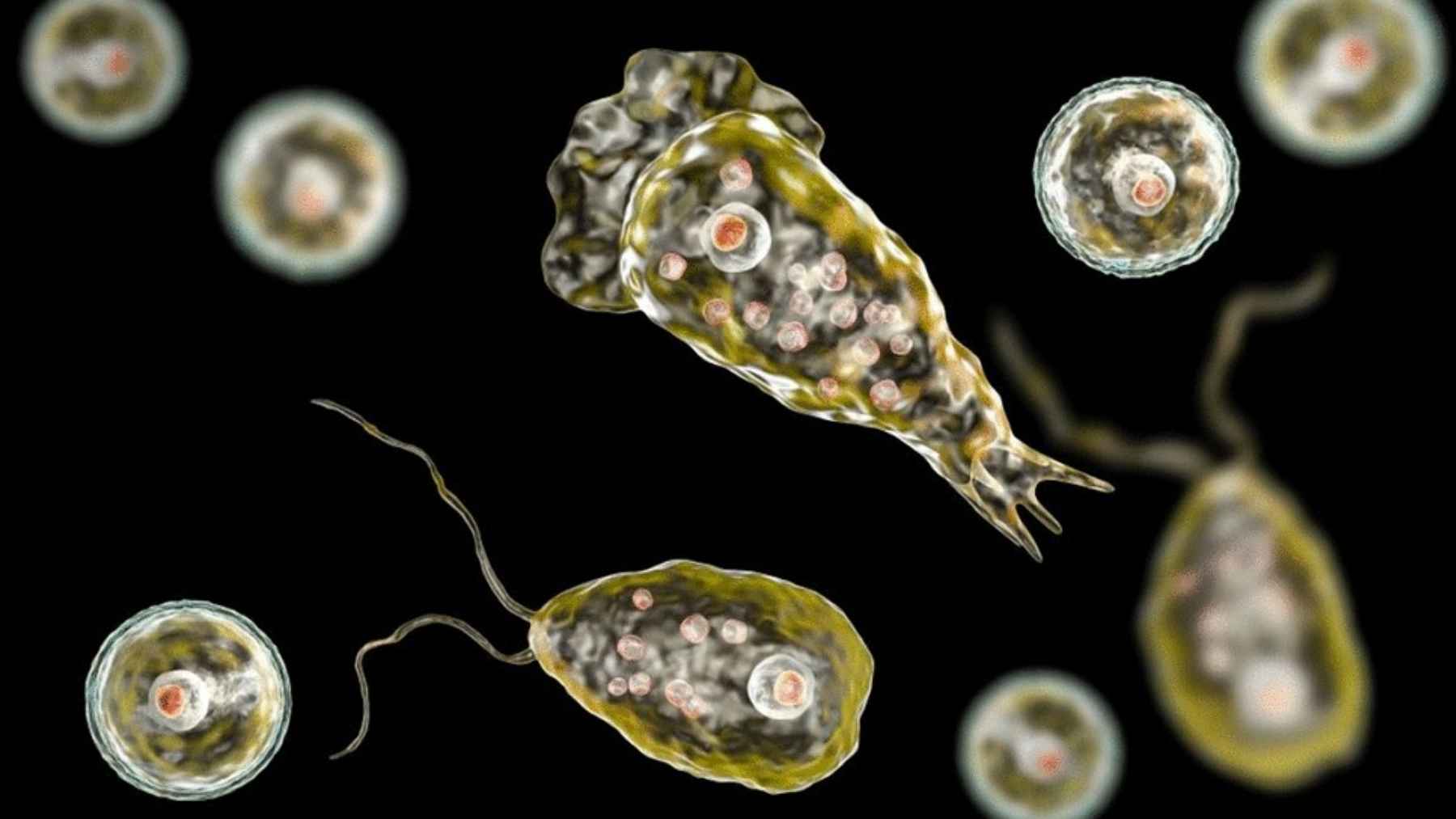
The famous “brain-eating amoeba” is not the only one; the new fear is a whole group of microbes that live in water and soil and are already gaining ground with climate change
They drill into an old coal basin and discover a gigantic reserve of natural hydrogen that could change Europe
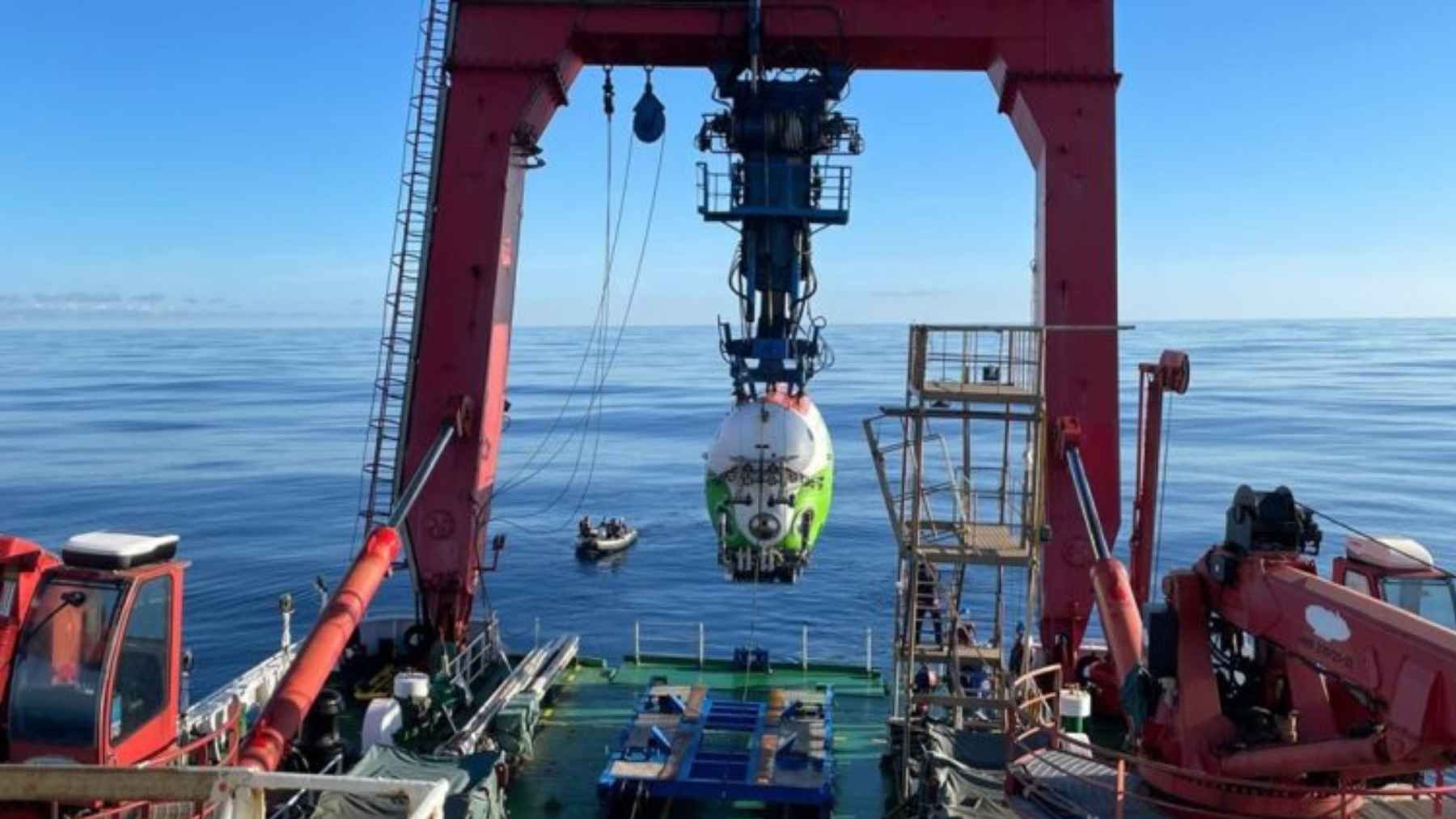
Chilean geologist Paola Peña dives 7,592 meters into the Atacama Trench to study the origin of earthquakes and tsunamis
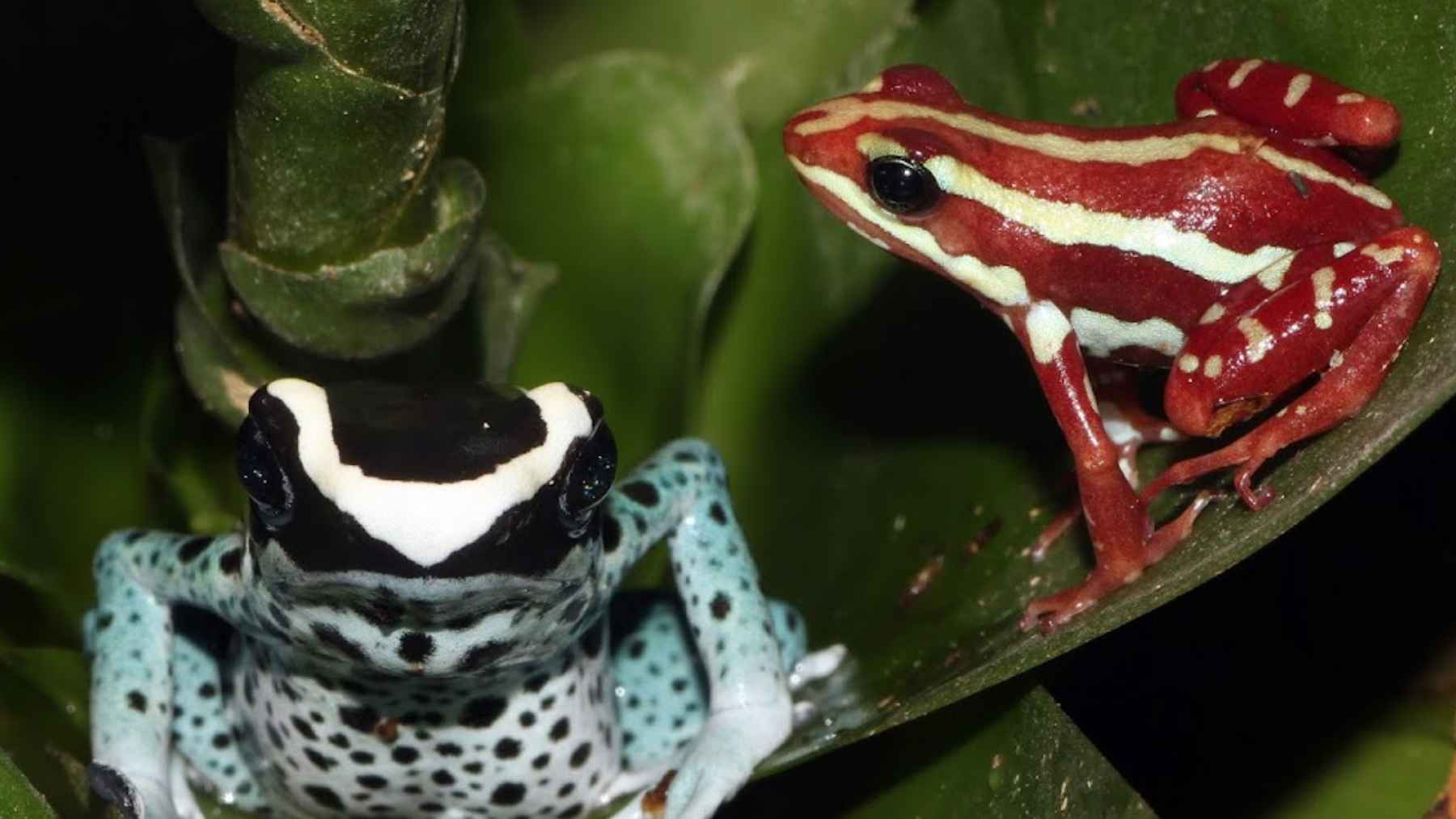
They measure between 2 and 6 centimeters, but their skin can hide one of the most lethal toxins on the planet, which is why the “poison dart frog” is so fearsome
Mexico pulls a “land-based Panama Canal” out of its hat: 303 km across the Isthmus of Tehuantepec to connect the Pacific and the Gulf without passing through locks
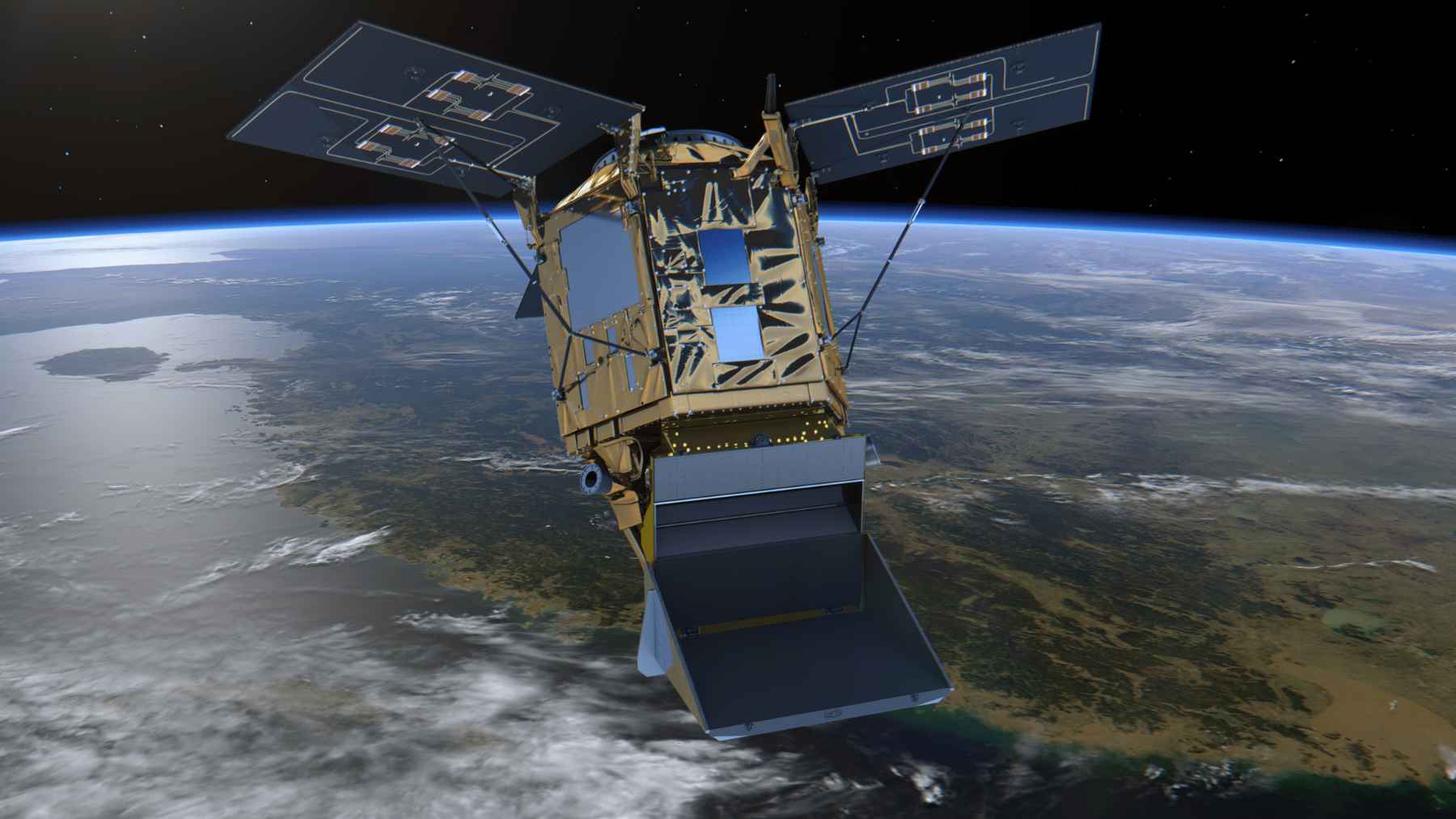
A European satellite confirms what many doubted: between 2019 and 2023, California added hundreds of zero-emission vehicles per area, and the TROPOMI satellite detected a measurable decrease in pollution from space
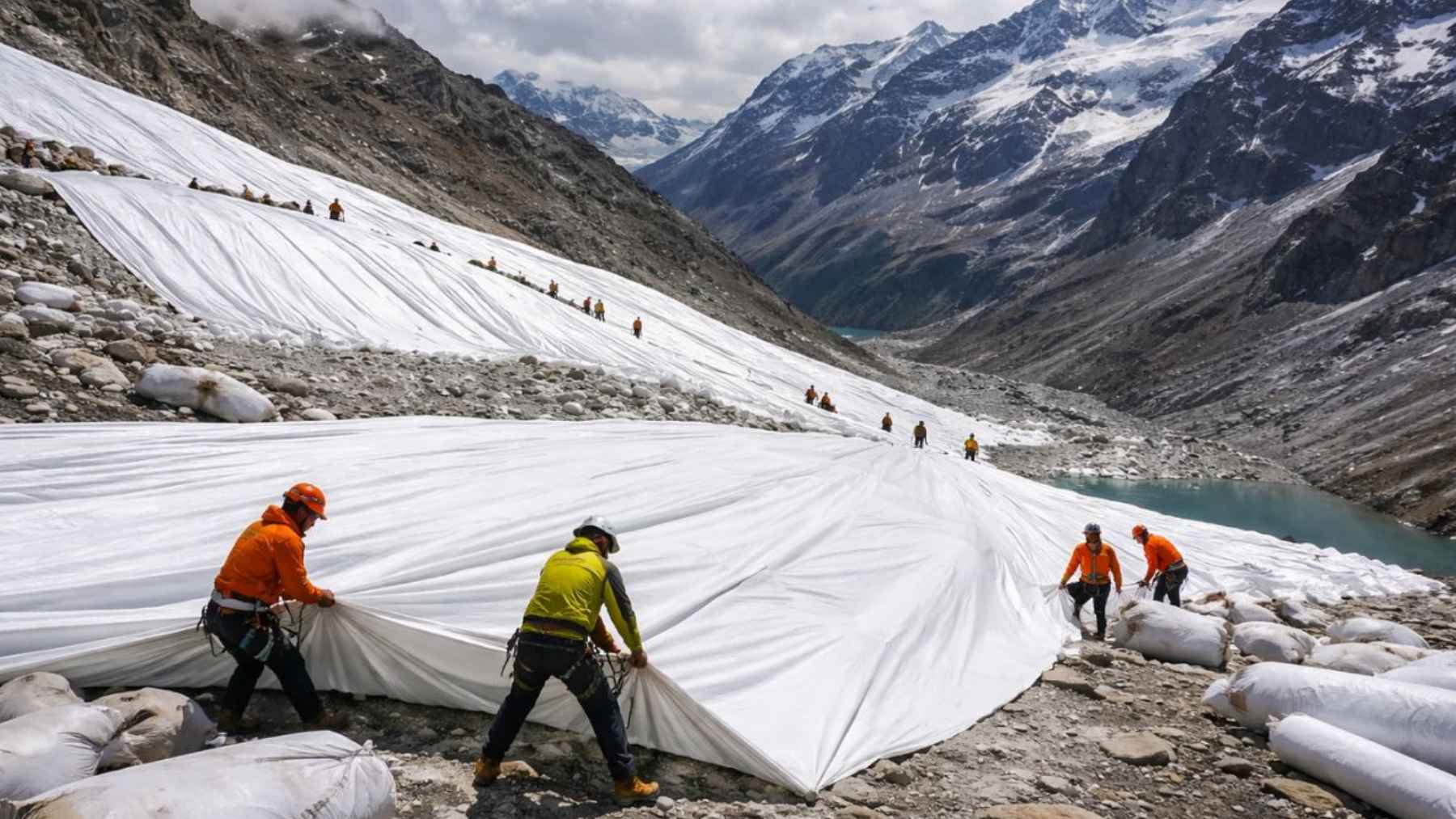
In 2019, China did something that seems crazy: “cover” glaciers with giant blankets. Now, in 2026, data shows how much they actually slow down melting
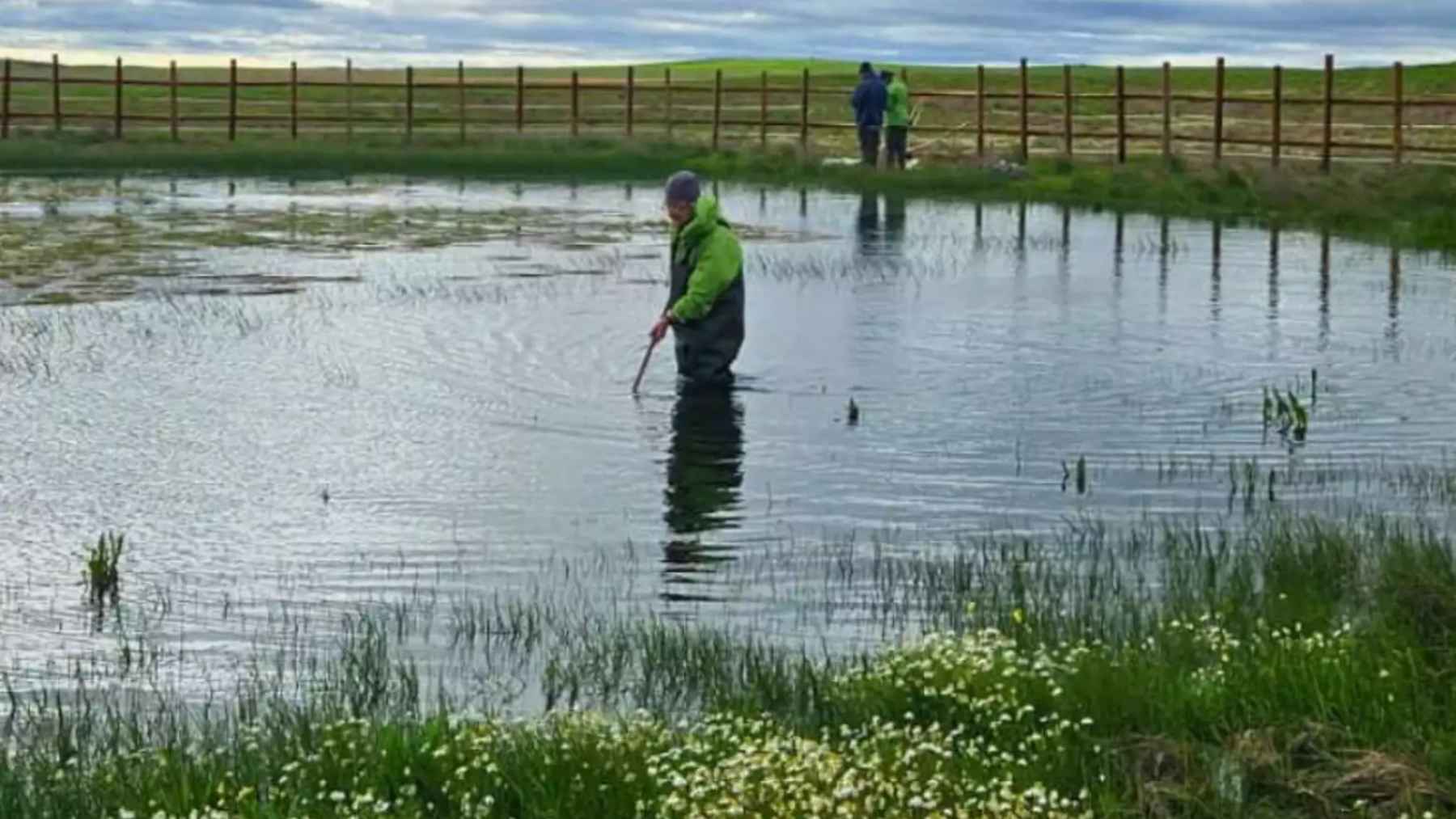
They look like puddles, but Portugal’s temporary ponds revive tadpole shrimp with a 100-million-year lineage every time it rains
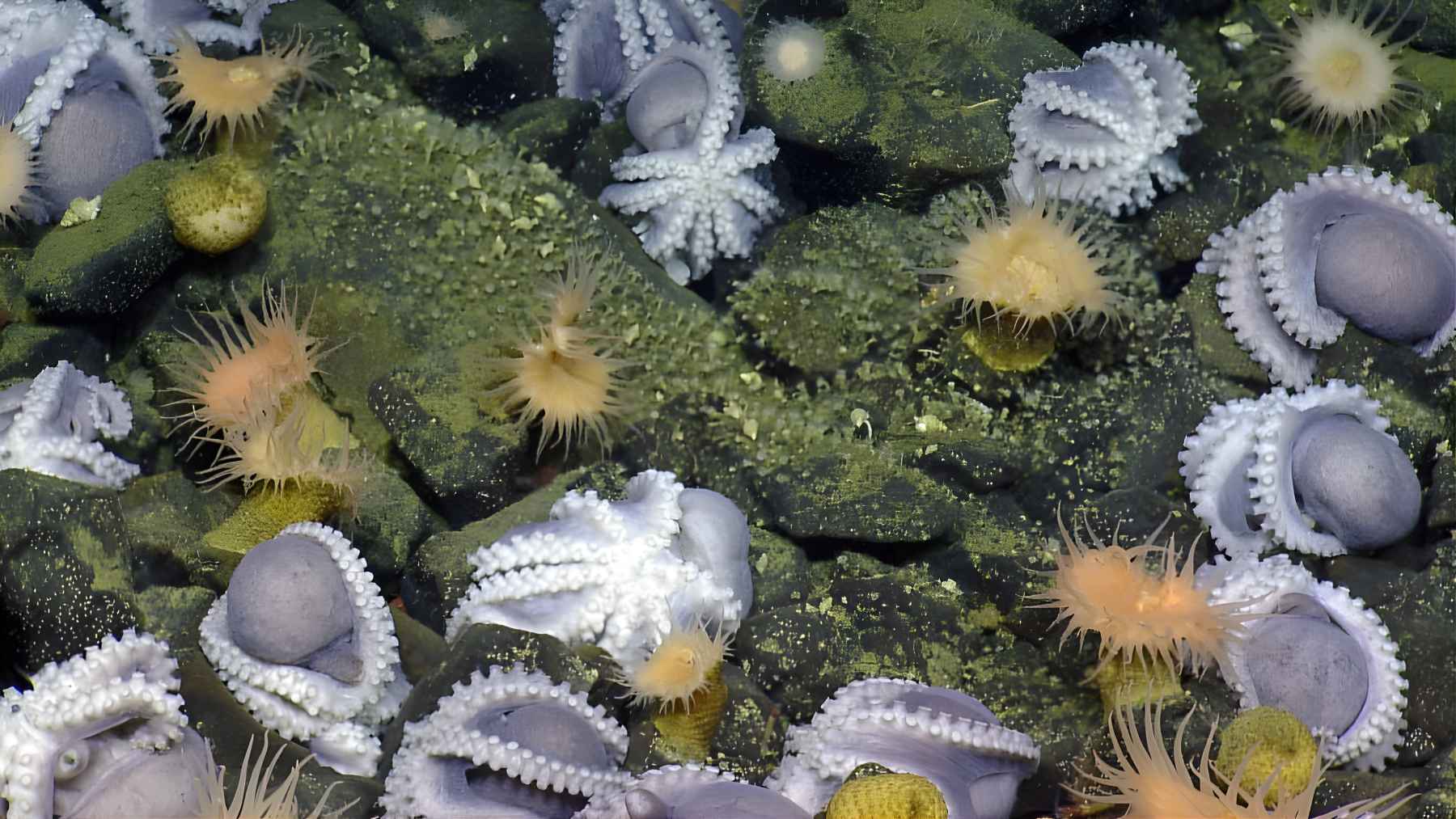
At a depth of 3.2 km and next to a volcano, they have recorded the largest octopus nursery on the planet, the size of 233 soccer fields and full of incubating mothers