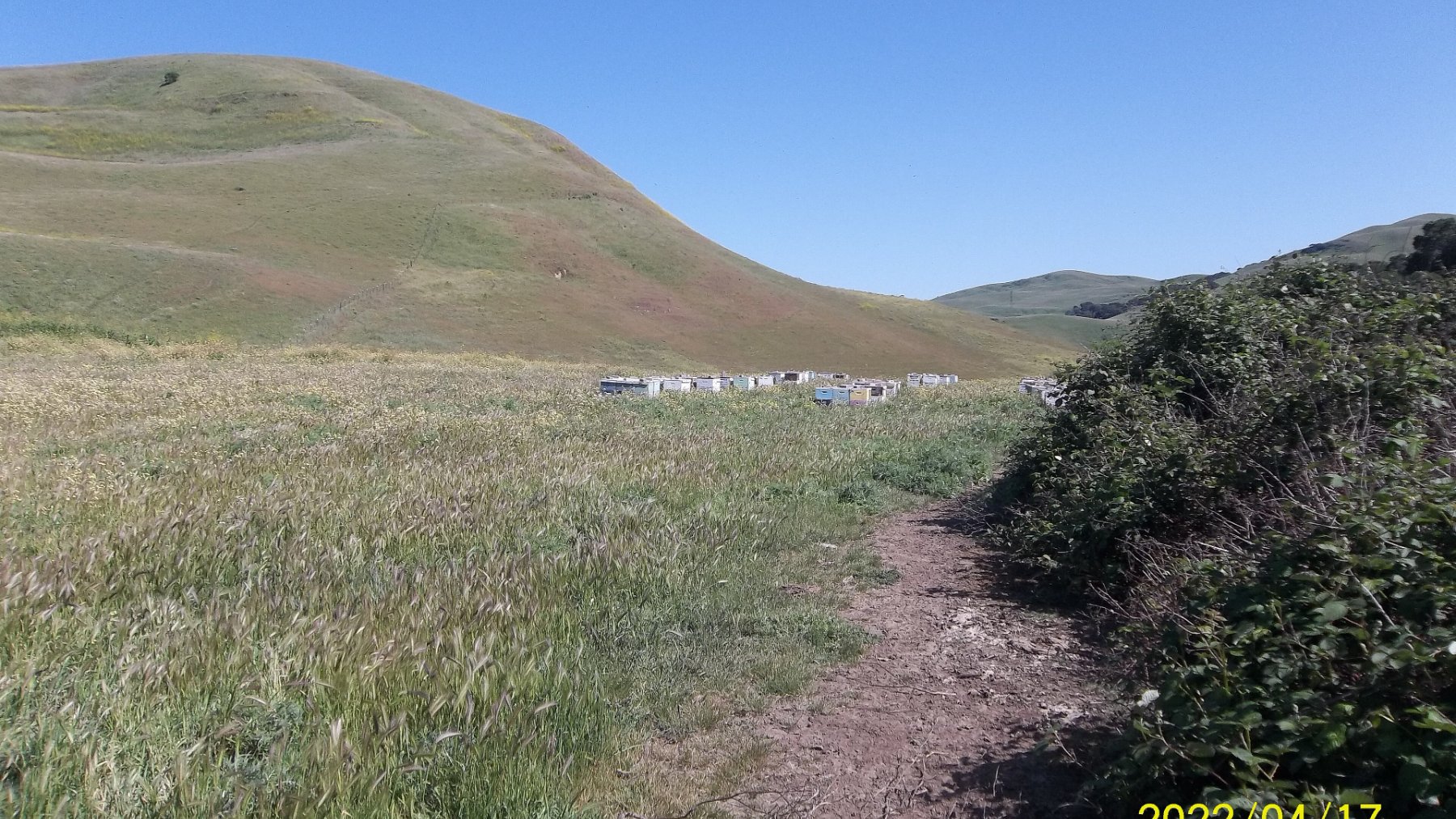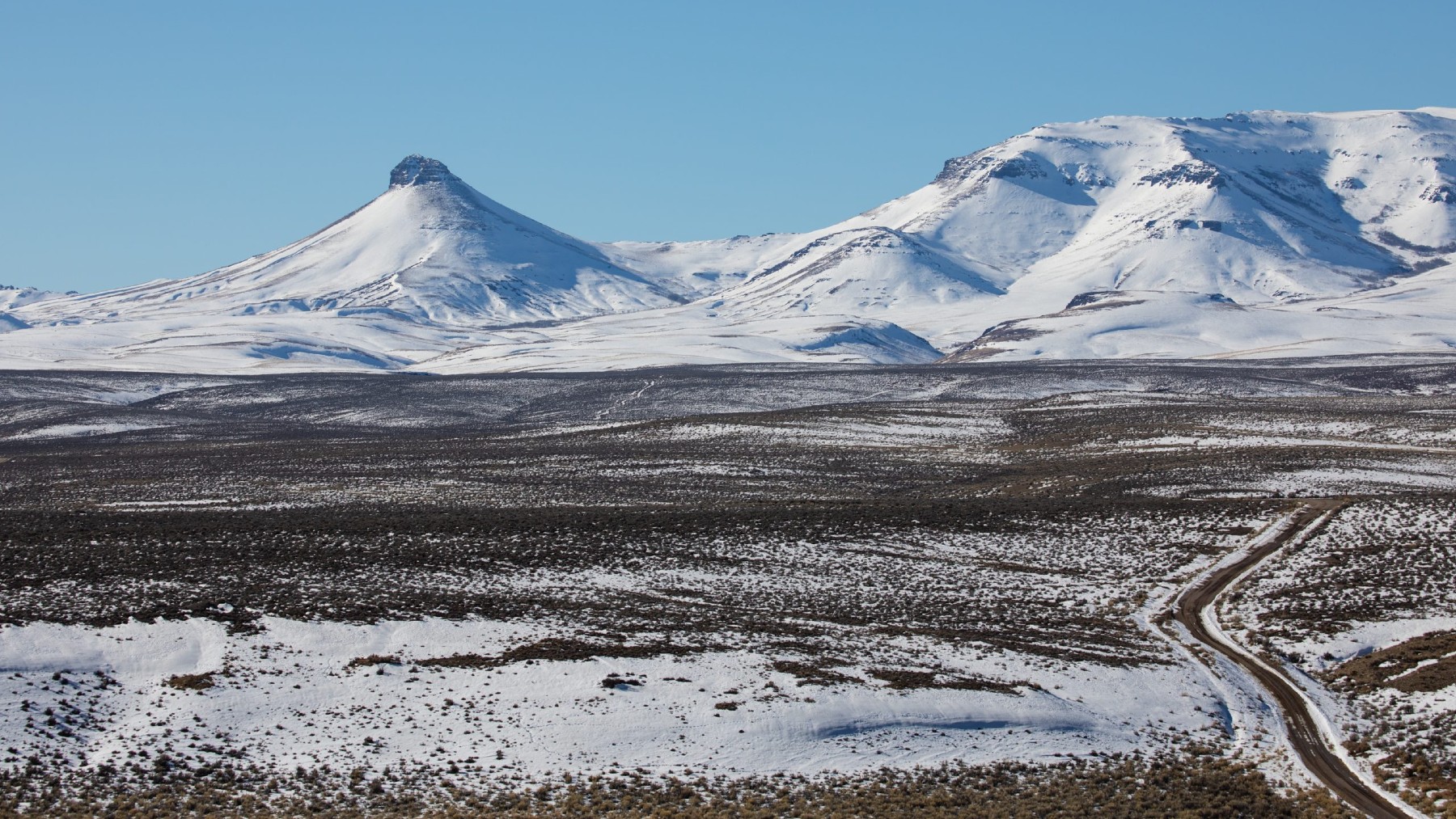
Buried under the desolate landscape of McDermitt Caldera, which stretches across the border between the states of Oregon and Nevada, there is some data that promises to shake up the energy map of the world. An ancient volcano formed some 16 million years ago could contain the largest deposit of lithium known in the world, weighing somewhere between 20 to 40 million metric tons. It may be “white gold,” but with an emerging market expanding demand for lithium, this would make the U.S. a contender in the clean energy revolution, notwithstanding the environmental and socio-cultural concerns that come along with mining.
McDermitt Caldera: The home of a lithium-rich wonder
The massive eruption of a volcano that blasted out huge volumes of lithium-rich magmas began McDermitt Caldera. It produced a crater amounting to 616 square miles, which later became a lake full of volcanic sediments found over hundreds of thousands of years, during which these sediments underwent a one-of-a-kind natural refinement process.
These high concentrations of solutes, with lithium included, deposited layers of clay-rich sediment into the lakebed. But that was not the end of geological activity. A second wave of volcanism exposed these sediments to hot, alkaline brines and transformed the more common smectite clays into rare illite, with lithium concentrations far richer than normal. These illite-rich deposits, with lithium contents from 1.3% to 2.4%, are almost twice that of normal claystone-borne lithium, making McDermitt a geological bonanza.
By 2028, world lithium demand is expected to surge by 66%
Lithium is the backbone of present-day technology, as it is in batteries found in electric vehicles (EVs), mobiles, and renewable energy storages. Lithium demand is expected to rise by 66% in the next 5 years, over 2023 and 2028, consuming 1.5 million metric tons by the end of this time.
Of this demand, a great deal of it could be met by McDermitt Caldera. McDermitt reserves are estimated to be at least double the known largest lithium deposit, Bolivia’s Salar de Uyuni. For the US, this could mean assured domestic supply of lithium and decreased foreign dependency along with greater insulation of the industry from fluctuations in world markets.
But it is not without its challenges. Mining must address environmental issues as well as the sacredness of the land to Native American tribes. Moreover, the water separation and sulfuric acid leaching must ensure that energy consumption and environmental disruption are kept to a minimum for sustainability.
Geopolitics has changed now: Lithium resources in America will challenge the monopoly held by the Chinese
The resolution of McDermitt resource discovery has many changes for the global lithium market; it will now change pricing and geo-politics as it currently is. Now, China dominates lithium and always plays a strong role in the large South American reserves, with it being able to use McDermitt to counter that influence through the US entry into the clean energy economy.
As geologist Anouk Borst notes, “this deposit could change the game for lithium globally”. There is no overestimate to the value of having access to a reliable supply at home as competing companies try to meet net-zero targets.
Mining at McDermitt could also serve as a springboard for new developments in lithium extraction technology and could lead to the discovery of similar resources around the globe. McDermitt Caldera is a place where a unique event in geological history combines with the specific technological opportunity and geopolitical importance.
It can let the US move forward on the clean energy transition and, at the same time, change the world lithium markets. But while the mining operations are being planned to start already by 2026, balancing these economic ambitions remains with an environmentally sound, culturally respectful way forward. In the age of “white gold,” McDermitt Caldera may just provide those keys to a sustainable future.