Global warming leaves us without seasons: the first regions to go only from winter to summer
· 3 min read
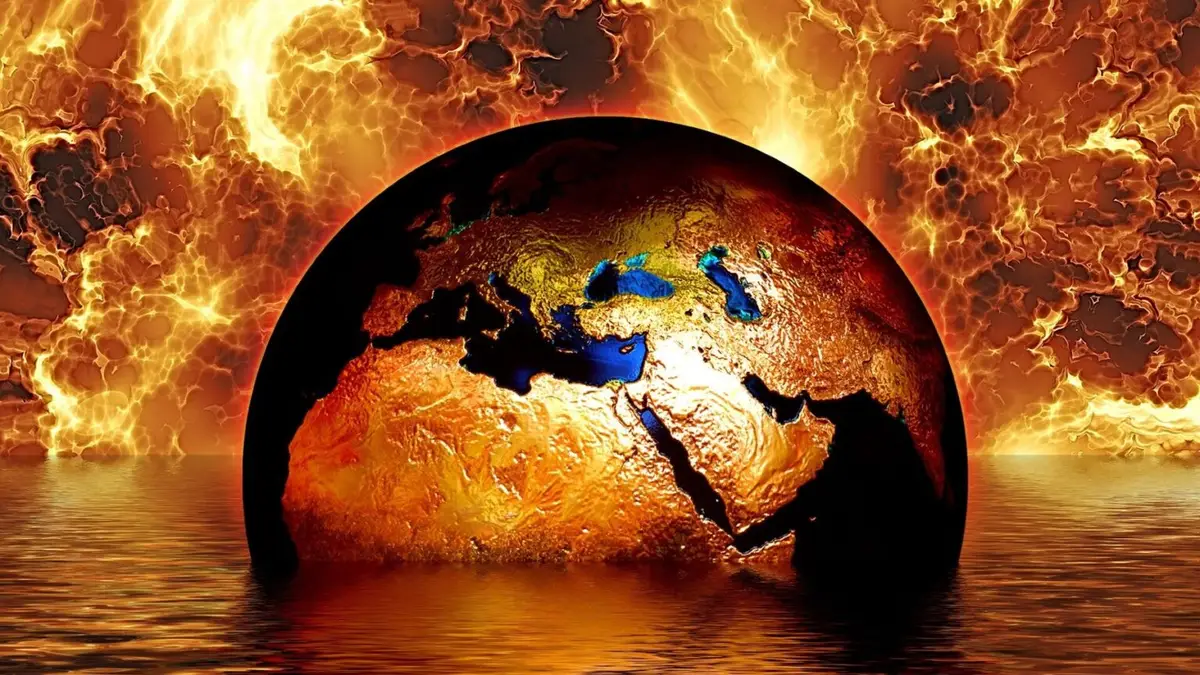
Global warming is wreaking havoc on the planet, and in America it is affecting us from the east coast to the west. The upcoming hurricane season will be “explosive,” according to official sources, but what if there were no hurricanes at all? That’s similar to what happens in countries that don’t have the four seasons, as we are going to see now.
Four seasons are disappearing: global warming is behing this warning trend
Global warming refers to the long-term rise in global average temperatures, largely driven by human-caused emissions of greenhouse gases like carbon dioxide and methane. As the planet warms, seasonal weather patterns are being disrupted, causing some regions to lose their distinct seasons.
Many locations around the world that previously had four seasons – spring, summer, fall, and winter – are now transitioning to just two main seasons – winter and summer. The spring and fall transitional seasons are shortening dramatically or vanishing altogether.
This is due to climate change impacts like rapidly warming temperatures, earlier spring thaws, later fall freezes, and more extreme weather. It is something similar to what happens in Southeast Asia, where they have the monsoon (not related to climate change, but with torrential rains for weeks).
These regions are losing their four seasons: we could be the next ones
Some regions around the world are already experiencing a blurring of the traditional four seasons into effectively two seasons – winter and summer. This loss of distinct seasons is being driven by climate change and global warming, as IPCC scientics have been warning about.
The Arctic is warming at twice the global rate, leading to much hotter summers and less bitter winters. Parts of Alaska, Canada, Greenland, Russia, and Scandinavia near the Arctic Circle are most affected. Temperatures can swing 40°C from winter to summer, leaving little time for spring and autumn transitions.
Mountain regions are similarly affected as warmer temperatures creep higher. Places like the European Alps and Rocky Mountains in the western US and Canada are seeing shorter ski seasons, earlier snowmelt, and more rain instead of snow in winter.
As climate change accelerates, more regions further from the poles and equator are likely to lose distinct seasons in the coming decades. Parts of Europe, Asia, and North America may transition from four seasons to effectively two. The results will be profound on both human society and natural ecosystems.
Ecosystems are threatened: global warming is changing something more than seasons
The mismatch between seasons is already altering ecosystems in concerning ways. Many plant and animal species depend on seasonal cues for key life events like migration, blooming, and egg-laying. If those cues get out of sync, it can threaten the survival of species.
For example, migratory birds are arriving at breeding grounds too late for peak food availability. Meanwhile, plants are blooming earlier, disrupting pollination cycles and food sources for other wildlife. Species like pikas and marmots emerge from hibernation only to face late cold snaps with no food available yet.
Entire ecosystems risk collapse if certain keystone species cannot adapt quickly enough. Plus, invasive species often adapt better to climate change than native ones, enabling them to take over habitats. The reshuffling of natural communities and extinction of vulnerable species will reverberate through the food web.
Once again, we see the effects that global warming is causing on the planet, and not only because of the increase in sea temperatures, but also in the average environment. A year with an eternal summer would be catastrophic for life on Earth, and the climatic cycles of our planet show us that it would be perfectly possible, credible and frightening.
Glossary for this story
- Global warming
- The rise in the Earth’s average temperature since pre-industrial times, driven mainly by greenhouse gases from human activity.
- Greenhouse gases
- Gases that trap part of the heat the Earth gives off, such as carbon dioxide, methane and nitrous oxide. More of them in the air warms the planet.
- Methane
- A greenhouse gas far more powerful than CO₂ in the short term. It comes from livestock, landfills, rice fields and natural gas leaks.
- Climate change
- A long-lasting shift in the planet’s climate: temperatures, rainfall and extreme events. Today’s change is caused mainly by burning fossil fuels.
- IPCC
- The Intergovernmental Panel on Climate Change: the U.N. body that assesses climate science and publishes the reference reports.
- Ecosystem
- A community of living things and the environment they live in, together with the relationships between them.
- Invasive species
- A species carried by people outside its natural range that spreads and harms native species or ecosystems.
ECOnews Newsroom
Writer at ECOnewsA team of journalists specializing in socio-environmental news, sustainability, climate change, the environment, responsible consumption, and innovation. At EcoNews, we provide clear, reliable, and relevant coverage of the environmental and social challenges shaping our era.
More from ECOnews NewsroomComments · 0
Rules ›No comments yet. Be the first to share your view.