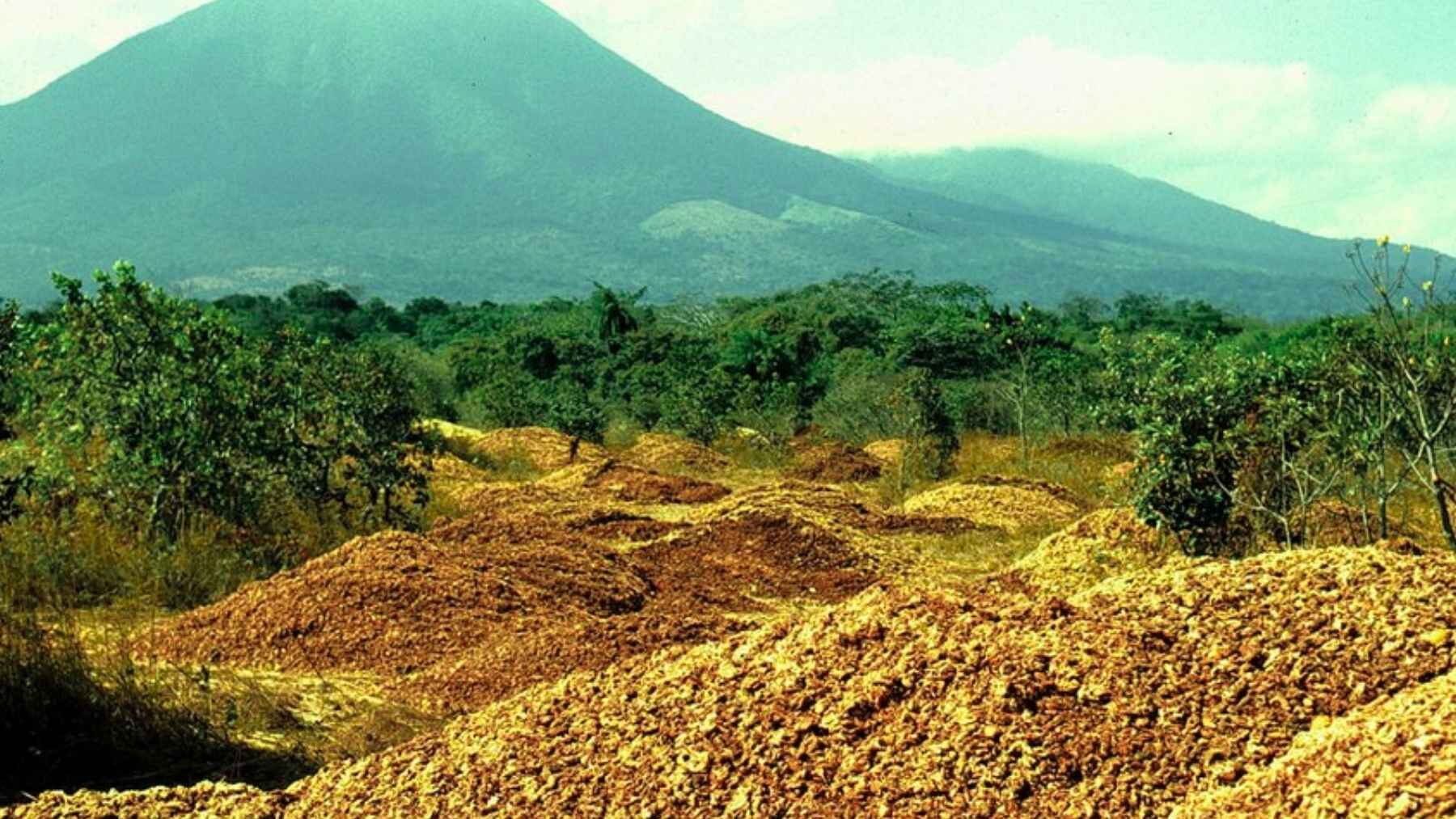
In 1998, roughly 1,000 truckloads of orange peels and pulp were spread across 7.4 acres of damaged cattle pasture in northwestern Costa Rica. The processed fruit waste weighed about 13,200 U.S. tons. Picture five or six football fields covered in citrus leftovers. A lot of leftovers.
Fifteen years later, a returning ecologist had trouble finding the plot because trees and vines had swallowed its 7-foot marker. Measurements taken the following year found richer soil, a much denser canopy, three times as many woody plant species, and 176 percent more woody biomass above the ground than a neighboring untreated pasture.
What had happened? A waste problem had somehow become an unusual forest restoration experiment.
An unusual trade
The original project traces back to ecologists Daniel Janzen and Winnie Hallwachs, longtime technical advisers at the Área de Conservación Guanacaste and researchers affiliated with the University of Pennsylvania.
They proposed a pretty unusual deal with orange juice producer Del Oro. The company could send processed peels and pulp to degraded parkland for natural biodegradation, while donating forested property to the conservation area.
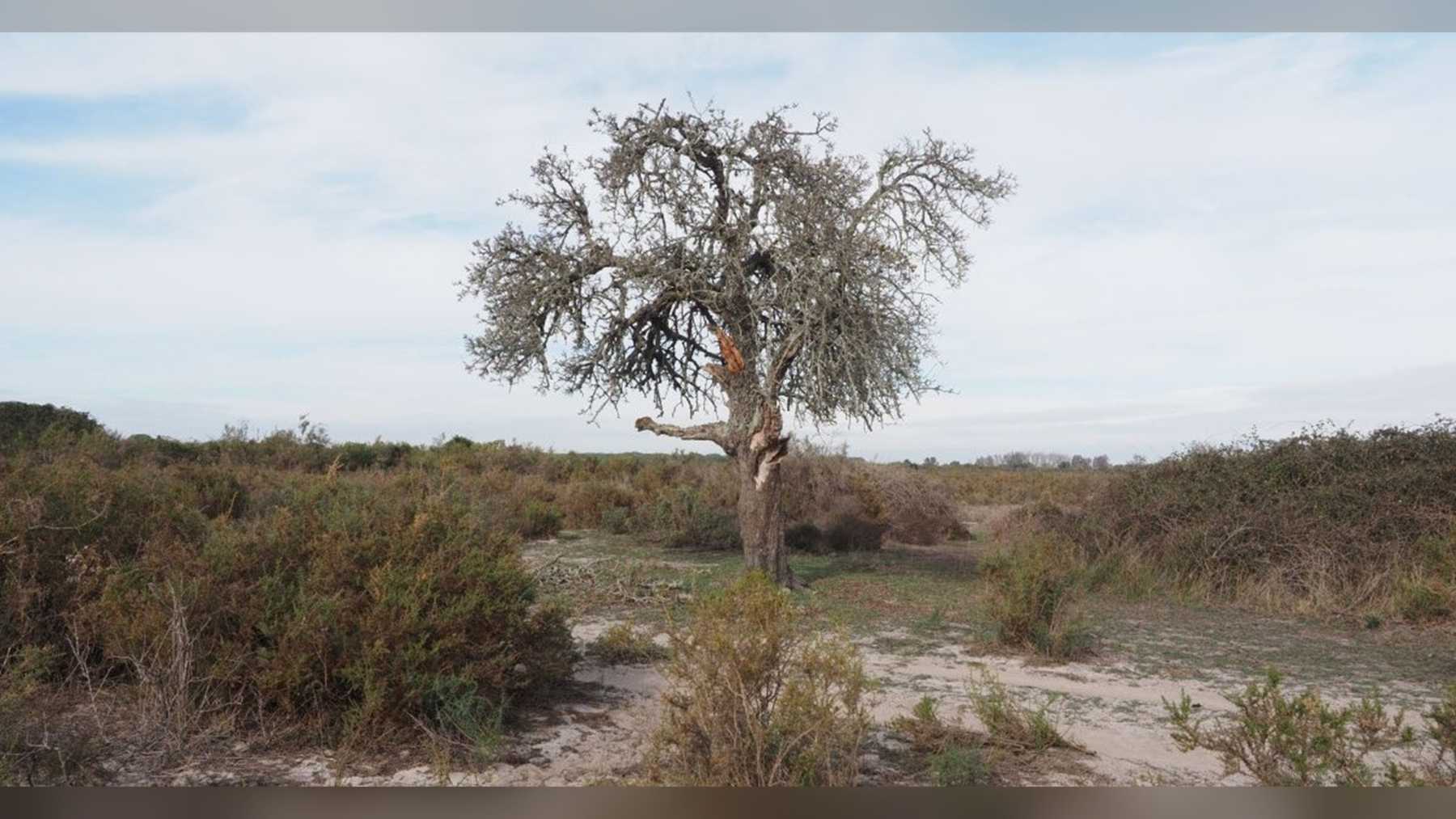
The chosen ground was compacted, rocky, nutrient-poor, and scarred by years of grazing and burning. It was also dominated by jaragua, an African pasture grass that crowds out young trees and burns readily.
In practical terms, seedlings were trying to take root in hard soil beneath a layer of living tinder. Not exactly ideal.
One thousand truckloads, then a lawsuit
The large deposit began in early 1998. Trucks covered the site with peels, seeds, and pulp. Then the material was simply left there to break down, without tree planting or deliberate seeding.
A smaller pilot had already shown that insects, fungi, bacteria, and wet-season conditions could reduce the fruit waste quickly. So far, so good. But the plan did not last.
Rival processor TicoFruit sued, arguing that the operation had improperly placed industrial waste in a national park. The legal challenge stopped the agreement after Costa Rica’s Supreme Court sided with the complaint.
The citrus material already on the ground stayed put. It decomposed. Then the site faded from attention.
The sign disappeared behind new growth
In 2013, ecologist Timothy Treuer visited while looking for research projects. Finding the old experimental plot should have been easy. It wasn’t.
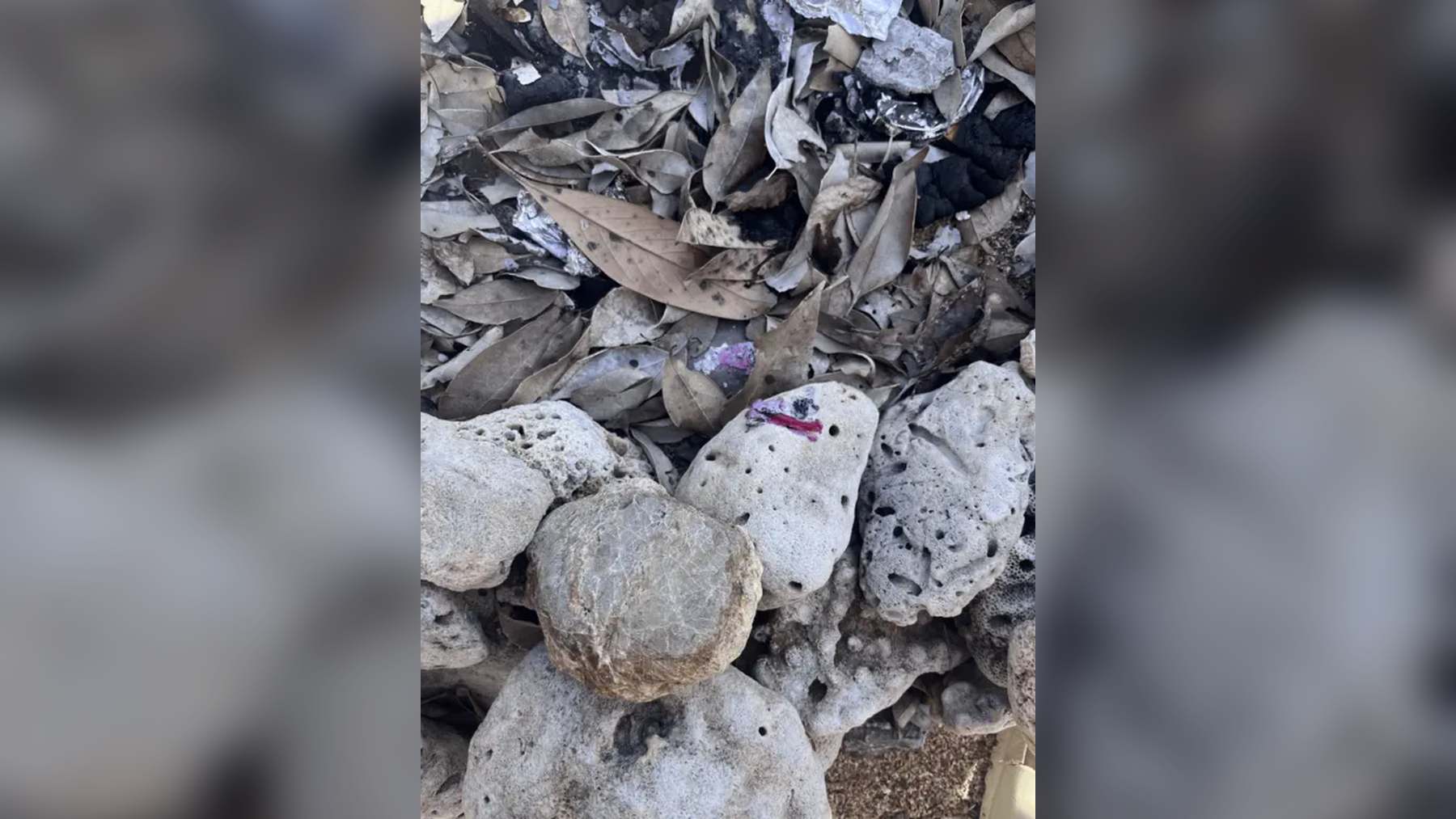
The bright marker stood only a few feet from the road, yet trees and vines had almost erased it from view. The site was so overgrown that Treuer initially struggled to locate it.
That raised an obvious question. What was going on here? A Princeton University-led team, including Jonathan Choi, returned in 2014 to replace that striking first impression with actual measurements. Researchers tagged and measured trees along parallel survey lines, photographed the canopy, and tested the soil.
They also repeated the work in a nearby pasture that had not received orange waste. Now they had something to compare.
The treated plot looked very different
The difference was hard to miss. Researchers recorded 24 tree species in the treated area and eight in the control, along with 820 saplings versus 353. The mix of species was also more balanced instead of being dominated by only a few kinds of trees.
The treated plot held nearly three times as much woody biomass. Put simply, that means much more living wood in trunks and branches.
Its canopy also blocked far more sky, another sign that a young secondary forest was developing. Was it a mature tropical dry forest? No. Not yet. But it was far beyond the sparse pasture next door.
How orange peels may have helped
So, what did the orange peels actually do?Probably more than one thing. As they decomposed, they added major nutrients and trace minerals to the topsoil. At the same time, the thick layer may have smothered jaragua much like cardboard laid over weeds in a garden.
Less grass meant young trees had less competition. It may also have meant less fire.
Still, the researchers could not separate fertilization from grass suppression or other biological effects. And there was another important factor.
The land was protected. Cattle had been removed, fires were controlled, and nearby forest could supply seeds.
In other words, the orange waste appears to have pressed the accelerator. But it wasn’t driving alone.
This is not permission to dump food waste
There is an important catch. The result is striking, but the study had only one treated plot and one nearby comparison site. It was not repeated across different soils, climates, waste types, or landscapes.
That makes it a fascinating case study. Not a universal recipe.
Large piles of agricultural waste can also contain pesticide residues, harmful chemicals, pests, pathogens, or runoff that reaches streams. Any similar project would need environmental testing, legal approval, careful siting, and long-term monitoring.
So no, tossing kitchen scraps into a forest is not restoration.
Why the experiment still matters
Forest restoration can be expensive. Food processors, meanwhile, may have to pay to dispose of huge amounts of nutrient-rich leftovers.
See the connection? Combining those two problems could lower costs and help young forests store more carbon in wood as they grow. The researchers described this possibility as “cost-negative” carbon sequestration, meaning carbon storage that comes with avoided disposal costs rather than a large new bill.
Other research has also shown that natural regeneration can produce strong restoration outcomes in tropical forests. The Costa Rican site offers a memorable example of how a carefully managed waste stream might remove one of the barriers holding recovery back. The key words are “carefully managed.”
A forest, but not a free miracle
The orange-peel plot did not instantly recreate an ancient ecosystem. Far from it.
It became a young secondary forest over many years, and its future still depends on protection from grazing, repeated fire, and other disturbances. Forest recovery takes time.
Even so, the contrast across a single road was hard to ignore. One side remained open and grassy. The other carried more species, richer soil, thicker shade, and far more wood.
Quite a change for a place once covered in orange peels.
Sometimes forest restoration may begin with a surprisingly simple question. Can one industry’s leftovers become an ecosystem’s raw material?
The full study was published in Restoration Ecology.