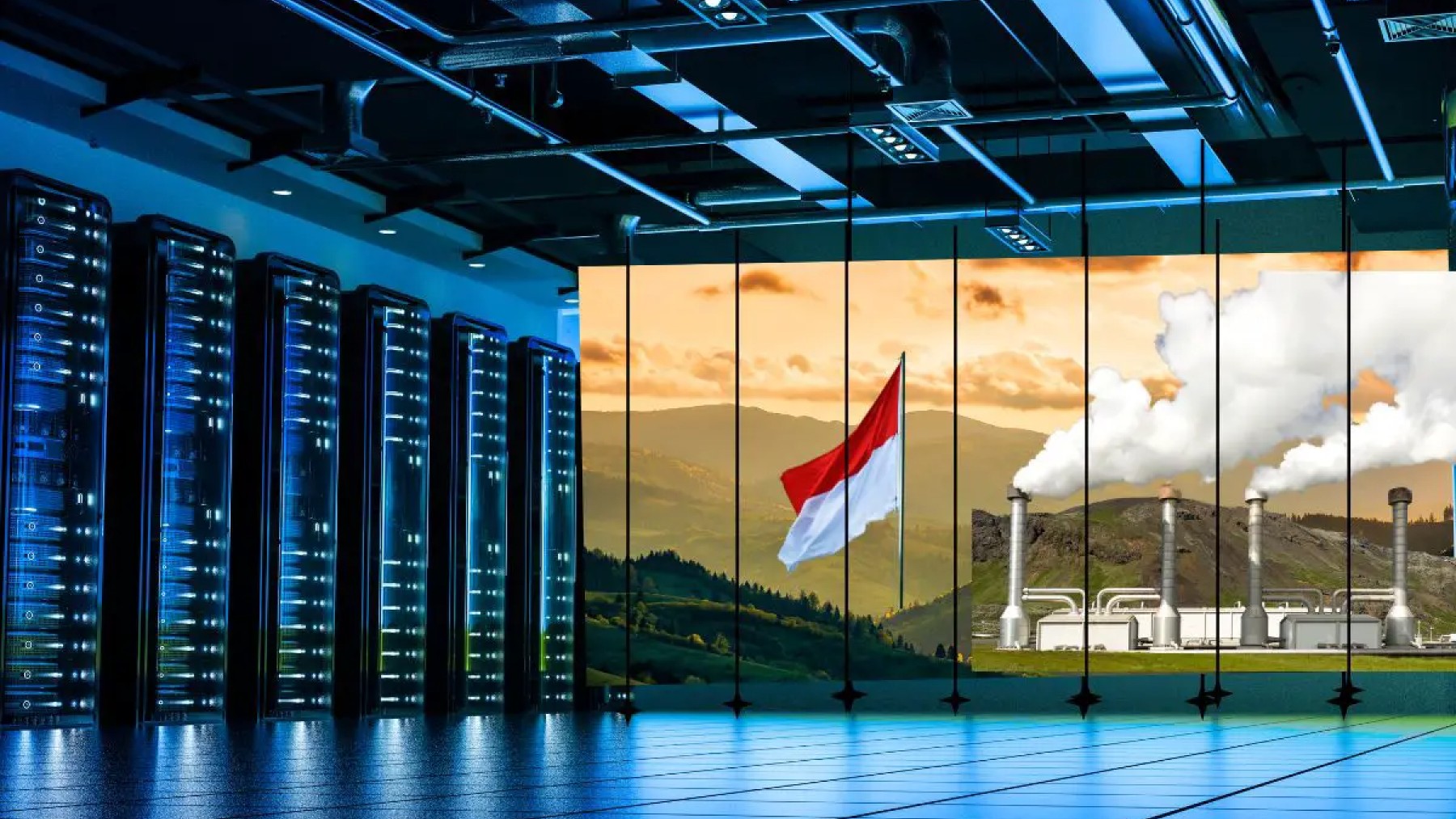
Every time you chat with an AI bot online, a data center somewhere has to power up to generate a response. Contrary to what it may seem, AI bots and other internet-based software do not exist only as part of the cloud. Companies like Meta and Google use data centers to host their products and services. These data centers eat up a huge amount of power. To keep the world from experiencing a global internet blackout, these companies are looking at using geothermal energy as a solution.
Powering up the internet takes more energy than you can imagine, and Google and Meta want a new solution
It may be shocking to discover that the internet uses between three to six percent of all electricity on the planet. The exact amount of power is hard to quantify, but experts know for certain that companies such as Google and Meta require a massive amount of energy to operate. The reason is because the internet rests on a foundation of data centers. These facilities house all of the infrastructure the internet needs to exist, and those systems have to be cooled down constantly so they don’t overheat.
Google and Meta are just two of the companies looking for energy solutions. Neither one wants to scale back operations, and both are heavily invested in developing their artificial intelligence platforms. The only way they can continue to meet their energy needs is with renewables. However, solar and wind are too unpredictable to use to power data centers. Geothermal might be an effective alternative.
To keep the internet from going dark, big companies will have to embrace geothermal energy
Geothermal energy is a unique source because it can run 24/7. Because geothermal energy comes from within the Earth, there is constant heat. With this infinite source of heat, companies can turn liquid into steam to turn turbines and generate electricity at any time of day in any season. This is exactly the type of clean energy that big tech companies are looking for.
Meta and Google have not always been at the forefront of sustainability, but even these mega-rich companies recognize that fossil fuels will one day run out. To prevent serious internet shortages due to power issues, these companies have been looking into geothermal energy as a solution. Google is already running a data center in Nevada off of geothermal energy.
Innovative startups in the geothermal energy sector are helping giant tech companies become sustainable
One of the limits to geothermal has been geography. For many years, energy companies didn’t have the technology to capture the Earth’s heat if that heat was too far below the surface. So the only places that could use geothermal were areas with active hot springs and geysers. However, this is changing thanks to innovative startups like the company Fervo, based in Utah.
Technological breakthroughs are paving the way for new geothermal power plants across America. Fervo is using deep-drilling tech to reach hot spots that are far under the Earth’s surface. These places, some in Utah and some in Nevada, were once thought of as energy barren, but Fervo is proving that with the right technology, it can turn even empty desert into a geothermal energy gold mine. Google is getting on board with these new projects to help ease its transition to renewable energy.
This type of innovative geothermal technology isn’t widely available yet, but it could change where data centers are located. Meta is exploring a deal with a different geothermal company, Sage Geosystems. However it happens, using geothermal to power the internet can only lead to safer and better energy solutions for the world.