NIOSH wants to update its 1972 carbon monoxide limit for workers, turning a 200 ppm ceiling that should never be crossed into a 10-minute average
More than 400 Americans die each year from accidental carbon monoxide poisoning, and NIOSH is taking public comments until February 22, 2027.

· 3 min read
Federal workplace safety scientists want to update a carbon monoxide recommendation that has stood since 1972. The National Institute for Occupational Safety and Health has proposed turning its 200 parts per million ceiling, a level never to be crossed, into a short-term limit averaged over 10 minutes. The agency says the change reflects better science and improved monitoring technology, and the notice describes no change to the whole-day average limit, which NIOSH currently lists at 35 parts per million. Carbon monoxide is colorless and odorless, and it can build to dangerous levels within minutes, even in areas that seem well ventilated. Common workplace sources include portable generators, small gasoline engines, pressure washers and forklifts. The public can comment until February 22, 2027, at regulations.gov under dockets CDC-2026-1849 and NIOSH-357. Comments are not accepted by email. NIOSH says it will publish a final version that responds to them.
Key points
- NIOSH's time-weighted average limit is 35 ppm, and OSHA's is 50 ppm.
- Carbon monoxide becomes immediately dangerous to life or health at 1,200 ppm.
- Forklifts, pressure washers and portable generators are common sources at work.
- NIOSH's 1972 recommendation also set a whole-day average limit.
Federal workplace safety scientists want to update a carbon monoxide recommendation that has stood since 1972. The National Institute for Occupational Safety and Health, part of the CDC, has opened a public comment period on the draft.
The proposal appears in a Federal Register notice published on November 23. It concerns one limit in particular: the 200 ppm ceiling would become a short-term exposure limit.
Comments are open until February 22, 2027, under dockets CDC-2026-1849 and NIOSH-357 at regulations.gov. The agency does not accept comments by email.
From ceiling to average
NIOSH published its original carbon monoxide recommendations in 1972. They included a limit averaged over a whole working day and a ceiling of 200 parts per million that was not to be exceeded at any point.
The draft would replace that ceiling with a short-term exposure limit, still set at 200 parts per million. The difference is that it would apply as an average over 10 minutes, instead of as a line that can never be crossed.
According to the notice, the change reflects better science and technology since 1972. That includes the instruments and monitoring methods now used to detect and control carbon monoxide at work.

The notice does not describe any change to the whole-day average limit. In its pocket guide to chemical hazards, NIOSH currently lists a recommended time-weighted average limit of 35 ppm, alongside the 200 ppm ceiling.
How the numbers compare
The same guide lists the federal Occupational Safety and Health Administration's permissible exposure limit at 50 ppm, also as a time-weighted average. NIOSH puts the level considered immediately dangerous to life or health at 1,200 ppm.
For concentrations up to 350 ppm, the guide lists any supplied-air respirator as protection. In weight terms, it converts 200 ppm to 229 milligrams per cubic meter of air.
Questions for reviewers
NIOSH is asking reviewers five questions. One is whether the evidence and modeling support moving from the ceiling to the 10-minute average.
It also asks whether the proposed limit protects workers from the acute effects of short exposures. That covers both the 10-minute window and a full working day. Other questions cover whether the draft explains its reasoning clearly and whether any scientific studies are missing.
The institute bases its limits on reviews of human and animal toxicity data. It also weighs whether the recommendations can be put into practice with available measurement methods and technologies, the notice explains.
Once comments are in, NIOSH says it will publish a final version that responds to them. It will appear on the NIOSH website and in the two dockets.
Where workers meet the gas
Carbon monoxide is a colorless, odorless and toxic gas produced when carbon-containing materials burn incompletely. NIOSH lists portable generators, small gasoline engines and tools, marine engines, pressure washers, forklifts and coal-burning power plants among the sources at work.
The gas can build up to dangerous or fatal levels within minutes, the agency warns, even in areas that seem well ventilated. Because it gives no warning, workers often have little time before symptoms make it hard to get to safety.
NIOSH also points to a false sense of safety. Workers who use the same equipment many times without trouble have later been poisoned by it.
Symptoms listed by NIOSH include headache, confusion, fatigue, dizziness, nausea, seizures and loss of consciousness. Anyone who has them should get to fresh air and seek medical help right away.
Its advice is to keep gasoline-powered engines and tools out of buildings and partly enclosed areas. Generators, compressors and the power units of pressure washers should sit outside, away from air intakes, and battery-operated detectors should be installed and tested often.
A risk at home too
Carbon monoxide is not only a workplace problem. Each year, according to the CDC, more than 400 Americans die from unintentional carbon monoxide poisoning not linked to fires.
More than 100,000 visit an emergency department and more than 14,000 are hospitalized. Furnaces, portable generators and charcoal grills are among the household items that produce the gas.
Infants, older adults and people with chronic heart disease, anemia or breathing problems are more likely to get sick. People who are asleep or drunk can die before they notice any symptoms, the CDC says.
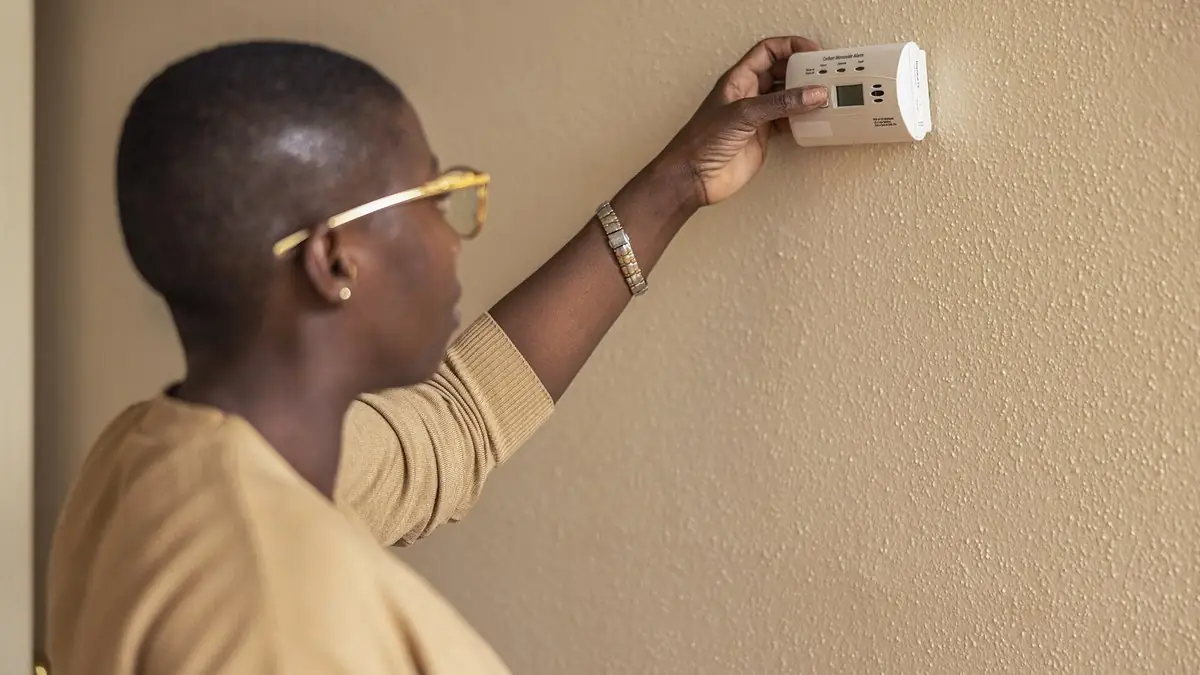
The CDC recommends battery-operated or battery backup detectors near every sleeping area, replaced as the maker advises or every five years. It also advises having furnaces, water heaters and other fuel-burning appliances serviced by a qualified technician every year.
Photo: U.S. Consumer Product Safety Commission
Javier Niño
Writer at ECOnewsJavier Niño has been a Spanish National Police officer since 2017 and a journalist specialising in employment, labour law and Social Security, with more than seven years of writing experience. At ECOnews he covers environment, energy and sustainability news, focusing on how new regulations and court rulings affect people in their everyday lives.
More from Javier NiñoComments · 0
Rules ›No comments yet. Be the first to share your view.