The Army has moved the Iowa lead azide detonation to Wednesday, November 25, to allow for better weather and all mitigation measures to be in place
Iowa officials tell people where lead azide dust could settle to stay inside for 24 to 48 hours, and farmers to shelter livestock until the all clear.

· 3 min read
The Army has moved the planned destruction of degraded lead azide at the Iowa Army Ammunition Plant in Middletown to Wednesday, November twenty-fifth. It is the second delay in less than a week. The Army says the new date allows for better weather and for all safety measures to be in place. Officials say the material cannot be safely moved, so detonating it on site is the only option. The Environmental Protection Agency issued an emergency permit covering sixty-eight drums. To limit the spread of lead, crews will soak the soil and run water misters during the blast. The Army expects the dust plume to linger for no more than an hour. Iowa health officials advise people in affected areas to stay indoors, with windows and doors closed, for twenty-four to forty-eight hours afterward. Farmers are urged to shelter animals and cover feed.
Key points
- The EPA's emergency permit covers 68 drums of degraded lead azide.
- The barrels sit in earth-covered concrete magazines ringed by sand barriers two stories high.
- The Army found the material degrading in its bunkers in March.
- Iowa's DNR will independently review all air, land and water monitoring data.
The Army now plans to destroy the degraded lead azide at the Iowa Army Ammunition Plant on Wednesday, November 25. The plant is in Middletown, Iowa. It is the second date change in less than a week.
In a short update posted late Sunday, the Army explained the delay. The new date allows "for more optimal weather conditions and all mitigation measures to be emplaced," it said, adding that more details "will be forthcoming."
The detonation was first set for Friday, November 20. On November 19, acting Army Secretary Adam Telle pushed it back to Monday, November 23. He said the aim was to wait "until the latest possible moment prior to a forecasted temperature drop," which could make the material even less stable.
Why it cannot be moved
The Army says it found the degrading lead azide in bunkers at the plant in March. It worked with the Environmental Protection Agency, experts and the local community on a plan. Their conclusion was that a controlled detonation posed the lowest risk to the public.
On November 18, the EPA issued an emergency permit for the detonation of 68 drums of the material. According to the agency, the lead azide recrystallized during long-term storage. That makes it sensitive to friction and shock, with a risk of spontaneous explosion.
The Army concluded, according to the EPA, that the material cannot safely be handled or moved. Detonating it in place is the only option. Under the permit, the Army must warn the public in advance, take samples before and after, clean up contaminated areas and report back to the EPA.

How the blast will be contained
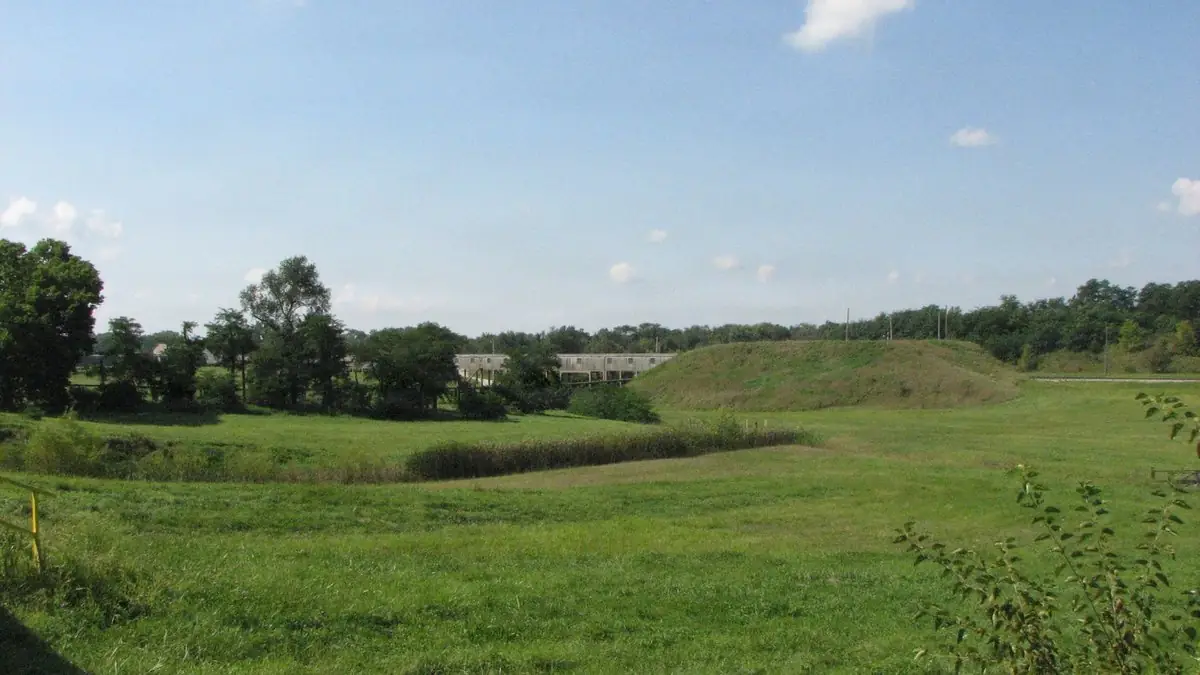
The Army's public advisory for the original date describes two controlled detonations. The barrels sit inside concrete magazines covered with earth. Sand-filled barriers about two stories high surround them.
Before and during the detonation, crews will soak the soil above the magazines while water misters spray. The Army says this should reduce how much lead leaves the installation through the air.
Its modeling predicts that lead levels in the air may rise. Even so, they should stay well below the point at which the EPA would require protective action. The dust plume is expected to linger for no more than an hour, depending on the wind.
The Army has published two maps, one for breathing in lead dust and one for dust settling on surfaces. They are to be updated six hours before the detonation and every hour from then until it happens. Once it is over, the Army will issue a final estimate of the affected area.
What Iowa is telling residents
Governor Kim Reynolds activated the State Emergency Operations Center on Friday, her office said on Sunday. A new state website gathers information from the Army, the EPA, the USDA and state agencies.
Reynolds said protecting "the health and safety of our people and communities" is the state's highest priority. The Iowa Department of Natural Resources has let the Army onto state-managed land in the areas at risk. Its technical team will independently review all monitoring data on air, land and water.
State health officials have their own advice for people in potentially affected areas. Iowa HHS says to stay indoors with windows and doors closed for 24 to 48 hours after the detonation. It also suggests putting heating and cooling systems on recirculation and using a portable HEPA air cleaner.
That matches what Illinois officials told people in the plume's path last week. Iowa HHS adds that no safe level of lead has been identified, especially for young children and pregnant women. Anyone worried about exposure should ask a doctor whether a blood lead test makes sense.
Advice for farmers
Livestock producers near Middletown got their own checklist from the state agriculture department. It suggests asking the Army to sample soil and forage on their farms before and after the detonation. If the Army cannot, farmers can collect samples themselves.
The department also suggests moving animals indoors if possible, along with feed, hay bales and portable water tanks, or covering supplies that cannot be moved with a tarp. Animals should stay sheltered until the Army gives the "all clear." According to the Army, the dust may take several hours to settle.
Once it settles, the department suggests power washing barns, fences, feeders and other equipment. State Agriculture Secretary Mike Naig is also working with federal Agriculture Secretary Brooke Rollins and USDA state leadership. The aim, the governor's office said, is to identify potential resources for affected crop and livestock producers.
U.S. Army photo by Dori Whipple
Glossary for this story
- EPA
- The Environmental Protection Agency: the U.S. federal agency in charge of protecting air, water and land and enforcing environmental laws.
Adrián Villellas
Writer at ECOnewsAdrián Villellas is a computer engineer and entrepreneur in the fields of digital marketing and advertising technology. He has led projects in data analysis, sustainable advertising, and solutions for new audiences. He also contributes to scientific initiatives related to astronomy and space observation. He writes for science, technology, and environmental media outlets, where he makes complex topics and innovative advances accessible to a broad audience.
More from Adrián VillellasComments · 0
Rules ›No comments yet. Be the first to share your view.