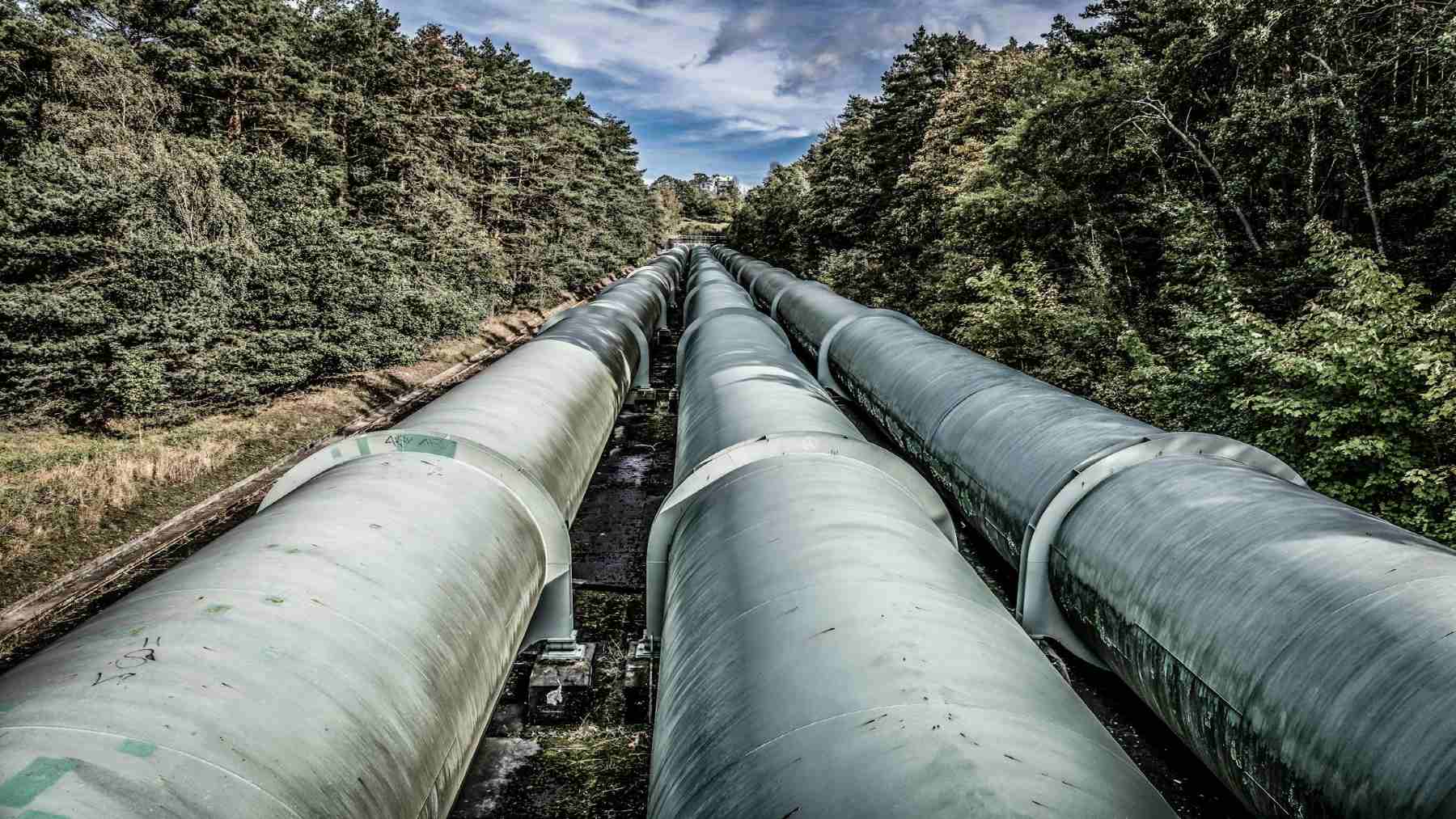
There’s a heated debate going on about how to produce and ship hydrogen to buyers. Some companies want to use pipelines that were built to transport oil and gas, but experts say it’s not going to work. Climate activists are calling out for investment in new infrastructure to help the world embrace this important source of clean energy. The tides may be shifting in favor of the environment, but it will take innovative thinking to bring about positive changes.
Natural gas and oil companies want to fill existing pipelines with hydrogen, but there’s a problem
There’s been a new and exciting development in the clean energy sector. Many industrialized nations, particularly in Europe, are interested in transitioning to the use of green hydrogen as a sustainable fuel source. This element has the potential to help the world reduce carbon emissions. Burning it only creates water vapor as a byproduct. The problem is that hydrogen producers need to find efficient ways to transport the fuel to buyers.
Companies like Exxon Mobil have been telling investors and governments that using existing oil and gas pipelines to ship hydrogen is fine. These companies aren’t looking at the full picture and might be misrepresenting the facts. Oil and gas pipelines were never meant to handle hydrogen, but private companies want to use them anyway to save on costs and start shipping hydrogen as soon as possible
Experts have been warning major energy players about the risks of using gas and oil pipelines for hydrogen
Scientists and researchers have been exploring the uses of hydrogen as a fuel for decades. Hydrogen is a great option for renewable energy, but it has to be produced and handled well. Experts are raising red flags about current hydrogen production and pointing out the potential problems of shipping hydrogen in oil and gas pipelines. There are multiple issues, including:
- Pipelines becoming brittle and cracking
- Increased leakage at seals and valve points
- More stress on pipelines, leading to damage
- Having to replace broken infrastructure
Even with these dire consequences on the table, oil and gas companies still want to use their current resources to produce, sell, and ship hydrogen. Many of the larger energy companies use methane reforming to produce hydrogen, which just produces more CO2. Furthermore, mixing hydrogen with methane to make it safer to transport through the pipelines essentially negates any sustainability benefits companies want to get from the hydrogen itself.
If the world wants to use green hydrogen, global leaders and companies need to invest in new infrastructure
If the goal of using hydrogen as a fuel source is to reduce emissions, then all of the processes surrounding it have to be green. There’s clear evidence to suggest that companies cannot simply put hydrogen in existing pipelines and hope for the best. The consequences will be costly and dangerous. Instead, global leaders and large corporations need to invest in new infrastructure and new green hydrogen production technologies.
Experts in the energy sector have pointed out that hydrogen has many uses, and the best way to exploit this element is to use it in the manufacturing and transportation sectors. Using renewable energy sources to create hydrogen will help reduce the negative impact on the climate, but large investments will have to be made in researching and developing new ways of shipping it safely as well.
The future of renewable energy is bright, especially with green hydrogen as an option. Experts and private companies may be at odds about how to manage the transition to using hydrogen as a fuel, but everyone agrees that sustainability is a top priority.