What are REx cars, range extender electric vehicles with a small gasoline engine
· 3 min read
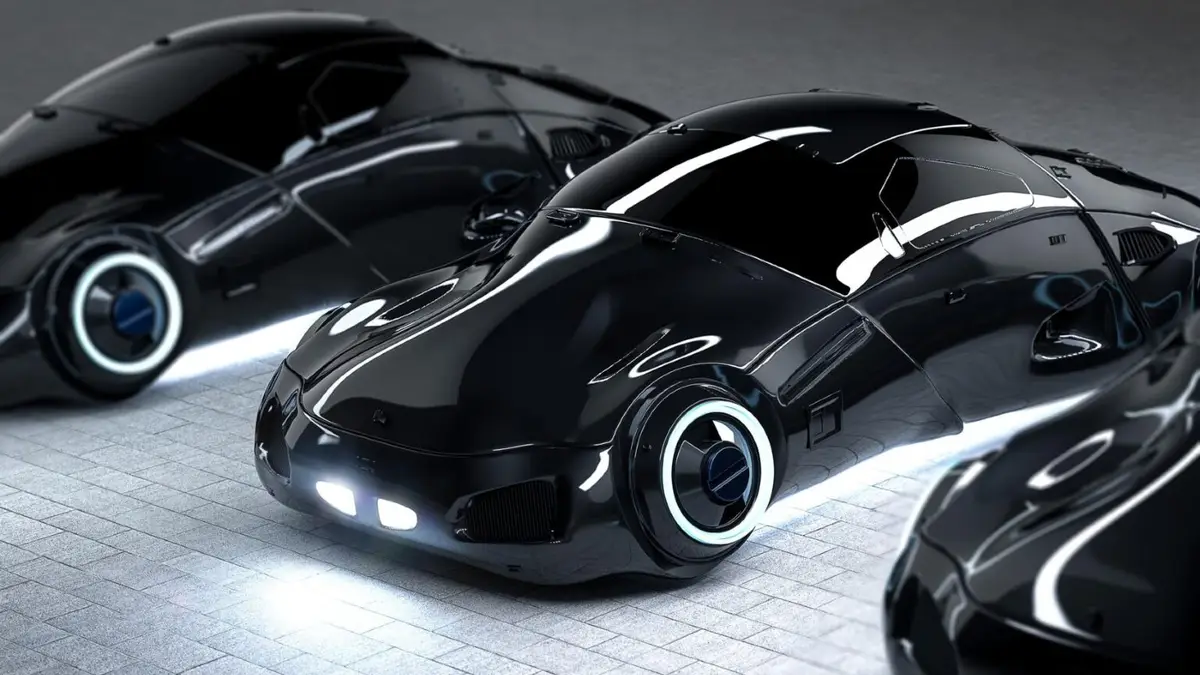
Zero-emission cars, as you know them, are distributed in several types that we usually simplify with acronyms. From EVs to FCEVs to BEVs, there are numerous ones that hide others that may not be as well known. Now, however, the automotive industry is turning its attention to REx cars, which are the key to the future. Do you know what they are? They leave hydrogen behind.
The REx cars no one knows about: what do you think there could be?
Range extender electric vehicles (REx ) are a type of hybrid electric vehicle that contains both an electric powertrain and a small internal combustion engine. The key difference between REx and regular hybrids is that the combustion engine in a REx is not connected to the drivetrain.
Instead, it serves solely as an on-board generator to charge the battery and extend the vehicle’s range when needed. In a REx , the electric motor provides all the power to drive the wheels. The gas engine only runs when the battery level becomes low, automatically turning on to recharge the battery.
This allows a REx to offer the efficiency and low emissions of an electric vehicle, with the range and convenience of having a gas engine as backup. Compared to a fully electric vehicle, REx can greatly reduce range anxiety since the small gas engine eliminates the risk of being stranded by a depleted battery.
At the same time, REx generate far lower emissions than traditional hybrids or gas-powered cars since the gas engine is rarely needed for driving. This makes REx an appealing option for environmentally conscious drivers who require greater range flexibility.
REx cars will be the future of mobility: how they solve the EVs problems
Range extender electric vehicles (REx) offer some key advantages compared to regular battery electric vehicles (BEVs). The main benefit is increased range versus a BEV of the same battery size. By adding a small gasoline or diesel engine to generate electricity, range anxiety is reduced.

Most daily driving can still be done in electric mode, with the gas engine kicking in seamlessly when the battery runs low. This avoids the range limitations of BEVs, while still providing an electric driving experience most of the time. Studies have shown many drivers don’t actually need more than 30-50 miles of EV range.
Range extender EVs provide the best of both worlds – electric driving for short trips to save on fuel costs, and the extended range of a gas engine for longer trips. This flexibility makes them appealing to drivers who aren’t ready to deal with the range anxiety or charging requirements of a pure BEV.
Current models that can be considered to be REx cars in United States
Two of the most notable range extender electric vehicles currently available are the BMW i3 REx and the Mini Cooper SE Countryman ALL4. The BMW i3 REx uses a 650cc two-cylinder gasoline motor as a range extender, which engages when the battery level drops below a certain threshold to charge and extend the vehicle’s range.
The i3 REx is capable of around 150 miles on battery power alone, and over 200 miles with the range extender. The gas tank holds 2.4 gallons, so it does not fully eliminate range anxiety but provides some extra flexibility compared to a standard EV.
The Mini Cooper SE Countryman ALL4 also uses a small gasoline motor to recharge the battery and boost overall range. It has an all-electric range of around 40 miles from its battery before the range extender activates. Overall range is estimated at around 300 miles.
As you can see, REX cars are opening the doors to a new way of understanding mobility, while solving one of the most common problems of electric vehicles, namely their range. Remember the 2000 batteries and 1.5 million kilometers of range? Well, something similar, although with a more simplified and less experimental technology to make its commercialization possible.
Glossary for this story
- Electric vehicle
- A vehicle powered by one or more electric motors running on rechargeable batteries that are charged by plugging in.
ECOnews Newsroom
Writer at ECOnewsA team of journalists specializing in socio-environmental news, sustainability, climate change, the environment, responsible consumption, and innovation. At EcoNews, we provide clear, reliable, and relevant coverage of the environmental and social challenges shaping our era.
More from ECOnews NewsroomComments · 0
Rules ›No comments yet. Be the first to share your view.