
Psychology
25 stories · since 2026 · latest, November 18, 2026
Psychology suggests that the kindest people don’t always end up surrounded by close friends; they have often learned to be helpful, understanding, and available in ways that make others feel cared for, but not necessarily understood by them
Most of us assume kindness should pull people closer. The person who remembers your birthday, answers the late-night text, and shows up to help you move…
ECOnews Newsroom · April 21, 2026
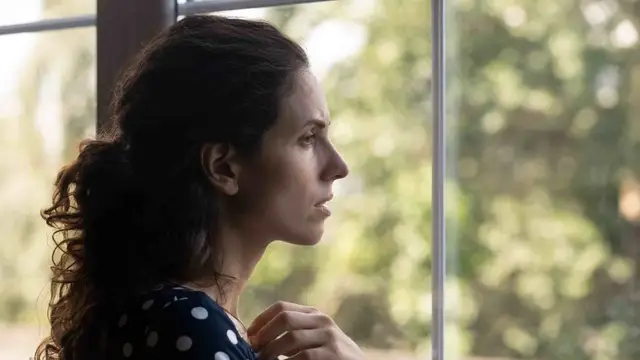
Psychology asserts that children of the 1960s and 1970s did not become emotionally strong thanks to better parenting, but because they grew up with enough daily neglect to learn to self-regulate, solve problems on their own, and develop a resilience that modern comforts make difficult to build
If you grew up hearing “be back by dinner,” you might also remember the freedom that came with it. Kids biked around, argued with friends, and got bored…
ECOnews Newsroom · April 17, 2026
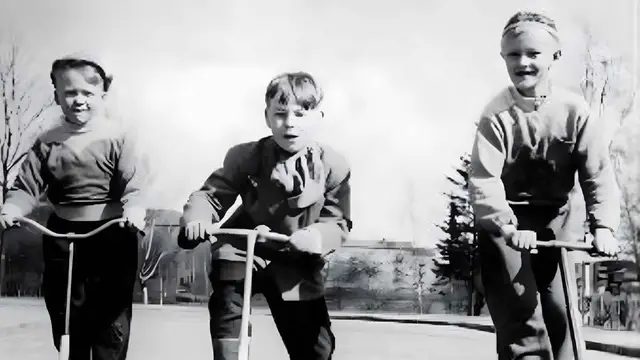
Psychology suggests that those who uphold long-standing family traditions for decades aren’t always “happy to do so”; often, they’ve turned the planning, the cooking, and the emotional management into a silent way of earning a place they fear losing if they stop shouldering the burden
For more than three decades, one family’s Thanksgiving dinner ran on a system most guests never saw. One person planned, cooked, managed the seating, and…
ECOnews Newsroom · April 17, 2026
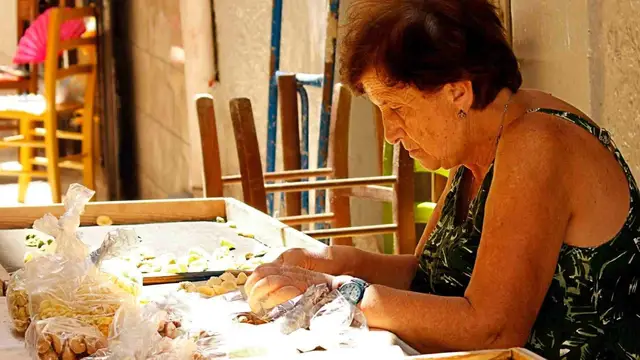
Psychology suggests that the loneliest people in life are not usually the outcasts, but rather those kind, competent, and always-available individuals whom everyone values, but whom almost no one calls to ask how they are doing because they seem too strong to need care
The person who always says yes is easy to overlook. They organize the beach cleanup, water the community garden when you are out of town, and somehow…
Adrian Villellas · April 14, 2026
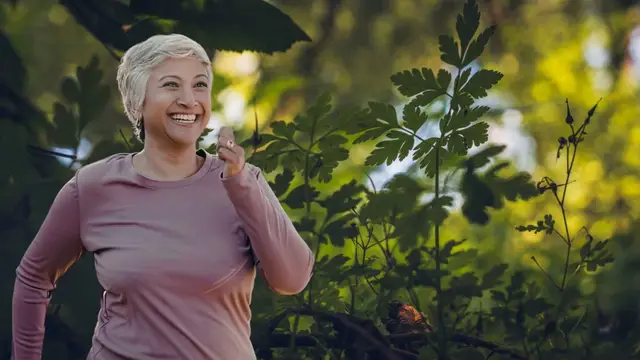
Psychology tells us that adults who DON’T have close friends aren’t necessarily introverted or cold; many simply learned long ago that letting others get too close was the quickest way to get hurt
You can have a full calendar, a busy job, and a phone full of contacts, yet still have nobody who truly knows you. How does that happen to a grown adult…
ECOnews Newsroom · April 14, 2026
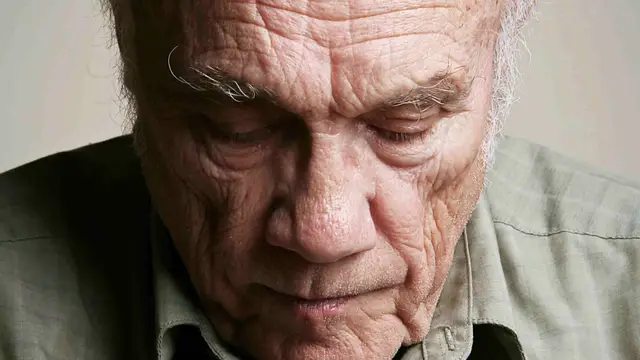
Psychology tells us that the loneliest part of growing old isn’t being alone, but realizing that some friendships disappear as soon as you stop nurturing them, and understanding that they were never based on mutual care, but on your willingness to do all the emotional work
At some point, a lot of people try a simple experiment. They stop being the first to text, call, or plan the next hangout, and they wait. When days turn…
ECOnews Newsroom · April 13, 2026
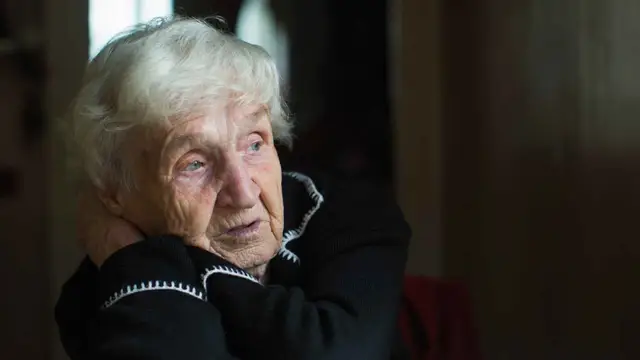
What does it mean to have no friends, according to psychology?
Not having friends does not automatically mean something is wrong. Psychology increasingly points to a simpler question. Is the solitude chosen and…
ECOnews Newsroom · March 29, 2026

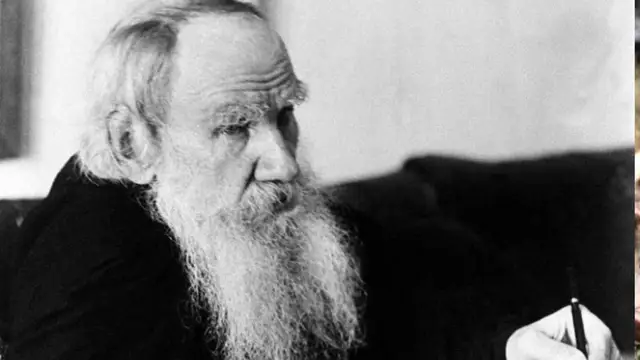
Tolstoy, Russian philosopher: “The secret of happiness is not always doing what you want, but always wanting what you do”
A line often linked to Russian writer Leo Tolstoy says, “The secret of happiness is not to always do what one wants, but to always want what one does.”…
ECOnews Newsroom · March 20, 2026
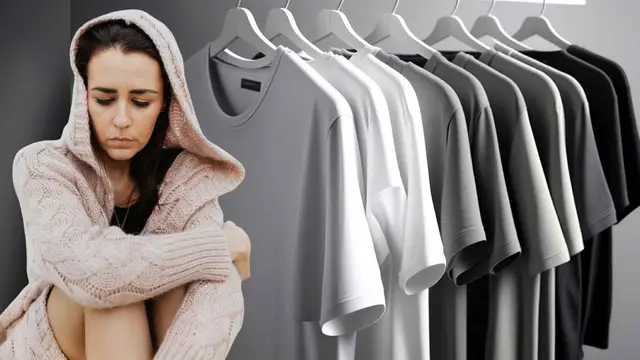
Psychology highlights the three colors used by people with low self-esteem
Color psychology has observed that, in people with low self-esteem, certain color preferences are often associated with insecurity, a need for control,…
ECOnews Newsroom · March 4, 2026
Mixing capital and lowercase letters in handwriting: what psychologists and handwriting experts say it can reflect
Have you ever caught yourself writing a note with random capital letters in the middle of words and wondered why you do that? Psychologists and…
ECOnews Newsroom · February 20, 2026
