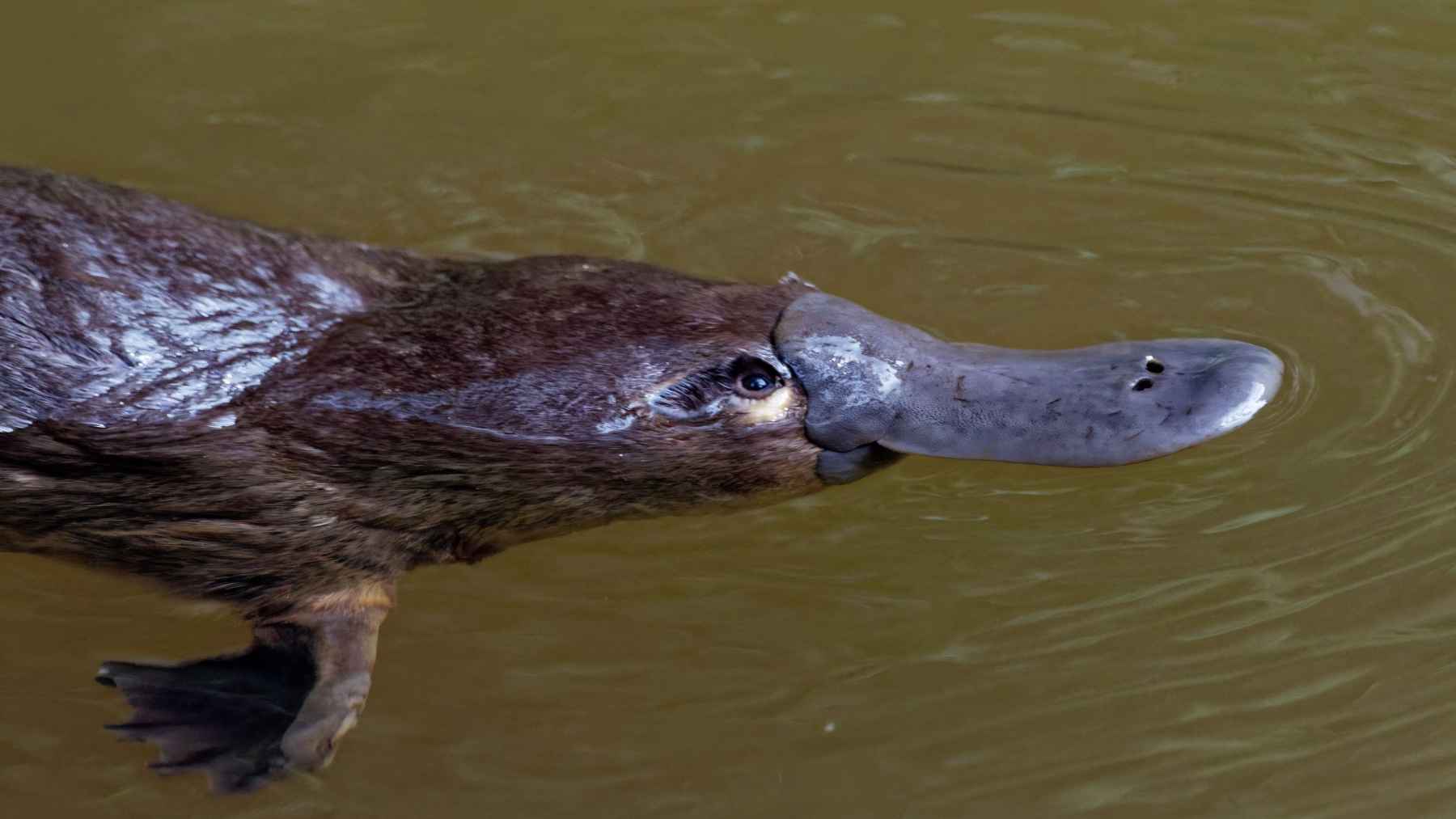
Just when the platypus seemed to have run out of surprises, its hair added one more. Researchers have found that tiny pigment structures inside platypus fur are hollow, a feature once thought to belong to bird feathers, not mammals.
The finding matters because these structures, called melanosomes, help shape the color of hair, fur, skin, feathers, and eyes. In the platypus, they are not only hollow but also round, a combination the research team says has not been documented in any other vertebrate so far.
A strange mammal gets stranger
The platypus already reads like a creature built from spare parts. It lays eggs, has a duck-like bill, hunts by sensing electric signals from prey, glows under ultraviolet light, and produces milk without nipples.
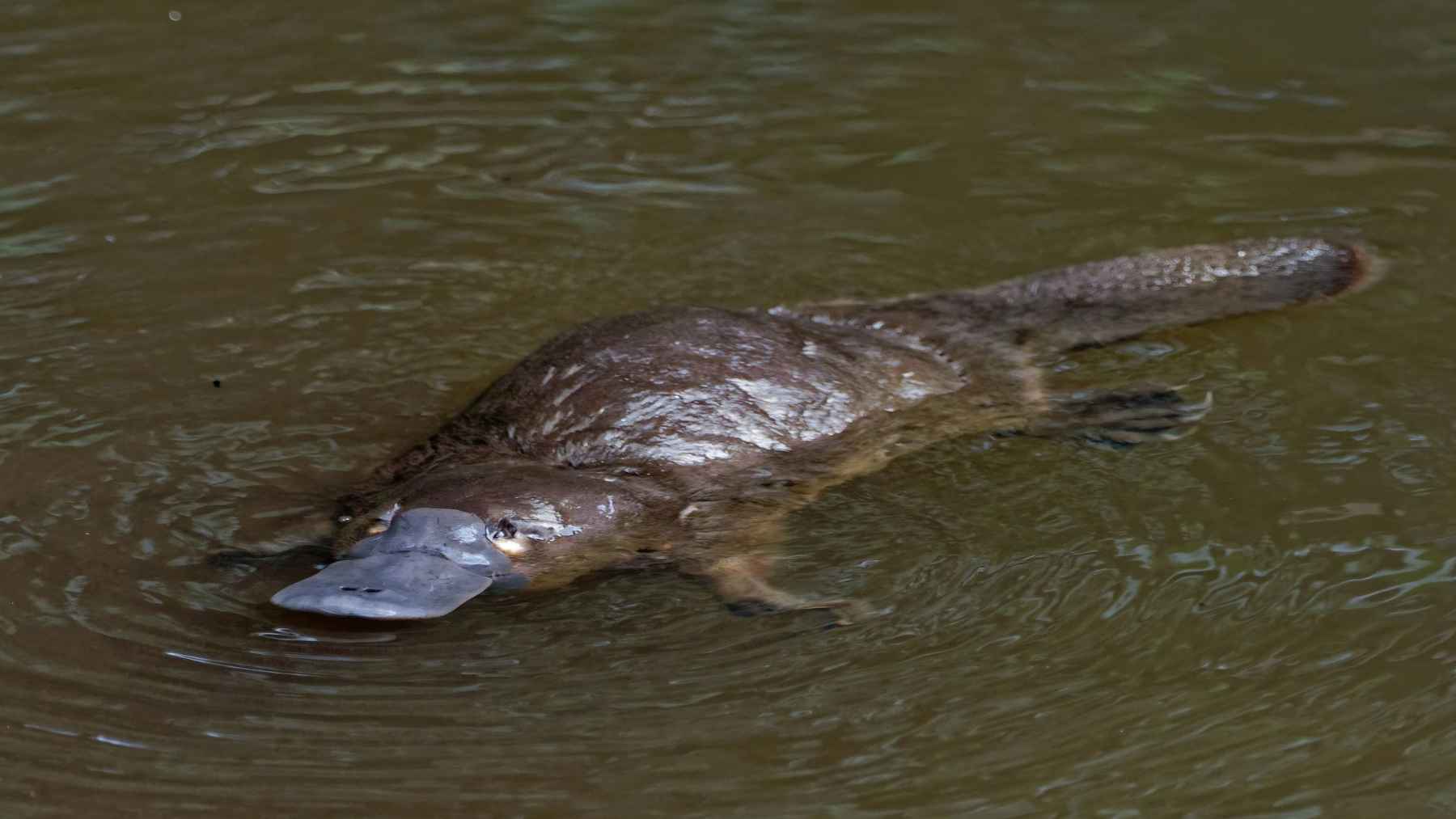
So why does one more strange feature matter? Because this one is hidden deep inside the animal’s hair, at a scale no person could notice while watching a platypus paddle through a creek.
What melanosomes do
Melanosomes are tiny packets inside cells that hold melanin, the pigment that helps create dark browns, blacks, reds, yellows, and other natural colors. Think of them as microscopic paint granules, only far more complicated.
In mammals, these packets are usually solid. In birds, some can be hollow, and that hollowness can help feathers produce shimmering colors that change with the angle of light.
That is what makes the platypus so puzzling. Its fur is brown, not rainbow-like, so the hollow structures do not appear to be working like the ones that help make some bird feathers shine.
How scientists found it
Jessica Leigh Dobson, a biologist at Ghent University, was comparing melanosomes in mammal hair when her Ph.D. supervisor, Liliana D’Alba, noticed that the platypus samples looked unusual. The team then dug deeper with powerful electron microscopes.
The researchers studied hairs from different parts of platypus bodies and also looked at echidnas, the platypus’s closest living relatives. They examined marsupials too, including animals from groups that include wombats and Tasmanian devils.
The result was clear. Hollow melanosomes showed up in platypus hair, but not in the echidnas, marsupials, or the broader mammal data set the team reviewed, which covered 126 species.
Why birds matter here
For more than 50 years, scientists had linked hollow melanosomes mainly with birds. In birds, these structures often line up in organized layers that help create iridescence, the glossy color shift you might notice on a starling or hummingbird.
Platypus hair does not seem to work that way. The hollow melanosomes are scattered through the hair rather than lined up in the neat layers needed to create bright, angle-dependent color.
That is the catch. The platypus appears to share a bird-like building block, but not the bird-like visual result.
The color puzzle
Chemical tests showed that the platypus hair pigment looks mostly like eumelanin, the kind of melanin often linked to dark brown and black colors. The team also saw possible traces of another pigment often tied to reddish or yellow shades, but they could not confirm that with certainty.
Here is why that matters. Round melanosomes are often associated with lighter reddish or yellowish tones, while darker colors are more often linked to longer shapes. The platypus does not fit that simple map.
Dobson put the surprise plainly in comments reported by Science News, saying scientists had “never, ever seen anything like this before.” A tiny structure in a strand of fur had just broken a rule researchers thought they understood.
Maybe it is about water
Since platypuses live in and around freshwater streams and rivers, one idea is that the hollow melanosomes may be connected to their aquatic lifestyle. The study suggests they could possibly play a role in insulation, although that remains speculative.
Tim Caro, an evolutionary ecologist at the University of Bristol who was not involved in the work, told Science News that his instinct is that the feature has “nothing to do with color” and may instead relate to some other part of the animal’s way of life, but this is not settled.
If hollow melanosomes help with life in the water, scientists still have to explain why other aquatic mammals do not appear to have them.
A clue from evolution
Platypuses and echidnas belong to a small group of egg-laying mammals called monotremes. That makes the absence of hollow melanosomes in echidnas especially interesting.
One possibility is that an ancient ancestor had a water-based lifestyle and that echidnas later lost the trait as they moved onto land. Another possibility is that the trait arose in platypuses for reasons that are not yet clear, or that it may not provide a direct benefit at all.
At the end of the day, this finding is not just another “weird platypus” headline. It gives scientists a living system for asking how pigment structures form, how genes shape them, and why similar structures can do very different jobs in different animals.
Why it matters
The discovery may help researchers better understand mammal coloration, melanin development, and the evolution of tiny structures that influence how animals look and function. It also reminds us that even a familiar animal can still hide major biological surprises.
For anyone who has seen a platypus in a nature documentary, this is the part you would never notice. The animal glides through the water as usual, but inside its fur are microscopic clues that challenge a long-standing idea about mammals and birds.
The official study has been published in Biology Letters.