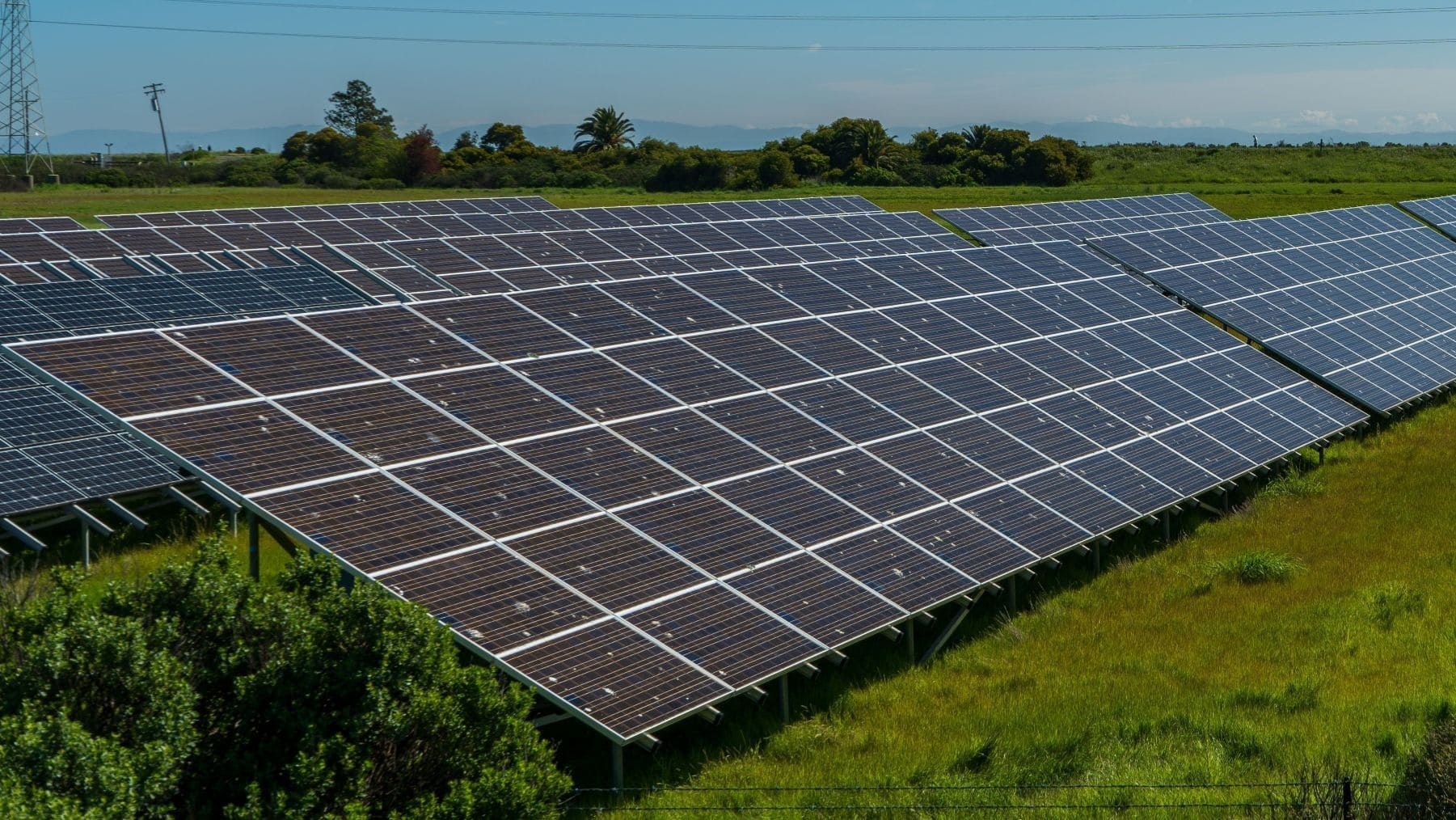


The installation costs of residential solar photovoltaic systems in the United States dropped due to cheaper solar panels and competition among companies, but this still exceeds countries that deployed solar panels much earlier, according to the Lawrence Berkeley National Laboratory.
A new study confirms costs fell by 30 percent to $7.5 per watt in 2009 from $10.80 per watt in 1998. The data represented 78 percent of solar electric installations across the country connected to the grid as of last year.
There were also dramatic cost reductions this year, especially in the two of the largest solar markets in the country. The installed cost of solar photovoltaic in California in the first ten months of 2010 fell by 14 percent to $6.4 per watt, while prices in New Jersey declined by 16 percent to $5.9 per watt.
California is the largest market for solar photovoltaic, accounting for 75 percent of installations. New Jersey trails behind with 12 percent of installations.
Meanwhile, the study shows that of all the states, Texas has the cheapest installation cost with $7.1 per watt, and Minnesota has the most expensive installation price at $9.6 per watt.
There are also differences in average costs by installation type. Smaller photovoltaic systems completed in 2009 that were less than 2 kilowatts in capacity averaged $9.9 per watt, while larger systems greater than 1,000 kW averaged $7 per watt.
The study suggests more competitors in the solar market spur efficiencies in operations, bringing the module prices down. But the long-term downward trend toward lower installation costs is also the result of a decline in the nonmodule costs, such as the cost of labor and marketing. Average nonmodule costs in the United States declined by $1.40 per watt from 1998 to 2009.
However, photovoltaic costs in the country are still significantly higher than in countries, such as Germany and Japan, where average installed costs stand at $4.7 per watt and $5.9 per watt, respectively.
Deployment scale played a huge role in the reduction in installation costs, the report says, as Germany had around 10,000 megawatts of capacity and Japan around 2,500 MW by the end of 2009, as compared with just 1,300 MW of capacity in the United States.
Large-scale deployment programs can help lower photovoltaic costs, but other policies and incentives can also achieve cost reductions, the report says. Solar policies such as the California Solar Initiative are beginning to take effect and could be a boon for residential photovoltaic in the coming years.
For instance, the industry received a large boost in 2009 after lifting the $2,000 cap on the federal investment tax credits for residential photovoltaic. Average pre-incentive installed costs remained flat from 2008 to 2009 at $7.5 per watt, but lifting the dollar cap on the tax credits led to $4.1 per watt, and 24 percent below 2008’s average net installed cost.