
According to the latest report of the Renewable Energy Policy Network, despite the economic recession in 2009, renewable energy continues to grow, supplying 20 percent of global energy needs.
The annual report, titled REN21 Renewable 2011 Global Status Report, was published to catalogue the full status of renewable energy worldwide, and at the same time align perceptions with the reality that renewables are playing a growing role in the energy market and in economic development.
Even with the recession in 2009, renewable energy, which was unaffected with the downturn, continued to grow, said the report. Supplying around 16 percent of the world’s energy needs, it accounted for approximately half of the estimated 194 gigawatts of new electric capacity added worldwide during that year.
In 2010, with continued growth, it delivered close to 20 percent of global electricity supply and one-quarter of global power capacity from all sources by early 2011.
“The global performance of renewable energy despite headwinds has been a positive constant in turbulent times,” said Mohamed El-Ashry, chairman of REN21’s steering committee.
“Today, more people than ever before derive energy from renewable as capacity continues to grow, prices continue to fall, and shares of global energy from renewable energy continue to increase,” he added.
The report cited energy policies to be the ones that drive renewable energy growth. With only 55 countries in the early 2005 that had policies focused on or supporting renewable energy at a national level, the number of countries has increased to 119 by early 2011.
The report pointed out that more than half of these countries are in the developing world.
In the United States, renewable energy accounted for about 10.9 percent of domestic primary energy production, an increase of 5.6 percent relative to 2009. Renewables accounted for about 26 percent of China’s total installed electric capacity, 18 percent of generation, and more than 9 percent of final energy consumption in 2010.
Currently, at least 95 countries have some type of policy to support renewable power generation. Out of all the policies used by governments, feed-in-tariffs remain the most common.
In 2010, investments in renewable energy reached a record $211 billion, more than one-third of the $160 billion invested in 2009, and more than five times the amount invested in 2004.
Sector highlights
Globally, the report said that wind power added the most in new capacity, followed by hydropower and then solar photovoltaic.
Even with the wind power industry’s manufacturing volume remaining constant in 2009, 2010 saw a substantial increase in manufacturing capacity.
Growth opportunities were mainly focused in China and other emerging markets. For example, G.E. Wind supplied turbines to Brazil; Gamesa planned to triple investments in China by 2012; and Repower and Suzlon signed contracts in Turkey and Bulgaria.
Of all the wind turbine companies, Vestas lead the market, having a share of 14.3 percent, followed by China’s Sinovel with 10.7 percent, and the United States’s G.E. Wind with 9.3 percent in market shares.
Hydropower, the most mature of all the industries, was lead by Alstom, Andritz, IMPSA, and Voith in terms of hydropower equipment manufacturing, accounting for approximately 40 percent to 50 percent of the global market.
The remaining percentage was filled by regional players such as American Hydro, Bharat Heavy Electrical, Hitachi and Toshiba.
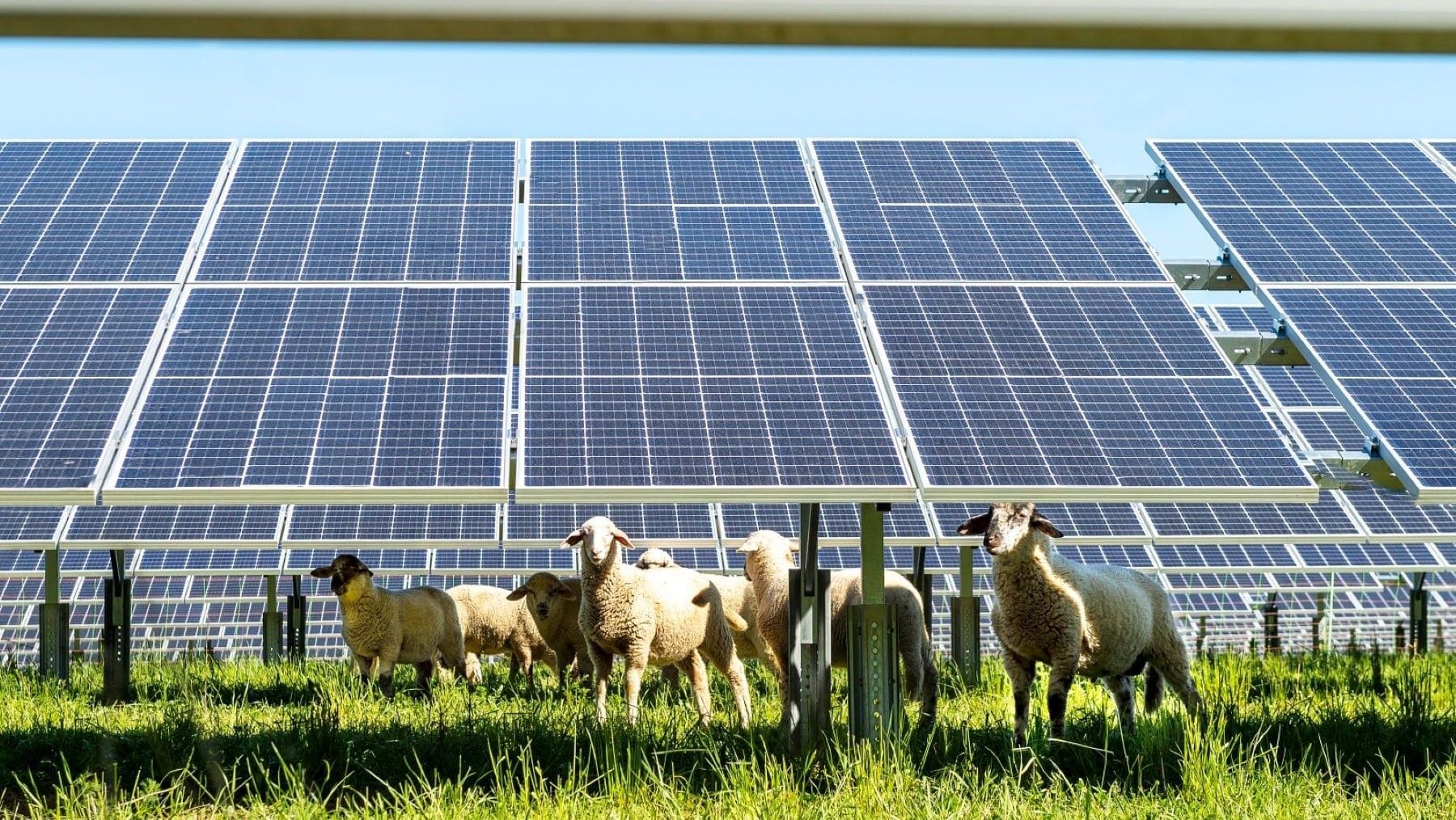
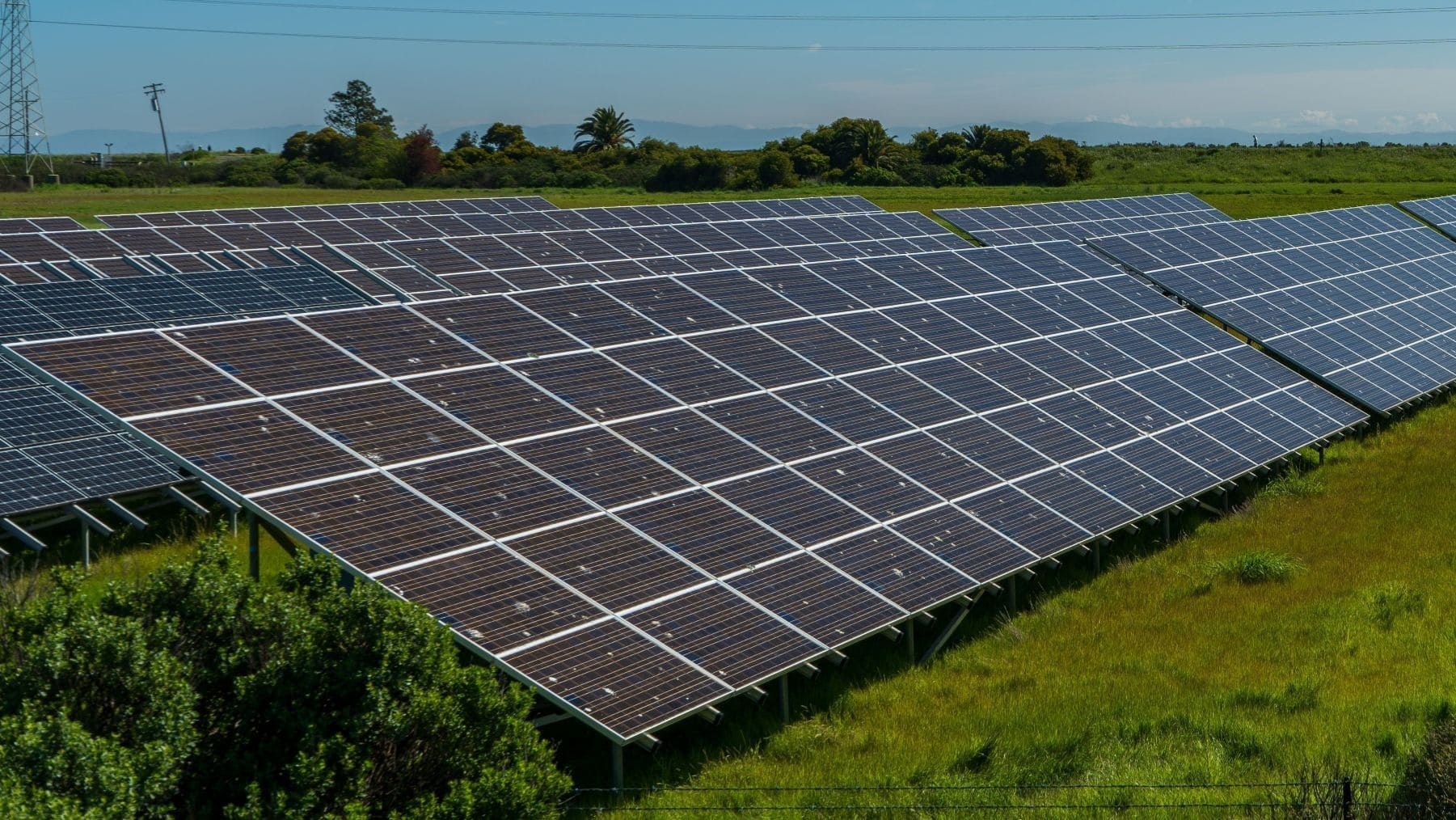
When it comes to solar PV, 2010 saw more than double the module production compared to the levels of 2009. The report estimated that there were 23.9 GW of cells and 20 GW of modules produced in 2010, pushing its prices down by 14 percent.
China’s JA Solar and U.S.-based First Solar led the market with a share of 6 percent in solar PV, followed by Chinese companies Yingli Green Energy and Trina Solar with 5 percent, and a 4 percent market share for Germany’s Q-Cells.
Renewable energy a safe bet for investors
Sven Teske, the renewable energy expert for Greenpeace International, said that the continuing rise of renewable energy is good news for the global economy.
“Renewable energy is proving itself to be a safe bet for investors, and continues to see substantial growth, even in the face of global recession and price wars over oil scarcity. The REN21 findings show that global ambition for a world powered by renewable energy is not only desirable, it is also achievable,” Mr. Teske said.
But he warned that governments must not be complacent, stressing that the transition to a green economy can only be achieved with the support of policies that favor renewable energy.
“Investment in renewable energy should not simply be seen as an alternative to making the huge strides needed to phase out fossil fuels and reduce global emissions, when we are still at a tipping point in the battle to stop runaway climate change,” he explained.
According to REN21’s report, there were approximately 3.5 million jobs created because of the renewable energy industry.
A bulk of that number came from the biofuel industry with over 1.5 million green jobs created – 730 thousand of which came from Brazil. The wind energy industry ranked second providing 630 thousand jobs, while 350 thousand jobs coming from the solar PV industry.