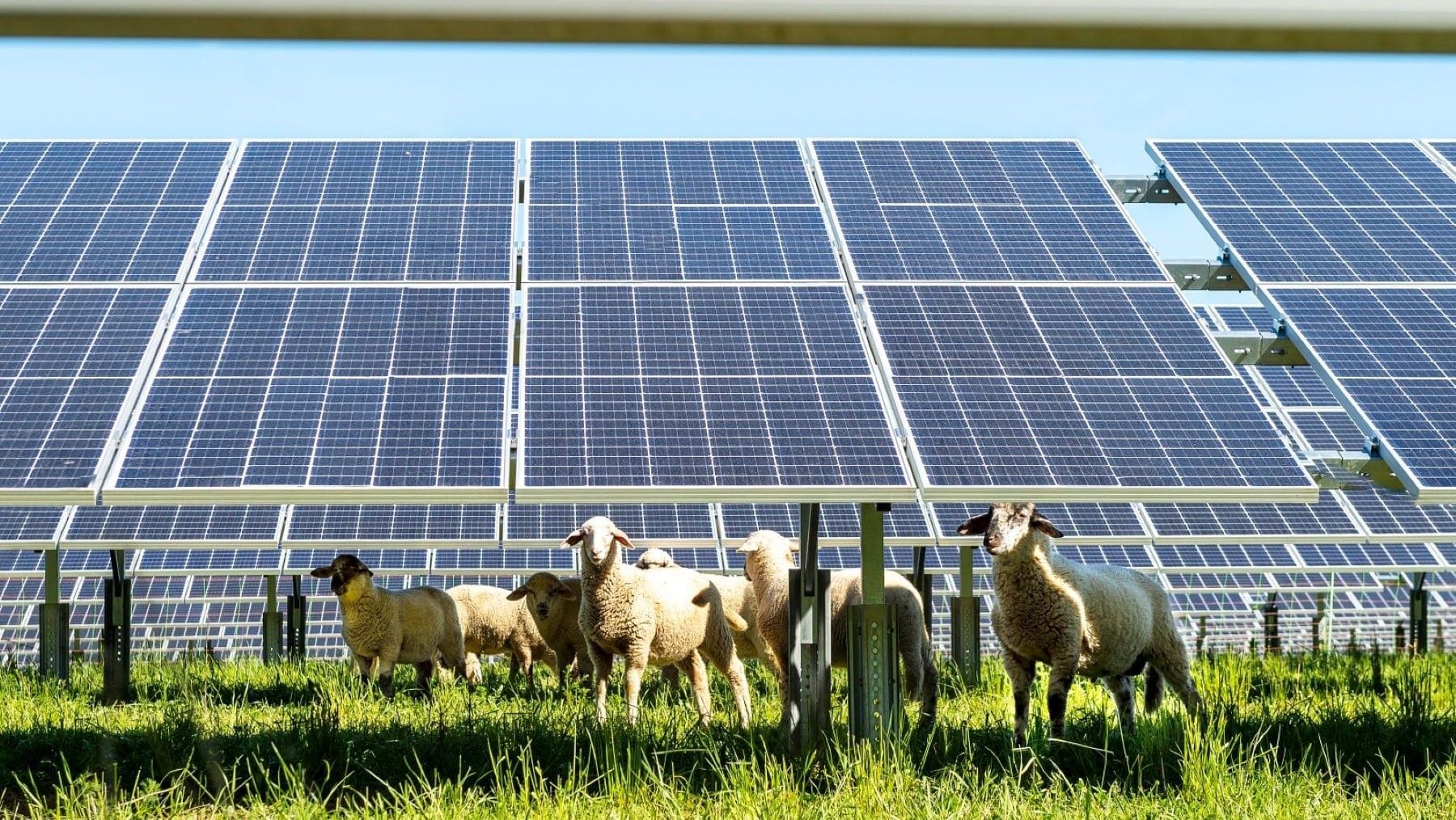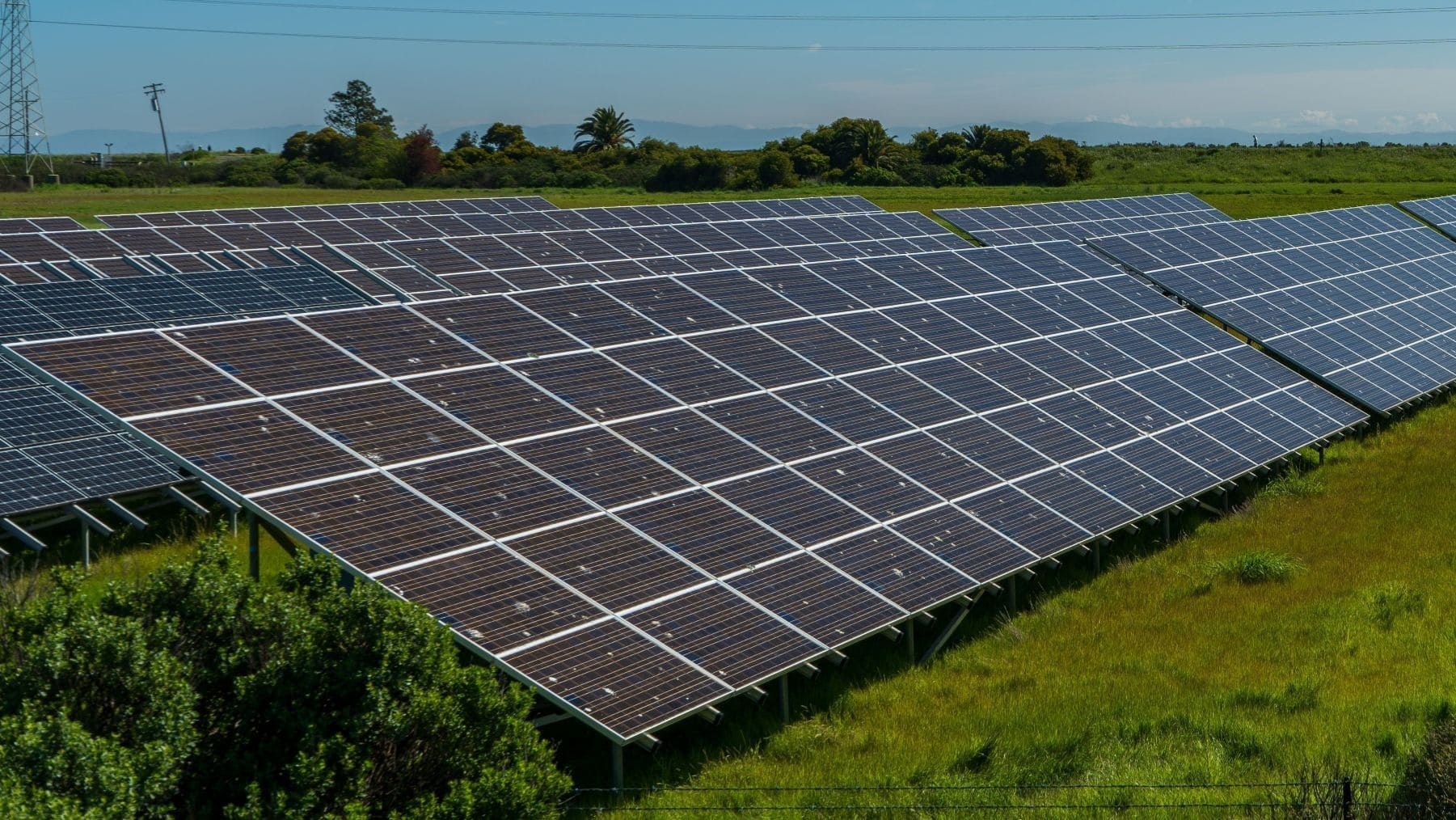

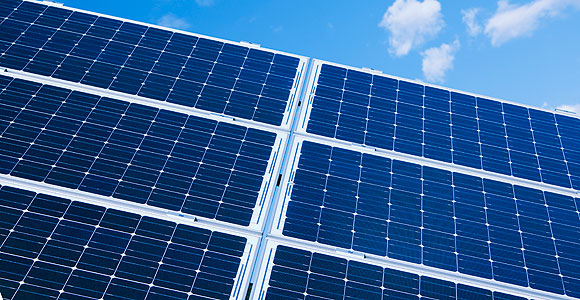
A team of scientists from the U.S. Naval Research Laboratory Electronics Science and Technology Division are developing solar cells which could absorb solar radiation underwater and produce power for the operation of electronic sensor systems at depths of 9 meters.
The new cells would be used to power underwater autonomous systems and sensor platforms, which largely rely on on-shore power, batteries or solar power supplied by an above-water platform.
«The use of autonomous systems to provide situational awareness and long-term environment monitoring underwater is increasing,» said Phillip Jenkins, one of the team members.
In order to make these systems more effective, an efficient long endurance power source is needed. The researchers believe equipping these systems with solar power capacity could solve this problem.
Previous attempts to used photovoltaics had limited success, mostly due to the lack of penetrating sunlight and using solar cells more suited for land use.
«Although water absorbs sunlight, the technical challenge is to develop a solar cell that can efficiently convert these underwater photons to electricity,» said Mr. Jenkins.
Though intensity of solar radiation is lower underwater, they come in narrower concentrations leading to high conversion efficiency when the cells are properly matched to the wavelength range.
Instead of crystalline silicon solar cells and the amorphous silicon cells used in previous attempts at an underwater solar power system, Mr. Jenkins and his colleagues used gallium indium phosphide cells.
Gallium indium phosphide cells were found to be best for underwater operation – with wavelengths between 400 and 700 nanometers (visible light) and low dark current, critical for high efficiency in lowlight conditions.
Underwater, the sun’s spectrum is based towards its blue/green portion, thus enabling the new material to perform better than conventional silicon cells, according to Mr. Jenkins.
Preliminary tests reveal output of 7 watts per square meter of solar cells at a maximum depth of 9.1 meters.
EcoSeed – Staff