On the Climate Summit at the Headquarters of the United Nations in New York, The U.N. Environment Programme has announced a new initiative that will accelerate the transition to more efficient appliances and equipment to reduce global energy demand, mitigate climate change, and improve access to energy.
Various bodies and entities on the Climate Summit in New York have announced their commitments and initiatives that are aimed at curbing the effects of climate change.
Actions taken by U.N. bodies
On the Climate Summit at the Headquarters of the United Nations in New York, The U.N. Environment Programme has announced a new initiative that will accelerate the transition to more efficient appliances and equipment to reduce global energy demand, mitigate climate change, and improve access to energy.
The plan will involve bringing together inter-governmental and non-governmental organizations, appliance and equipment manufacturers, utilities, international development banks and financial institutions to provide tailored assistance to governments on how to facilitate the permanent transition to energy-efficient products.
Energy-efficient appliances could reduce global electricity consumption by more than 10 percent, which can save $350 billion yearly in electricity bills, while at the same time reduce global carbon dioxide emissions by 1.25 billion tonnes annually.
Another initiative that the U.N.E.P. has announced involves a group of leading institutional investors that have joined together with the U.N. body and its Finance Initiative to substantially reduce the carbon footprint of $100 billion of institutional investment worldwide.
The groups which have joined forces, collectively known as the Coalition, will reach out to institutional investors worldwide and it will be aided by the largest global network of investors focused on sustainable development – the U.N.-supported Principles for Responsible Investment – as well as other relevant networks.
On the part of the U.N. Industrial Development Organization, U.N.I.D.O. has partnered with Dell computers, signing an agreement to find a sustainable solution for e-waste management for developing countries in Africa, Asia, and Latin America.
Actions taken by mayors
Mayors from different cities from around the world have announced that they will expand their commitments to scale up their climate resilience efforts, energy efficiency programs, and resilient financing mechanisms.
The collective action of the mayors, which is known as the Compact of Mayors, will bring together well over two thousand cities, including over 200 cities that have specified targets and strategies for greenhouse gas reductions.
“From Rio to Seoul, mayors are already making great progress in fighting climate change and preparing their cities for its devastating impacts. These announcements show the world that we are committed to transparent, easily accessible, emissions reporting,” said Rio de Janeiro Mayor Eduardo Paes.
“Now is the time for nations to partner with cities as they create more ambitious climate targets over the next year, both to help the world avoid the worst impacts of climate change and to benefit millions of people,” said U.N. Special Envoy for Cities and Climate Change and former New York City Mayor Michael Bloomberg.
Actions taken for transportation
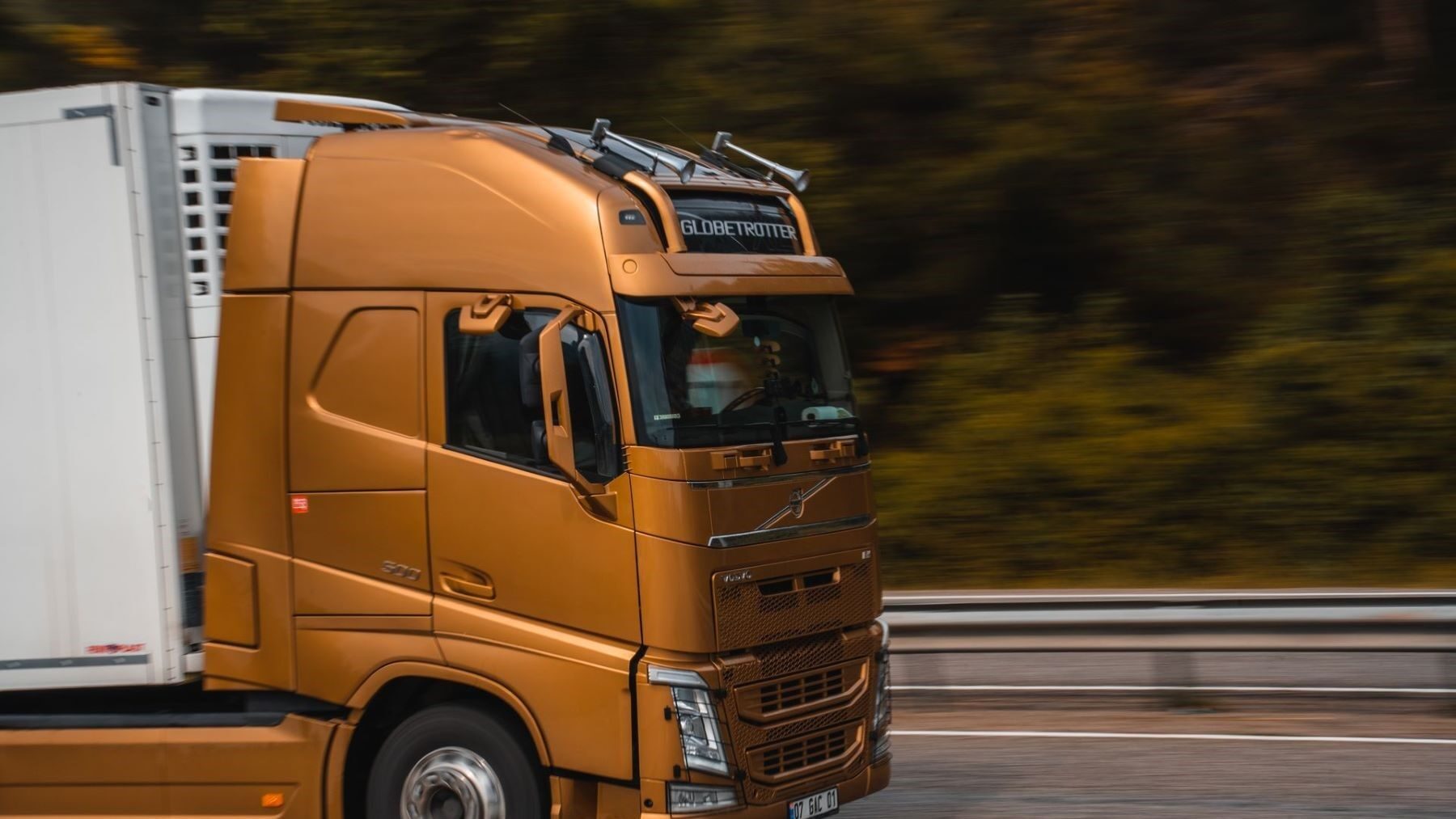
Four new global transport initiatives were also announced during the Climate Summit. These initiatives aim to put the transport sector on a new track towards a low-carbon future which can save trillions of dollars in fuel costs in the process.
These initiatives will strive to reduce greenhouse gas emissions through a host of measures, from increasing the number of new bus and metro lines to increasing the number of electric vehicles and introducing car and bike sharing.
According to the International Atomic Energy Agency, a shift to sustainable, low-carbon transport by the middle of the century could save governments, companies, and individuals up to $70 trillion.
The transport sector contributes about one-quarter of energy-related global greenhouse gas emission and about one-fifth of energy use. If business as usual continues, energy use and greenhouse gas emissions are projected to rise by nearly 50 percent by 2030 and even more after. – L. Polintan