An ancient tooth can hold more than a fossil record. In China, proteins locked inside 400,000-year-old Homo erectus teeth have pointed to a possible family connection among extinct human relatives, and a faint trail may still reach some people living today.
A new study in Nature analyzed enamel proteins from six Homo erectus individuals found at three Chinese sites. The researchers found two shared changes in a tooth-enamel protein, including one that appears to mark East Asian Homo erectus and another that also shows up in Denisovans, a mysterious extinct human group.
Teeth became the time capsule
Tooth enamel is the hard outer layer that protects your teeth when you chew. It is also one of the toughest materials in the body, which means it can sometimes preserve traces of ancient proteins long after DNA has broken down.
Proteins are tiny biological tools made by cells. They are not the same as DNA, but they can still carry clues about genetic history because the body builds them using genetic instructions.
That is why this study matters. When old bones give up almost nothing, enamel can still whisper.
Meet Homo erectus
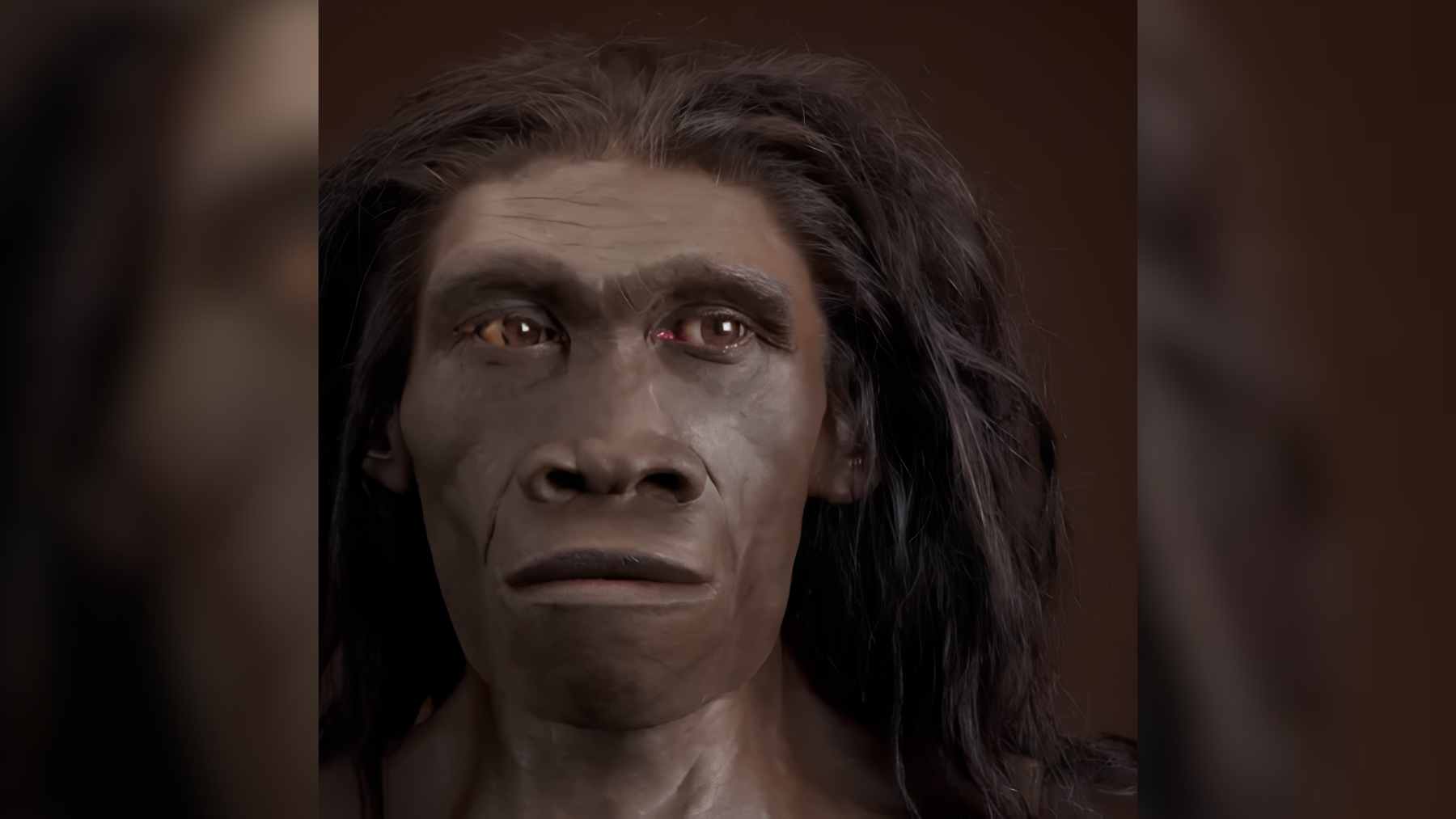
Homo erectus was one of humanity’s most important early relatives. It emerged in Africa about 2 million years ago and later spread into other parts of the world, including Asia and possibly parts of Europe.
Scientists have found Homo erectus remains in places such as Indonesia, Spain, China, and Georgia. But learning about its inner biology has been difficult because genetic material rarely survives across such deep time.
For the most part, researchers have had to rely on fossil shapes, stone tools, and geography. Now, proteins are adding another piece to the story.
What the enamel showed
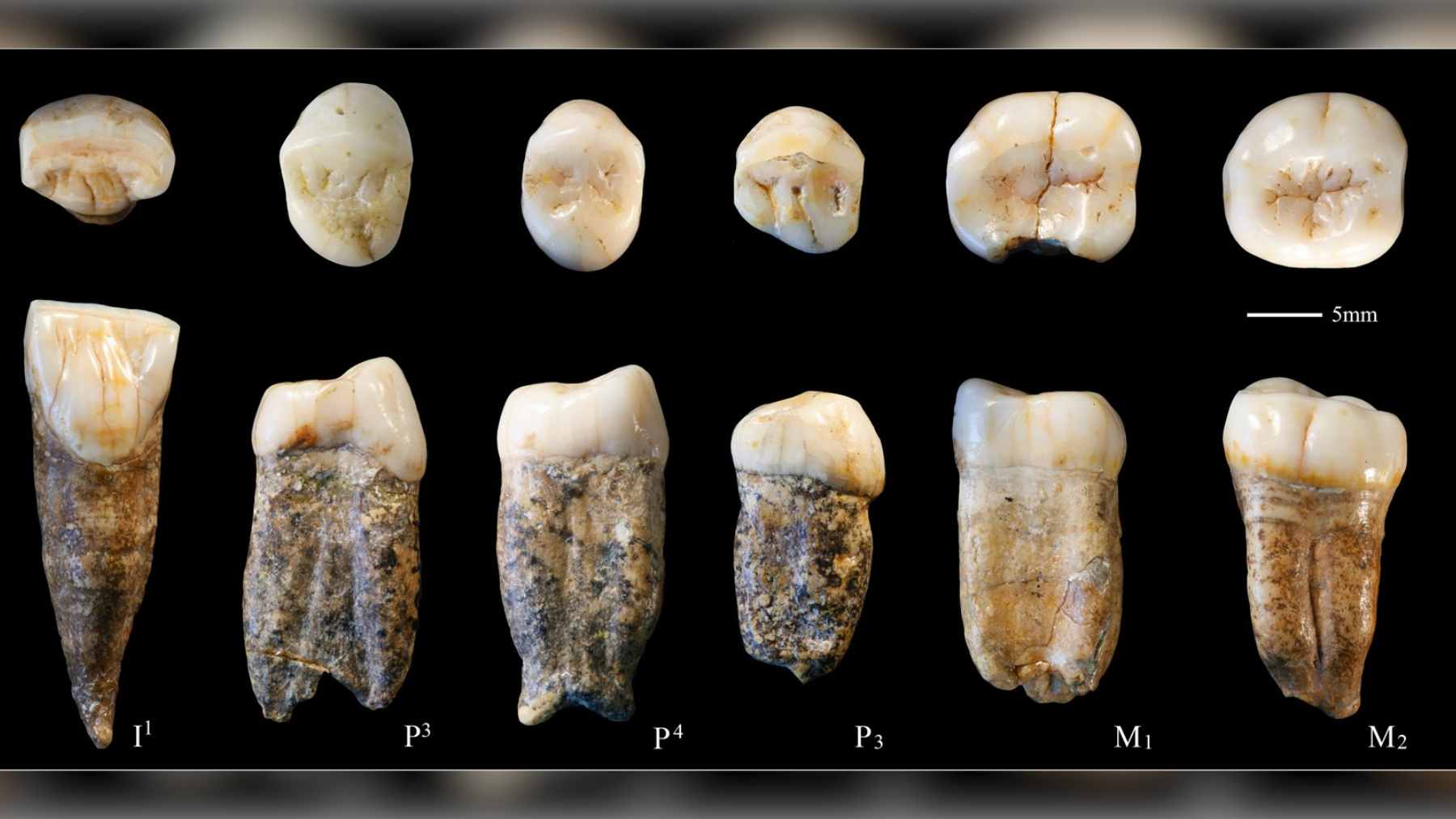
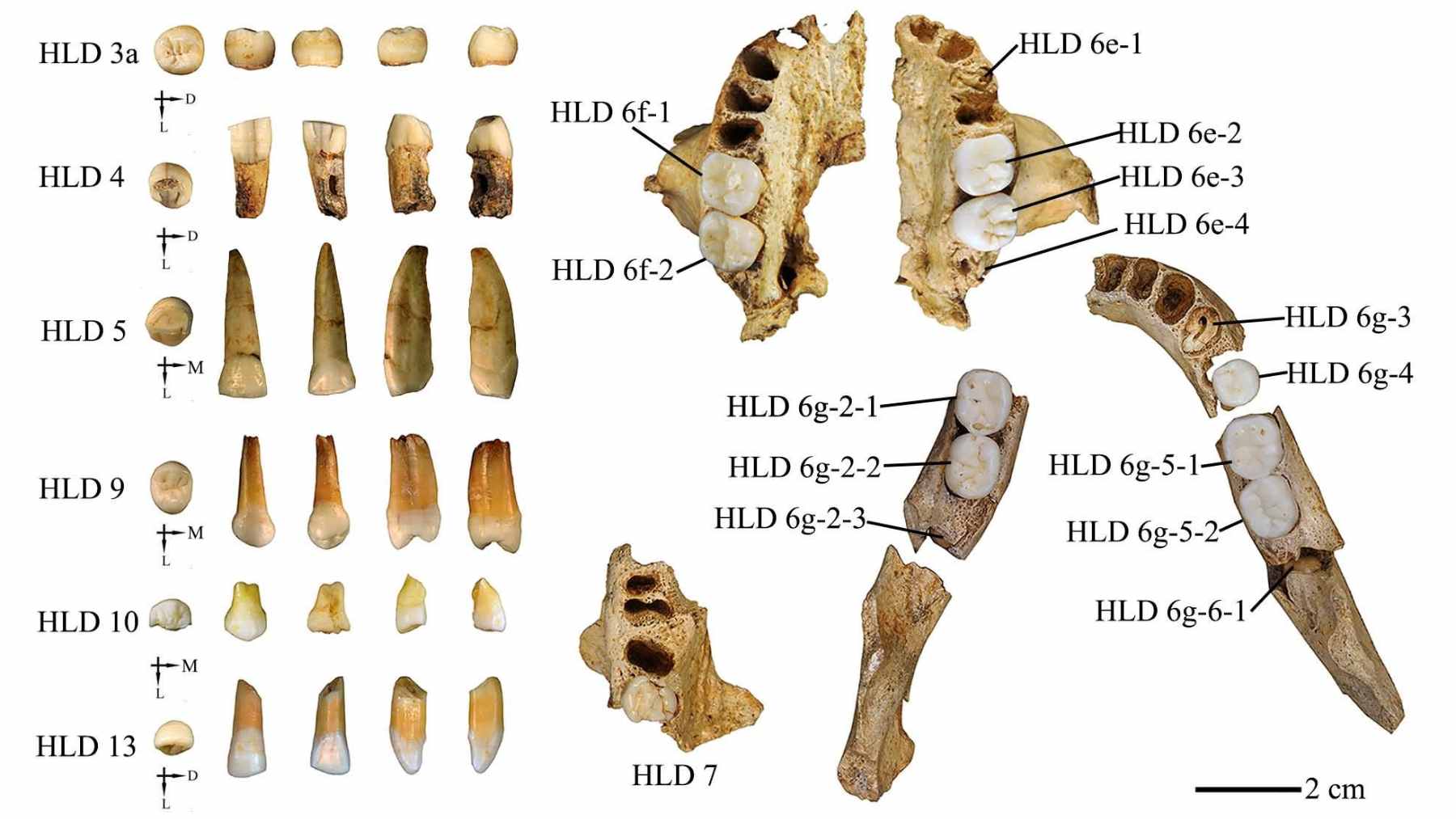
Qiaomei Fu, from the Institute of Vertebrate Paleontology and Paleoanthropology under the Chinese Academy of Sciences, led the new work with colleagues. The team studied enamel proteins from five male individuals and one female individual found at Zhoukoudian, Hexian, and Sunjiadong.
All six teeth shared two key protein changes. One had not been seen before in other known human lineages, which means it may be a distinctive marker of Homo erectus populations from East Asia.
The second change was the surprise. It had already been found in Denisovans and in a small fraction of modern humans, suggesting an ancient genetic handoff that may have moved through more than one human group.
The Denisovan clue
Denisovans were extinct relatives of modern humans. They are known from limited fossil remains and genetic evidence, but their DNA shows that they mixed with some ancestors of people alive today.
The new enamel evidence suggests that Homo erectus may have crossed paths with Denisovans in East Asia. If the two groups had children, some genetic material could have moved from Homo erectus into Denisovans.
Smithsonian National Museum of Natural History paleoanthropologist Ryan McRae, who was not involved in the study, called the method exciting. “This allows us to trace who we are now back to our ancestors in a really fascinating and exciting way, using new methods,” he said.
How it may reach people today
The possible path is not simple, but it is easy enough to picture. Homo erectus may have passed a protein-linked genetic variant to Denisovans, and Denisovans later mixed with some ancestors of modern humans.
That does not mean everyone carries this signal. It also does not mean a tooth can rewrite your whole family tree in one dramatic stroke.
Still, the finding adds nuance to the story of human evolution. Instead of a straight ladder, our past looks more like a braided river, with different human groups meeting, separating, and sometimes mixing again.
A careful method for rare fossils
Ancient human teeth are precious. Researchers cannot simply grind them away every time they want answers, especially when the fossil record is already thin.
The team used a method designed to remove only a tiny surface layer of enamel. Fu described the approach as a way to release protein fragments without visibly damaging the tooth.
In practical terms, that means scientists can study rare fossils while preserving their shape for future research. That balance matters because tomorrow’s tools may be even better than today’s.
The puzzle is not finished
The researchers are careful about what the study can and cannot prove. The shared protein change could point to interbreeding, but it could also mean Homo erectus was closely connected to Denisovan ancestors in a different way.
That is the tricky part. With only a few ancient samples, every clue is valuable, but every conclusion needs caution.
“We really need to get more DNA and fragments from Homo erectus to figure out how this predecessor is exactly related to other humans,” Fu said.
Why this changes the family tree
For decades, Homo erectus has often been described as a major early traveler in the human story. This study gives that role a deeper molecular dimension, showing that its legacy may not be limited to bones and tools.
The finding also strengthens a growing idea in human evolution. Ancient human groups were not always separate branches that never touched. Sometimes, they seem to have overlapped, interacted, and left traces in one another.
And that is what makes one old tooth so powerful. A small piece of enamel from China may help explain a hidden family connection that survived far beyond the people who first carried it.
The main study has been published in Nature.