Solar technology has been a cornerstone to renewable energy production. One of the first renewable energy technologies to achieve mainstream adoption, solar power continues to be a leader in the clean energy sphere. Of all clean energy produced currently, solar energy can account for one of the largest percentage, coming in behind hydropower and wind energy. The technology used in capturing solar power continues to be advanced. Now, researchers are looking at the first “green solar cell” to be put into production.
Prevalence of solar energy
According to the International Energy Association, solar energy is set to become the largest source of renewable energy by 2029. Within a five-year period between 2018 and 2023, global capacity for solar power has tripled in size. As we head into the back end of the 2020s, solar power is expected to be the main contributor to renewable energy capacity, specifically to an 80% growth between 2024-2030 as the solar industry increases in innovation.
What makes solar energy useful is that it can be adapted for large-scale solar farms, but also can be installed within your own home. While large-scale utility renewable energy farms are crucial for widespread adoption of renewables as a power source, being able to install solar panels in your own home or business helps to accelerate the progress of renewable energy reducing the reliance on fossil fuels.
First green solar cells by Dutch researchers
One drawback of solar panels is that they stand out once installed on a private residence or building. From an aesthetic point of view, some consumers want to be able to implement solar cells into their homes, however, they do not like how boldly they stand out. The reason solar panels are they dark blue color they are is due to how they are currently constructed. The highest efficiency rate solar panels converting energy from sunlight into electricity is currently at 22%. To do this, the solar panels are fitted with antireflective technology to allow for maximum absorption of sunlight. This causes the dark blue color.
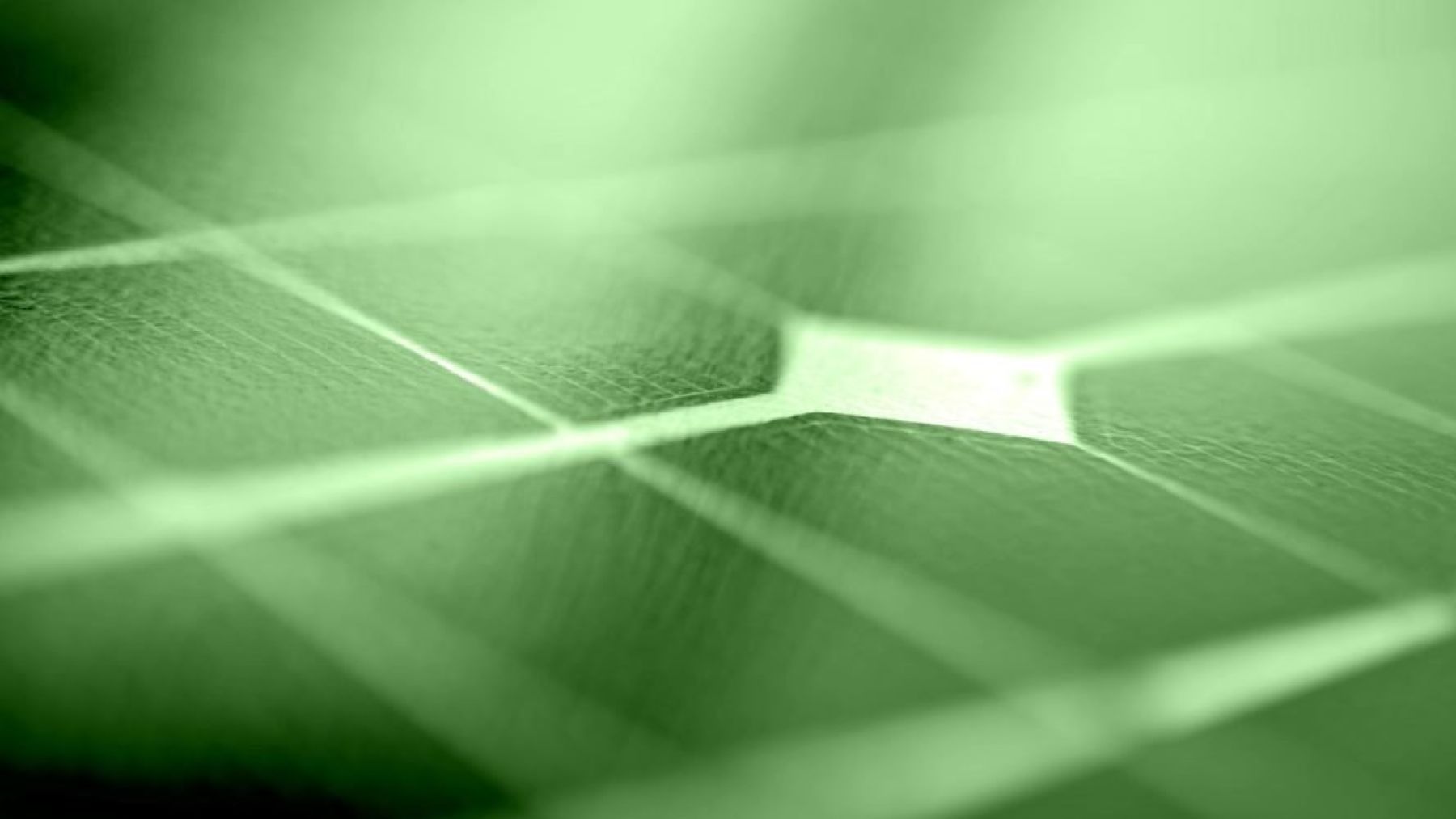
However, researchers are now investigating more colorful-looking solar panels in order to appease consumer preferences. Researchers from AMOLF, the University of Amsterdam (UvA) and the Energy Research Centre of the Netherlands (ECN) did exactly that in 2017, where they developed solar panels which have a green appearance. The one drawback to the technology is that it decrease the energy conversion efficiency by 10%. However, if the panels can meet consumer color preferences, it may lead to more widespread adoption of the technology.
The green solar panels work using Mie scattering. This refers to the backscattering of light of a certain color by nanoparticles. In essence, the light particles associated with the green light wavelength is reflected, producing the green color provided the solar cells are angled up to a maximum 75 degree gradient. This green color also has the potential to integrate solar panels into the natural landscape.
Other areas of advancement for solar cell technology
The green solar cells highlight how innovation in technology does not always need to be about maximizing efficiency. The end goal of renewable energy technology is to have increased adoption, and if changing the color while sacrificing efficiency does that, it still should be considered a win.
Solar cell technological advancements have also been made for use in space. The International Space Station (ISS) operates entirely off of solar power. However, the technology used to capture the sun’s energy on the ISS differs to how we implement solar panels conventionally. The biggest upgrade these solar cells have is that they are autonomous. They are designed to operate without needing human interaction, which is essential for their use in space.