Approximately 30,000 archaeological objects were evacuated from Syria’s Deir ez-Zor Museum during two dangerous operations in the summers of 2014 and 2015. A newly published study revisits how museum workers protected the collection as fighting intensified and ISIS threatened the city, offering a lesson about the cost of waiting too long.
The study’s author, Maamoun Abdulkarim, oversaw the rescue while leading Syria’s Directorate-General of Antiquities and Museums (DGAM). Now a professor of archaeology and history at the University of Sharjah, he argues that preparation, trusted colleagues, and timely decisions were central to saving this record of life along the Euphrates.
A narrow route out of danger
Deir ez-Zor sits beside the Euphrates River in eastern Syria, in a region whose oil and gas resources made it strategically important during the conflict. According to the university’s account, access was severely restricted, with only a narrow, vulnerable corridor connecting the museum to the military airport.
Protective measures had begun years earlier. Freie Universität Berlin’s documentation project records that the museum closed when the war began in 2011 and that objects from its permanent exhibition were moved into basement storage.
The Berlin project also confirms that DGAM evacuated thousands of objects in 2014 and 2015 and brought them to safety in Damascus. Abdulkarim had already described the documentation, packing, and removal of around 30,000 objects from Deir ez-Zor in a chapter published in 2020, so the new research builds on an established rescue story. In his announcement of the study, he credited local colleagues including Yaarob Abdullah, Ziad al-Nuweiji, Hashem Abdullah, and Yasser Hassan for their essential contributions.
What those 30,000 objects represented
The museum held collections associated with places and cultures including Mari, Dura-Europos, and Halaf, according to the University of Sharjah. Together, these holdings preserved evidence of communities that lived in the region across thousands of years, giving the rescue significance well beyond the number of boxes moved.
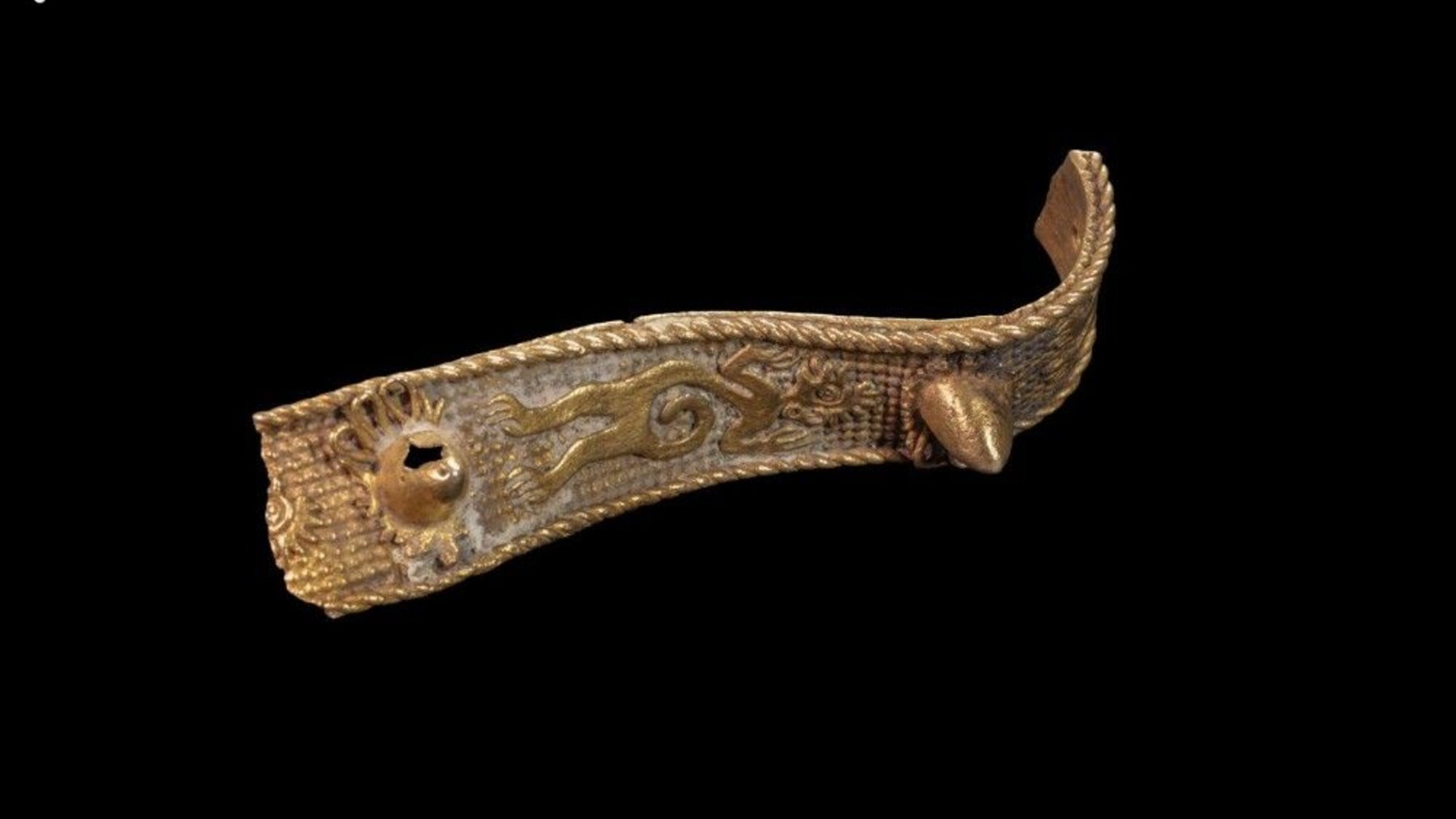
The university’s accompanying material offers a glimpse of that variety. It includes a statue from Mari and an ostrich egg with a decorated opening from Tell Terqa, both dated to the second millennium BCE. Another illustration shows a cuneiform tablet from Tell Sheikh Hamad dating to the first millennium BCE, adding an example of ancient writing to the collection’s artistic and decorative objects.
For a museum visitor, such objects can make distant history feel tangible. Their survival also keeps original material available for future study, while Abdulkarim emphasizes their importance to the identity and collective memory of communities in the Euphrates region.
Why the paperwork mattered
How do you protect a collection if its records disappear? The Berlin project explains that illustrated digital inventories can be stored in several locations and shared with institutions trying to identify stolen or missing objects.
DGAM and Freie Universität Berlin agreed in 2014 to develop a digitization project for the museum’s inventory. The collaboration drew on Syrian registration records and documentation already held in Berlin, showing how material preserved elsewhere could support the collection’s protection.
The practical lesson extends beyond this museum. An object’s photograph and identifying details can help establish what it is if it goes missing, making documentation part of safeguarding the collection rather than an administrative task to leave until later.
A rescue within a much larger emergency
Abdulkarim says approximately 300,000 museum objects were relocated to secure locations across Syria during his tenure as DGAM director-general from 2012 to 2017. The Deir ez-Zor collection accounted for about 30,000 of those objects, placing the operation within a much wider effort to protect the country’s museums.
Those totals describe objects saved, not the full scale of cultural losses. The university’s account does not provide a precise nationwide tally of looted artifacts or establish how many museums retained their collections intact, so the successful evacuation should not be mistaken for a complete picture of what survived.
The lesson begins before the next crisis
Abdulkarim’s central warning concerns timing. “In a cultural emergency, waiting for perfect conditions can become more dangerous than acting under uncertainty,” he said in the University of Sharjah’s account.
He identifies trained staff, reliable institutions, careful inventories, and trust among colleagues as foundations for emergency action. These relationships and working habits need to develop during stable periods, when teams have time to prepare and clarify responsibilities before rapidly changing conditions force difficult choices.
For museums elsewhere, the case suggests that routine preparation can shape what remains possible when an emergency arrives. The study was published on August 15, 2026, in Museum Management and Curatorship.
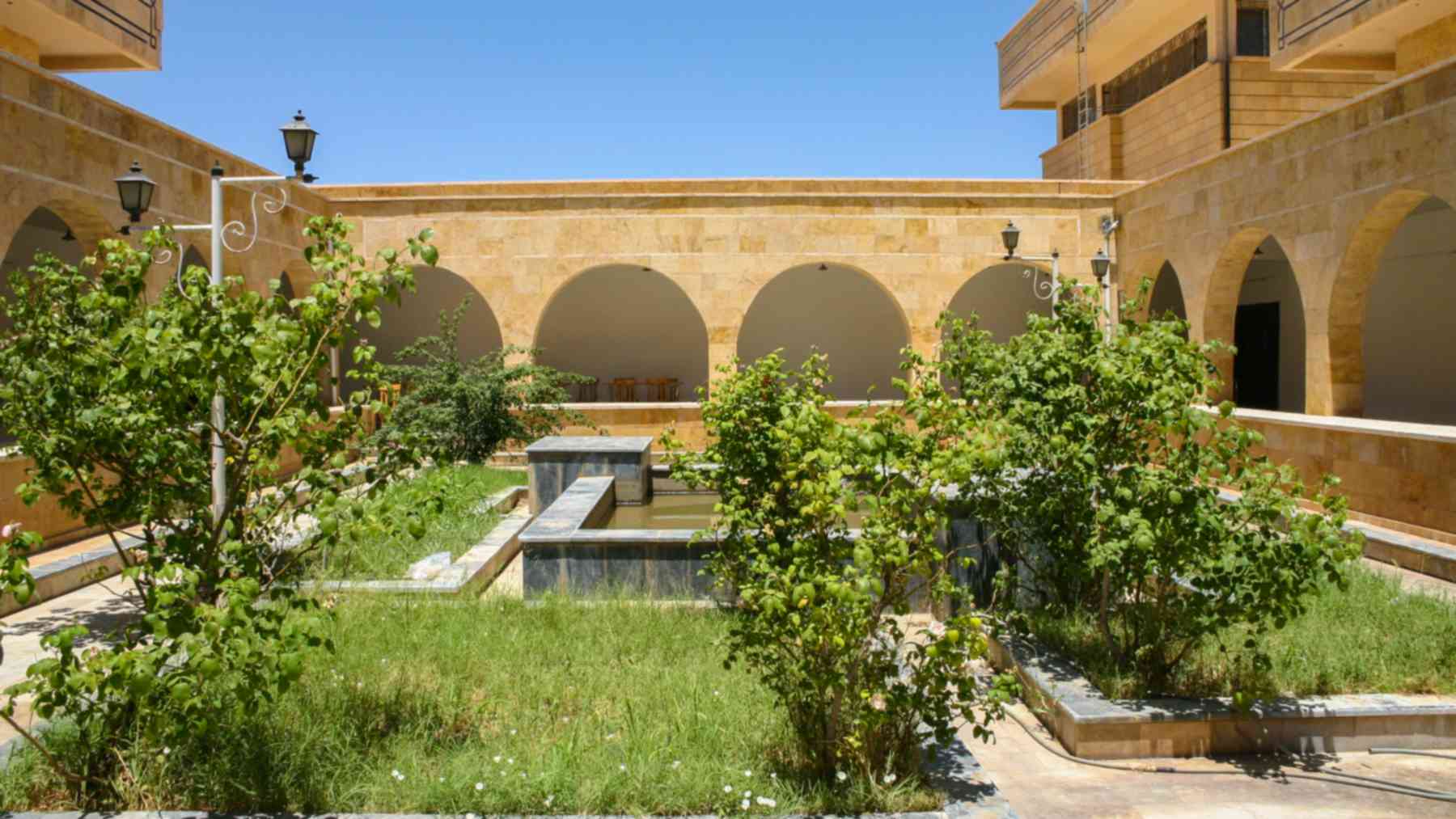
Photo: Zoeperkoe / Wikimedia Commons (CC BY-SA 4.0)