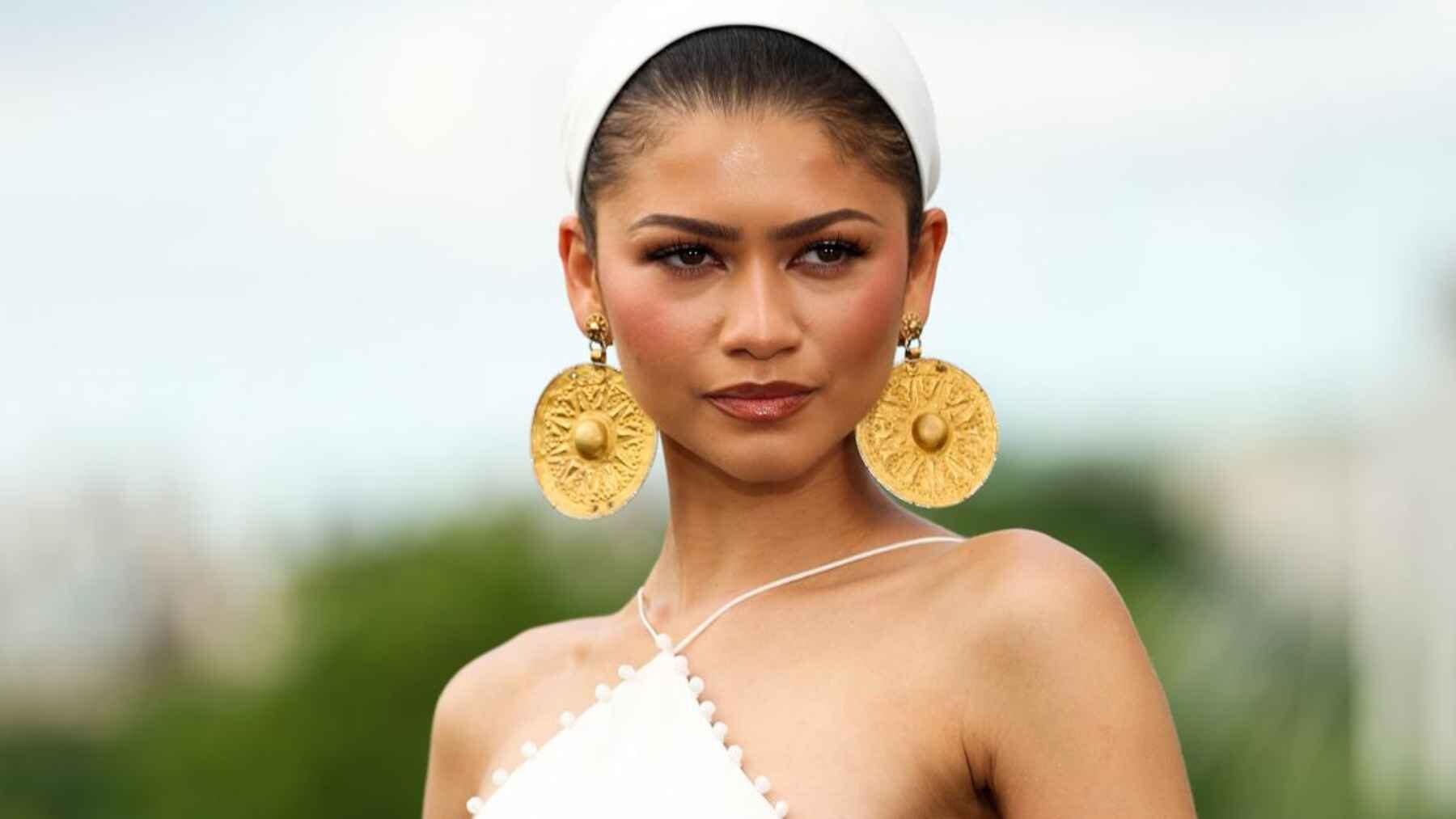
At a London photocall for The Odyssey on July 5, American actress and singer Zendaya donned earrings incorporating two gold plaques described by top British jewelry trader Barron London as Iranian objects dating back to the first millennium BC. What came off as dramatic “method dressing,” with jewelry chosen to echo her role as Athena, quickly became a more intriguing question about documenting the journey of an ancient artifact from the ground to a celebrity’s ears.
Barron London says the loan was intended to celebrate ancient Persian craftsmanship, and the gallery has said the plaques are held in a non-invasive setting designed not to damage them. Heritage researchers are asking for something different, though, namely a complete public ownership and export history that would allow independent experts to assess the objects’ legal and ethical status.

The weak link is the paper trail
In the art and antiquities world, provenance is the documented history and ownership of an object from its discovery or creation to the present. It is much like a passport combined with a chain of receipts, recording the findspot, former owners, sales, export permits, import documents, photographs, catalog entries, and other evidence.
The Forensic Archive of Iran says no complete history has been made public explaining where the plaques were found, when they left Iran, who held them before they entered modern jewelry, or which documents accompanied those transfers. Its petition asks for acquisition records, database checks, an independent examination, and a pause on further wearing, sale, export, or alteration while the evidence is reviewed.
Why Ziwiye is especially difficult
These pieces were attributed to the Ziwiye hoard, reportedly discovered near Ziwiye in northwestern Iran during the 1940s, but objects linked to the find were dispersed through the antiquities market without a controlled archaeological excavation. That early disorder still matters because archaeology depends on context, including precisely where an object was found and what surrounded it.
The Metropolitan Museum of Art warns in its own records that many gold, silver, bronze, ivory, and ceramic pieces have appeared with a supposed Ziwiye origin even though that identification often cannot be verified. The museum also notes inconsistent accounts of the discovery and early collecting history, as well as later objects and forgeries that received the same label.
Barron London defends the loan
Barron London has said the earrings are part of its private collection rather than being offered for sale. It also told The New Arab that Glenn Spiro mounted the ancient discs in a simple claw setting intended to leave the original gold unaltered.
That answer addresses physical conservation, which is important. However, a careful mount cannot fill gaps in an ownership record, and protecting the metal is not the same as establishing how the plaques entered the market or left their country of origin.
Legal ownership and ethical custody differ
British law makes it an offense to deal dishonestly in a “tainted” cultural object while knowing or believing that it is tainted. Yet a UK government-commissioned report explains that the relevant 2003 offense covers objects unlawfully excavated or removed after December 30, 2003, so it does not automatically resolve questions surrounding objects reportedly discovered decades earlier.
International and professional standards set a broader benchmark. UNESCO’s 1970 Convention emphasizes export certificates, dealer records, international cooperation, and restitution, while the International Council of Museums says due diligence should establish an item’s full history since discovery or production.
The celebrity is not the whole story
Zendaya made the earrings visible, but the petition directs its requests toward the owners, custodians, jeweler, and other market actors who may hold the records. That distinction matters because a red carpet appearance is the final public step in a much longer chain of acquisition, design, lending, styling, and promotion.
There is one strange benefit to the controversy. A broad audience that may never open an auction catalog or museum acquisition file is now encountering the word “provenance,” and that attention can bring unanswered questions to the forefront.
What should happen next
The clearest next step is disclosure of every available document, together with an independent assessment by specialists in Iranian archaeology, ancient metallurgy, conservation, provenance research, and cultural-property law. The petition also calls for meaningful participation by Kurdish communities connected to the Ziwiye region if restitution becomes necessary.
Transparency would help whichever conclusion the evidence supports. A lawful, well-documented history would strengthen the case for responsible private custody, while evidence of unlawful removal or transfer could trigger restitution discussions, and a high-quality replica could still celebrate Persian artistry without placing a potentially contested original on a celebrity’s ears.
A red carpet lesson for the antiquities market
The central issue is not whether the earrings looked beautiful. It is whether the people presenting them as ancient Iranian heritage can show, with documents rather than marketing language, how they traveled across nearly three millennia and into a London jewelry collection.
Ancient objects carry more than gold, age, and craftsmanship, and when their context is missing, scrutiny is more responsible than certainty.
The public appeal was published on the Forensic Archive of Iran.