A sealed jug recovered from a 17th-century shipwreck near the Dutch island of Texel has delivered a surprise. X-ray images suggested something metallic inside, but opening the vessel revealed bird feathers, according to maritime archaeologist Thijs Coenen. But why were feathers inside a corked bottle?
The jug features in a September 20 report about The Secrets of the Palmhout Wreck, a documentary following research into the sunken vessel. Its contents could offer a rare glimpse of life aboard the ship, although their original purpose remains unresolved. The intriguing part is how much survived, and how much still needs explaining.
An ordinary jug with an extraordinary seal
Known as a Bartmann jug, the vessel takes its name from the bearded face decorating its neck. According to NH Nieuws, it was found deep beneath the captain’s cabin, a location that suggests it may have belonged to the commander.
The cork was still in place when the jug was recovered, helping protect what lay inside during centuries underwater. “It is the contents that make it special,” Coenen told NH Nieuws, translated from Dutch. For archaeologists, even an everyday container can hold evidence that the ship’s surviving structure cannot provide.
What looked metallic turned out to be more complicated
Researchers first examined the closed vessel with X-rays, avoiding the need to disturb its seal immediately. NH Nieuws credits the CT imagery to TU Delft and describes a “metal-like liquid,” but that wording does not establish the contents’ chemical composition.
Coenen had already described the surprise in an August 17 interview with the heritage platform Oneindig Noord-Holland. “When we opened the jug, there were bird feathers inside,” he said, translated from Dutch. His account identifies something physically present without explaining the entire mixture.
Museum curator and archaeologist Anouk Veldman also described an organic substance containing feathers in a separate July interview. Together, these accounts show that researchers have observed components of the contents while their original use remains unexplained.
Why researchers could not simply leave it sealed
The stopper’s condition changed after recovery. NH Nieuws reports that the cork began shrinking as it dried, leaving researchers facing the prospect that it would come loose, so they decided to remove it carefully.
That small change mattered because the seal had helped preserve the contents for so long. Bringing it ashore began another stage of its care, requiring decisions about how to preserve the vessel while making its contents available for study.
The sand protected more than one bottle
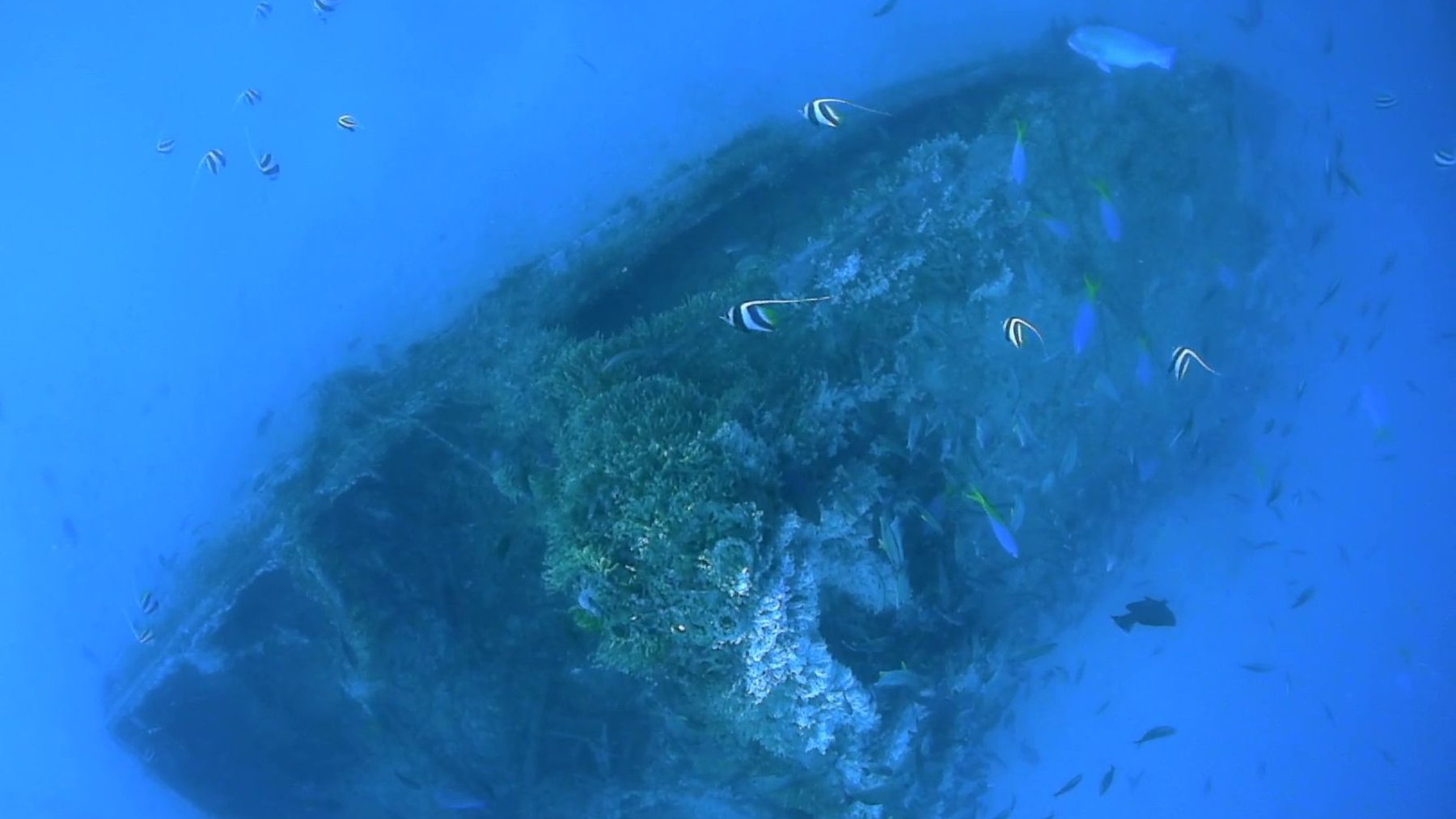
The Palmhout wreck, officially known as Burgzand Noord 17, lies about 33 feet (10 meters) beneath the surface of the Wadden Sea near Texel. Discovered in 2009, it became famous for an exceptionally well-preserved silk dress, alongside other clothing and everyday objects.
Much of that survival is tied to burial beneath sand. The Dutch Cultural Heritage Agency explains that currents can expose wooden wrecks, leaving them vulnerable to erosion and damage from shipworms. The same shifting seabed that reveals archaeological finds can also put them at risk.
After investigating the Palmhout wreck in 2024, researchers covered the site again to protect what remained. Their work found substantial surviving sections at the bow and stern, indicating that an archaeological layer roughly 10 to 13 feet (3 to 4 meters) deep remained in those areas. The jug is one small part of a much larger record still beneath the seabed.
What the feathers might eventually tell us
Could the contents have been a remedy or some other preparation? Coenen raised the possibility that a historical recipe or medicinal reference might explain the feathers, while making clear that this was an avenue to investigate. No particular use was established in that interview.
The September report says specialists at the archaeobotanical research firm BIAX had already examined samples, with that work due to feature in a later episode. It does not publish a final identification of the substance. Until those findings are explained, assigning a recipe or purpose would go beyond the available evidence.
A mystery visitors can follow
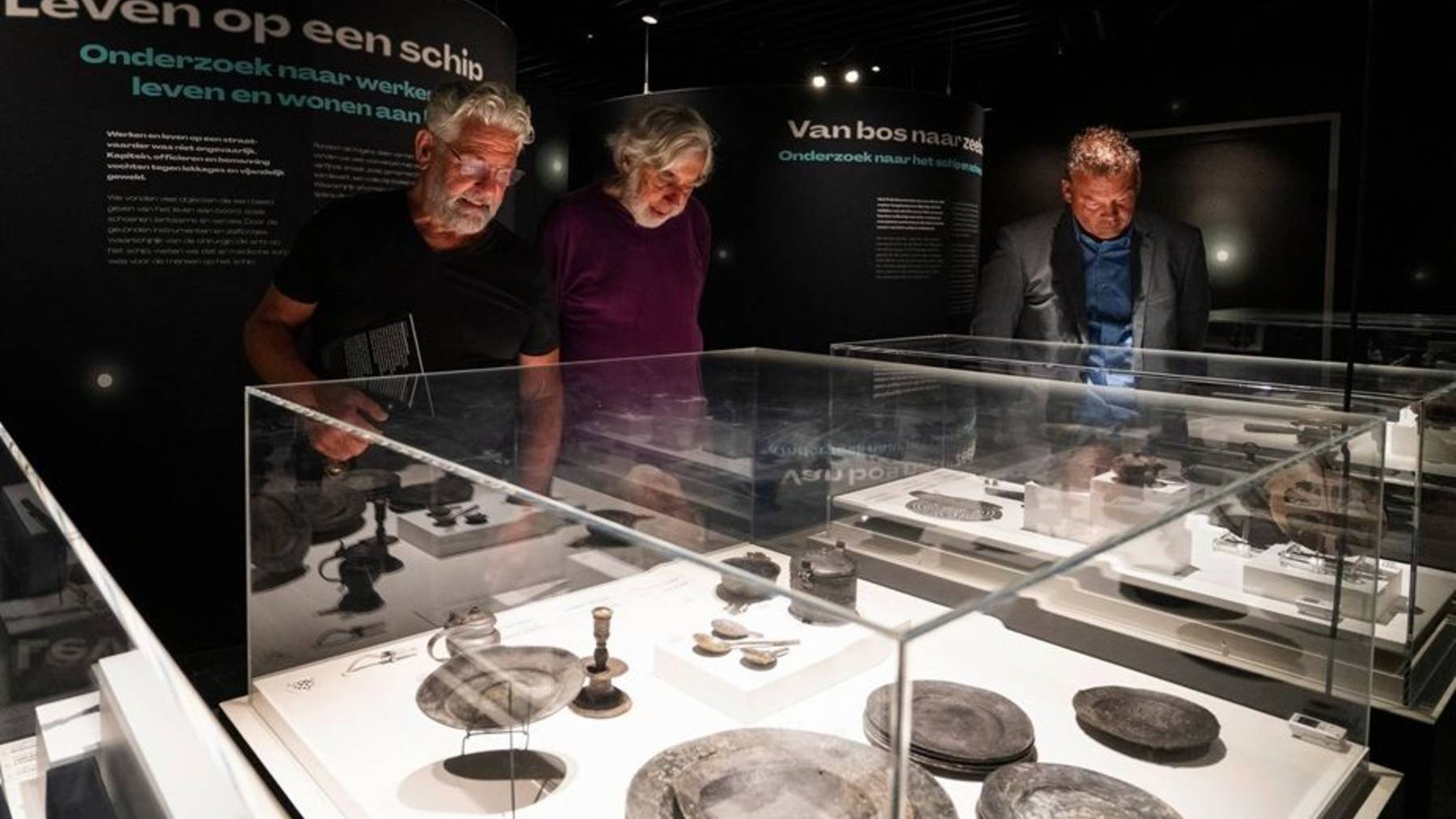
The broader investigation is presented in Schip vol raadsels, an exhibition at Huis van Hilde in Castricum running through June 30, 2027. Luxury textiles, kitchen utensils, and navigation instruments help connect the wreck’s surviving objects with questions about its cargo and the people aboard.
The eight-part documentary series follows that research and the exhibition’s development, with weekly broadcasts scheduled from August 28 through October 16, 2026. The official announcement about the series was published on the Province of North Holland website.
Photo: Provincie Noord-Holland