Revolutionary floating solar technology is about to change the way we use water surfaces to produce renewable energy. German company Sinn Power has made an announcement about an innovative project about to be realized with unmatched floating solar cell technology that operates contrary to the current solar setup techniques. The innovative project is set to change the way renewable energy is produced from water resources.
Sinn Power leads breakthrough in vertical floating solar technology
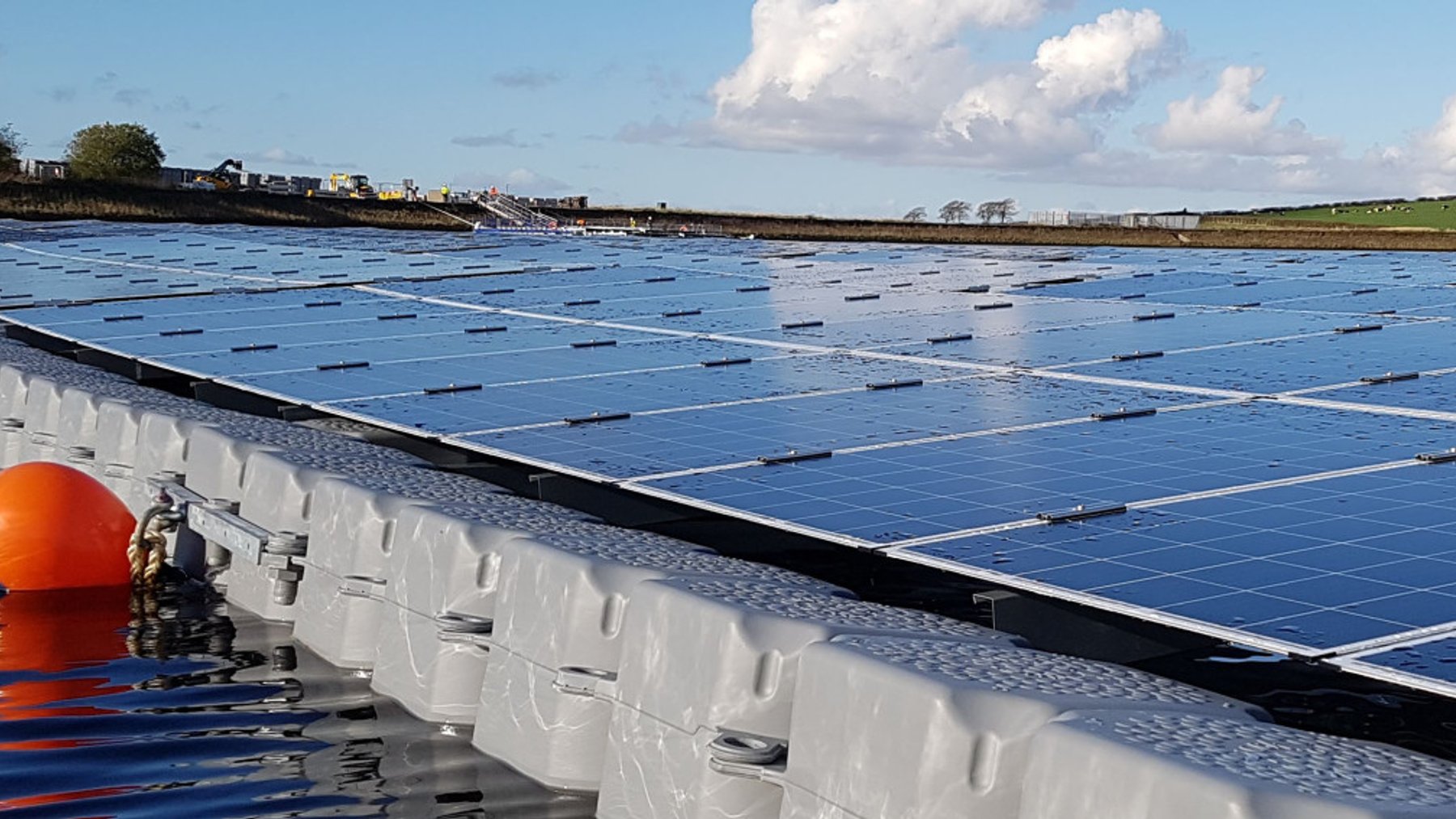
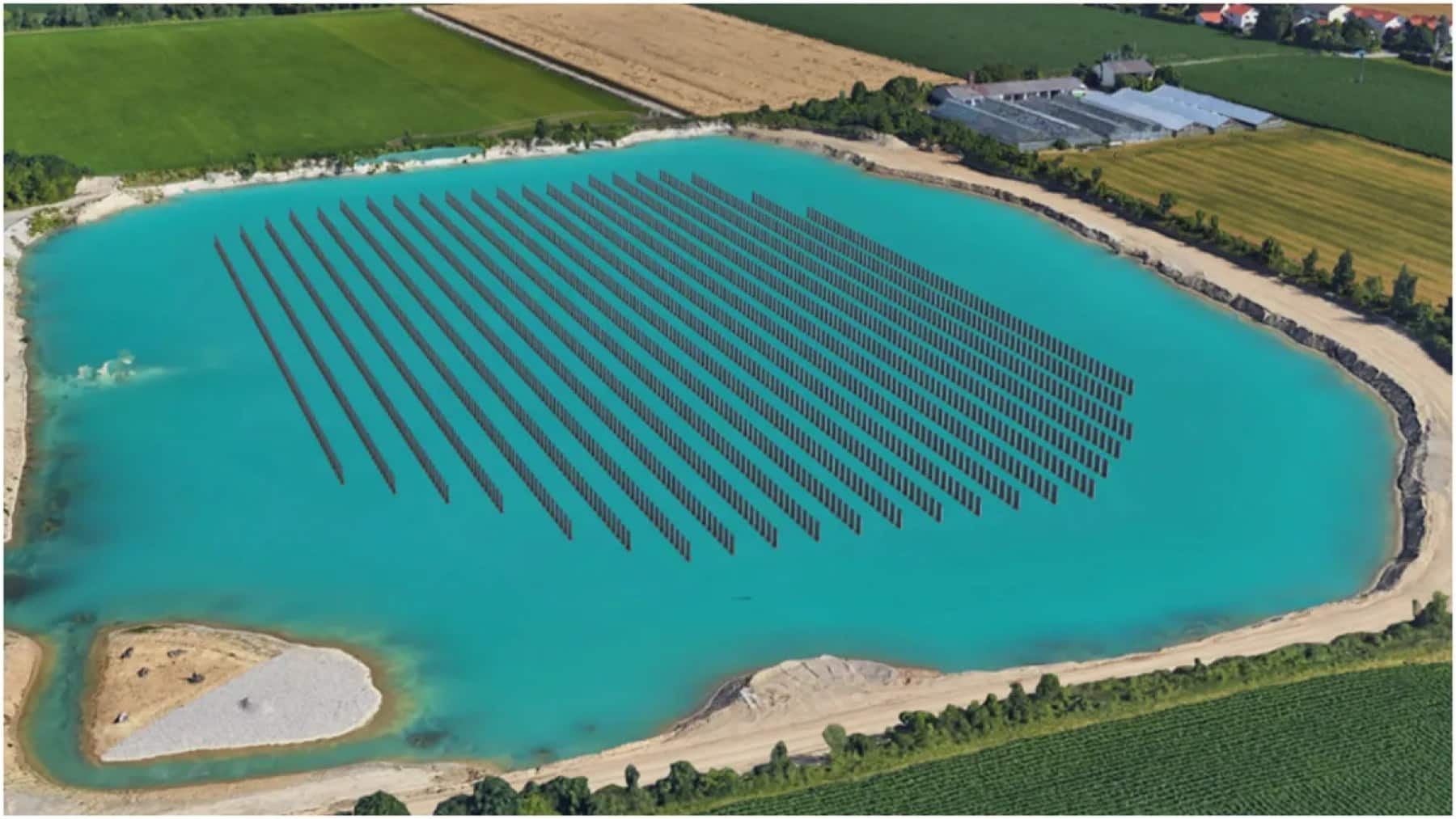
The company has come up with the world’s first floating solar panel technology with vertically stacked solar panels. The 1.8 MW project will be built over a lake in Jais gravel pit in Gilching, Bavaria, utilizing the company’s patented “floating-SKipp” technology. The technology has been designed particularly to set up the solar panels vertically.
The novel vertically stacked layout solves key regulatory challenges set forth by the Renewable Energy Act in Germany, which restricts the use of floating solar to no more than 15% area coverage on water bodies. The vertically stacked layout with modules in an east-to-west orientation ensures that the surface area requirement is greatly minimized while still offering efficient capacity.
Patented mounting systems enable unprecedented water surface efficiency
The solar farm will use about 2,500 units of Sinn Power’s patented mounting technology with inter-row spacing measures set to 3.90 meters to ensure optimal energy harvesting. The layout is designed such that it adheres to the strict German regulations on the use of water surfaces.
The construction timetable aims to complete work by summer 2024
The anchoring and lake preparation works are to start on August 1st in the Gilching gravel pit. The initial construction work for the photovoltaic station is set to take place in September 2024. The development has gained significant momentum with the collaboration and approval from GWT Starnberg GmbH, Starnberg District Authority, and the Gilching municipal authority. The project implementation will greatly benefit from the operational needs of the gravel pit since it operates mainly during daylight from March to December.
This perfectly fits the energy generation process during peak sun energy production times, therefore allowing most of the generated electricity to be consumed without any transmission losses. The orientation of the module from west to east leads to the balancing of the production activities of electricity during morning and afternoon times. This results in better supply during the operating time of industries and prevents strain on the electrical supply networks.
“This is an innovative project that is rather easy to implement since there are no land requirements and fits perfectly with our production plant,” said Gottfried Jais, Director of Kies- und Quetschwerk Jais.
Revolutionary design taps artificial body energy resources
The vertically mounted installation method has brought about a complete shift in the use of artificial inland water resources to produce solar energy and can potentially result in the complete transformation of current regulatory measures to include floating solar panels. The invention by Sinn Power shows that obstacles presented by legislation can be ingeniously circumvented to fully realize the use of solar energy on water bodies that are previously unsuited to exploitation.
The compactness of the technology’s footprint makes it possible to implement the project on smaller bodies of water that previously seemed unfeasible for floating solar projects. This technology has the potential to open up thousands of artificial lakes and ponds in Germany and the whole European continent to implement renewable energy projects.
This groundbreaking initiative marks the end of an era in the development of floating solar technology and symbolizes the dawn of new approaches that are capable of breaking down regulatory obstacles to ensure the production of significant capacities of clean energy. The success story represented by this vertical-floating technology may set the pace in the development of water solar technologies.