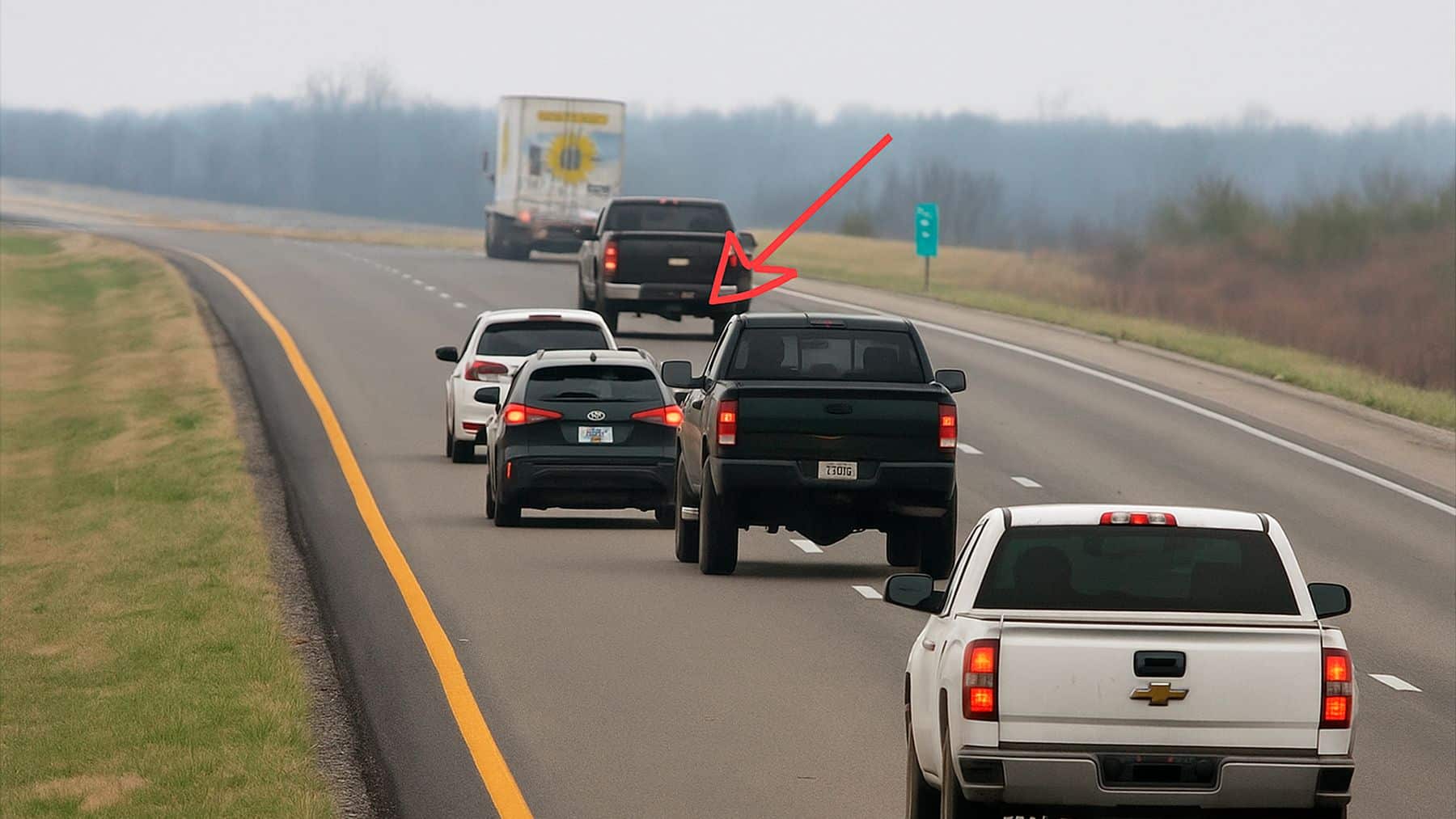
Going too slow in the left-lane in this state may just land you in jail. When it comes to driving legislation and policies, penalties and repercussions for speeding drivers are generally constantly being updated. This is due to the rapidly changing nature of the roads, thanks to improved vehicle technology, the introduction of automated camera assistance, and changes to traffic flow due to factors such as internal migration within states. This one state is targeting those who are found to be driving too slowly.
The challenge to keep all road users safe
Road accidents and fatalities are a significant concern for state and federal policy lawmakers. Ensuring that drivers are adhering to the laws of the road tends to be a difficult task, with this year in particular seeing states introducing stricter penalties for breaking road laws in order to encourage law-abiding behavior. In addition, more locations across the nation rely on the use of automated camera technology to help road traffic police identify drivers breaking the law.
Targeting speeding drivers is generally the biggest concern for policy makers. The amount you drive over the speed limit is directly proportional to your risk of serious injury or fatality on the road. As such, harsh penalties are on the line for drivers convicted for speeding. However, ironically, driving too slowly can also be a risk on the road.
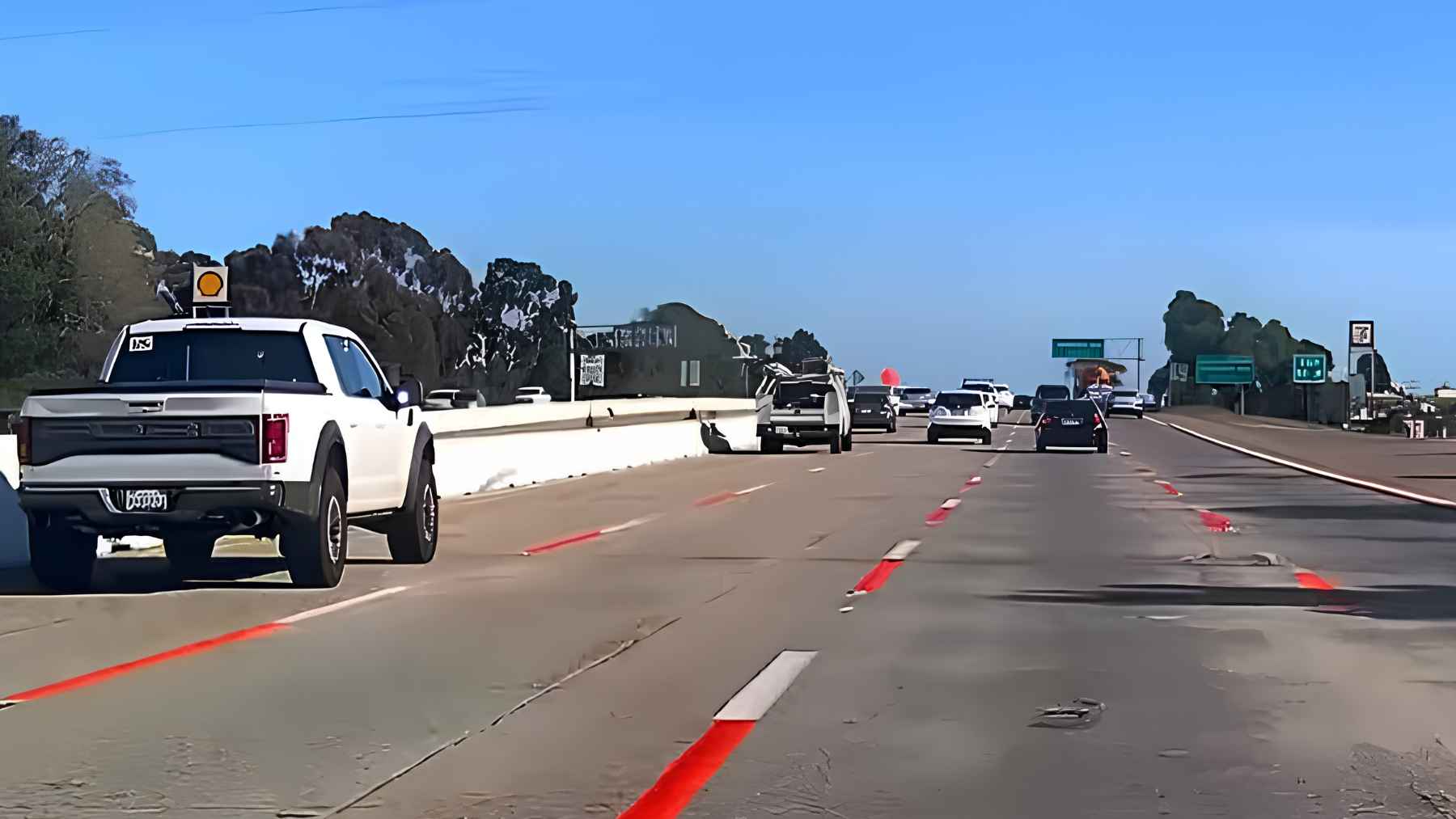
When you drive significantly below the speed limit, this disrupts the flow of traffic, particularly in high-speed zones such as interstates and highways. Drivers who are driving at high speeds, even within the speed limit, have less time to react to an unexpected slow vehicle, increasing the risk of a crash. This disruption on the road is a particular controversial point when it comes to driving in the left-lane, whereby some drivers choose to ‘cruise’ in this lane instead of using it strictly as an overtaking lane.
Jail time for these slow drivers in the left-lane
Recently, Louisiana has passed legislation which punishes drivers for driving even one mile below the speed limit in the left-lane. Louisiana State Legislature Act 24 officially went into place on August 1, whereby drivers who are convicted of driving under the speed limit in the left lane will receive a fine starting at $150 with subsequent offences risking fines up to $350 and 30-days worth of jail time.
“Any vehicle proceeding on a multilane highway at a speed slower than the posted maximum speed limit shall be driven in the right hand lane…” describes the new piece of legislation.
The new law has been met with praise, providing explicit legislation to stamp out left-lane ‘campers’ who cruise in the left-lane and prevent others from passing slower drivers in the right-lane. Previously, drivers could only be fined if they drove less than 10 miles under the speed limit in the left-lane.
States come down hard on traffic violators
States across the nation have begun to introduce harsher penalties for drivers who are caught breaking the laws of the road. New York City has particularly been coming down hard on speeding drivers, recently achieving a landmark legislation win granting the city the right to change their urban speed limits outside of the boundaries set by state laws.
With the recent passing of ‘Sammy’s Law,’ the city will be reducing urban speed limits to from 25mph to 20mph, with select areas reduced to 10mph. The legislation was created following the death of twelve-year-old Sammy Cohen, who was killed by a speeding driver in 2013. The legislation is aimed at keeping pedestrians safe on the roads, particularly children in school zones. The city aims to have the new speed limits be implemented throughout the city by the end of the year.