Railroads still cover an enormous amount of ground in the United States. The Association of American Railroads says the freight rail network alone runs on nearly 140,000 miles of track, and it also notes that most passenger trains run on tracks owned by freight companies, which can affect on-time performance.
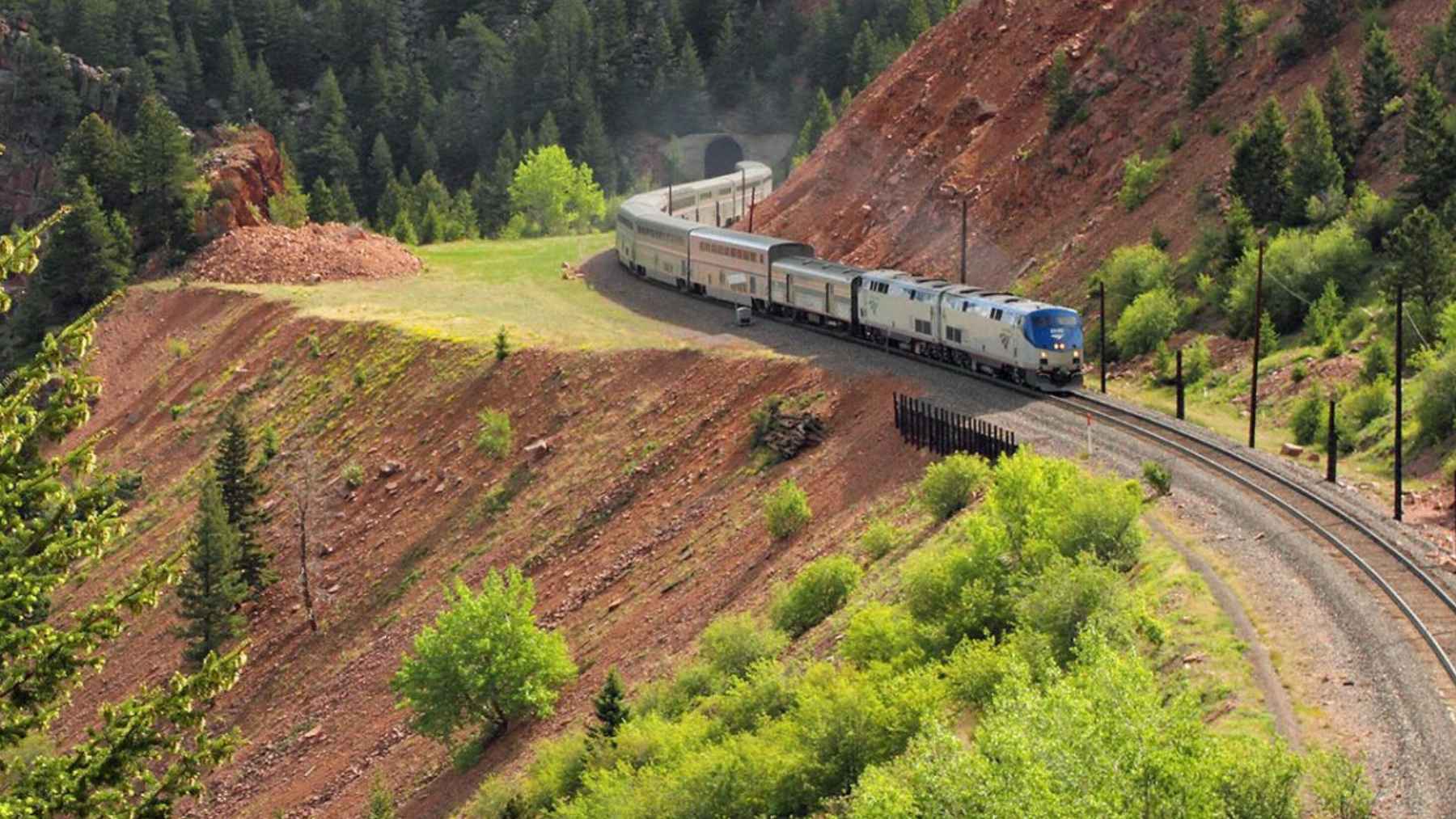
One passenger route has become a kind of moving window into that scale. The California Zephyr runs from Chicago to the San Francisco Bay Area, and it is built for people who want the journey itself, not just the arrival. Are you ready for a trip where the best screen is the one outside your window?
How long and how far
An official mileage record lists the Chicago to Emeryville run at 2,438 miles, which is why riders often describe it as a cross-country trip in everything but name. Emeryville sits across the bay from San Francisco, so your finish line is close to the city even if it is not downtown.
Time is the other big number to understand before you buy a ticket. A timetable dated April 22, 2026, puts the end-to-end ride at a little over 52 hours in either direction, meaning two nights on board for most travelers.
That long clock changes how you plan the basics. Meals, showers, and even simple things like charging a phone start to feel like part of the travel strategy, not an afterthought. It also helps to treat arrival times as flexible, especially if you are trying to catch another connection.
The scenery is the point
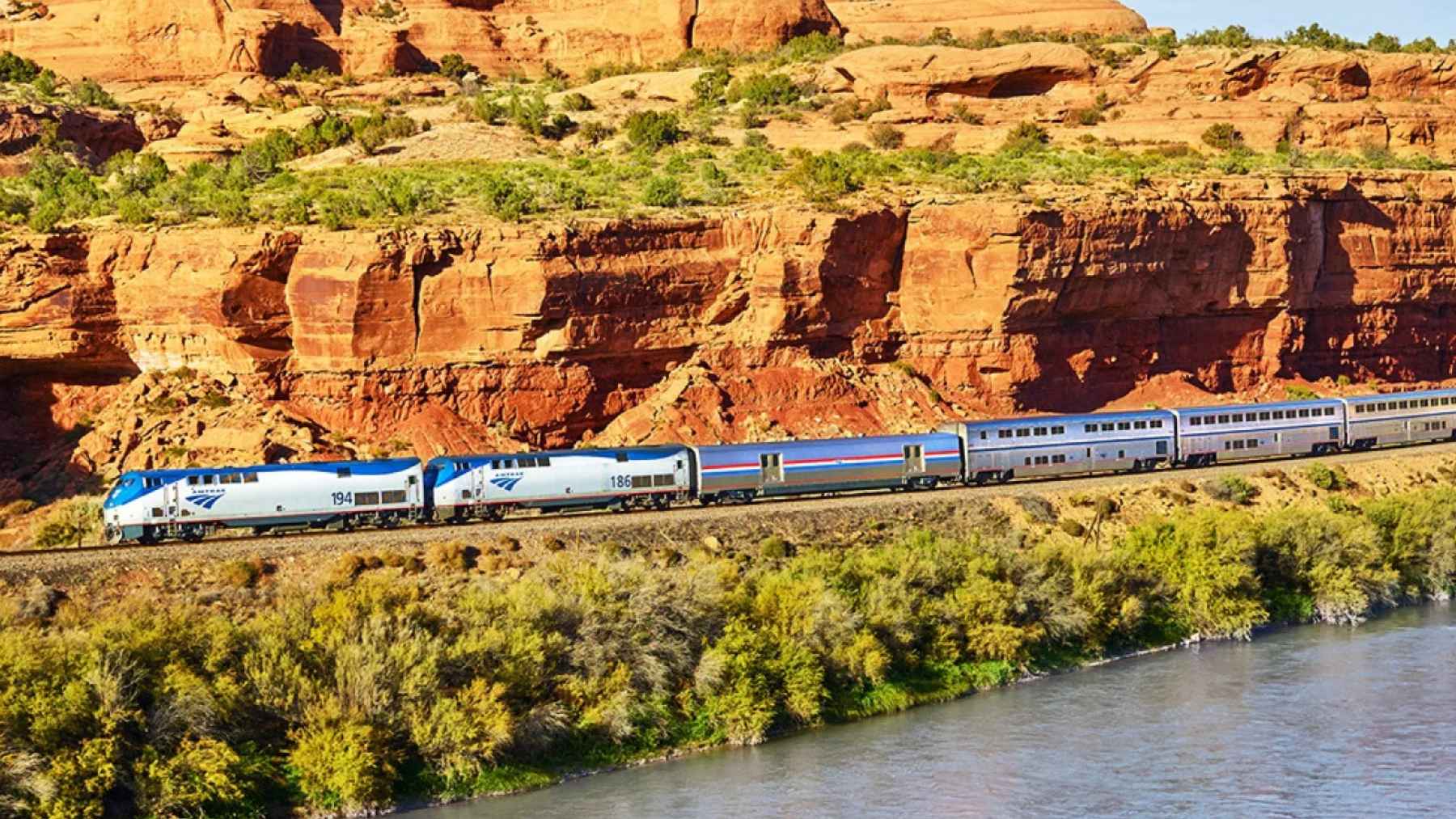
The route guide highlights a greatest-hits list of Western geography, from the Rocky Mountains to the Sierra Nevada, with named stretches like Glenwood Canyon and Donner Lake. It also points riders toward the “Sightseer Lounge,” a lounge car with oversized windows that turns the landscape into the main attraction.
Marc Magliari, a senior public relations manager for the rail operator, summed up the scale in one line. “It covers about two-thirds of the continent,” he said, and that is exactly how it feels when you watch plains give way to peaks and then to desert.
This is not the kind of trip where you glance out once and go back to your seatmate. The views come in waves, and some of the best stretches arrive when you least expect them, right after a crew change or a short station stop. Then, suddenly, you are rolling along a river canyon with hardly a road in sight.
What you get onboard
The biggest comfort upgrade is a private room in a sleeping car, often sold as a roomette or bedroom. The operator’s guide to sleeper rooms says meals are included with private-room travel, and it also lists extras like a room attendant and access to station lounges at some major terminals.
Coach is simpler and usually cheaper, but it is still designed for long hours. Either way, the train is its own small world, with a cafe option, quiet pockets, and the social rhythm of people walking to the lounge and back. Bring layers, because temperatures can swing between air-conditioned cars and sunny window seats.
Then there is the modern question, the one that can make or break patience on a long trip. On the company’s list of trains that offer onboard Wi-Fi, the California Zephyr is not included, so riders should plan for long offline stretches and spotty cell service in remote areas.
Stops worth an overnight
Chicago is the eastern bookend, and Union Station makes a natural starting point if you want to explore before departure. The city’s riverfront architecture tours are popular because they turn the skyline into a story you can actually follow, and Millennium Park is an easy stop if your bag is already packed.
Denver often works as a halfway pause, especially for people who do not want two straight nights on the train. The city sits about 5,280 feet above sea level, and staying overnight gives you time to see more than the platform, including Red Rocks Park and Amphitheatre about 15 miles away. It is also a good place to restock snacks and reset before the train climbs into the Rockies.
Salt Lake City is another practical break point, set between the Wasatch Mountains and the Great Salt Lake.
Farther west, Sacramento appeals to travelers who like food culture and railroad history, with farm-to-table restaurants and the California State Railroad Museum as common picks. By the time you reach the Bay Area, the contrast is sharp, busy streets and hills after days of open space.
Best time to ride and a few real-world tips
Every season changes the trip, so there is no single “right” month. Winter can mean crisp views of snow on high peaks, while summer usually brings longer daylight so you see more of the route without falling asleep at sunset.
Spring and fall often land in the middle, with milder city weather and fewer extremes across mountain passes.
In practical terms, this ride rewards preparation more than spontaneity. Download music, movies, and maps ahead of time, pack a battery bank, and carry snacks you would actually want to eat if the cafe line is long. If you are splitting the trip, book your hotel with flexible check-in in mind, because delays can happen on long-distance routes.
At the end of the day, the California Zephyr is not competing with airplanes. It is offering something different, a slow glide through the country that makes distance feel real again. And for a lot of riders, that is the whole point.
The main official route information has been published on Amtrak.