Deep beneath our feet, a slow trickle of gold is escaping from the heart of Earth. That is the striking conclusion of a new study that used ultra-precise chemical fingerprints in Hawaiian lava to show that precious metals are leaking from the planet’s metallic core into the rock above.
For decades, geology textbooks treated the core as a locked vault. Nearly all of Earth’s gold, platinum and other iron-loving elements were thought to be trapped there forever, buried about three thousand kilometers below the surface. By some estimates, more than 99.999% of the planet’s stores of these metals sit in the core, far beyond any realistic mining plan.
Should we picture a future gold rush drilling toward that hidden treasure? Not quite. The leak that scientists describe is incredibly slow and operates on planetary timescales, but it reshapes how we think about the deep engine that drives volcanoes, mineral deposits and, in a roundabout way, the gadgets in our pockets.
Hawaiian lava as a message from the core
The new research, led by geochemist Nils Messling at University of Göttingen, focused on so-called ocean island basalts from the volcanoes of Hawaii. Using ultra-sensitive instruments, the team measured tiny variations in isotopes of the precious metal ruthenium and the element tungsten in these lavas.
Isotopes are versions of the same element that have slightly different masses. During the violent birth of the planet, the core and the rocky mantle ended up with subtly different mixtures of these isotopes. That difference now acts like a barcode for geochemists who want to know where a rock sample originally came from.
Compared with typical upper mantle rocks, the Hawaiian samples contained a slightly higher amount of ruthenium 100, a rare isotope that is enriched in the core. At the same time, their tungsten isotopes looked unusually unradiogenic, which means less altered by radioactive decay than expected for normal mantle material.
Taken together, the pattern points to small amounts of metallic core material that have been stirred into the hot rock rising beneath the islands.
“When the first results came in, we realized that we had literally struck gold,” Messling said. “Our data confirmed that material from the core, including gold and other precious metals, is leaking into the Earth’s mantle above.”
Co-author Matthias Willbold added that the work shows huge volumes of super heated mantle rock rising from near the core mantle boundary. He explained that these upwellings, known as mantle plumes, can involve several hundreds of quadrillion metric tons of rock and eventually build ocean islands like Hawaii at the surface.
How a planetary leak actually works
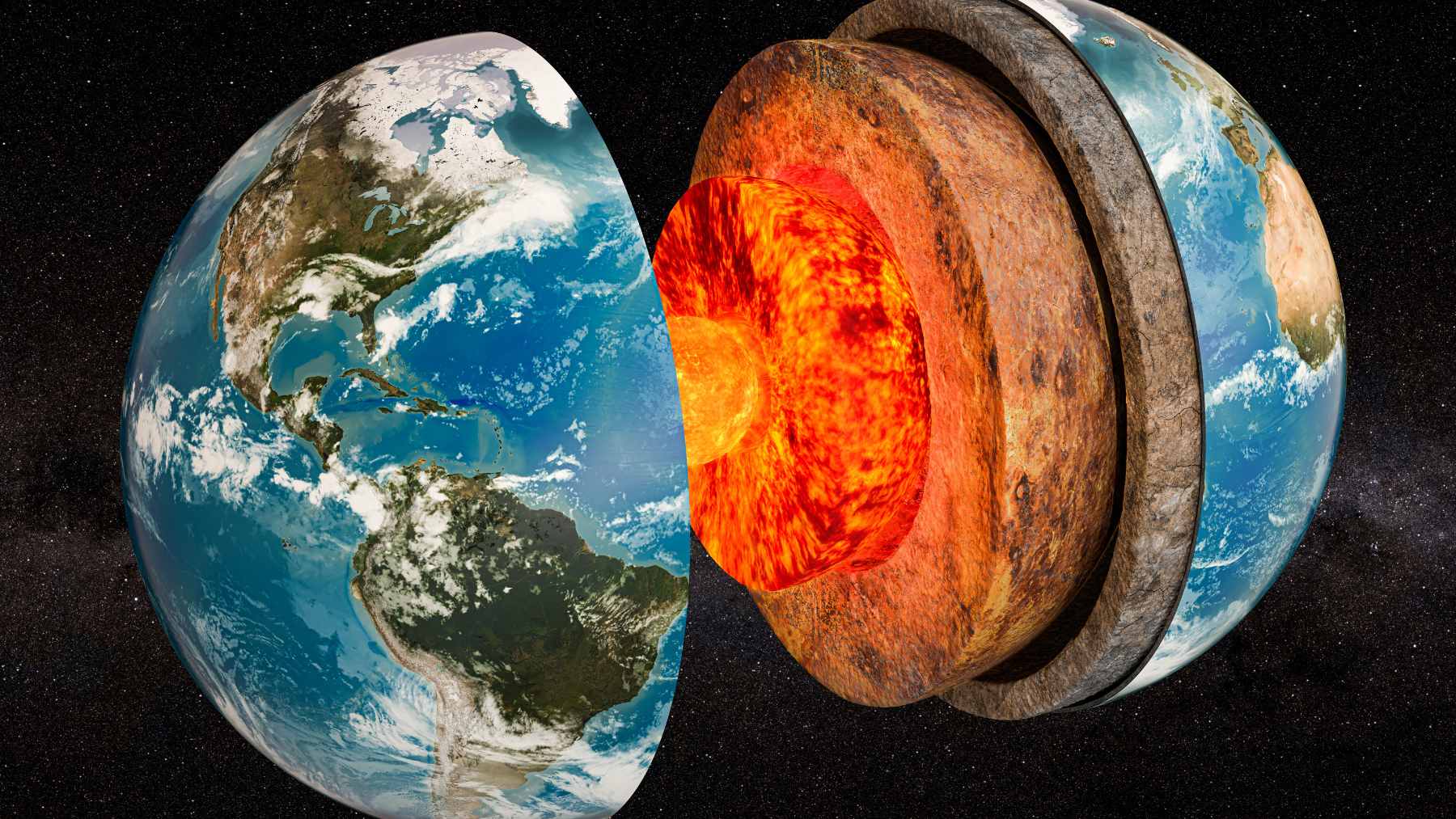
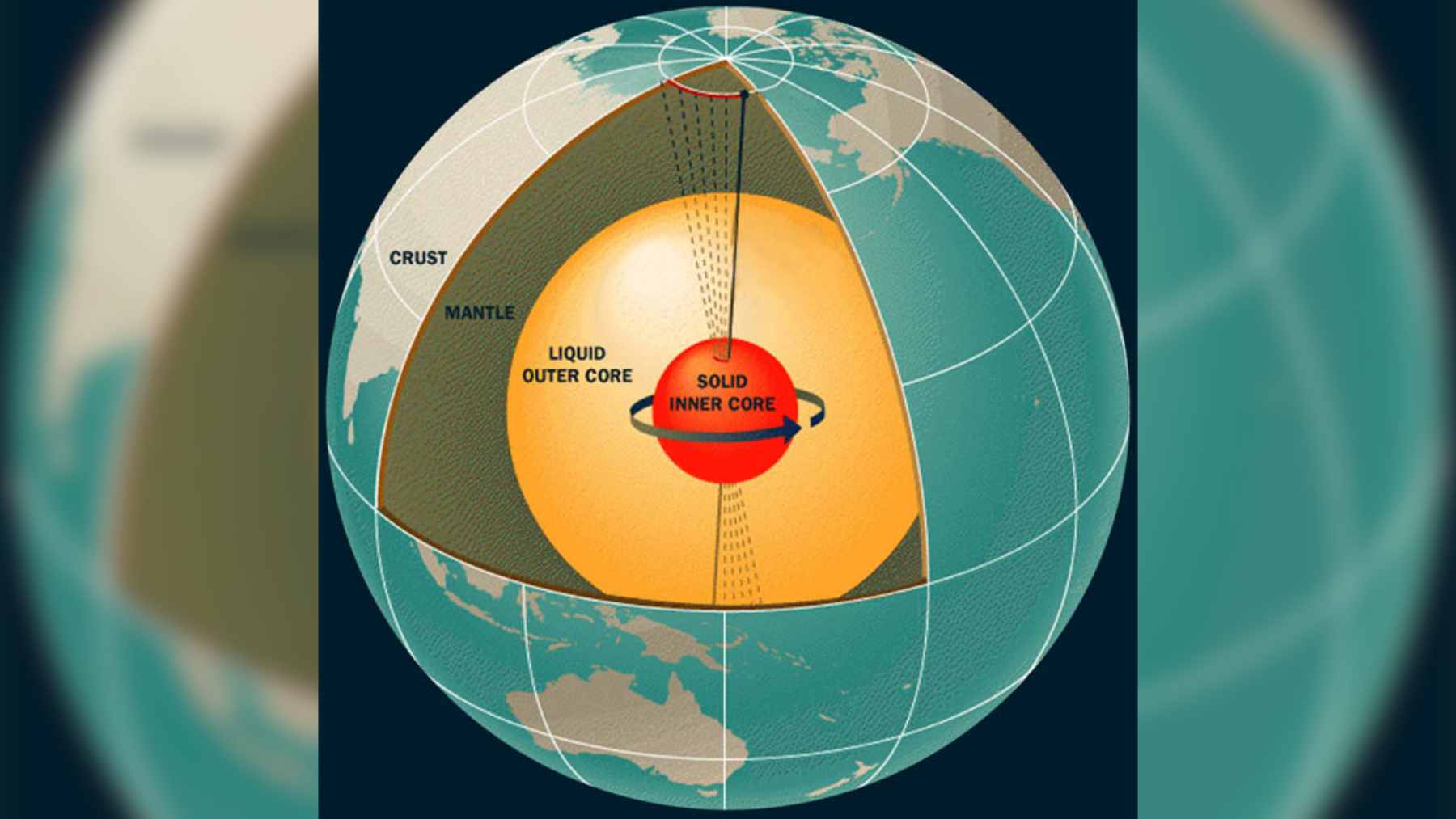
Earth’s core is a ball of mostly iron and nickel, divided into a solid inner sphere wrapped in a liquid outer layer. Above it sits the rocky mantle, which behaves like a very slow moving fluid. In some regions, mantle plumes act like express elevators, carrying hot rock from near the core toward the base of the crust, where it can feed long-lived volcanoes.
In this picture, the core is not gushing metal. Instead, tiny amounts of core derived material appear to get mixed into the base of these plumes, then travel upward over millions of years. By the time the rock melts to form lava, only traces of those metals remain. Detecting a slight shift in ruthenium and tungsten isotopes is enough to prove the connection.
Scientists still do not know how long this kind of leakage has been operating or exactly how much of the gold in the crust comes from the core compared with ancient asteroid impacts. What is clear is that the old idea of a completely sealed core no longer fits the data.
A supergiant deposit on the surface
While the core hoards most of the treasure, the part that does reach the crust still adds up to staggering amounts. One headline making example sits in central China. Under the Wangu gold field in Hunan Province, geologists have mapped more than forty gold bearing veins at depths of about two thousand meters.
Official figures from provincial authorities report around three hundred metric tons of confirmed gold resources and estimate that the deposit could hold more than one thousand tons in total, valued at roughly $80 billion if those numbers are verified.
It sounds like a miner’s dream. It is also an environmental headache in the making. Mining ore at two to three kilometers depth means working in rock that can be hotter than sixty degrees Celsius.
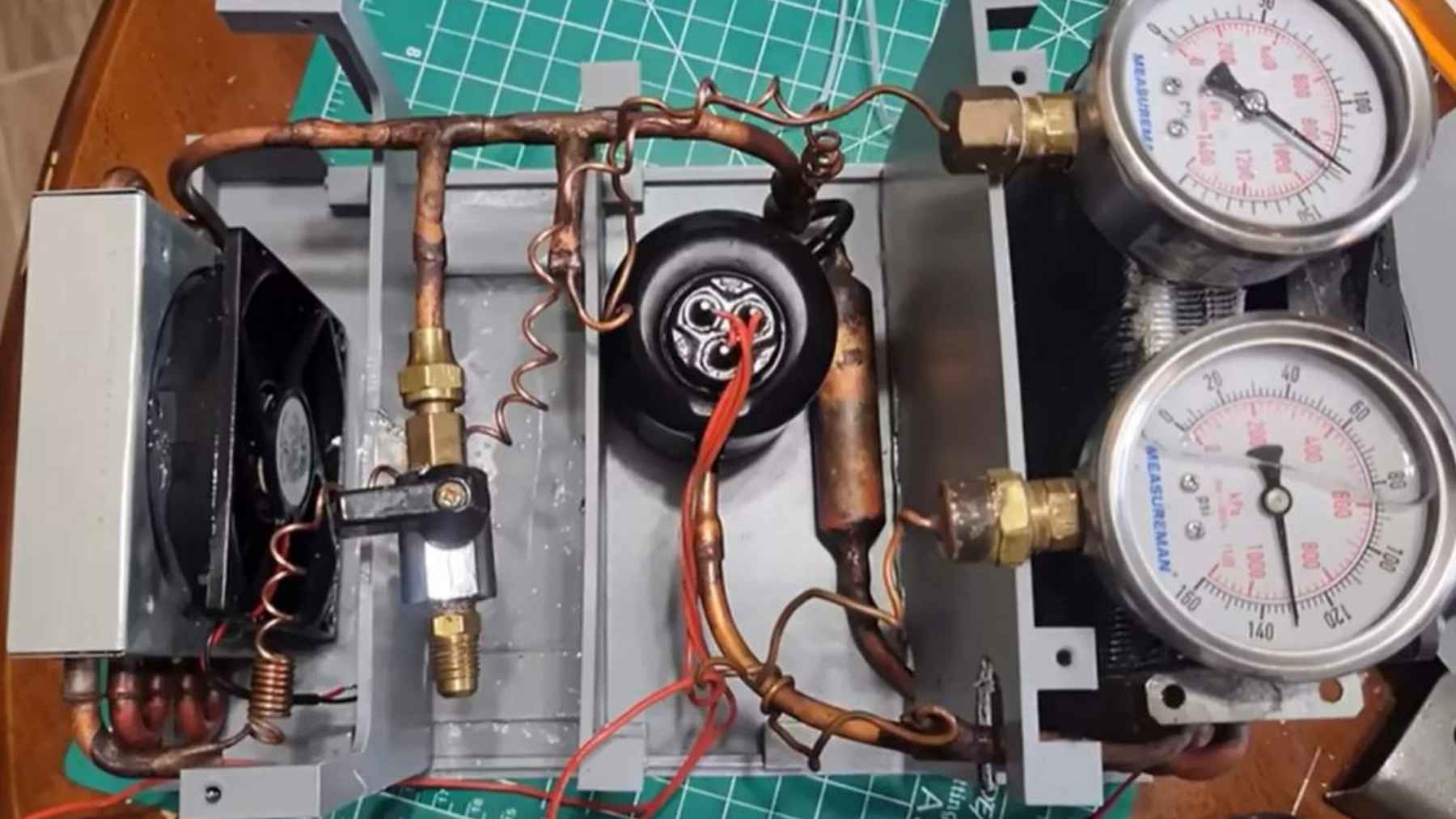
Deep operations such as the Mponeng Gold Mine already rely on powerful refrigeration and ventilation systems, and studies show that cooling can consume around a quarter of a mine’s electricity.
On a global scale, gold mining produces a large carbon footprint. Analyses of the industry suggest that emissions from mine production alone reach tens of millions of tons of carbon dioxide equivalent each year, with some research placing the broader supply chain above one hundred million tons.
Much of that gold ends up in everyday products. The electronics sector is one of the biggest industrial users, consuming hundreds of tons of gold per year because the metal is an excellent electrical conductor that does not corrode.
A typical smartphone contains roughly fifty milligrams of gold in its connectors and circuit boards, and similar coatings appear in computer chips, high-end cables and many renewable energy components.
Gold is also playing a growing role in medicine. Tiny gold nanoparticles are being tested for cancer imaging, drug delivery and targeted therapies, while existing rapid tests already rely on the vivid color of gold particles to reveal results.
So the slow journey of metal from the core eventually touches everything from solar farms and electric vehicles to the phones we check in traffic and the diagnostic kits in hospital labs.
A slow leak that calls for faster action
The new isotope study will not unlock an easy route to the vast gold locked in the core. What it does provide is a sharper picture of how Kīlauea and other plume-fed volcanoes tap material from deep inside the planet, and how that deep circulation helps concentrate precious metals in the crust over geological time.
For geologists, that knowledge may refine models of where future ore deposits could form. For everyone else, it is a reminder that the metals we use for clean energy and digital lives are finite and costly to extract.
Even if the core keeps drip feeding tiny amounts of gold upward, the most sustainable “new” gold in the coming decades will likely come from better recycling of electronic waste and stricter environmental standards for any new mines.
At the end of the day, the planet’s hidden leak works on timescales of millions of years. Decisions about how we manage mining, climate pollution and the circular use of critical metals happen on the scale of power bills, policy cycles and product launches. That mismatch is exactly where human choices matter most.
The study was published in Nature.