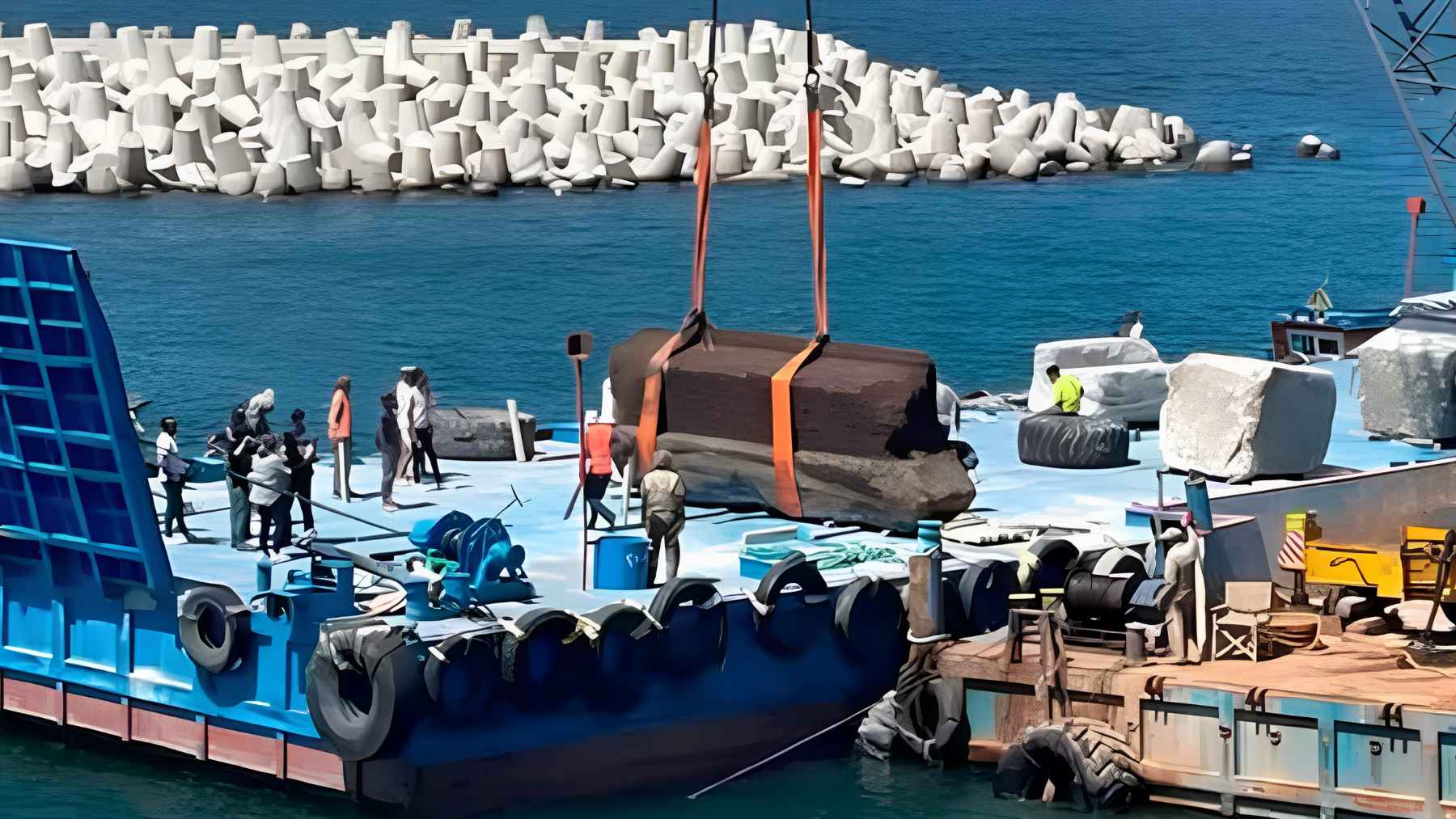
A rare piece of the ancient world has just come back into view. Archaeologists working off Alexandria, Egypt, have lifted 22 huge stone blocks from the Mediterranean seafloor, and the pieces are linked to the Lighthouse of Alexandria, one of the Seven Wonders of the Ancient World.
This is not treasure in the movie sense. No gold chest. Instead, the find is a doorway into one of history’s most famous lost buildings, and the main goal is to scan the blocks, study them, and rebuild the lighthouse digitally with far more accuracy than before.
A wonder resurfaces
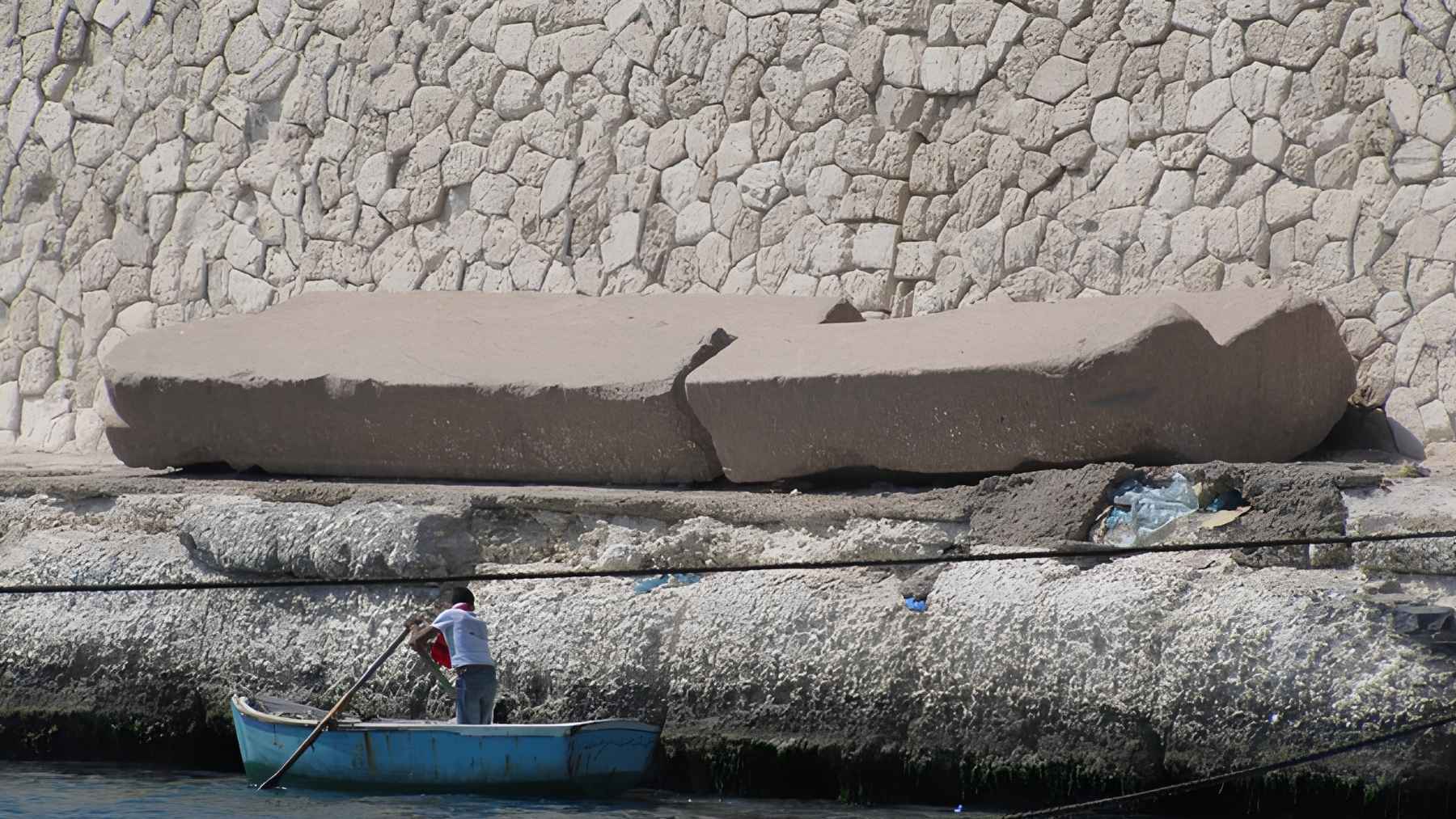
The recovered stones include door lintels, upright side pieces, a threshold, large base slabs, and parts of a previously unknown pylon, which is a monumental gateway. Some of the pieces weigh about 77 to 88 U.S. tons each, meaning this was less like picking up artifacts and more like moving chunks of a building from the sea.
The mission is being carried out under the scientific direction of archaeologist and architect Isabelle Hairy, with France’s Centre National de la Recherche Scientifique, the Centre d’Études Alexandrines, the Egyptian Ministry of Tourism and Antiquities, and La Fondation Dassault Systèmes.
In practical terms, that means archaeologists, historians, architects, and engineers are all trying to answer one big question: What did the Pharos really look like?
Why the lighthouse mattered
The Lighthouse of Alexandria was built on Pharos Island at the entrance to the city’s Great Port. Construction began in 297 BCE, and the project was started by Ptolemy I before being completed under Ptolemy II between 283 and 281 BCE.
At more than 328 feet tall, the tower was a giant signal for sailors navigating a coastline lined with shoals and reefs. Think of it as an ancient safety system for ships, long before radar, GPS, or even a reliable harbor map.
The lighthouse did more than help boats avoid danger. It told the Mediterranean world that Alexandria was rich, powerful, and open for trade. That is why these blocks matter so much. They are pieces of an ancient landmark that shaped how people moved, traded, and imagined the city.
Three decades underwater
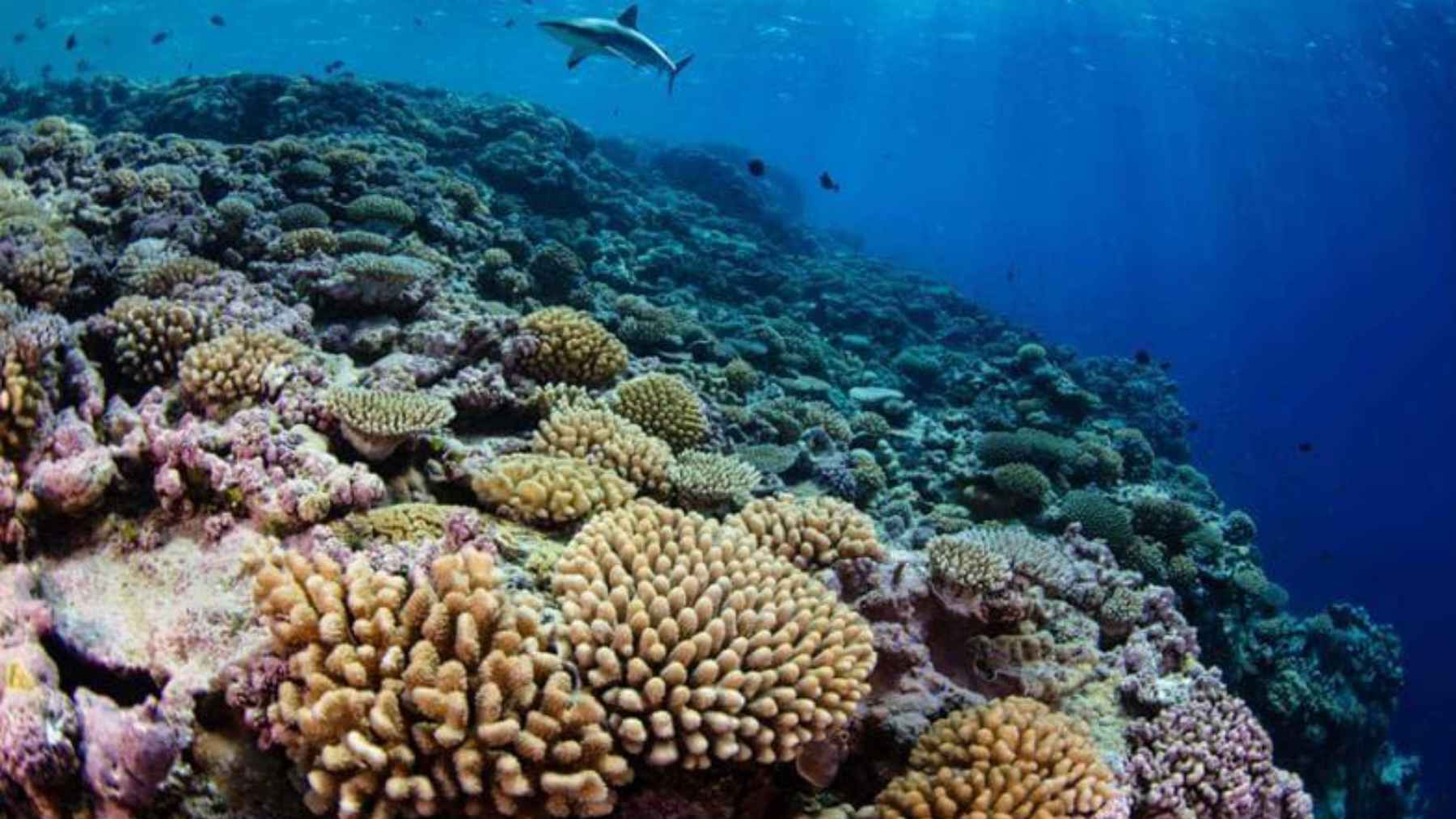
The ruins lie beneath the Mediterranean near the Citadel of Qaitbay, in water roughly 16 to 33 feet deep. The underwater archaeological area covers about 4 acres, and the broader submerged zone around the ancient site is about 7 acres.
The site had been known since the 1960s, but organized excavation began in 1994. Jean-Yves Empereur led the first major salvage mission, and the mapping work was important enough that Egyptian authorities stopped modern seawall work that could have damaged the ancient remains.
Since 1994, teams have returned regularly when weather and sea conditions allowed. That slow pace can feel frustrating from the outside, but underwater archaeology is not a treasure hunt. It is patient, risky work in low visibility, with heavy objects, fragile surfaces, and very little room for mistakes.
The digital puzzle
The newly recovered blocks will be scanned using photogrammetry, a method that turns many overlapping photos into detailed three-dimensional models. That lets experts rotate, measure, and compare each stone on a computer, almost like rebuilding a broken statue on a desk, except the pieces are bigger than cars.
The team will add the new scans to more than 100 blocks already digitized underwater over the past decade. Engineers will then test where the stones may have fit, using virtual models to study how the lighthouse was built and why it eventually collapsed.
A related 2025 Digital Heritage study says digital methods have transformed the work at the site. It also notes that a digital twin of the area began in 2013, and that close to 5,000 architectural fragments and stone statues from several periods have now been recorded.
What the stones reveal
One of the most interesting clues is the recovered pylon, which appears to combine an Egyptian-style doorway with Greek building techniques. That mix fits Alexandria itself, a city where Egyptian, Greek, Roman, and later Islamic history overlapped for centuries.
These blocks may help researchers understand the lighthouse’s monumental entrance, not just its famous tower. Ancient coins and written descriptions preserve parts of the building’s image, but real stone gives researchers something firmer to test.
There is still plenty of uncertainty. The exact placement of the beacon, the role of a possible mirror, and the details of the upper structure remain debated, so the digital reconstruction will not be a magic answer. It will be a better map of what is likely.
From collapse to reconstruction
The lighthouse survived for more than 1,600 years before earthquakes and later reuse of its stones helped erase it from the skyline. A medieval account from 1304 mentions a major earthquake and the “collapse of the Lighthouse of Alexandria,” while later reports suggest the site became a quarry before disappearing beneath the sea.
The new project will not rebuild the ancient wonder in stone. Instead, it aims to create a digital twin that researchers can test, revise, and share with the public, which is useful because the real site is hard to visit and affected by murky water and pollution.
For now, 22 massive blocks have given archaeologists a rare chance to look again at a building that once guided sailors through one of the busiest ports of the ancient Mediterranean.
The press release was published by CNRS.