Spain’s long-running dispute over the European eel has moved from cold river mouths to the center of national conservation politics. In January 2026, Spain’s Ministry for Ecological Transition and the Demographic Challenge, known as MITECO, put forward a plan to declare the eel and its juvenile form, the glass eel, “in danger of extinction” under a national special protection system.
The proposal was set for formal discussion with regional governments on February 17, 2026.
The push has met firm resistance in Galicia and Asturias, where commercial fishers say a blanket ban would punish tightly monitored local work while leaving damaged rivers, dams, turbines, pollution, and poaching to keep hurting the species. That February meeting did not give the plan enough regional support to move forward, and officials agreed instead to create a working group.
A fight over one fish
So, why would one fish cause this much noise? Because the European eel sits at the crossing point between conservation, local jobs, gastronomy, and the health of Spain’s rivers.
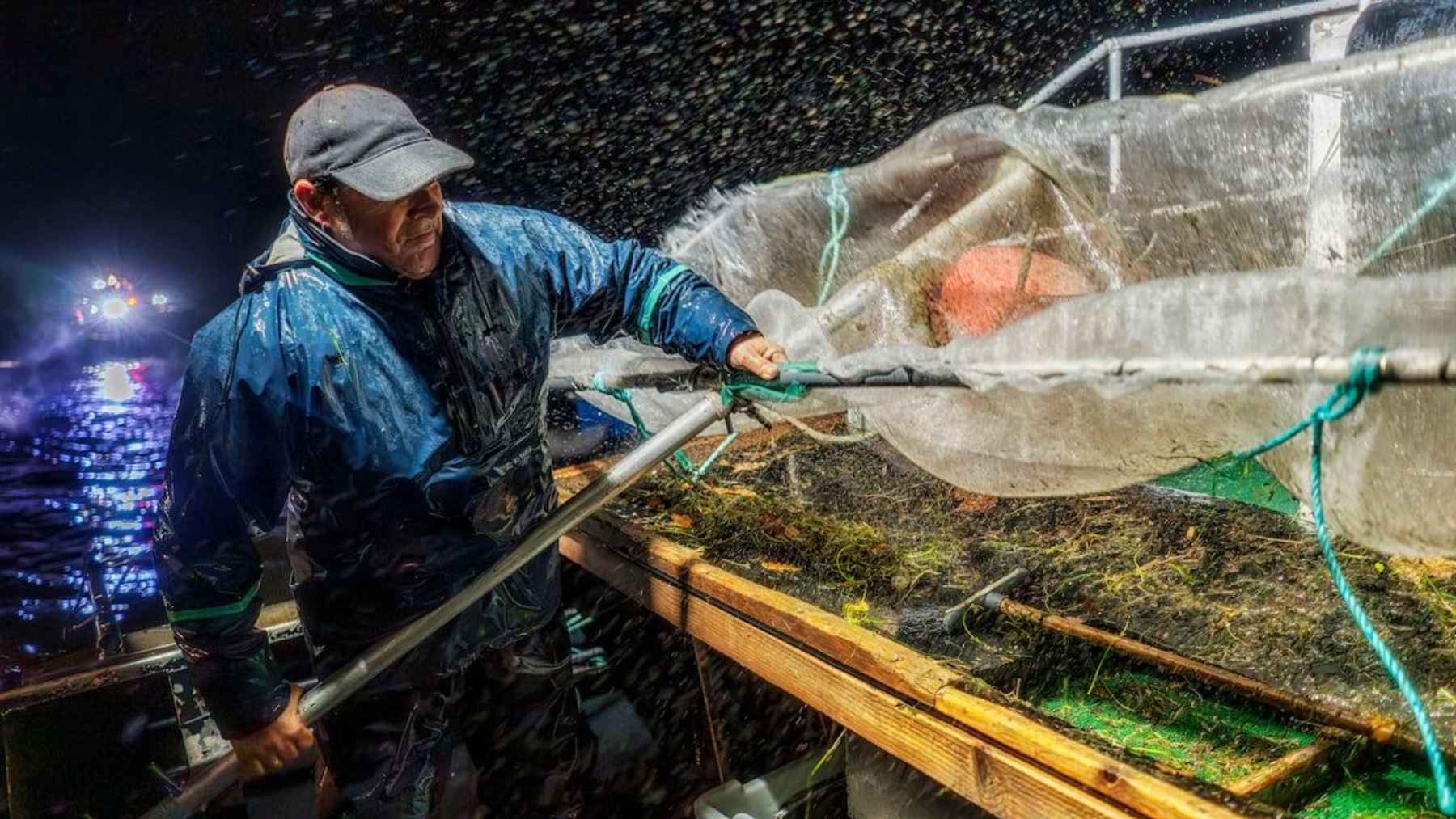
In fishing towns along the Vigo estuary, San Juan de la Arena, and the lower Nalón, eel and glass eel fishing is not seen as a casual activity. It is a seasonal trade, watched closely by inspectors, tied to permits, and built around catch data that fishers say they already provide.
What the eel is
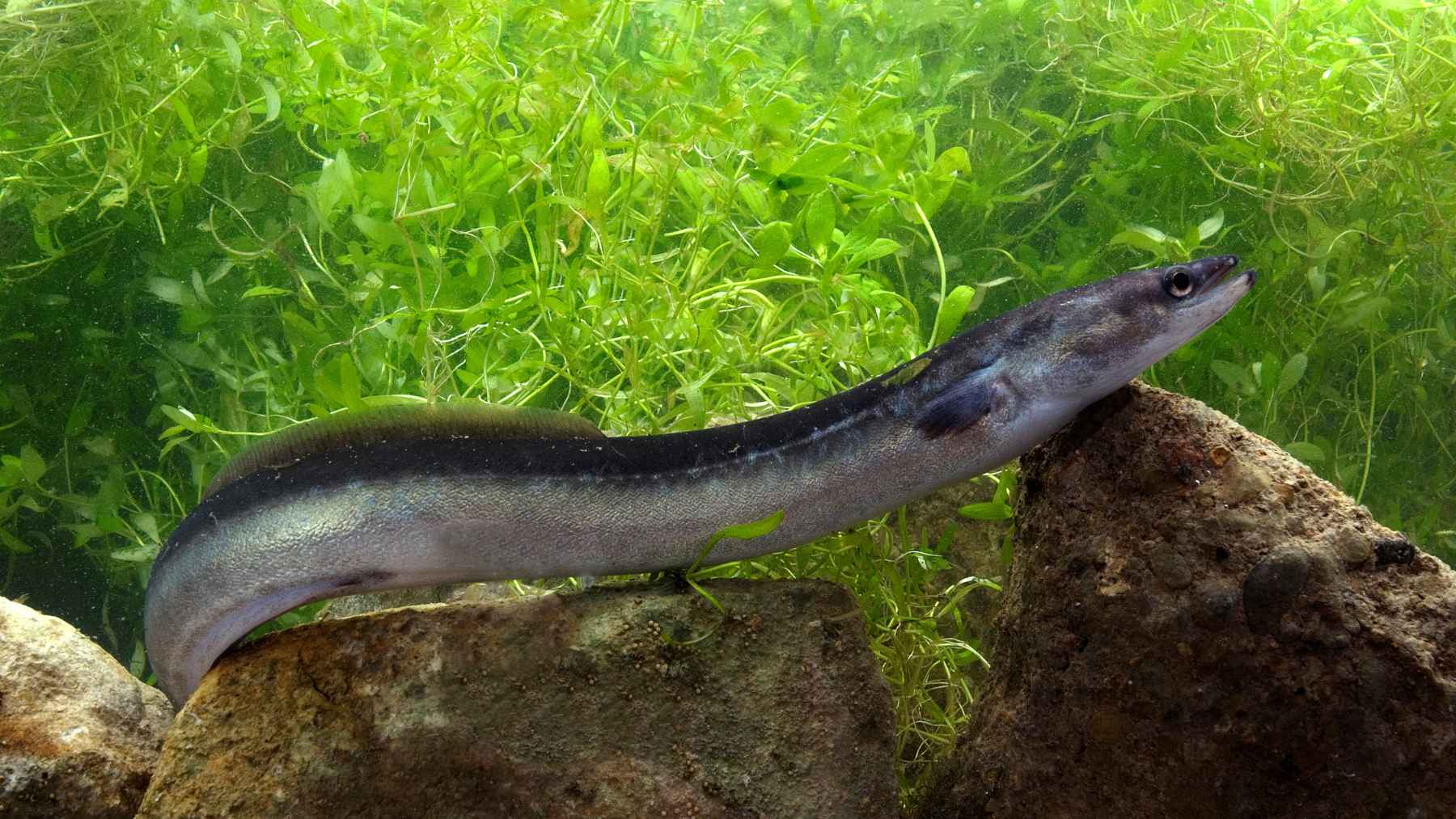
The European eel has one of the strangest life stories in the animal world. It is born in the Sargasso Sea, drifts toward Europe as a larva, then grows for years in rivers, lagoons, estuaries, and coastal waters before heading back to the ocean to reproduce.
When it first reaches the coast, it is small and transparent, which is why people call it a glass eel. Later it becomes a yellow eel, then a silver eel, the stage that prepares for the long trip back to sea. Males are often around 20 inches long, while females can grow to more than 3 feet.
Why scientists are alarmed
The concern is not new. The European Commission says the species is listed as “critically endangered” by the International Union for Conservation of Nature, and it points to fishing, migration barriers, hydroelectric dams, pollution, poaching, illegal exports, and possible ocean changes as major pressures.
That is the hard part. Fishers may be right that dams and dirty rivers matter, but scientists also warn that every source of death counts when a population is already in deep trouble. At the end of the day, the eel is trying to survive a full obstacle course.
The zero catch advice
The International Council for the Exploration of the Sea has gone further than Spain’s proposed listing. For 2026, it advised zero catches in all habitats, covering recreational fishing, commercial fishing, and glass eels caught for restocking or aquaculture.
In simple terms, that means scientists are asking managers to stop taking eels out of the system while recovery remains uncertain. It is a blunt recommendation, and for fishing families it lands like a closed door.
What fishers say
Asturias argues that its glass eel fishery is already controlled, with reduced fishing effort, limited licenses, shorter seasons, no recreational catch, and full closure for yellow and silver eels. The regional government also warns that banning legal fishers could open more space for illegal fishing, the kind nobody records at the dock.
That fear is easy to understand. A legal fisher on the river is also a pair of eyes at night, when poachers may be tempted by a tiny animal that can sell for very high prices in luxury markets.
The river problem
The Oslo and Paris Conventions (OSPAR) Commission’s 2022 assessment supports one part of the fishers’ argument. It says the eel remains in very poor condition, but it also lists dams, turbines, habitat loss, pollution, poaching, disease, and climate change among the threats that still weigh heavily on the species.
A dam is not just a wall of concrete. For an eel, it can be a blocked road on the way upstream or a deadly machine on the way back down. If river restoration does not move along with fishing rules, the recovery plan may feel incomplete.
Local money is involved
Galicia’s regional authorities say the proposed protection would have major social and economic effects. According to official regional figures, Galicia sold about 82,000 pounds of eel in 2025, with business close to $930,000 when converted using late May 2026 exchange rates.
That may not sound huge beside national industries, but in small towns it matters. It supports direct jobs, keeps young people tied to coastal communities, and helps maintain a traditional trade that already operates on narrow margins.
Restaurants enter the debate
This is also a food story. Euro-Toques Spain, an association linked to prominent chefs, backed the campaign “Angulas, no, thanks,” asking restaurants to stop serving glass eels as a symbolic response to the species’ condition.
For diners, the issue is simple but uncomfortable. A dish that once seemed like a seasonal delicacy now carries a bigger question. Is tradition enough when the animal behind it is in crisis?
What happens next
For now, Spain does not have a single settled answer. The national ministry wants stronger protection, while Galicia and Asturias are pushing for a broader plan that starts with rivers, illegal fishing, traceability, and coordination with neighboring countries.
The working group may become the place where both sides test their claims. The trouble is, the eel’s life cycle moves slowly, and recovery could take far longer than one political season.
The official press release has been published by Spain’s Ministry for Ecological Transition and the Demographic Challenge.