Mexico is betting on a route that sounds almost like a contradiction. It is a canal with no water, a land bridge across the narrow Isthmus of Tehuantepec that could move containers between the Pacific and the Gulf of Mexico without sending every ship through Panama.
The project is the Interoceanic Corridor of the Isthmus of Tehuantepec, known as CIIT. In practical terms, it links Salina Cruz in Oaxaca with Coatzacoalcos in Veracruz through upgraded rail lines, ports, roads, and logistics zones, creating a multimodal platform that the Mexican government now lists as a central development project for the south-southeast.
A dry canal across Mexico
Unlike the Panama Canal, this route does not lift ships through locks or depend on freshwater reservoirs. Cargo would be unloaded at one coast, moved by train across southern Mexico, and loaded again at the other port.
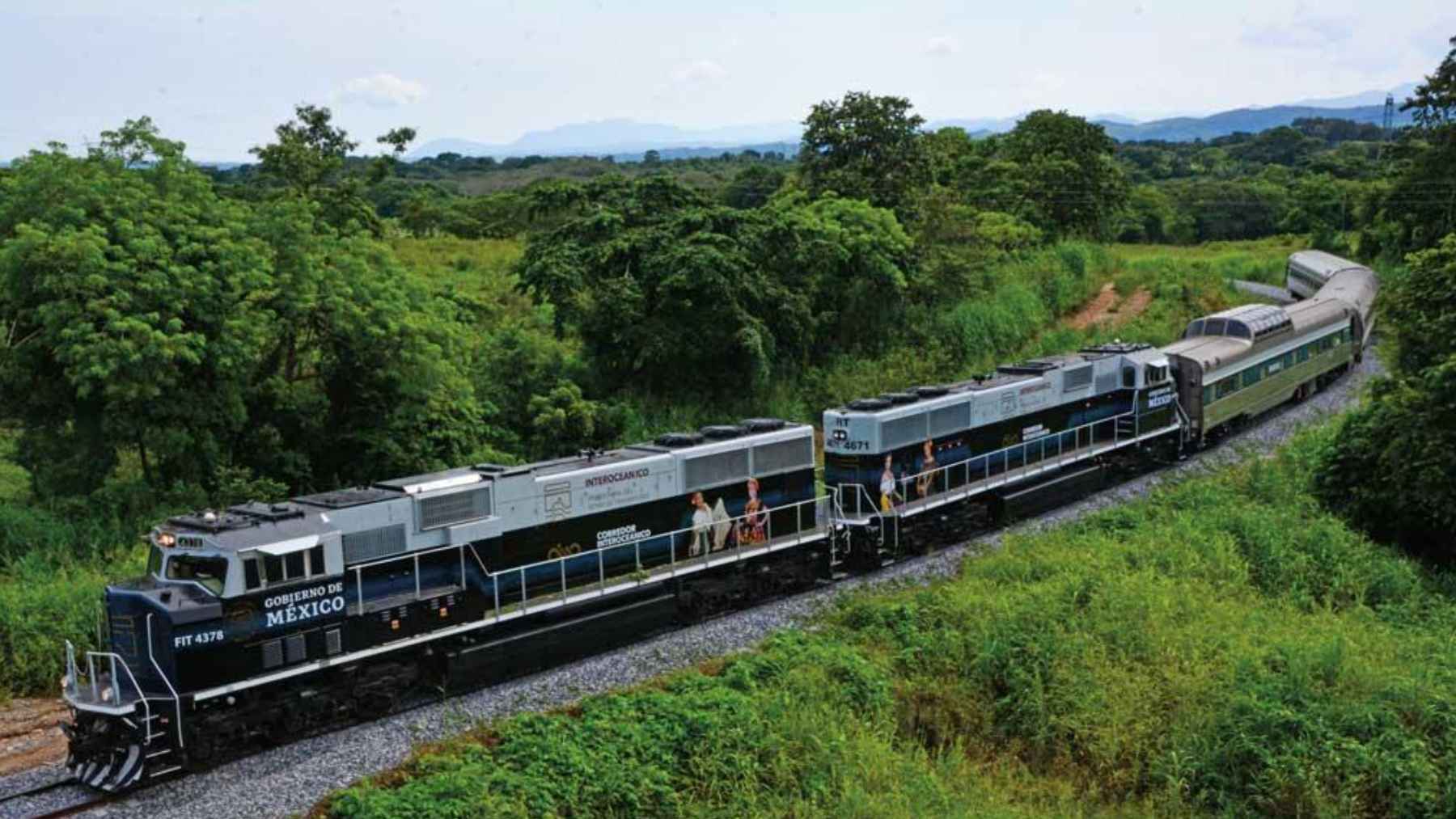
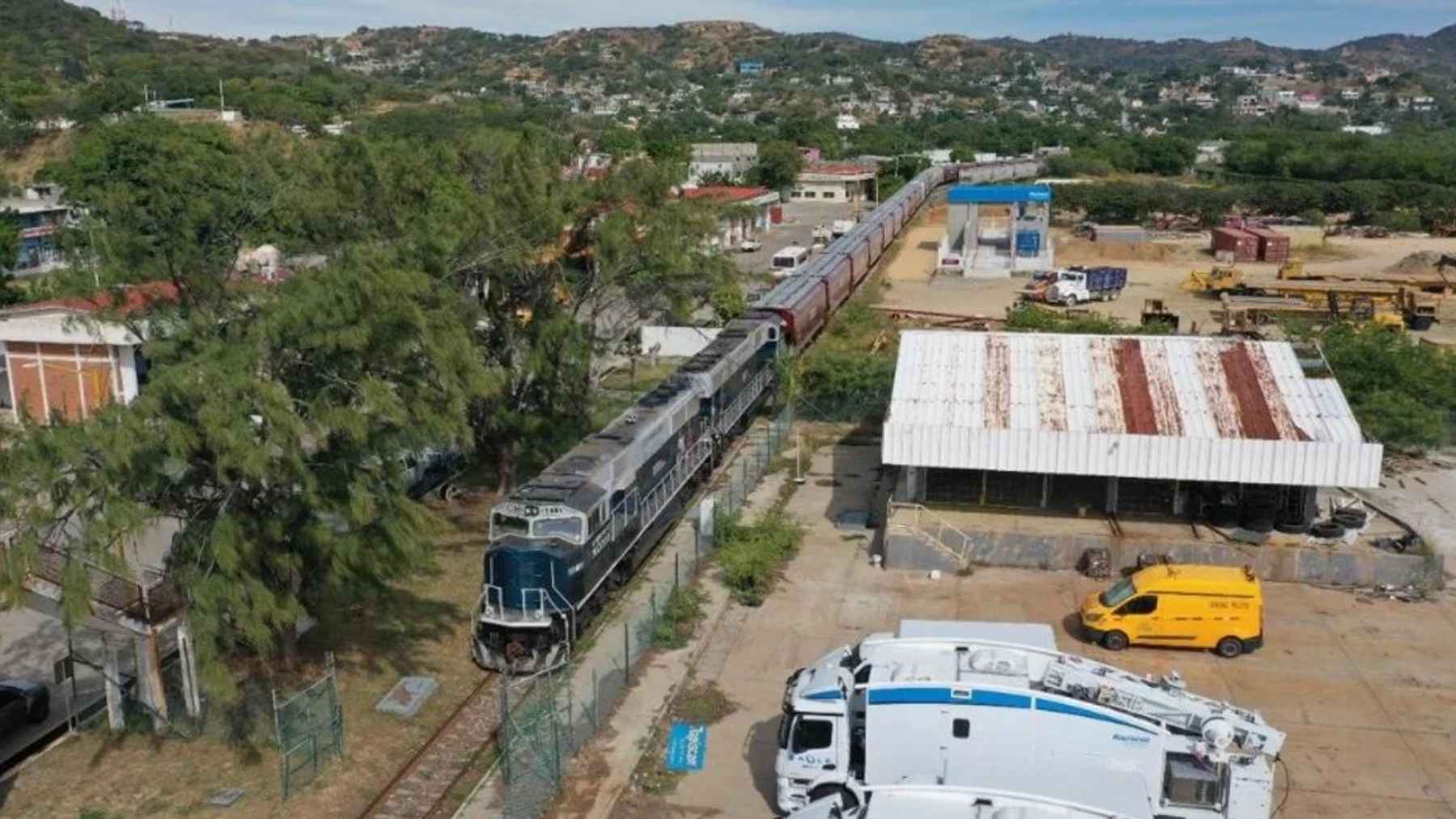
The main rail artery, Line Z, runs about 192 miles from Coatzacoalcos to Salina Cruz. Official project information says rehabilitation started in 2019 and operations began in December 2023, with freight service and scheduled passenger trains on the line.
That distance is short enough to feel almost surprising on a map. One ocean, a train ride, another ocean.
Why Panama is watching
For more than a century, the Panama Canal has been the great shortcut of the Americas, but global trade is getting more complicated, and supply chains are looking for backup routes whenever drought, congestion, geopolitics, or port delays squeeze the system.
Mexico’s answer is not a replacement for Panama, at least not in a literal sense. It is more like a pressure valve, one that could appeal to shippers moving certain types of containers, industrial cargo, energy products, or regional freight.
That matters because logistics is no longer just about distance. It is also about reliability, fuel, waiting time, and the hidden cost of a late shipment, the kind that eventually shows up in store prices.
More than railroad tracks
The corridor is being built as a network, not just a rail upgrade. Official project materials describe an integrated platform involving the ports of Coatzacoalcos, Salina Cruz, Dos Bocas, and Puerto Chiapas, connected through the Isthmus of Tehuantepec Railway.
The plan also includes 14 Development Poles for Well-Being, industrial and logistics zones meant to attract investment and jobs. Some of these sites cover roughly 198 to more than 1,236 acres, based on the 80 to more than 500 hectares described in the project background.
The line is also intended for heavy cargo. Project descriptions point to rail capacity for axle loads of up to about 30 U.S. tons, enough for containers, energy cargo, and industrial materials.
The green promise
Rail can be cleaner than moving the same freight by highway, especially when trains carry heavy loads over long distances. A Federal Railroad Administration comparison found rail was more fuel efficient than trucks across the freight movements it studied, with rail ranging from 156 to 512 ton-miles per gallon and trucks from 68 to 133 ton-miles per gallon.
For the Isthmus, that matters. If the corridor takes trucks off roads, cuts detours, or avoids long waits elsewhere, it could reduce fuel waste for some supply chains.
However, there is a catch. Diesel locomotives, dredged ports, expanded yards, and new industrial parks still have footprints, and a dry canal is not automatically green just because it uses rail.
The environmental question
The Isthmus of Tehuantepec is not an empty strip of land. It is home to communities, forests, water systems, and ecosystems that can be stressed by industrial expansion, road widening, construction noise, exhaust fumes, and land-use change.
That is why environmental oversight may end up being as important as engineering. Investigative reporting and human rights groups have warned that the project’s industrial hubs and rail works could affect biodiversity, water, land rights, and Indigenous communities if impacts are not evaluated as a whole.
The official line says the platform should be sustainable and inclusive. The test will be whether that promise survives daily operations, not just ribbon-cuttings.
Digital rules for a giant route
Mexico has now moved from construction talk to operating rules. On June 2, 2026, the Diario Oficial de la Federación published coordination guidelines for the multimodal platform, setting the basis for how the participating entities should work together.
Those rules focus on coordination, interoperability, port-rail links, electronic exchange of operational data, cargo schedules, and traceability. That may sound technical, but it is what keeps containers from becoming expensive metal boxes sitting in that sticky summer heat we all know.
Ultimately, a corridor succeeds only if its parts talk to one another. Ports, trains, roads, customs, and warehouses all have to move as one system.
A route with big stakes
For Mexico, the project is about more than moving containers. It is an attempt to pull investment toward a region that has often been treated as a passageway instead of a destination.
That combination is powerful, but it is delicate. Growth can bring jobs and better services, but it can also raise land pressure, water demand, and pollution unless rules are enforced in plain daylight.
So, will Mexico’s dry canal surpass Panama? Not exactly, but it could give Latin America a second strategic crossing point, and that alone is enough to change how companies, governments, and communities read the map.
The official statement was published on Diario Oficial de la Federación.