Closing the air-conditioning vents in an unused room sounds like common sense. Why cool a guest bedroom, storage room, or office no one is using when the electric bill is already painful enough?
The trouble is that a central air system does not usually work like a set of separate faucets.
According to heating, ventilation, and air conditioning (HVAC) expert Brad Martin, service manager at Boer Brothers Heating & Cooling in Chapel Hill, North Carolina, shutting individual vents can increase pressure inside the ductwork, strain key parts. Ultimately, this makes the system less efficient instead of cheaper to run.
A common summer shortcut
As summer heat settles in, many homeowners start hunting for small ways to cut cooling costs. Closing vents in empty rooms feels like an easy win, especially when the AC seems to run nonstop.
Martin’s advice is blunt, however: “No, you should never close vents in individual rooms,” he says. In practical terms, the quick fix many people try in July and August may be working against the system.
Why the system pushes back
A central HVAC system is designed around a planned amount of airflow. Technicians often measure that airflow in cubic feet per minute, which simply means how much air the system is supposed to move through the home.
When a vent is closed, the blower still tries to push air through the duct system. The U.S. Department of Energy notes that well-designed duct systems distribute air properly and depend on balanced supply and return flow to keep household pressure stable.
What vents really do
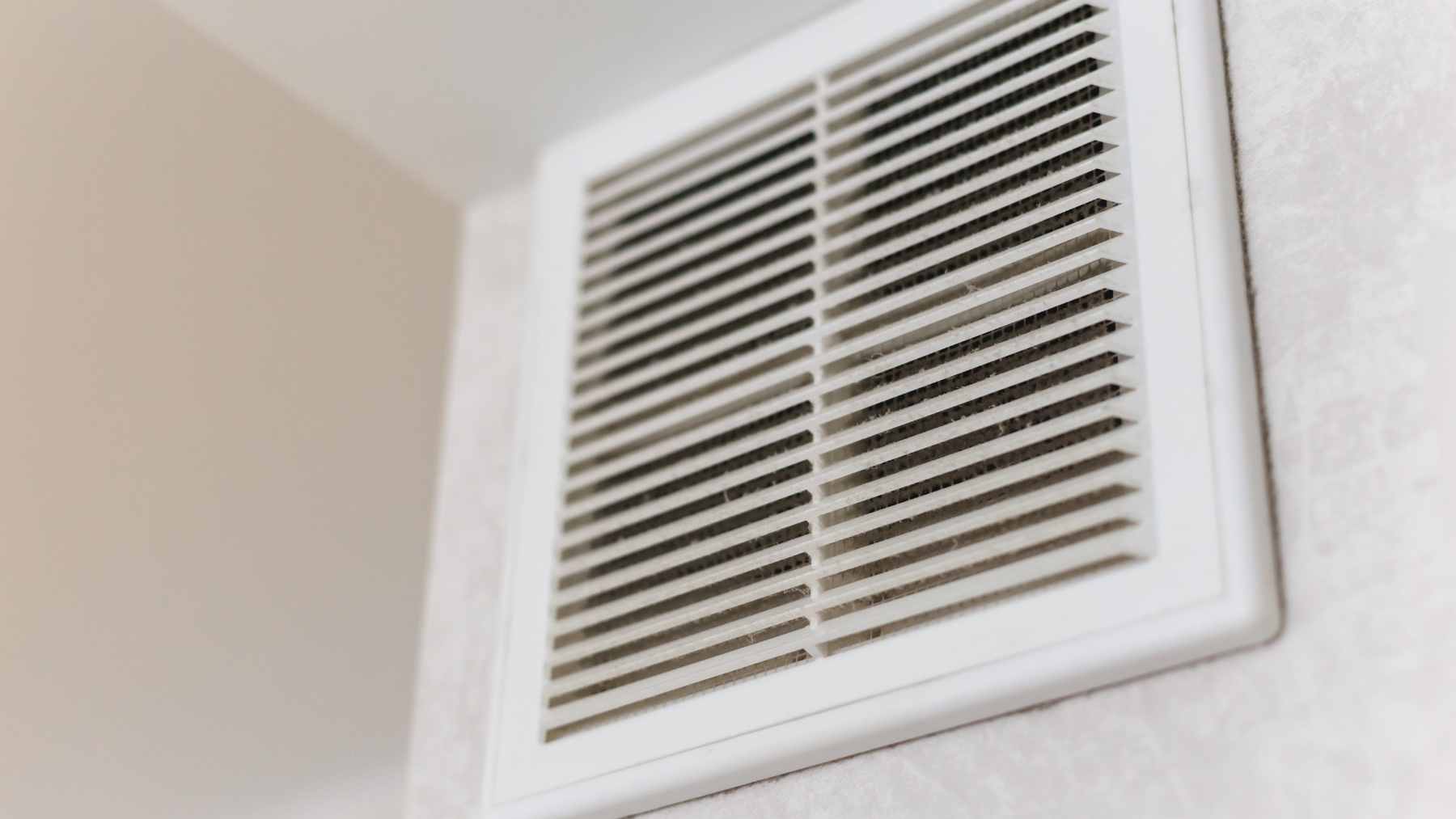
Supply vents and return grilles do different jobs. The return side pulls indoor air back toward the system, while supply vents send cooled or heated air into rooms to keep temperatures steady.
In many homes, the same duct network serves both the furnace and central air conditioner. That is why airflow matters all year, not just during a heat wave. Block too much of that pathway, and the system can start acting like it is trying to breathe through a pinched straw.
Why the bill may rise
The big myth is that a closed vent means the AC cools less space and therefore uses less electricity. With central air, the equipment often keeps producing and pushing the same volume of cooled air anyway.
“Closing vents overloads the system, which in turn causes it to work harder,” Martin explains. He says the extra pressure can heat up the blower motor and compressor, and hotter mechanical parts can draw more amperage, which may show up on the electric bill.
The damage risk
Martin compares the system to the body’s cardiovascular system. In that image, a closed vent is like a blocked artery, because air that was supposed to move freely now has nowhere useful to go.
“Closing vents in individual rooms can cause an increase in the system’s static pressure,” he says. Static pressure is just air pressure inside the ducts. Too much of it can contribute to problems with the blower motor and, from there, the compressor.
Duct leaks matter
There is another catch hiding in the walls, attic, basement, or crawl space. Many homes already lose cooled air through duct leaks, loose connections, or poor insulation.
ENERGY STAR says sealing and insulating ducts can improve heating and cooling efficiency by as much as 20%, and sometimes even more. That is a better target than closing room vents, because it deals with wasted air instead of forcing the system to fight itself.
The safer fix
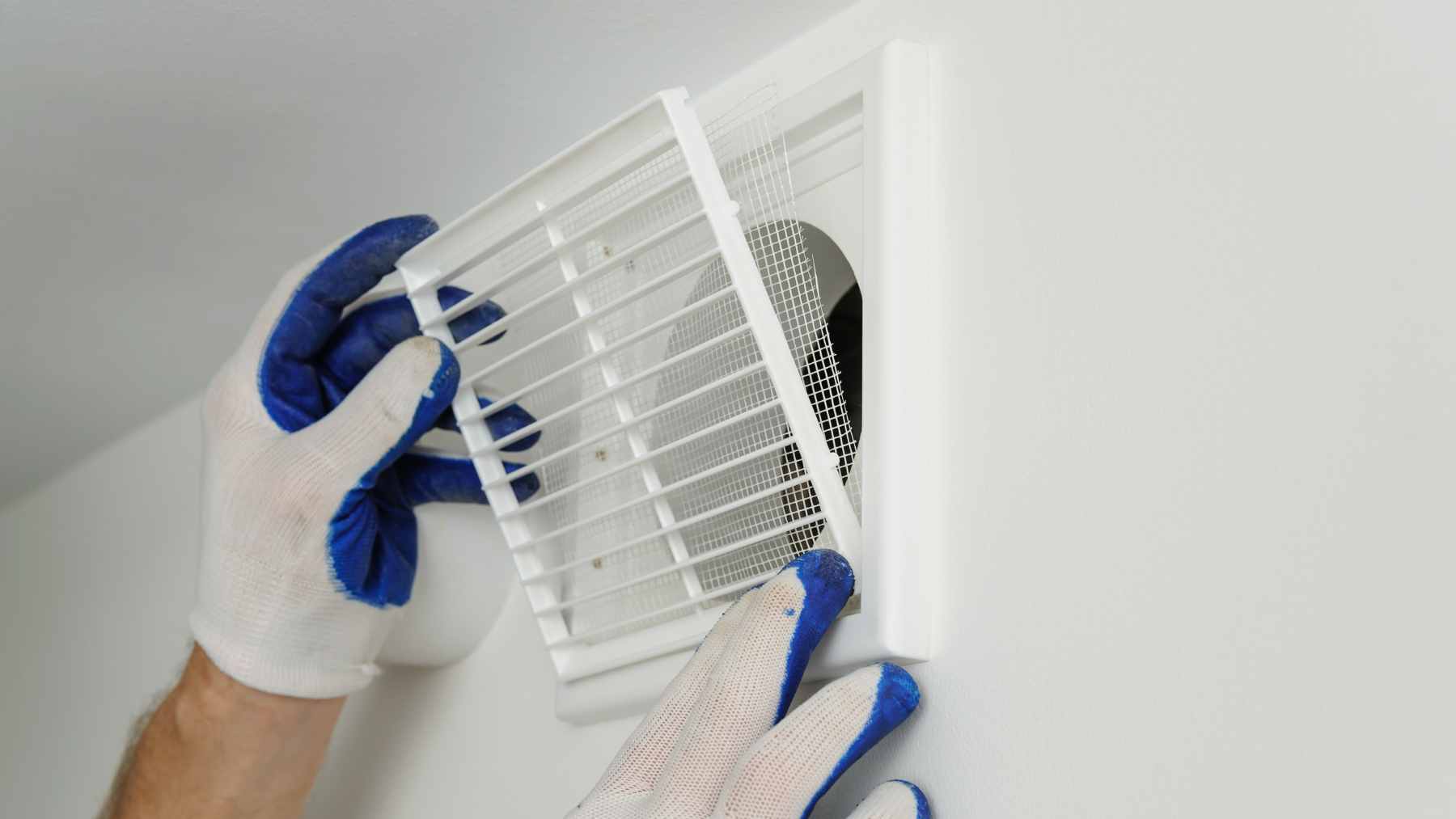
So what should homeowners do when one room is too cold and another feels warm? Martin recommends having a professional install or adjust butterfly dampers in the main duct line instead of closing vents at the room register.
These dampers sit farther back in the duct system and can manage airflow in a more controlled way. Unless you already have HVAC experience, this is not a weekend guessing game. A local technician can check whether the system was designed for that kind of adjustment.
Easier ways to save
For most households, the safer money-saving moves are less dramatic. The Department of Energy says homeowners can save as much as 10% a year on heating and cooling by changing the thermostat by 7°F to 10°F for 8 hours a day from its normal setting.
That does not mean sweating through the afternoon. It may mean raising the temperature when nobody is home, using a programmable thermostat, cleaning or replacing filters, and keeping furniture from blocking vents. Small habits can add up.
The bottom line
Closing AC vents in unused rooms feels clever, but for the most part, it is the wrong kind of shortcut. The room may get less cool air, but the system still has to deal with the pressure that choice creates.
At the end of the day, the better approach is to keep airflow open, fix leaks, maintain the equipment, and ask a qualified technician about proper duct balancing if some rooms never feel right. Your AC will have an easier job. So will your wallet.
The official public guidance cited for this article has been published by the U.S. Department of Energy and ENERGY STAR’s website.