A young astronomer, a small telescope, and one faint dip in starlight helped change how scientists look for planets beyond our solar system. On September 9, 1999, David Charbonneau, then a 25-year-old Harvard graduate student, watched the star HD 209458, about 150 light-years from Earth, from a modest setup in Colorado.
The drop he saw was tiny, but it carried a big message. It supported a method called photometry, which measures how a star’s light changes, and it helped strengthen the case for Kepler, the space telescope that later showed planets are common across the galaxy.
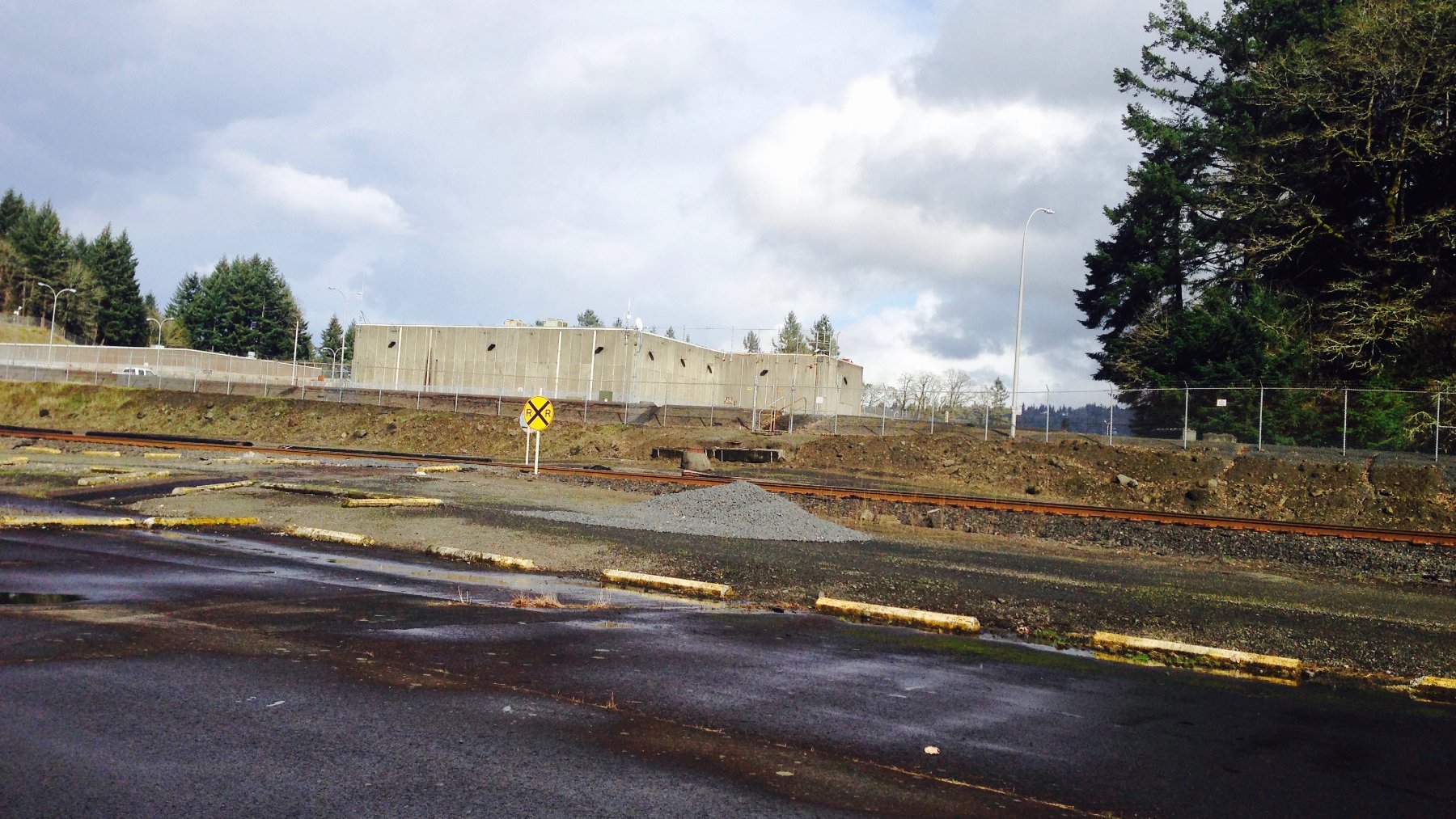
A signal in a parking lot
Charbonneau was working with Tim Brown at the High Altitude Observatory, where the equipment was nothing like the giant telescopes people imagine when they think of big astronomy.
In his own account, he later recalled, “Tim pointed me to a small wooden shed in a parking lot,” and the experiment inside used a four-inch telescope built to watch broad patches of sky.
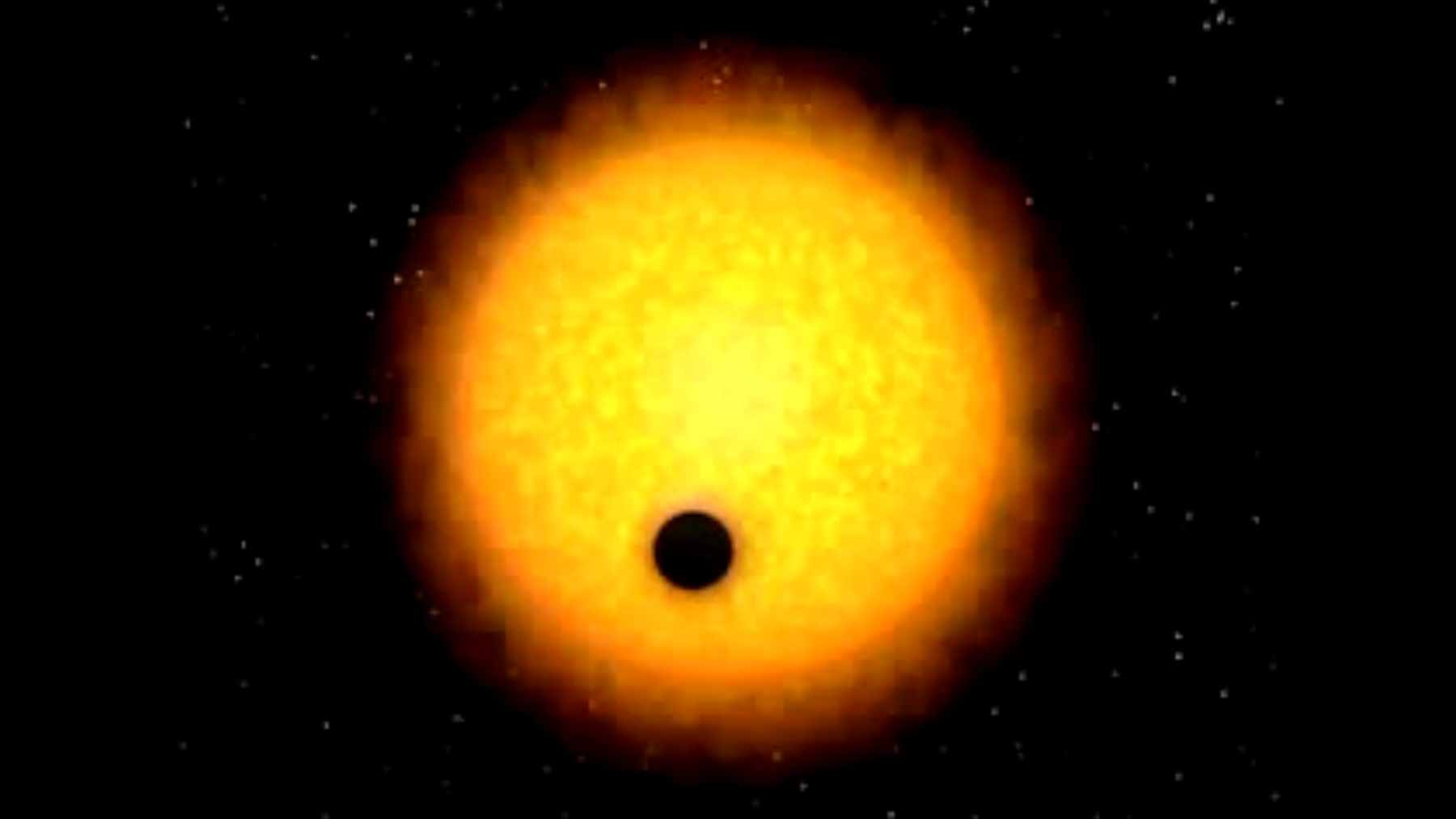
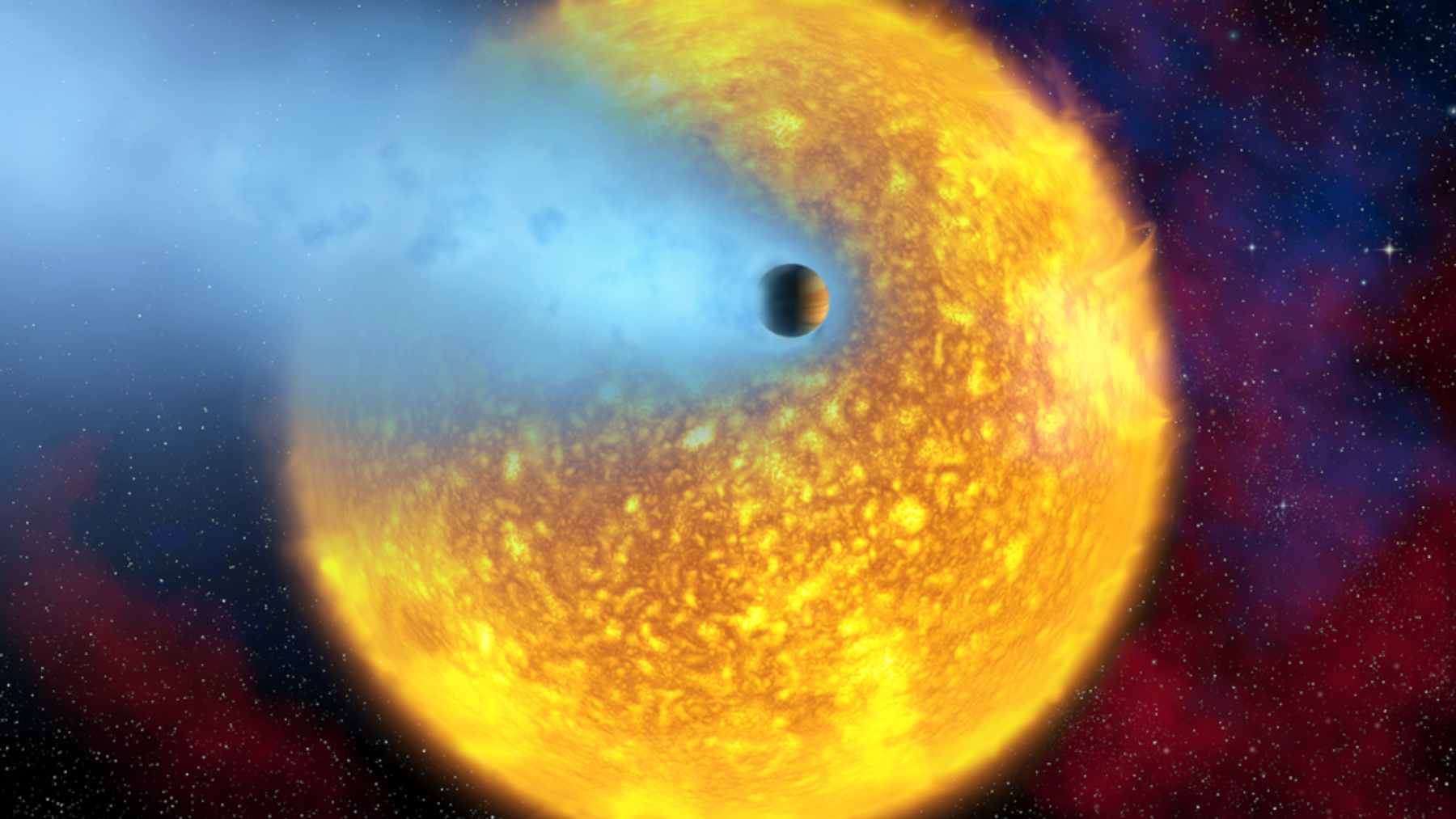
Could a telescope smaller than many backyard instruments really help find another world? That was the uncomfortable question. The team was looking for HD 209458 b, a hot Jupiter, meaning a large gas planet orbiting very close to its star.
Photometry looked for a simple clue. When a planet crosses in front of its star from our viewpoint, the star dims slightly, almost like a porch light being partly covered by an insect flying past. In this case, the expected dip was around 1%, small enough to miss unless the measurements were steady.
Why that dip mattered
Before that night, most confirmed exoplanets had been found through the Doppler method. This technique tracks the tiny wobble of a star as an orbiting planet tugs on it with gravity. It was powerful, but it mostly favored large planets close to their stars.
The Colorado data offered something different. Transit photometry could confirm that a planet actually crossed the star’s face, which meant scientists could estimate its size, not just its pull. A federal technical report later described HD 209458 as the case where transit photometry gave the first independent confirmation and measurement of the diameter of an extrasolar planet.
That changed the story. A planet was no longer only an unseen object making a star sway. It had a measurable shadow, a size, and soon, a density, which helped scientists begin to ask what these distant worlds were made of.
Kepler took the idea to space
The timing was crucial. Around the same period, William Borucki was pushing for Kepler, a mission built around the same basic idea, watching many stars at once and waiting for small dips in light. For the most part, the question was not whether the physics made sense, but whether the measurements could be clean enough.
Kepler launched on March 6, 2009. The telescope was designed to stare continuously at about 150,000 stars in the Cygnus region, using a roughly 3-foot aperture and an image sensor array to detect those tiny changes in brightness.
The idea sounds simple, but the execution was brutal. Stars flicker, spacecraft shake, and signals from small planets can be far weaker than a speck of dust on a camera lens. Still, Kepler’s steady view above Earth’s atmosphere gave astronomers exactly what parking-lot experiments could only preview.
Thousands of new worlds
The payoff was enormous. The Jet Propulsion Laboratory says Kepler and its extended K2 mission confirmed more than 2,600 planets beyond the solar system, with many more candidates identified in its data. The mission ended in 2018 after the spacecraft ran out of fuel, but the archive it left behind is still feeding new research.
Some of those worlds were strange enough to sound fictional. Kepler found planets orbiting two stars, packed systems with several planets, and extremely low-density gas giants that forced scientists to rethink how planets form and evolve.
The larger lesson was even more important. Planets are not rare decorations around a few lucky stars. The NASA Exoplanet Archive listed 6,298 confirmed planets as of June 4, 2026, a number that shows how far the field has moved since the late 1990s.
The method still shapes astronomy
Kepler did not close the search. It widened it. TESS now scans bright nearby stars, while the Nancy Grace Roman Space Telescope is being prepared for a new phase of wide-field astronomy.
Roman is targeted for launch as soon as early September 2026, ahead of the agency’s commitment to fly no later than May 2027. Its five-year primary mission could help scientists identify and study 100,000 exoplanets, along with vast numbers of stars and galaxies.
Effectively, the little shadow seen in Colorado has become a major tool for mapping the galaxy. It is no longer just about finding a dot on a chart. It is about learning whether rocky worlds, water-friendly orbits, and maybe even habitable conditions are common.
A small telescope with a long shadow
There is something almost stubbornly human about this story. A 25-year-old researcher drove to Colorado, looked at a small telescope in a shed, and wondered whether the data could be trusted. Anyone who has ever checked a result twice knows that feeling.
The doubt mattered. Science moves forward not because every signal is dramatic, but because someone asks whether it is real and then checks again. Two nights of dimming at HD 209458 helped turn a risky idea into a tested path.
That path now runs from a wooden shed to space telescopes, giant archives, and future missions built to study worlds we may never visit.
The main study was published in The Astrophysical Journal Letters.