A crushed skull from a fossil site near Barcelona has revealed an unknown species of ancient predator that lived about 15.9 million years ago. The animal, named Paludocyon moyasolai, belonged to the extinct bear-dog family, a group of meat-eating mammals that once roamed parts of North America, Eurasia, and Africa.
Despite the nickname, this was not a dog wearing a bear’s face. Bear-dogs were their own vanished branch of carnivores, with bodies and teeth that could lean toward bear-like crushing or more cat-like slicing.
The new fossil matters because its unusual teeth may help scientists untangle a messy part of that family tree.
A predator from a warm wetland
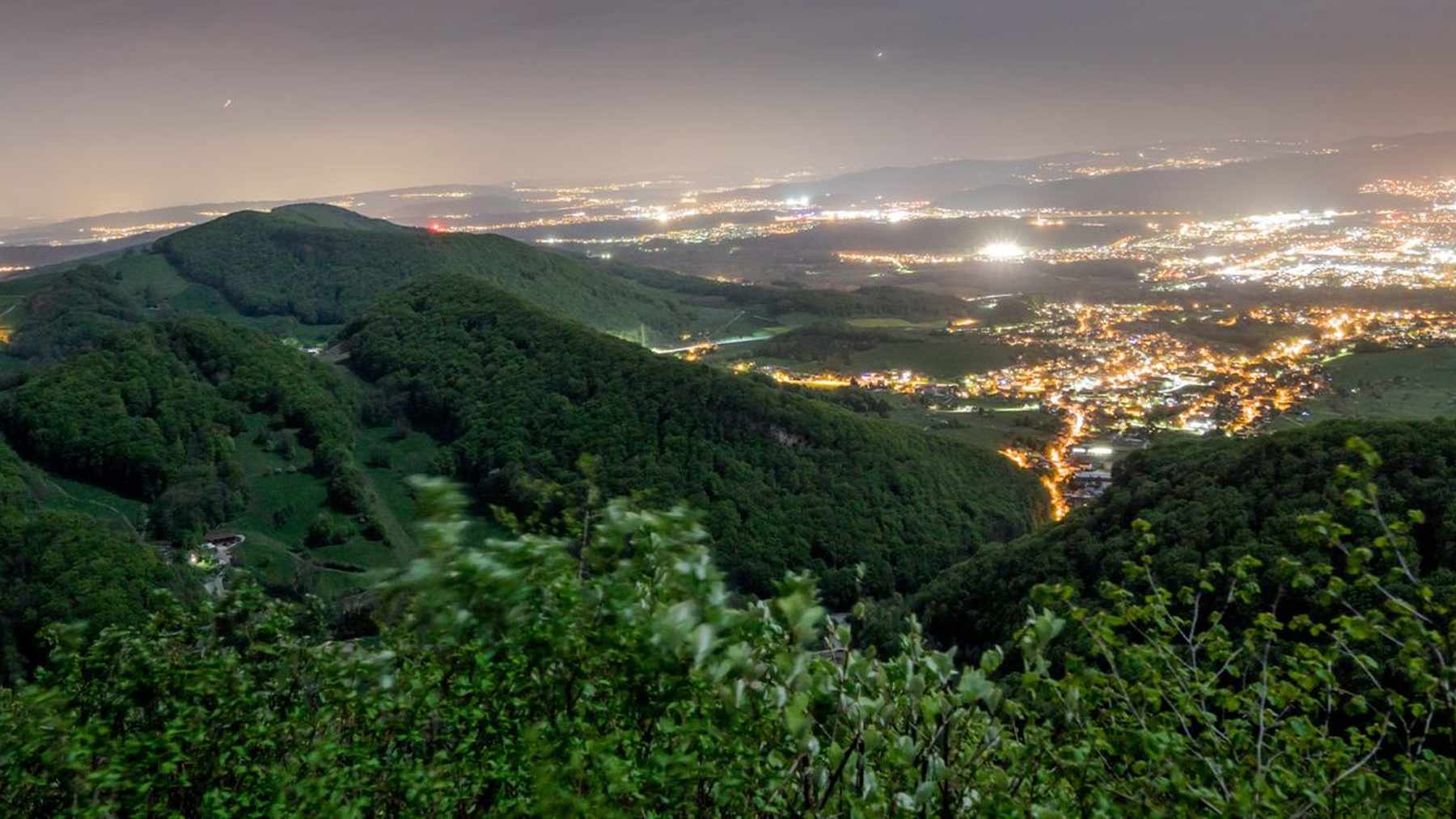
Paludocyon moyasolai lived in what is now the Vallès-Penedès Basin, near Barcelona, during the Middle Miocene. At the time, the area was not the dry Mediterranean landscape many people picture today, but a warm, wooded wetland with shallow freshwater lakes.
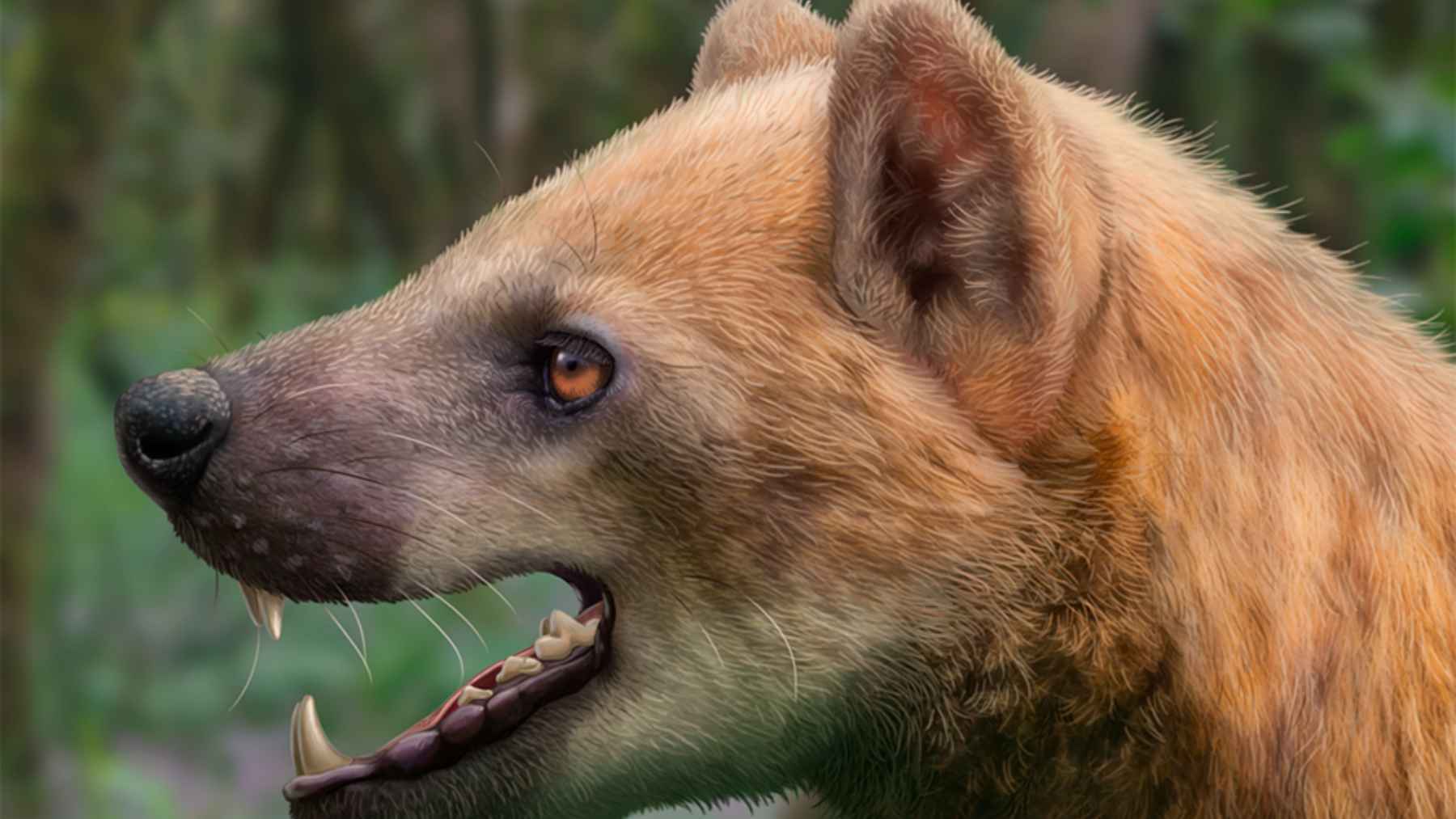
What would it have looked like moving through that landscape? The official reconstruction shows the head and neck of an agile, medium-sized carnivore, likely smaller and quicker than another leopard-sized bear-dog species known from the same site but not yet formally described.
The animal probably hunted small to medium-sized herbivores, the sort of prey that would have moved through the edges of forests and wetlands. In everyday terms, this was no household pet ancestor. It was a working predator in a busy Miocene ecosystem.
Teeth told the story
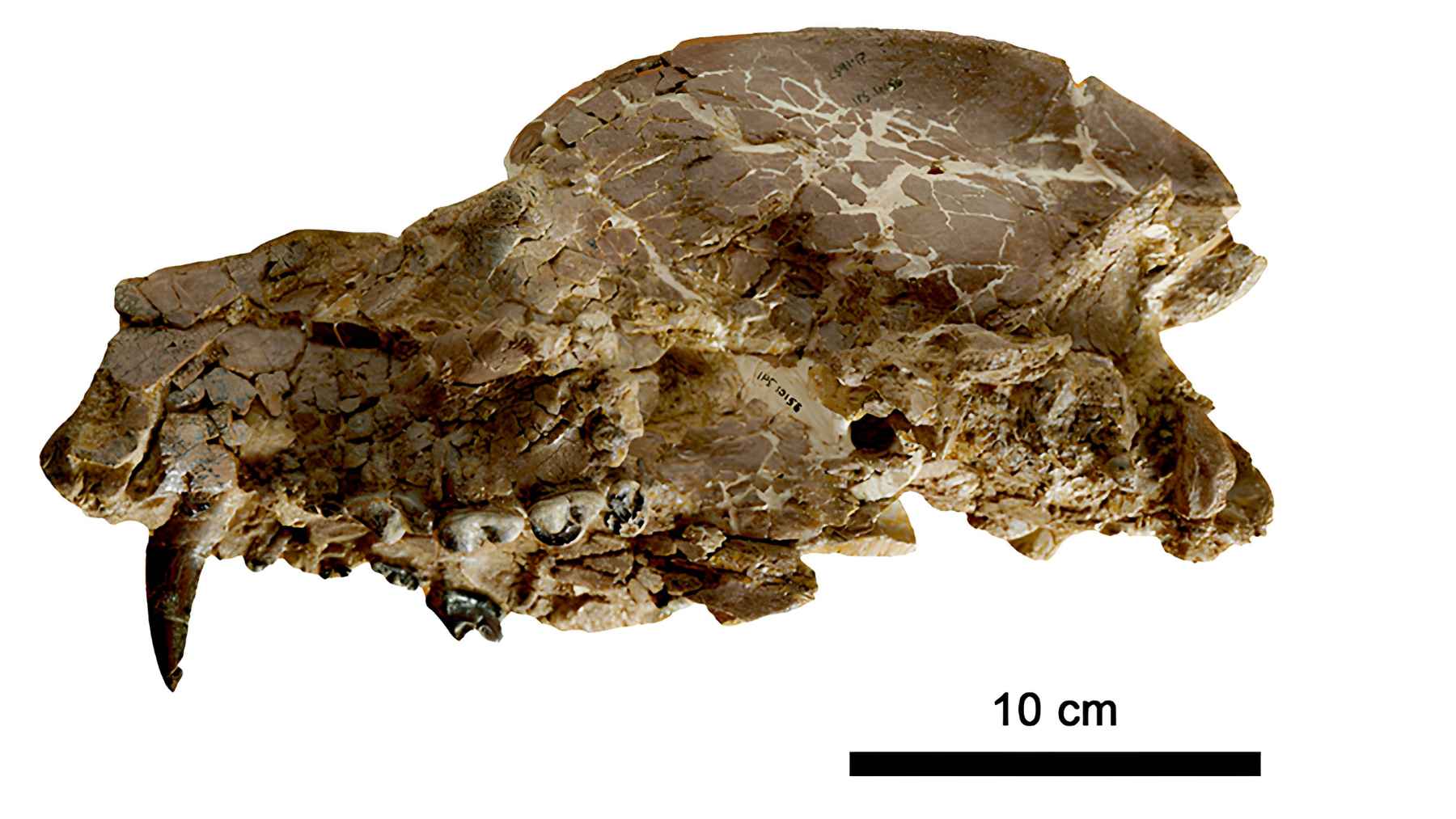
The discovery rests on two fossils from Els Casots, a fairly complete skull squeezed sideways by time and a separate lower molar. The upper teeth were preserved well enough for researchers to compare them closely with related fossils from Europe and North America.
That is where the surprise came in. The second upper molar was unusually broad, and the third upper molar was large and well developed, a pattern not seen in other known species of Paludocyon. For paleontologists, teeth can be as useful as fingerprints because they carry clues about diet, ancestry, and species identity.
Dr. Jorge Morales of Spain’s National Museum of Natural Sciences, CSIC, worked with Juan Abella, Alberto Valenciano, Jesús Gamarra, Josep M. Robles, Maria Gregori, David M. Alba, and Isaac Casanovas-Vilar on the study. Their analysis found that the new species is the oldest and most primitive known member of Paludocyon.
Why bear-dogs matter
Bear-dogs, known to scientists as amphicyonids, were once major carnivores across large parts of the Northern Hemisphere. They lived through much of the Cenozoic, the broad era after the dinosaur extinction when mammals expanded into many ecological roles.
Some members of the group had teeth suited for more crushing, which suggests broader diets. Others were more specialized meat-eaters, with cutting teeth built for taking down and processing prey. Paludocyon falls closer to that meat-heavy side, with robust upper molars and reduced premolars.
The nickname can be misleading. These animals were not direct ancestors of modern dogs or bears. Think of them instead as another experiment in carnivore evolution, one that lasted millions of years and then disappeared.
Els Casots keeps giving
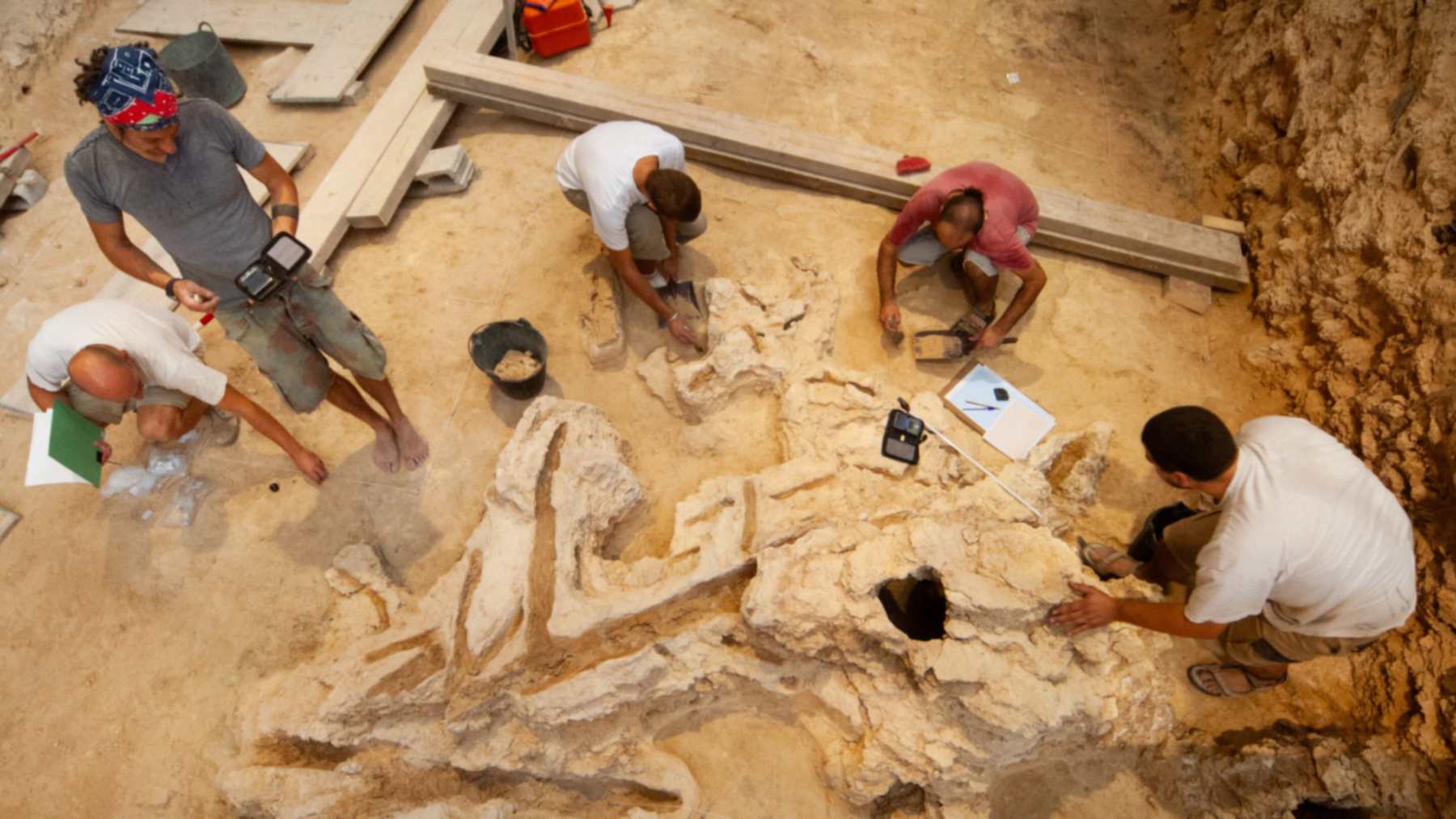
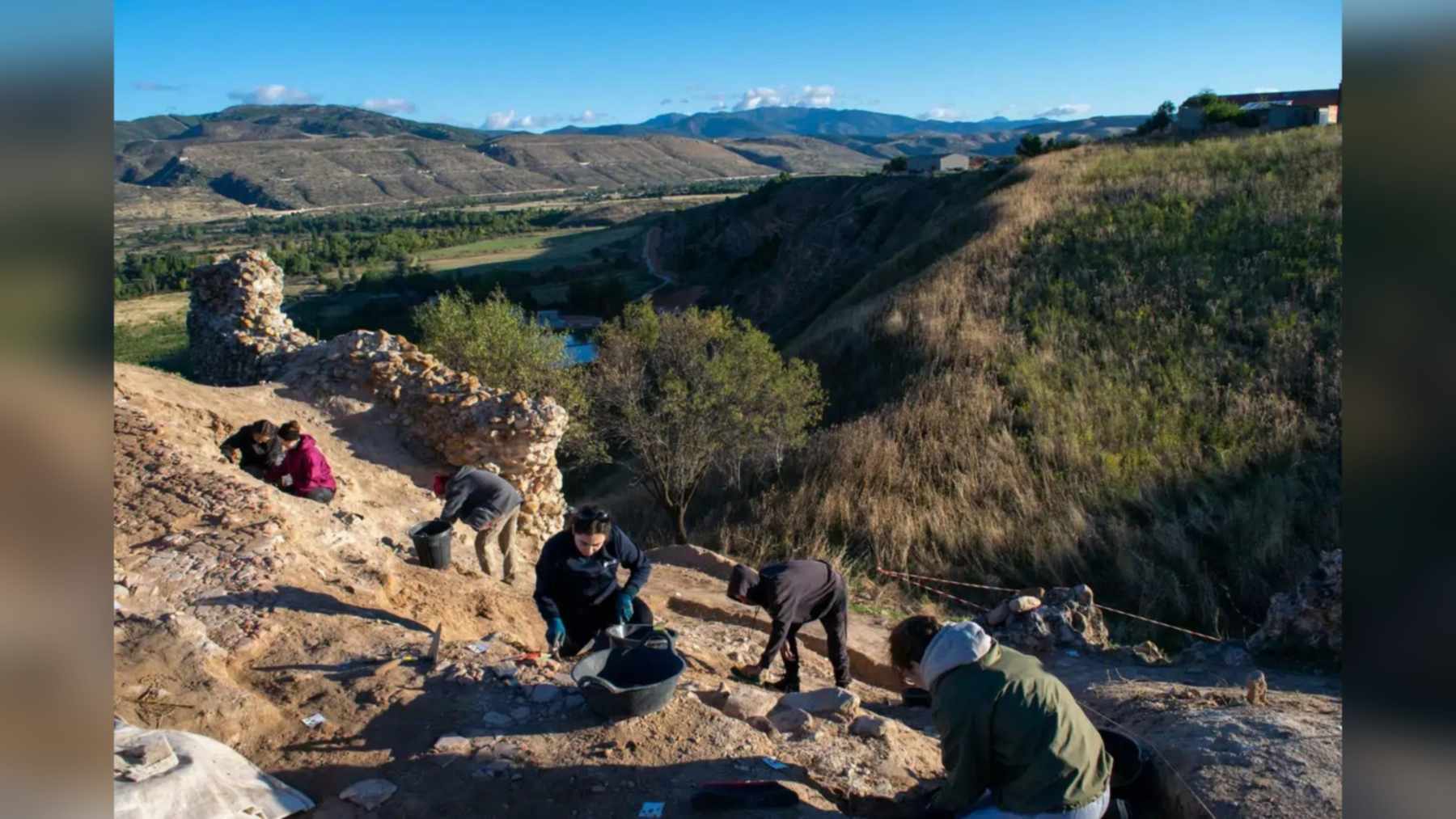
Els Casots was discovered in 1989 and first excavated until 1994. Systematic fieldwork resumed in 2018, and the site has now produced thousands of large vertebrate remains representing a rich mix of fishes, amphibians, reptiles, birds, and mammals.
That is a lot of bones from one ancient neighborhood. Earlier research described Els Casots as one of the richest fossil vertebrate sites in the Vallès-Penedès Basin, and the new bear-dog adds another piece to that already crowded picture.
The fossil material is housed at the Institut Català de Paleontologia Miquel Crusafont in Sabadell, Spain. The work also involved researchers affiliated with the University of Valencia, Complutense University of Madrid, Iziko Museums of South Africa, and Ecuador’s National Biodiversity Institute.
A name with history
The species name honors Salvador Moyà-Solà, a major figure in European vertebrate paleontology and the founding director of the Catalan institute until 2017. He also helped push forward the first systematic excavations at Els Casots after the site was found.
There is a neat twist here. The skull that allowed scientists to describe Paludocyon moyasolai was recovered in 1991 during those early digs. Decades later, with more comparisons and a sharper evolutionary question, the old fossil has a new story to tell.
The researchers quote the name as a recognition of Moyà-Solà’s “wonderful contribution to the development of European paleomastology.” That term means the study of fossil mammals, and in this case it is more than a formal dedication. It ties the animal to the history of the site itself.
A messy family tree
The study also challenges the way scientists group some bear-dogs. The team found that Cynelos, an older classification used for several species, does not appear to represent one tidy branch descended from a single shared ancestor.
In practical terms, that means some animals long placed under the same name may need to be sorted again. Three North American species now classified as Cynelos seem closer to Paludocyon in the analysis, but their exact position remains uncertain. Science sometimes works like that. A clear fossil can still point to a complicated answer.
The authors suggest those North American species may have followed a separate evolutionary path, perhaps from Asian ancestors or from lineages already living in North America. More fossils, especially better lower jaws and teeth, will be needed before that part of the story firms up.
What the fossil changes
At the end of the day, Paludocyon moyasolai gives researchers a clearer starting point for the genus Paludocyon. It shows that this branch was already present in southwestern Europe about 15.9 million years ago and had a distinctive mix of tooth traits.
The find is also a reminder that museum drawers can still hold headline discoveries. A skull dug up in 1991 has now helped name a new predator, refine an ancient ecosystem, and raise new questions about how bear-dogs spread across continents. Not bad for a crushed fossil.
The official study has been published in Journal of Mammalian Evolution.