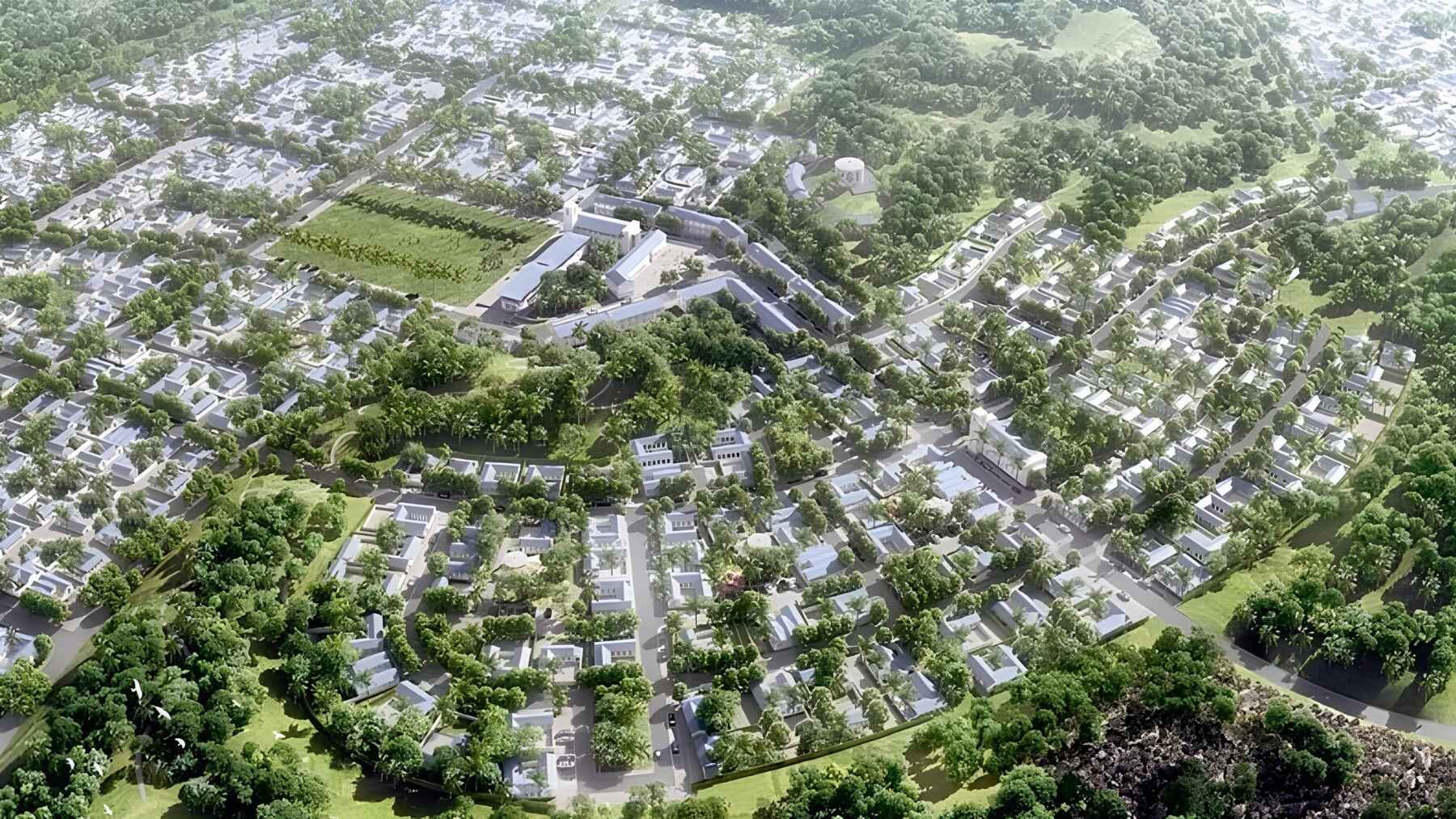
Egypt is building a new capital from scratch in the desert about 28 miles east of Cairo, and the scale is meant to be hard to ignore. The New Administrative Capital is planned as a new administrative and financial hub of roughly 280 square miles, with government offices, residential districts, an airport, and a central business district built around Africa’s tallest tower.
The idea is simple, even if the construction is not. Egypt wants to take pressure off Cairo and create a “smart city,” meaning a city where digital services, cleaner energy, public transit, and planned green space are supposed to make daily life easier. Can a city built in sand really relieve traffic, heat, and crowding in one of the region’s busiest urban areas?
A desert answer to Cairo’s crush
Cairo is not just crowded. For many residents, it also means long traffic jams, noise, exhaust fumes, and summer heat that seems to sit on the pavement all day. That is why the new capital has become one of Egypt’s most visible answers to urban pressure.
The project is tied to Egypt’s Vision 2030 and is being promoted as a sustainable, technologically advanced city. Its plan includes a government district, a diplomatic quarter, a cultural district, 21 residential districts, and a new airport, giving it the feel of an entire capital rather than a suburb.
Government is moving first
Egypt’s presidency has framed the project around moving the country’s administrative core. Official material describes designs for ministry buildings, the House of Representatives, and the Council of Ministers in the government district.
That matters because a capital is not only a skyline. It is where paperwork, public services, and political decisions happen.
A planning document from Egypt’s Information and Decision Support Center says the new city is meant to include headquarters for the presidency, parliament, cabinet, ministries, a cultural center, an opera house, housing units, schools, and universities, with a long-term aim of drawing millions of people.
Africa’s tallest tower rises
The visual centerpiece is the Iconic Tower, set inside the Central Business District. China State Construction Engineering Corporation says the building reaches about 1,263 feet and has more than 2.5 million square feet of construction area, combining offices, a hotel, commercial space, and sightseeing uses.
In practical terms, it is a statement as much as a building. A nearly 1,300-foot tower in the desert tells investors and visitors that Egypt wants this city to be seen from far away, not only on maps. Still, tall towers do not solve congestion by themselves. People have to live, work, and move around them.
The Green River is the city’s lung
The “Green River” is not a natural river. It is a planned green spine of parks, gardens, lakes, and water features, with an initial stretch of about 6 miles and a longer goal of roughly 22 miles. In everyday language, it is the city’s planned lung.
Noha H. Hefnawy, an architecture researcher at Benha University, studied the role of urban green spaces in the New Administrative Capital. Her work says green spaces can help reduce exposure to heat waves, improve urban resilience, support well-being, and improve air quality, all of which matter in a city built on desert land.
That sounds technical, but it is easy to picture. Shade can mean the difference between a walkable street and a place people avoid at noon. In Cairo, where the loss of mature trees has been linked to hotter neighborhoods, the question is whether new green space will be broad and accessible enough to change daily life.
Getting around without adding more cars
Transport may decide whether the new capital feels connected or isolated. Egypt’s official Light Rail Transit plan describes a 64-mile network with 19 stations, designed to serve the Administrative Capital and other new cities while linking with Cairo’s Metro, the East Nile Monorail, and the high-speed electric rail network.
The East Nile Monorail adds another piece of the puzzle. Egypt’s State Information Service says it runs about 35 miles from Cairo Stadium Station in Nasr City to Justice City Station in the new capital, with 22 stations. If these systems work well, they could cut some car dependence, the traffic stress, and the exhaust that people know too well.
A city of symbols and services
The new capital is also being built with large civic and religious landmarks. Egypt’s presidency says Al-Fattah Al-Alim Mosque and the Cathedral of the Nativity were opened there in January 2019, placing major places of worship inside the new urban plan.
The scale is deliberately monumental. The State Information Service says Al-Fattah Al-Alim Mosque can hold 17,000 worshippers, while the presidency describes the Cathedral of the Nativity as the largest cathedral in the Middle East, covering 15 acres and accommodating 9,200 people.
Beyond symbolism, the plan includes daily-life infrastructure. Project documents refer to public transportation, housing, schools, universities, parks, cultural facilities, and services meant to make the city more than a government office park. That is the part residents will notice most.
The hard part comes after construction
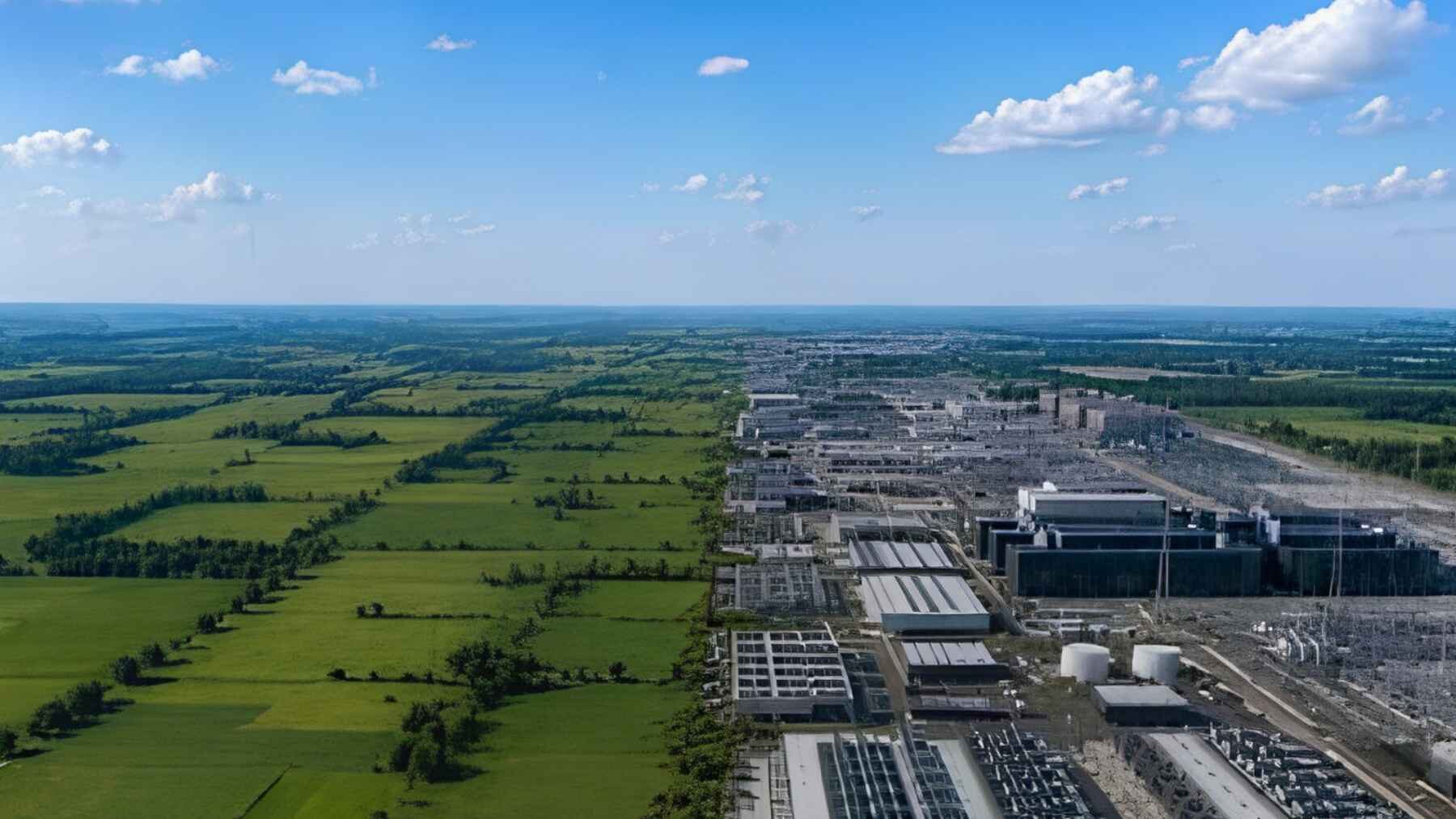
Megaprojects are easier to announce than to make work. A 2024 study in Sustainability notes that the new capital is presented as a way to relieve Cairo’s overcrowding and traffic, but it also points to criticism that the project’s closeness to Cairo could contribute to urban sprawl. It also warns that image and formal design can sometimes take priority over deeper sustainability.
That is where the real test begins. If housing is too expensive, transit too slow, or public spaces too distant from ordinary residents, the new capital could feel impressive but incomplete. On the other hand, if its transport links, green areas, treated water systems, and public services hold up, it could become a working model for Egypt’s next generation of cities.
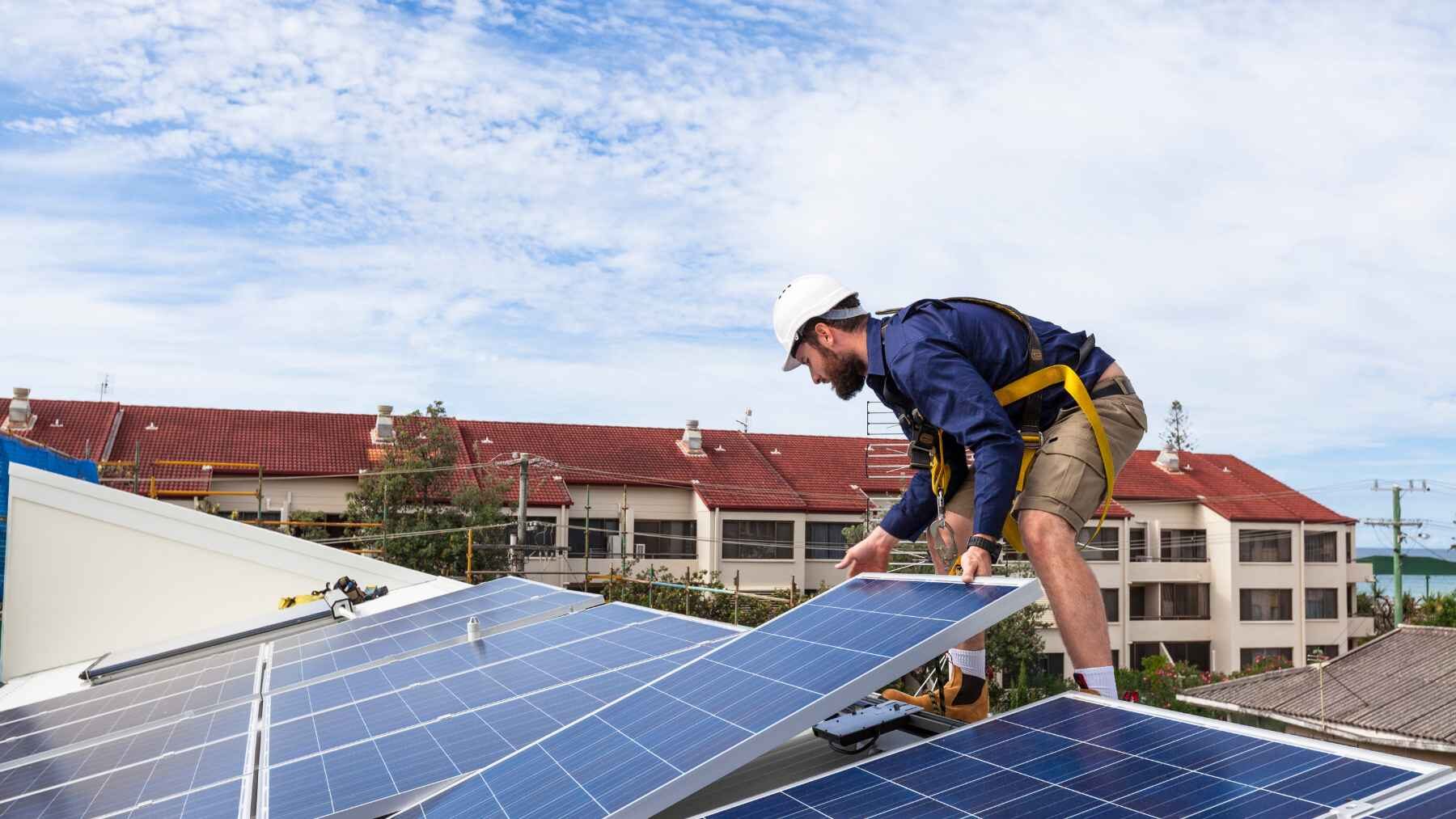
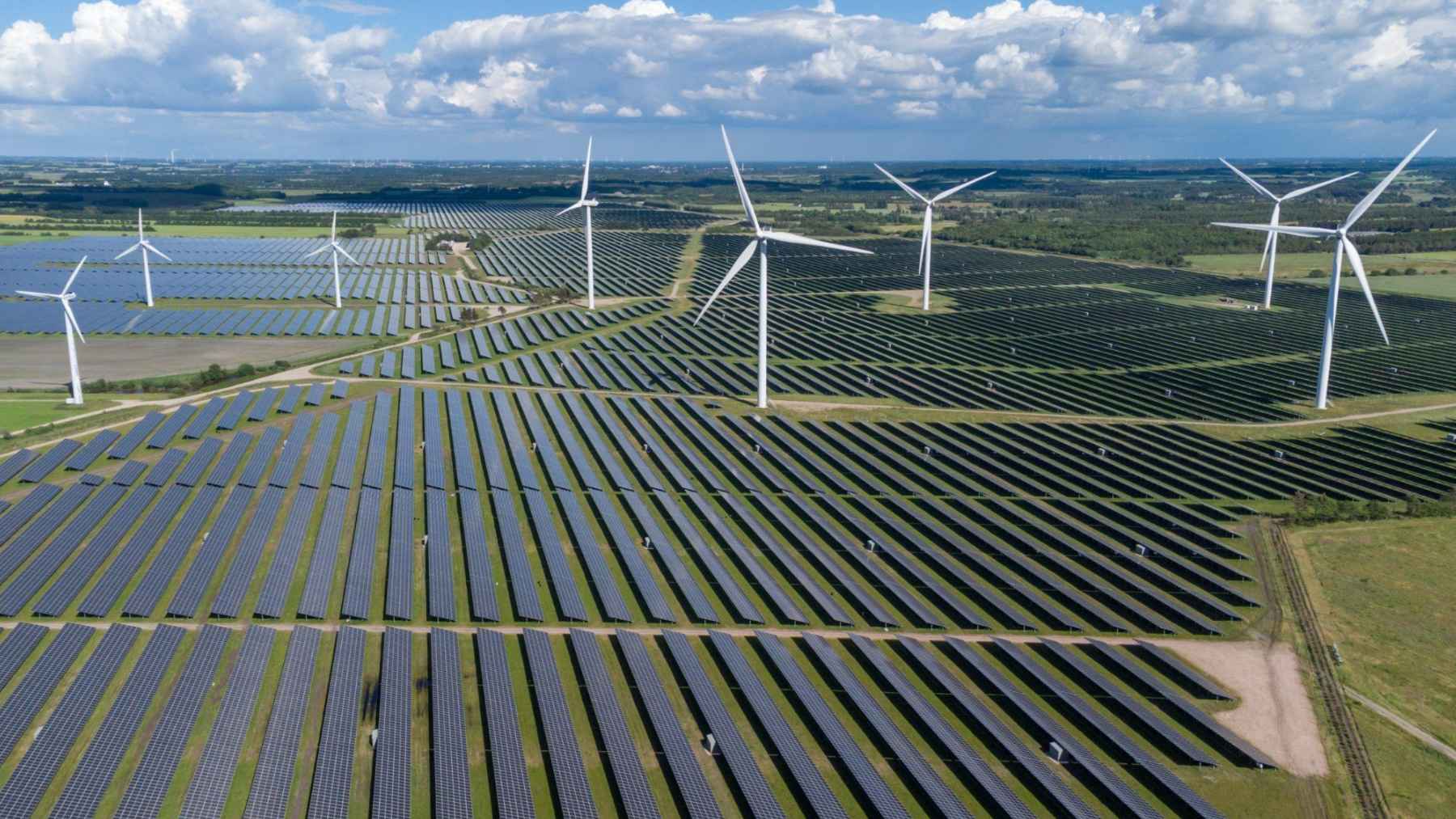
Energy is part of that promise. Worldsteel says planners have looked to about 35 square miles of solar farms in the nearby desert, with the aim of supplying up to 35 percent of the city’s energy needs.
At the end of the day, that is what this project is trying to prove. A capital can be more than a seat of power. It can be a test of how a fast-growing country wants to live.
The main study on urban green spaces in the New Administrative Capital has been published in the Journal of Al-Azhar University Engineering Sector.