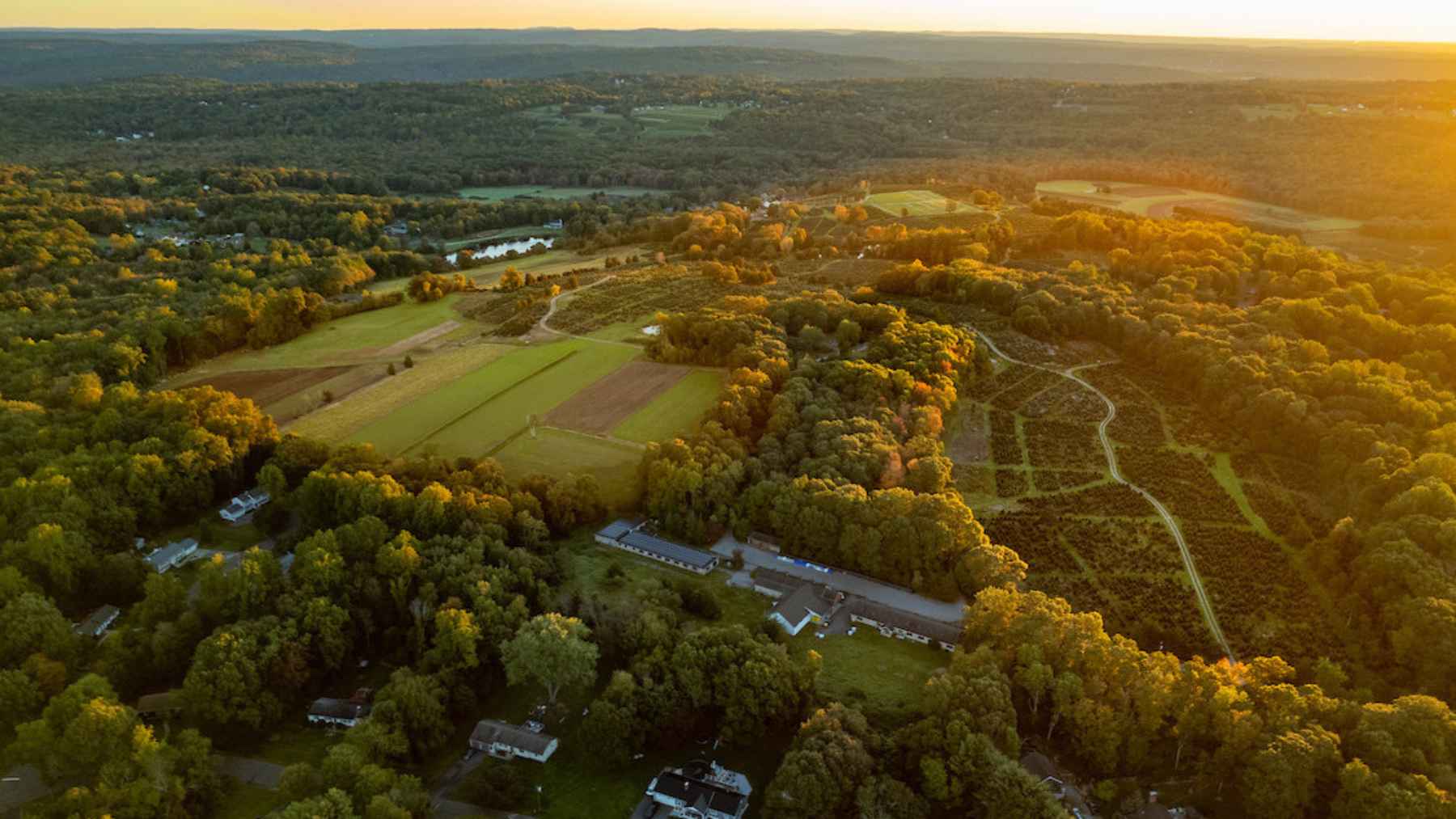
Georgia is trying to protect working farms before more fields become subdivisions, warehouses, and data centers. State lawmakers set aside $2 million to establish the Georgia Farmland Conservation Fund, and farm landowners who applied for the first round are expected to learn in August whether their land was selected.
The central question is simple. Can a modest conservation fund compete with the money behind Georgia’s building boom? State agriculture officials and farmland researchers warn that the state could lose nearly 800,000 acres of farmland by 2040, a shift that would reach well beyond the fence line of any single farm.
A new tool for farmers
The fund uses a legal tool called a conservation easement. In plain English, that means a farmer can be paid for giving up future development rights while still keeping the land in farming, timber, livestock, or other approved rural uses.
The first award cycle opened on February 20, 2026, and closed on May 20, 2026. The program was built to help farmland threatened by development, and a state council will review selected projects rather than handling them as one-off private deals.
The U.S. Department of Agriculture says its agricultural easement program helps protect working farms and ranches through these agreements. In Georgia’s version, state money can be paired with local, private, or federal support, making the first $2 million stretch further than it would alone.
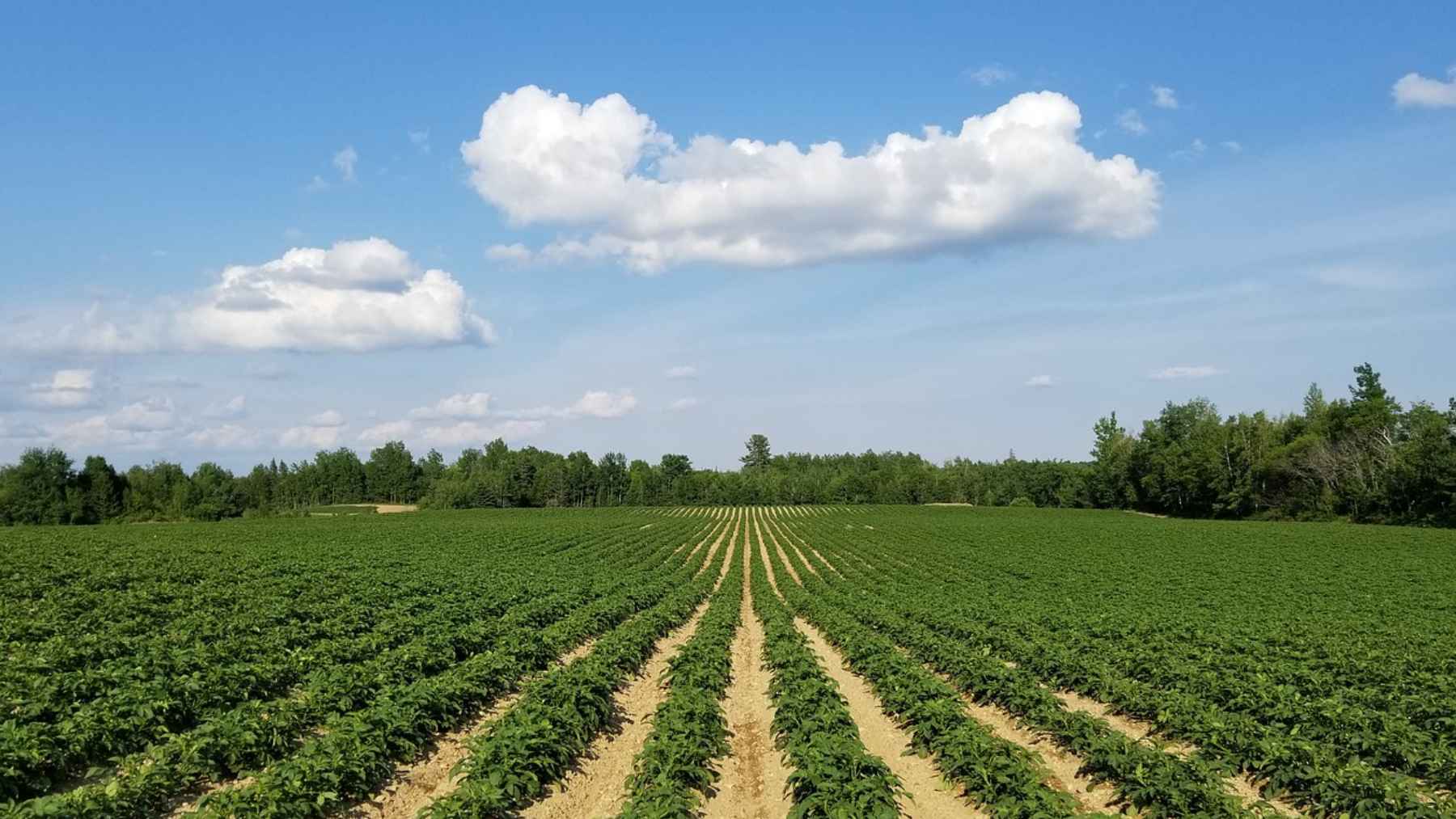
Why the pressure is rising
Russ Moon knows why this matters. He grows corn, soybeans, and strawberries, and raises cattle on a family farm in Madison County, just outside Athens, where his family has worked the land for about 100 years.
Housing has crept outward as more people look for a place near the University of Georgia but still want open space, quiet roads, and the feeling of country life. Moon has seen nearby farms sell, and he worries that too much unchecked growth could rewrite the community around him.
“Selling the land is not an option,” Moon said. “I intend to keep farming as long as possible.” Still, farming is not a steady paycheck, because weather, crop prices, and global markets can turn a good year into a hard one almost overnight.
Development money talks
For many landowners, the math can be painful. A 2025 Georgia land market report by Saunders Real Estate found cultivated farmland averaged $5,486 per acre, while transitional land, meaning land shifting toward another use, ranged from $6,132 to $266,568 per acre.
That gap explains why a developer’s offer can be hard to ignore, especially when a family is dealing with debt, retirement, medical bills, or the next generation’s plans. An easement usually pays less than a full sale because it buys rights, not the land itself.
However, it also offers something a straight sale does not. The owner can receive money now and keep the farm from becoming a subdivision, shopping center, or industrial site later. For some families, that middle path may be the whole point.
A climate angle too
Farmland loss is not only about food and rural jobs. American Farmland Trust has warned that Georgia could lose about 798,400 acres of farmland to urban and low-density conversion by 2040, with much of that pressure concentrated near fast-growing urban areas.
The climate concern is easy to miss if you only see a new road or a row of houses. When fields are paved, topsoil can be disturbed or sealed under asphalt, and land that once stored carbon may be replaced by traffic, heat-trapping surfaces, and energy-heavy buildings.
The group has also argued that agricultural conservation easements can reduce emissions by avoiding development, encouraging soil-building practices, and protecting nearby woods and wetlands. That does not make every acre a climate solution, but it does mean farmland decisions can echo far beyond the farm gate.
A small fund against a big market
Georgia is not inventing this idea from scratch. The Georgia Conservancy says 29 other states already have similar farmland protection programs, and together they have protected millions of acres.
Katherine Moore, president of the group, called the new fund “unprecedented” for Georgia and said it offers an alternative for farm landowners being flooded with offers to sell. That is the heart of the issue. The state is not just competing with sprawl — it is competing with cash.
Still, $2 million is a starting point, not a finish line. Florida has put hundreds of millions into farmland conservation in recent years, while Georgia’s first round will likely protect only a small slice of threatened land. The seed has been planted, but the field is much bigger.
What gets lost
State agriculture commissioner Tyler Harper has described the projected loss as “a staggering statistic.” He has said losing 10% of the state’s farmland over roughly the next 15 years would be alarming, especially in a state that often celebrates farming as its top economic engine.
Moon puts the tradeoff more bluntly. “While we continue being the best place to do business, we are hurting our main industry,” he said. That line lands because growth is not imaginary, and neither is the pressure it puts on land.
His warning is even simpler. “Once land is developed, you can never go back. If farmland is lost, it is lost forever.” Not everything can be saved, and not every acre should be frozen in place, but the new fund gives Georgia a way to choose more carefully before the bulldozers arrive.
The official program notice has been published by the Georgia Department of Agriculture.