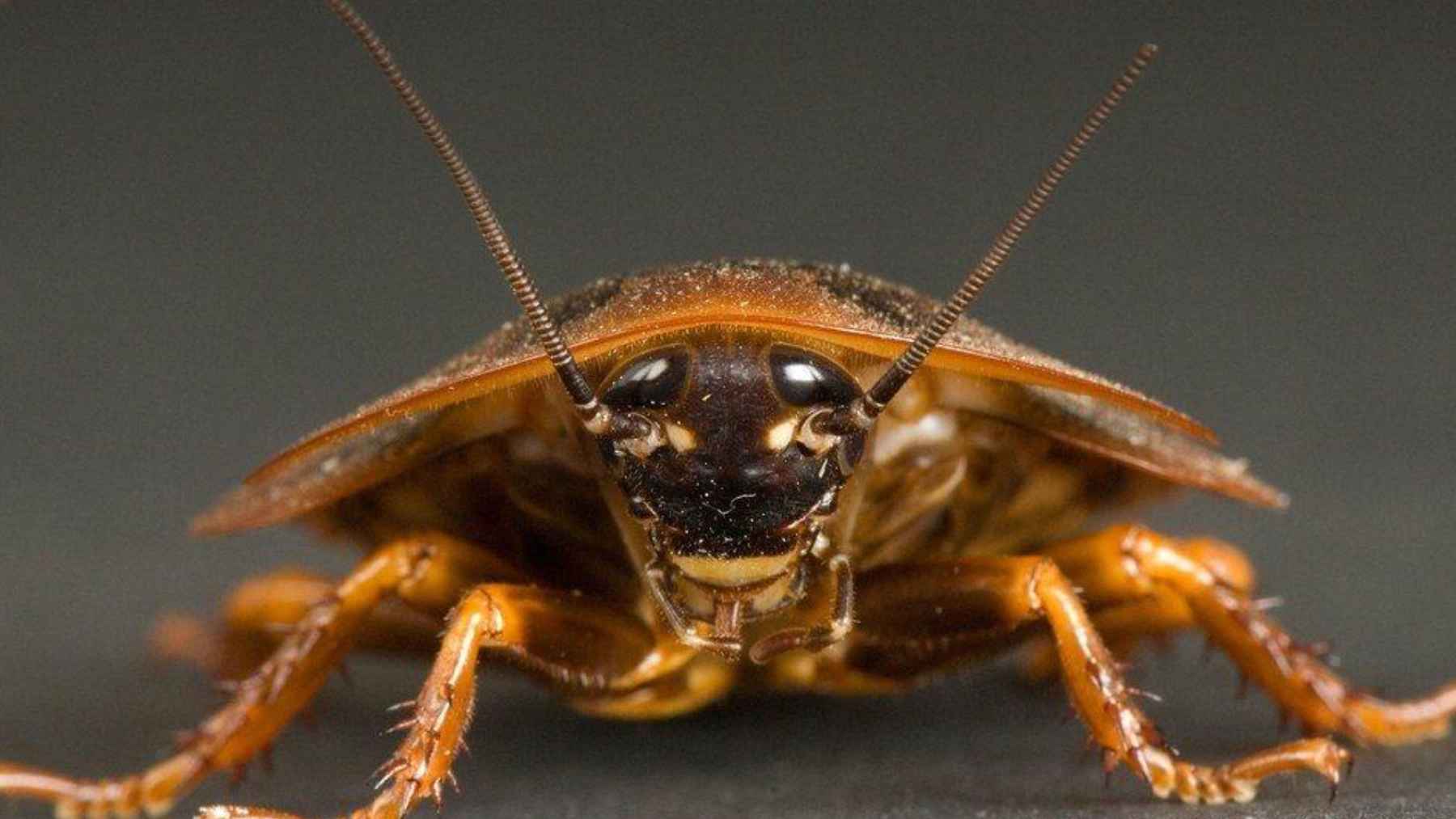
Cockroaches already have a reputation for surviving almost anything. Now, a new genome study suggests they also carry a remarkable record of ancient partnerships inside their DNA.
Researchers found that several cockroach species hold thousands of tiny DNA fragments that appear to have come from Blattabacterium cuenoti, a bacterial partner that has lived inside cockroach relatives for millions of years. The finding does not mean cockroaches are “part bacteria” in any simple sense, but it does show that animal genomes may be far messier, and more connected to the microbial world, than scientists once thought.
DNA can move sideways
Most of us learn genetics as a family story. Parents pass DNA to offspring, generation after generation, like a biological inheritance.
However, nature has another trick. Genes can also move between unrelated species in a process called horizontal gene transfer. The study’s authors describe it as a “valuable source of genetic variation and innovation,” especially because it can give organisms new genetic material without waiting for slow changes from parent to child.
This is common in bacteria. Microbes live close together, exchange genetic material easily, and often absorb DNA from their surroundings. That is one reason antibiotic resistance can spread so quickly through bacterial populations.
Animals are different. Their DNA is stored inside a nucleus, and only changes that reach sperm or egg cells can be passed down. That makes horizontal gene transfer in complex animals harder to imagine.
Still, harder does not mean impossible.
Why cockroaches mattered
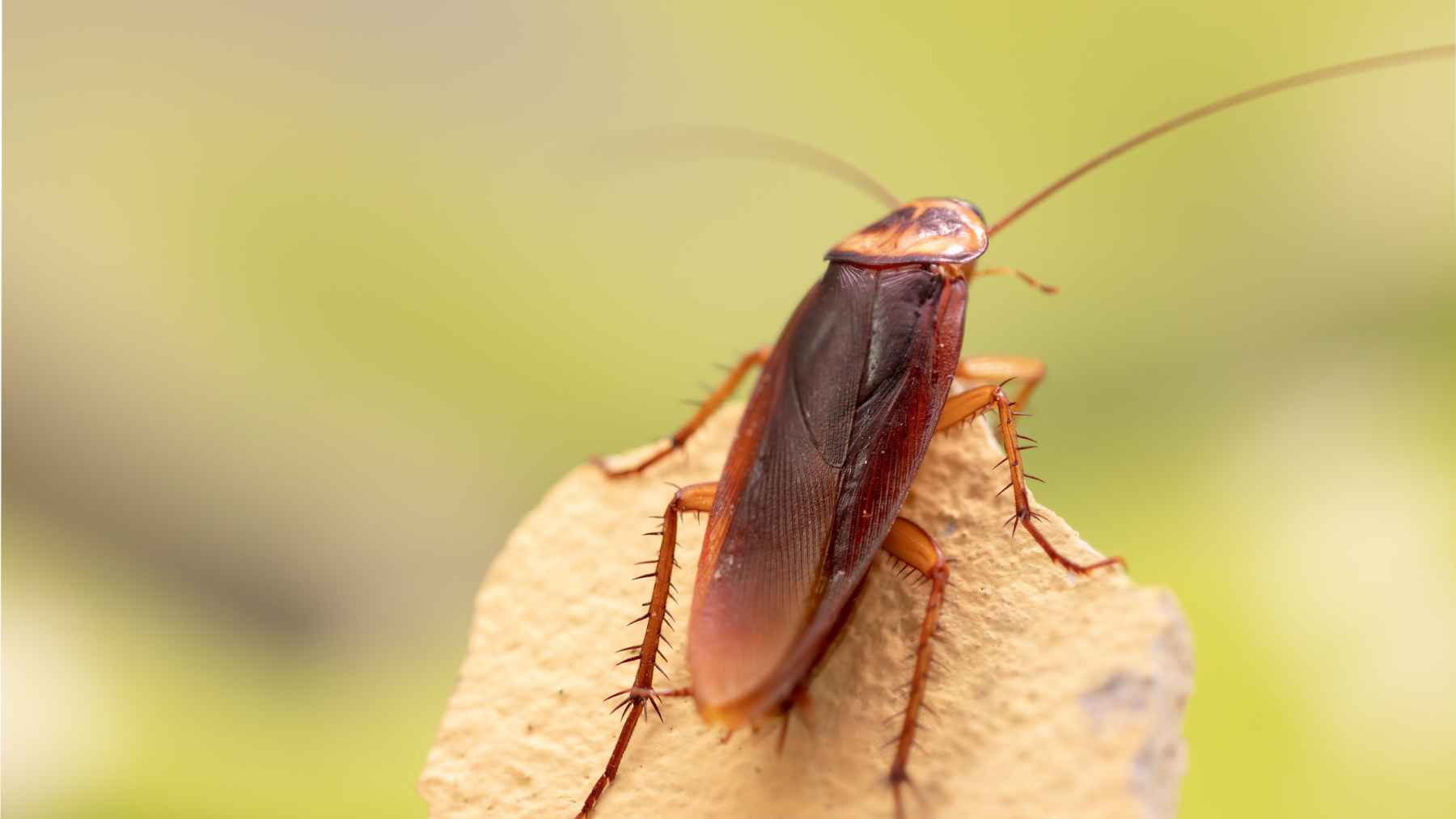
Cockroaches were a smart place to look because of their long relationship with Blattabacterium. This bacterium lives inside special cells and is passed from one generation to the next through eggs, giving it repeated chances to come into close contact with host DNA.
That close relationship matters. Think of it like roommates sharing the same cramped apartment for millions of years. Most days, nothing dramatic happens. Over enough time, though, bits and pieces can end up where no one expected them.
The researchers analyzed cockroach and termite genomes, including newly sequenced genomes, and searched for DNA fragments matching Blattabacterium. They aligned short bacterial genomic pieces against 23 cockroach and termite genomes, then checked whether the matching sequences were likely real transfers rather than contamination or assembly mistakes.
Thousands of fragments
The scale was striking. Australian panesthiine and geoscapheine cockroaches were found to carry more than 3,000 horizontal gene transfer inserts, which the authors say is more than 10 times higher than the previous maximum estimate in other eukaryotes, excluding rotifers.
In broader reporting on the paper, researchers found 40,485 Blattabacterium-derived inserts across 18 cockroach genomes. Depending on the species, the number ranged from 93 to 4,900 inserts per genome.
Most of these pieces were tiny. The team counted matches at least 50 base pairs long, and many were not genes at all. This means a lot of the bacterial DNA may be more like scattered genetic scraps than working instructions.
Mostly quiet passengers
So, do these bacterial fragments make cockroaches tougher, faster, or harder to kill? Not necessarily.
The evidence suggests that many inserts probably do very little. They may have slipped into the genome by accident and stayed there because they were not harmful enough for evolution to remove. That may sound anticlimactic, but it is actually one of the most interesting parts of the story.
Genomes are not perfectly edited instruction books. They are more like old houses, with additions, patched walls, forgotten rooms, and a few strange objects in the attic. Some pieces matter a lot. Others simply remain because nothing forced them out.
Ancient transfers still remain
Some of the bacterial inserts appear to be very old. According to the study abstract, certain fragments may have persisted for at least 28.7 million years in one cockroach group.
That raises a careful question. If a fragment survives for tens of millions of years, could it sometimes be doing something useful?
The answer is not fully settled. The authors note that some long-lived inserts may reflect functional roles, but they do not claim that every bacterial fragment is beneficial. For the most part, this study opens a door rather than closing the case.
A bigger story about evolution
This finding matters because it challenges a tidy view of animal evolution. The tree of life is still real, with species connected by shared ancestry. Yet horizontal gene transfer adds thin threads between distant branches.
Those threads are easy to see in bacteria. In animals, they have been harder to detect, partly because older genome methods often treated bacterial-looking sequences as contamination. That was not unreasonable. Scientists often work with samples where bacterial DNA can sneak in.
Modern long-read sequencing has changed the picture. Longer DNA reads can capture the boundary where bacterial-like sequence meets animal sequence, making it easier to show that the fragment truly sits inside the animal genome.
What this does not mean
This study should not be stretched too far. It does not prove that cockroaches owe their famous resilience to bacterial DNA. It does not mean bacteria are constantly rewriting animal genomes in dramatic ways.
What it does suggest is more subtle, and maybe more powerful. Over evolutionary time, even rare events can leave thousands of marks. A tiny transfer here, another there, and millions of years later the genome tells a story no microscope could have seen.
For scientists, that could reshape how they look at other animals, especially those with long-term bacterial partners. For the rest of us, it is a reminder that life is not sealed into neat boxes. Even a kitchen pest can carry a hidden archive of ancient biological encounters.
The study was published in Proceedings of the National Academy of Sciences.