Old teeth stored in museum drawers may be holding more than clues about what animals looked like. A new preprint suggests that hardened dental plaque, preserved on mammal specimens, can help reveal how mouth bacteria evolved alongside their hosts and how diet helped shape that hidden microbial world.
The study examined more than 450 museum-preserved dental calculus samples from 34 mammalian species, many of them previously unstudied. The main finding is clear but still preliminary.
A mammal’s ecology, especially what it eats, appears to shape its oral microbiome more strongly than its place on the family tree, while host relationships still play a smaller role.
Teeth as tiny archives
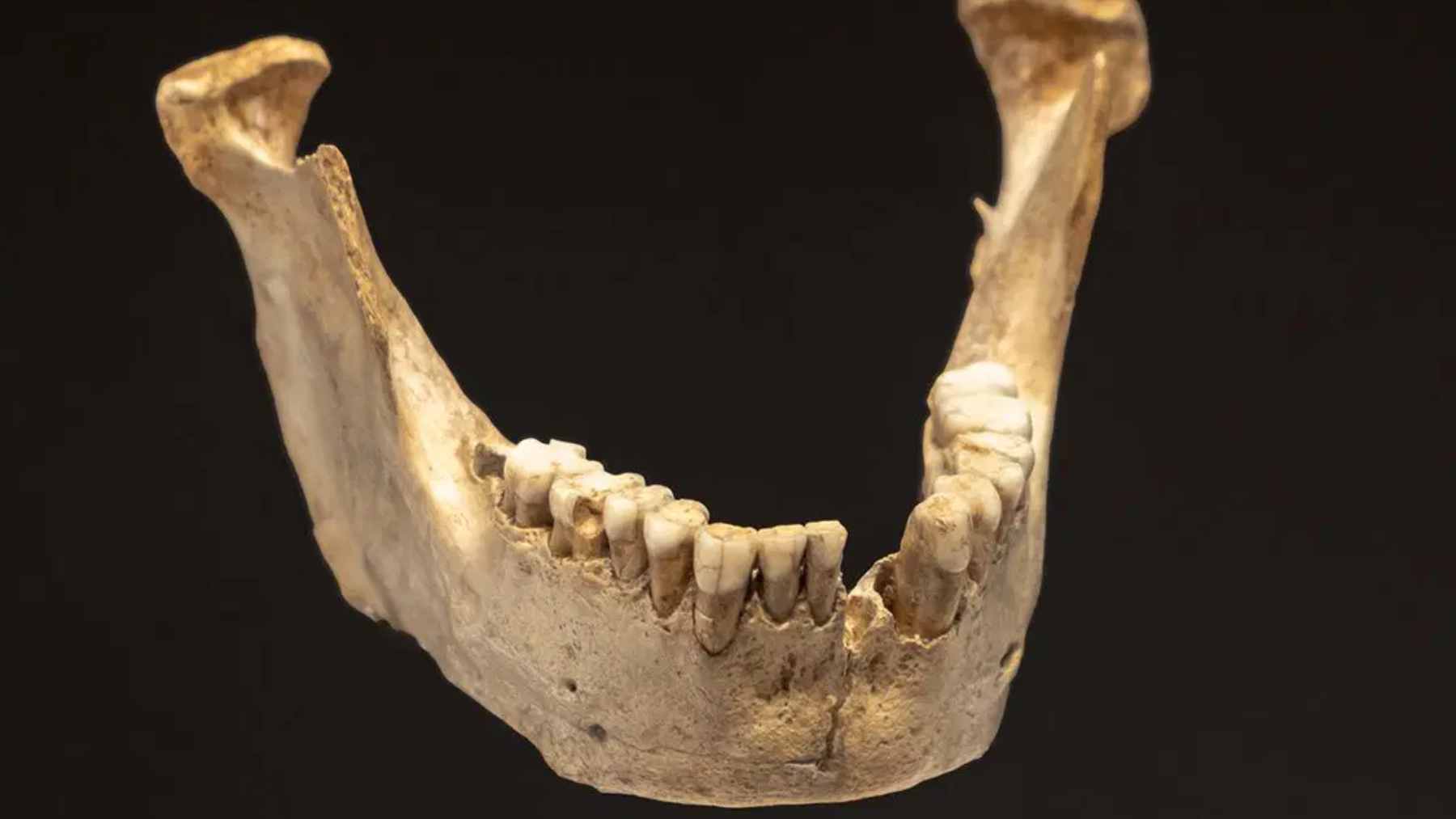
Dental calculus is hardened dental plaque. In simple terms, it is the mineral crust that can build up on teeth and trap tiny traces of bacteria, food, and host DNA for years, decades, or even longer.
That makes it surprisingly useful for science. A 2020 study in Molecular Biology and Evolution showed that dental calculus can preserve oral microbiome, host, and dietary biomolecules in museum and archaeological specimens, including samples from gorillas, bears, and reindeer.
Why does that matter? Because researchers do not always need a living animal to ask big questions about biology. Sometimes, the evidence is already sitting in a museum cabinet, waiting on an old skull.
Diet leaves a strong mark
The new work, led by a team including Markella Moraitou and Katerina Guschanski, points to diet as a major driver of oral microbiome evolution. That makes intuitive sense. A grazing deer, a fruit-eating primate, and a meat-eating predator do not bring the same material into their mouths every day.
Food changes the mouth’s chemistry. It also brings in different plant particles, prey tissue, soil traces, and environmental microbes. Over time, those daily exposures may help decide which bacteria settle in, survive, and become part of a species’ usual oral community.
This fits with earlier research on gorillas. In 2022, Moraitou and colleagues reported in Molecular Biology and Evolution that ecology, rather than host family relationships alone, shaped the oral microbiome of closely related gorilla subspecies, with diet and habitat likely playing important roles.
More than mouth bacteria
The oral microbiome is the community of bacteria and other tiny organisms living in the mouth. It is easy to think of these microbes only in terms of bad breath, cavities, or gum disease, but the picture is wider than that.
According to the new preprint, the mammalian oral microbiome may help synthesize essential micronutrients and break down potentially harmful compounds. Micronutrients are nutrients needed in tiny amounts, such as certain vitamins and related molecules that help bodies function.
That does not mean mouth bacteria are doing all the work. The safer reading is that these microbes may contribute to useful processes, especially in wild animals whose diets can be rough, seasonal, and full of chemical defenses from plants. Small helpers can still matter.
A clue from the rumen
One of the more intriguing findings involves ruminants, the group that includes animals such as cows, sheep, deer, and many antelope. These animals rely on a rumen, a specialized stomach chamber where microbes help break down tough plant material.
The preprint reports evidence that some rumen-related microbial groups may have oral origins. In plain language, some microbes known from the digestive fermentation chamber may be linked back to bacteria from the mouth, a reminder that the mouth and gut are not isolated worlds.
Earlier work had already hinted at this connection. In the 2020 study, researchers found reindeer dental calculus contained microbes related to rumen-associated organisms, suggesting that hardened plaque can capture traces of the broader digestive system in plant-eating mammals.
Museums become biology labs
Natural history museums are often seen as places for fossils, mounted animals, and school trips. But for microbiome research, they are also time capsules.
Specimens collected years ago can preserve biological information that scientists at the time could not have imagined studying. With modern DNA sequencing, those same specimens can now help researchers compare species, diets, diseases, and microbial communities across wide evolutionary distances.
Handle with caution
There is one important caveat. This study is a preprint, which means it has been shared publicly before formal journal peer review.
bioRxiv says preprints posted there are accompanied by a statement that they have not been certified by peer review, and the platform says articles are not peer-reviewed before posting.
That does not make the findings unimportant. It means readers should treat them as promising scientific evidence that still needs outside expert review, possible revision, and follow-up work.
Still, the idea is powerful. Teeth are not just teeth. In mammals, they may also preserve a record of diet, ecology, and microbial partnerships that helped animals adapt to the world around them.
The main preprint has been posted on bioRxiv.