What can a few fossilized teeth tell us about our family tree? A newly identified ape that lived 17 million to 18 million years ago in northern Egypt is challenging a long-standing focus on East Africa. Analyses point instead toward North Africa and the Middle East as a possible cradle of living apes.
The species, Masripithecus moghraensis, is the first definitive fossil ape identified from North Africa and appears unusually close to the lineage leading to today’s apes, including humans. But this is a finding about our much older evolutionary family, not evidence that modern humans originated in Egypt.
A missing branch in North Africa
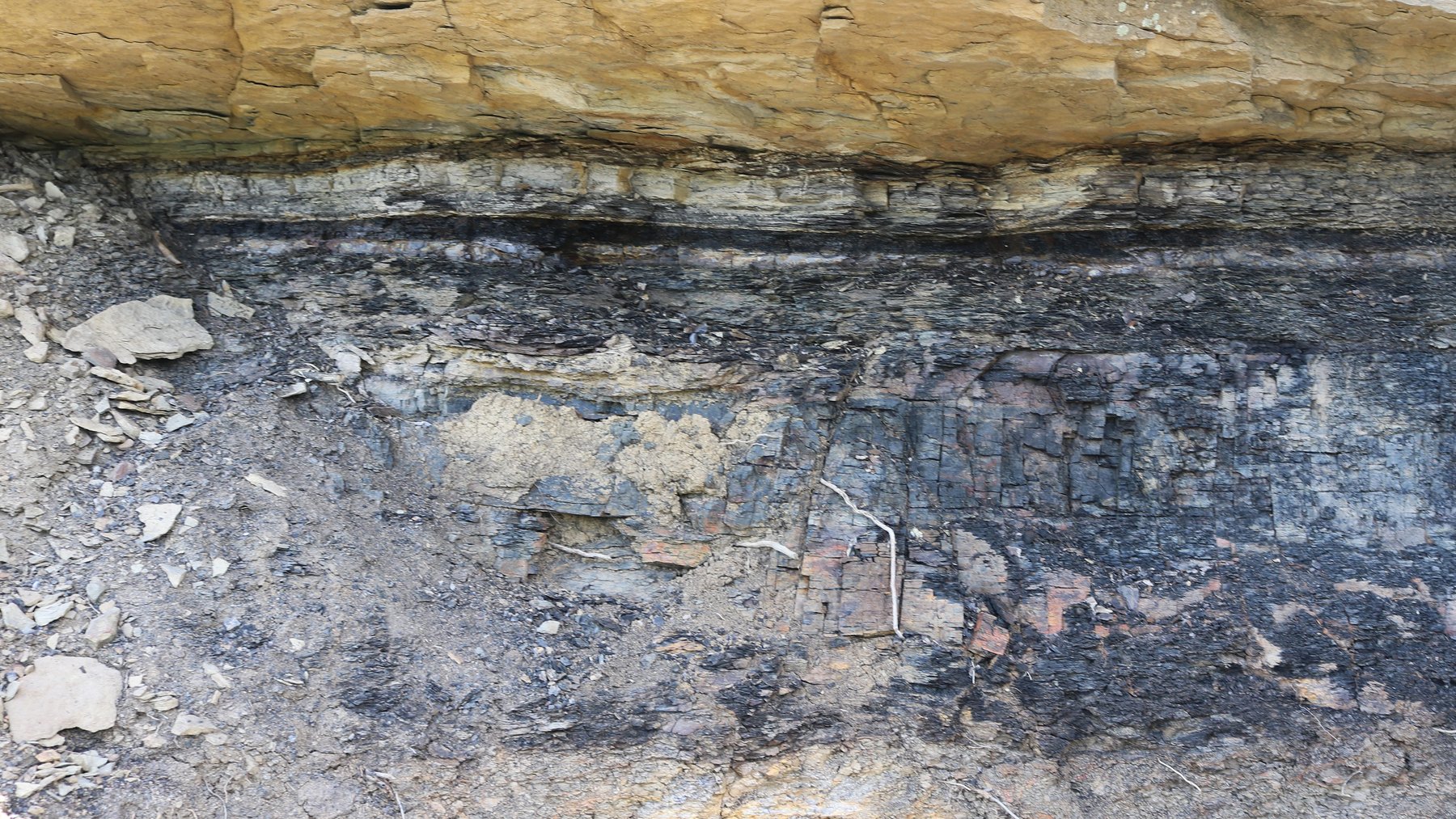
The remains were recovered at Wadi Moghra during fieldwork in 2023 and 2024 by a team whose study brought together researchers from Mansoura University and the University of Southern California. Comparable North African fossil sites had previously yielded monkeys but no confirmed early Miocene apes. The name Masripithecus combines “Masr,” the Arabic name for Egypt, with a Greek word for ape, while “moghraensis” refers to Wadi Moghra.
“We spent five years searching for this kind of fossil,” said senior author Hesham Sallam, a paleontologist at Mansoura University. That search addresses an important blind spot, because a fossil map can reflect where scientists have looked, not simply where animals once lived. A blank patch does not necessarily mean an animal was absent.
Rebuilding the ape family tree
To work out where Masripithecus belonged, the team combined anatomical features of living and extinct apes, DNA from living species, and fossil ages. Their Bayesian analysis, a statistical approach that weighs alternative evolutionary relationships, placed it closer to living apes than other early Miocene apes known from East Africa. The DNA did not come from the Egyptian fossil.
Scientists call the group containing all living apes, their last common ancestor, and its descendants “crown Hominoidea.” It includes gibbons, orangutans, gorillas, chimpanzees, and humans, and the team’s main analysis places Masripithecus just outside that group, near its evolutionary roots.
Study coauthor Erik Seiffert said the evidence challenged his previous assumptions about where that ancestor lived. “Our study is sure to reignite debate about the ancient geography of early hominoids,” he said in a Natural History Museum statement.
Teeth built for a changing menu
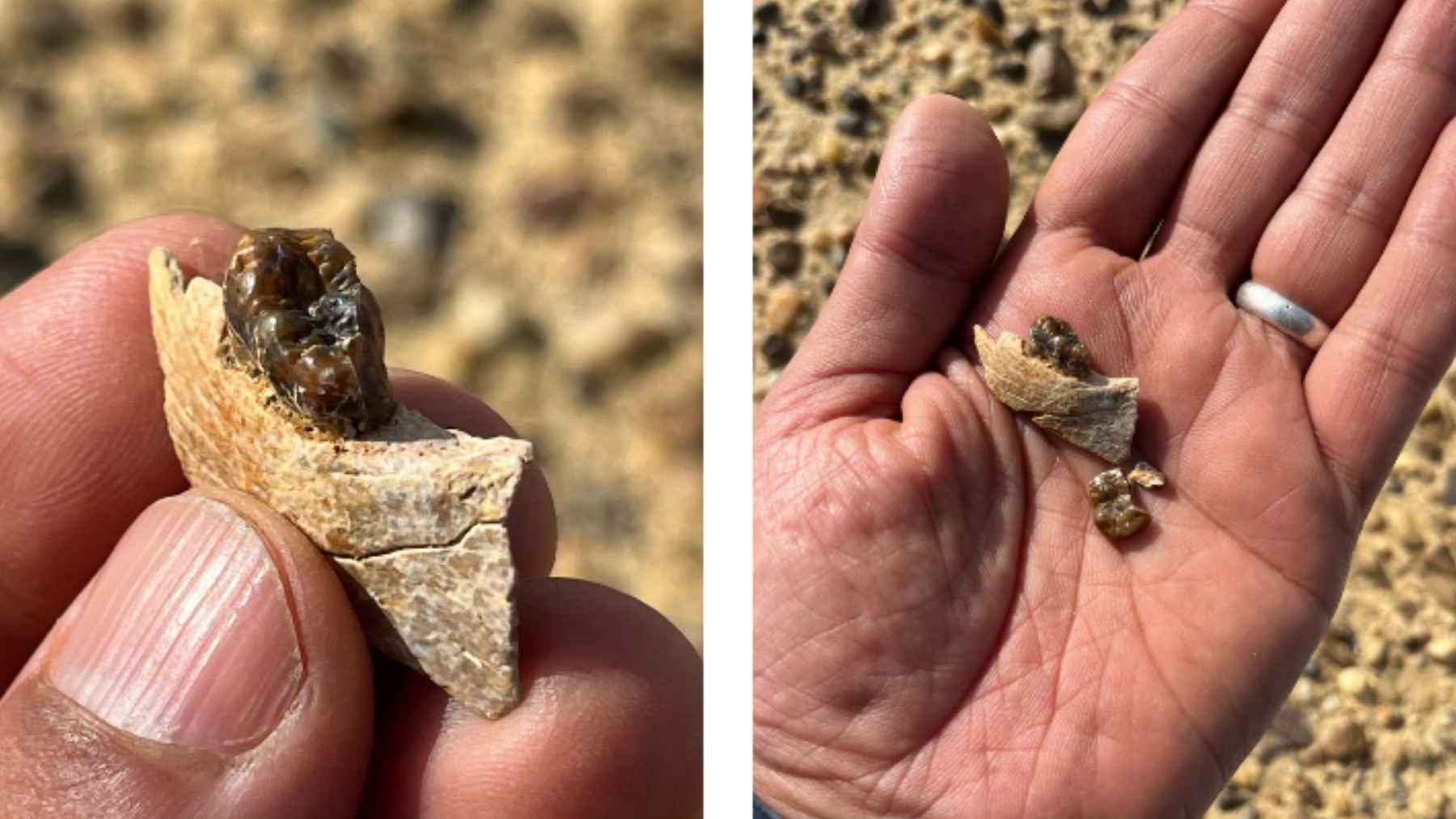
The fossils preserve a sturdy lower jaw, large canine and premolar teeth, and molars with rounded, heavily wrinkled chewing surfaces. That combination differs from what researchers see in other known apes of the same age.
The team interprets those features as signs of a mostly fruit-based diet, with an ability to handle harder foods such as nuts or seeds. Having a backup food source could matter when the usual fruit supply ran low.
Lead author Shorouq Al-Ashqar links that flexibility to increasingly seasonal conditions in northern Africa and Arabia. A broader menu may have helped the ape cope with changing food availability, although teeth reveal feeding adaptations, not a complete record of what an animal ate.
A crossroads between Africa and Eurasia
The geography matters, too. During the early Miocene, the African and Arabian landmasses were in the final stages of their collision with Asia, while changing sea levels periodically reduced marine barriers and opened routes for animals to move between regions.
The researchers’ geographic analyses favor North Africa and the Middle East as the ancestral region for living apes. In that scenario, Masripithecus helps connect the African and Eurasian fossil records, suggesting that important diversification was already happening near those emerging travel routes.
Seiffert also noted that the northern-origin scenario does not depend on Masripithecus alone. The broader analysis points in that direction even without the new fossil, which adds evidence consistent with it.
Why the next fossil matters
There is still a substantial gap between finding an intriguing jaw and pinning down an evolutionary birthplace. Marta Pina of the Catalan Institute of Paleontology, commenting through Science Media Centre Spain, cautioned that the fragmentary remains limit comparisons with other species from the period.
That is why the strongest takeaway is not that East Africa has suddenly become irrelevant. It is that North Africa and the Middle East deserve closer investigation, and more fossils could test whether the proposed relationships hold up.
More complete remains could help test a story currently built largely from jaws and teeth. For now, this Egyptian ape expands the search rather than closing the case.
The study was published in Science.