Ancient DNA from Belgium and France challenges the idea that Neanderthals faded away as isolated, increasingly inbred groups. Researchers found signs of connected populations in northwestern Europe, without evidence of an increasing burden of harmful genetic variants.
Neanderthals disappeared roughly 40,000 years ago, but the findings do not explain why. Instead, they challenge a simple story of biological decline, suggesting that the final chapter of Neanderthal life differed across regions rather than following one inevitable genetic downward spiral.
A 45,000-year-old genome opens a wider window
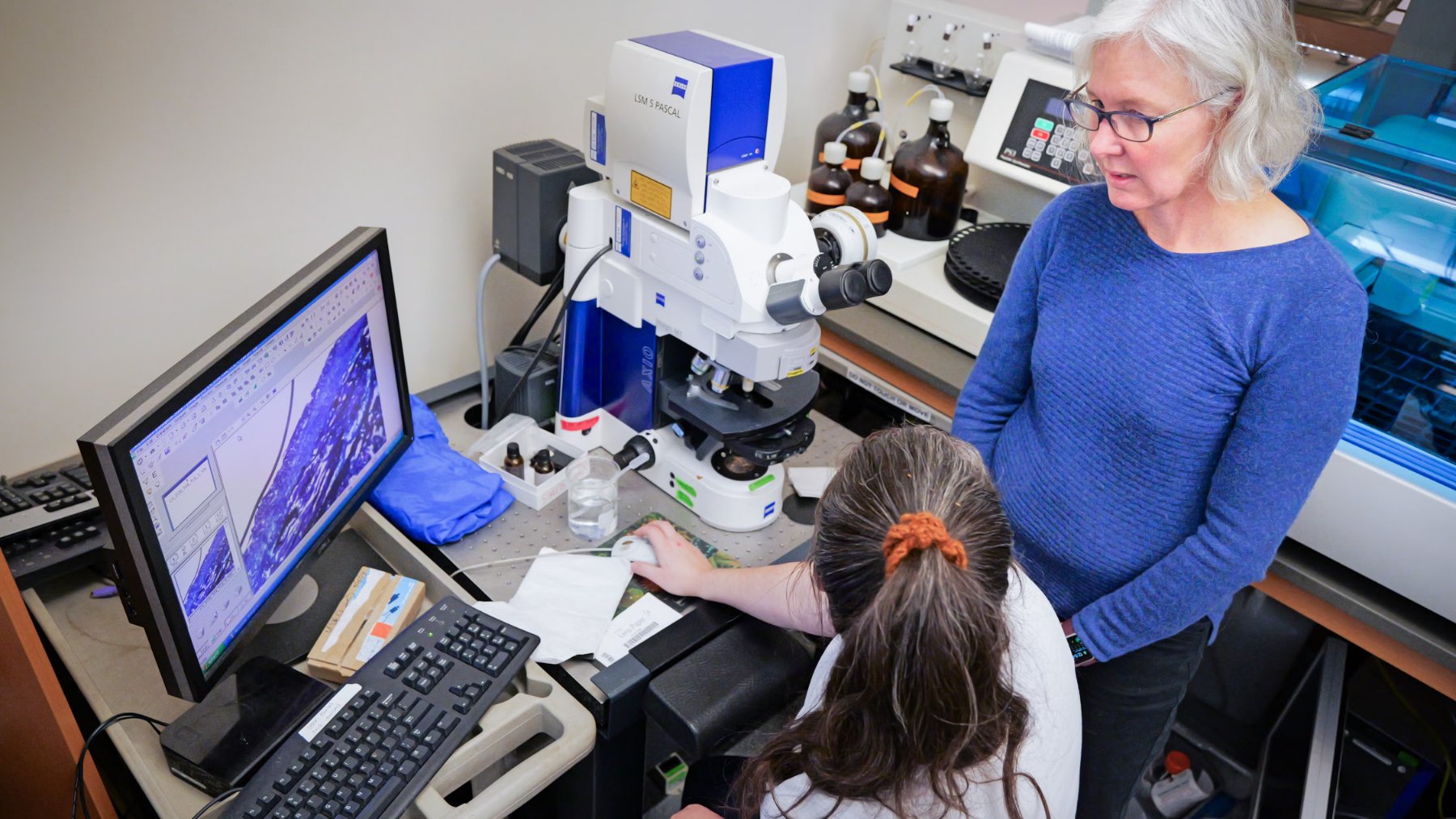
The research examined ancient remains from present-day Belgium and France dating to less than about 52,500 years ago. Nature’s press summary describes 27 remains representing at least 11 distinct individuals, an important distinction because several bone fragments can belong to the same person.
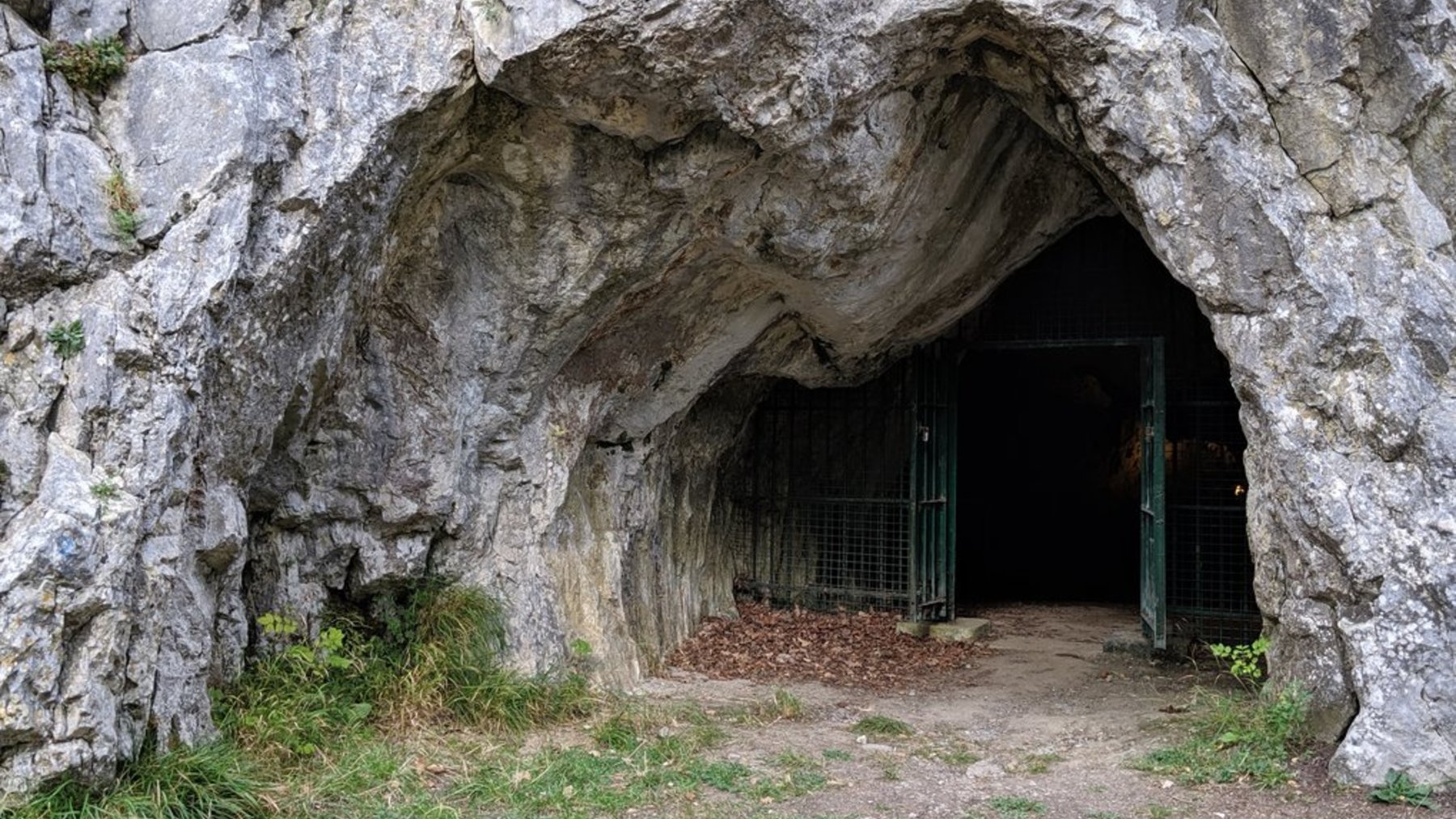
A particularly valuable result came from Goyet Cave in Belgium, where one Neanderthal lived around 45,000 years ago. Scientists sequenced that individual’s genome in exceptional detail, producing the fifth high-quality Neanderthal genome available when the study was published. It offered a sharper point of comparison for assessing how these late western Neanderthals differed from individuals who had lived farther east.
Until this work, researchers had only four such detailed genomes alongside a limited collection of lower-quality data. According to first author Alba Bossoms Mesa, a doctoral researcher at the Max Planck Institute for Evolutionary Anthropology, adding regional samples made questions about population differences much easier to investigate.
Connected communities, not one Neanderthal story
Most of the Neanderthals studied were genetically closer to one another than to contemporaries elsewhere in Europe. The researchers interpret this as evidence of a connected regional population, rather than a collection of groups cut off from one another. The distinction is between a small group and an isolated one, much as a household can be part of a wider neighborhood.
That picture contrasts with earlier findings from Siberia’s Altai region, where some Neanderthal genomes showed signs of mating between close relatives. The western European evidence did not show the same recent inbreeding pattern, suggesting larger populations or stronger connections between groups.
“Our results show that the picture emerging from one region cannot simply be applied to all Neandertals,” said senior author Benjamin M. Peter of the Max Planck Institute for Evolutionary Anthropology. The finding concerns population relationships, not proof that all these individuals lived together or belonged to one extended family.
A missing genetic link with modern humans
Modern humans were present in northwestern Europe from around 47,000 years ago, overlapping in time with late Neanderthals. Yet none of the Neanderthal genomes analyzed showed evidence of recent modern human ancestry, leaving researchers with a striking imbalance in the genetic record.
Bossoms Mesa noted that researchers repeatedly find Neanderthal ancestry in early modern humans, while clear evidence of recent ancestry flowing in the opposite direction remains absent from these late Neanderthals. That does not establish that the two groups never encountered one another. It describes what scientists could detect in the available DNA, not every interaction that might have occurred.
Did harmful mutations drive their disappearance?
The team also compared earlier and later Neanderthal genomes to test whether potentially harmful genetic changes had built up over time. These comparisons found no significant increase in the measures examined, weakening the hypothesis that progressive genetic deterioration was a primary driver of their disappearance.
The Goyet genome also did not show lower genetic diversity than earlier Neanderthals. But the Max Planck researchers stress that these results do not rule out vulnerability associated with population size or structure, and Neanderthals still had limited genetic diversity overall.
That distinction matters. The study challenges an explanation in which their genetic condition steadily worsened before extinction, rather than proving that genetics played no role in their survival. It leaves the ultimate cause of their disappearance unresolved.
What ancient DNA can reveal next
In its account of the research, Leiden University emphasizes a shift from studying isolated individuals toward reconstructing communities and their connections. Its researchers point to Les Cottés in France, where a previously analyzed specimen helped interpret the newly recovered genomes and place them within a broader population history.
More genomes from additional sites could show how widespread these regional patterns really were. For now, the evidence suggests that some of Europe’s last Neanderthals belonged to interconnected communities, not one uniformly isolated population slipping toward extinction.
The study was published in Nature on June 24, 2026.