The search for new sources of energy has become one of the main reasons for research and innovations that seek to make the use of devices that have become a necessity in today’s technology more sustainable and sustainable. It is for this very reason that the shocking potential of algae as a source of energy for certain devices was recently discovered. It’s time to save not only the planet (what is more important), but also the Internet.
A new way to generate energy while cleaning up the environment: Internet could be saved from chaos
For some time now we have seen all kinds of studies that seek to explore and exploit the multiple benefits of algae. A study carried out in Serbia investigated the benefits of algae in absorbing large percentages of carbon dioxide, going so far as to implement liquid trees in cities in the form of futuristic boxes in order to reduce CO2.
Well, now an innovative research carried out in the Laboratory of Optical-Biological Microbiosystems is also investigating the great potential of these plants, as they not only reduce carbon dioxide emissions, but can also generate energy in this beneficial process.
Scientists from the lab mentioned above have issued a new, groundbreaking paper published in the journal Energies, where they talk in depth about their innovative method of extracting energy from the process that algae do to transform carbon dioxide into oxygen, or better known as photosynthesis.
Energy can be extracted from algae: The problem is that we have first to use this process
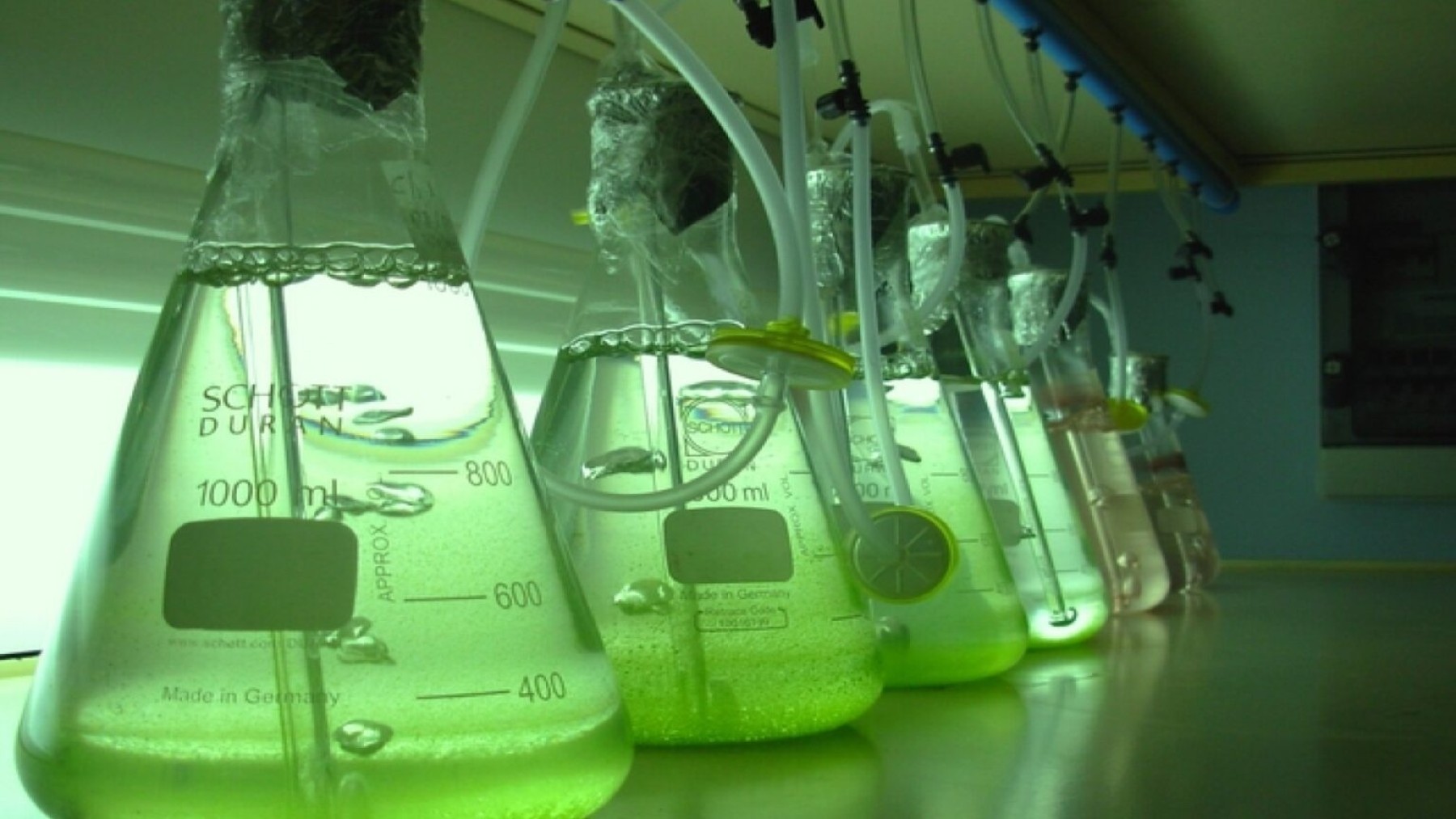
First, the photosynthesis process is carried out with the plants suspended in a special solution while they are in small energy cells that will then extract the energy from the algae. If the procedure is followed correctly, each of the energy cells where the algae are located could generate a certain amount of energy.
The idea of implementing micro cells in the photosynthesis process is to obtain the electrons produced by the algae. This allows scientists to generate energy and later electricity and the final by-product is only water, so it can be considered an absolutely zero-emission process.
It is extremely important to mention that the energy extracted from this process is very small, however, it is still possible to generate enough electricity to power devices that require low power to operate, a clear example of these devices could be the Internet of Things (IoT) sensors.
Why are we talking about “the invention that could save the Internet”? Algae has the solution
One of the main benefits of this method of energy harvesting is that algae constantly go through this process by taking in carbon dioxide and converting it into oxygen. Now, thanks to the implementation of photosynthetic technology, these plants also release electrons capable of producing energy.
In other words, we can assure that this discovery is not only capable of transforming one of the most recognized greenhouse gases into oxygen, but they also have the ability to produce energy constantly, regardless of whether it is day or night. Despite this, this project still has several challenges to face such as its low efficiency of 1.0V per photosynthetic micro cell.
It is evident that this technology could not currently compete with the big players in renewables such as traditional photovoltaic cells, however, with sufficient research and further technological assistance we could be facing one of the most promising discoveries that would help to neutralize carbon while producing energy. Thus, we could save the Internet from its destruction with algae.