Before the mid-1800s, 30 to 60 million bison may have roamed North America. Most lived on the Great Plains, according to the National Park Service’s Yellowstone bison page. The Smithsonian’s National Zoo cites estimates as high as 100 million.
By the 1890s, fewer than 1,000 were left on the continent, according to the National Zoo. Today the bison is the national mammal of the United States. One herd still links the present to the animals that lived before the slaughter.
From millions to hundreds
The collapse of the great herds took only a few decades. Part of it was deliberate policy. “The U.S. government slaughtered many bison in an organized effort to destroy the livelihood of Plains Indians,” the National Zoo writes.
The scale of the killing survives in old photographs. One of the best known shows a mountain of bison skulls at the Michigan Carbon Works near Detroit. It dates from around 1892.
The species reached a low of fewer than 1,000 animals, the park service says. The National Zoo places that low in the 1890s.
The herd that never vanished
Yellowstone holds a special place in that story. “Yellowstone is the only place in the United States where bison have lived continuously since prehistoric times,” the park service says.
Even in Yellowstone, the animals nearly disappeared. Poachers cut the herd from up to 1,000 animals in 1872 to about two dozen in 1902. That year the Army brought in 21 bison from two private herds to rebuild it.
The park’s bison ranching operation was phased out by 1952. Its 2025 population estimate was nearly 5,300 bison, split between a northern and a central breeding herd.
Managing a growing herd
A herd of that size now brings hard choices for managers. In some years the park and its partners remove animals through hunting and transfers.
In August 2024 the herd stood at 5,449, according to the Montana Free Press. The record removal came in the winter of 2022-23, with 1,551 animals. Over the past five years, its growth rate averaged 15.6 percent a year when removals are not counted.
“More bison need to be removed during larger migrations, particularly when the population is near the upper target of 6,000,” wrote Chris Geremia, Yellowstone’s bison program manager, in a status report cited by the outlet.
Back on tribal lands
Some of the animals removed from Yellowstone go to tribes, 20 of 68 in the winter before the 2024 report. The Tribal Food Transfer Program and the Bison Conservation Transfer Program move them out of the park.
The InterTribal Buffalo Council began in 1992 with 19 tribes. Today it manages more than 20,000 bison on over a million acres of tribal land. Its executive director, Troy Heinert, is quoted by the Western National Parks Association saying the program offers Native peoples a chance to reconnect with an important part of their culture.
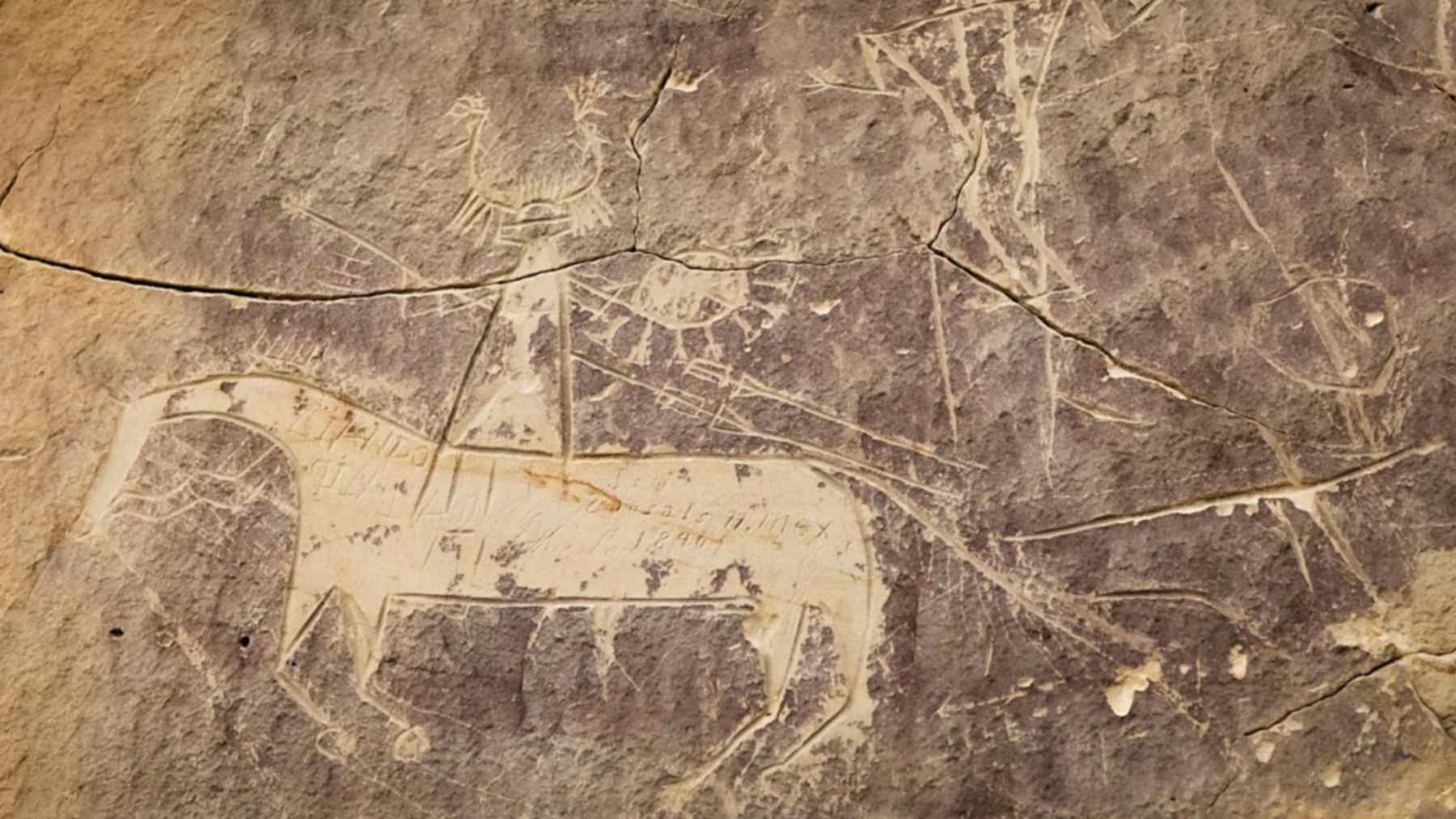
People and bison share a history that goes back thousands of years. At Grand Canyon National Park, wildlife biologist Miranda Terwilliger put it simply: “You can tell the history of the continent through bison.” European bison have their own story, from 31,000-year-old cave art in Romania to herds released there to restore grasslands and nine bison brought to a town in Spain.
National mammal since 2016
The bison got its national title from Congress in 2016. President Obama signed the National Bison Legacy Act (bill HR 2908) on May 9 of that year, according to the Government Publishing Office. The law adopted the bison as the national mammal of the United States.
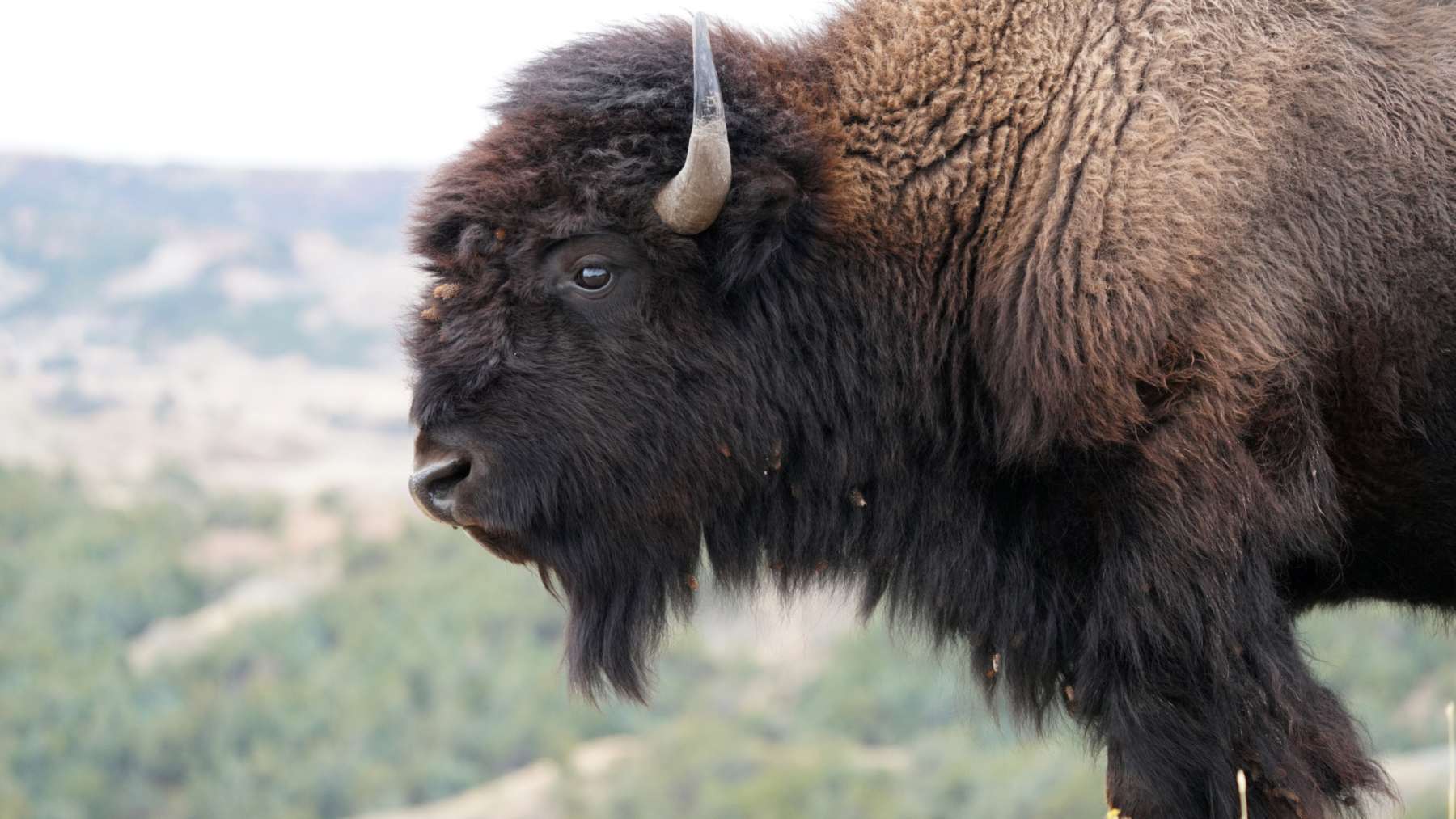
The animal behind the symbol is very large. Yellowstone bulls weigh up to 2,000 pounds (900 kg) and cows about 1,000 pounds (450 kg), the park says. Bison can jump about 5 feet (1.5 m), and the National Zoo says they reach speeds of 30 miles per hour (48 km/h).
Their size and speed make bison dangerous, and they have injured more people in Yellowstone than any other animal, the park warns. Visitors must stay more than 25 yards (23 m) away. At least two people were gored there in May and June of 2025.
A recovery with limits
The comeback of the species is real but partial. About 500,000 bison are raised as commercial livestock, while conservation herds total about 30,000, according to the National Zoo. The IUCN counts only 65 free-ranging or semi-free herds.
Estimates of the original numbers range from 30 million to 100 million. The park service has also published different ranges for Yellowstone’s herd. This article uses the park’s 2025 estimate, the most recent official count found.
The data come from the National Park Service, the Smithsonian’s National Zoo, the Government Publishing Office, the Western National Parks Association and the Montana Free Press, consulted on November 3, 2026.
Photo: Courtney Celley / USFWS / Wikimedia Commons (public domain)