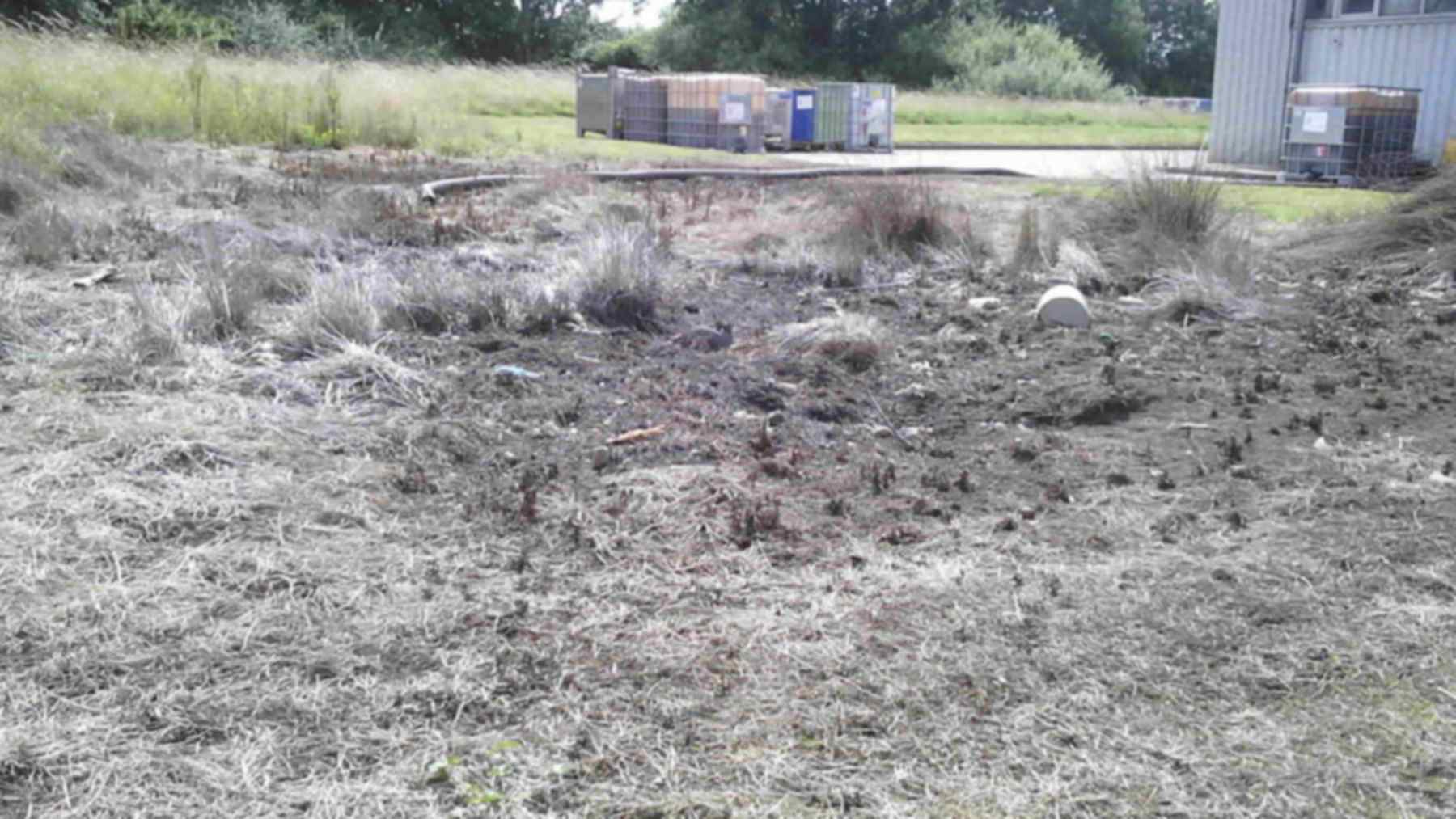
A chemical manufacturer in County Durham, England, let waste liquid escape onto unpaved ground, where soil tests later found high levels of phenol. About 750 square feet (70 square meters) of land turned scorched, brown and lifeless. The company has now been fined £103,850, according to the Environment Agency.
Prefere Resins UK Ltd runs a plant on Heighington Lane, on the Aycliffe Industrial Park in Newton Aycliffe. It was sentenced at Newton Aycliffe Magistrates’ Court on Friday, November 13. It was also ordered to pay costs and a victim surcharge totaling £18,784.61.
A hose on unmade ground
Environment Agency officers made an unannounced visit to the site in July 2024. Part of the plant was shut down for maintenance at the time. The company’s new safety, health and environment manager told officers he had identified numerous gaps in site procedures.
The company was draining and flushing a phenol recovery column unit to prepare it for maintenance. Officers found a flexible hose connected to the unit. Its open end was resting on an area of unmade ground.
The affected patch was damp underfoot and smelled of chemicals, the agency says. The company had no documented procedure for washing the pump at the base of the phenol recovery unit.
Soil readings far above normal
Soil samples showed highly elevated levels of phenol in the damaged area. One laboratory recorded concentrations of up to 3,640 mg/kg. Another measured up to 10,000 mg/kg, levels the agency describes as environmentally harmful.
Historical data and satellite images showed the land had not been contaminated before. After the incident, the company carried out remediation work to remove the contamination.
No impact on groundwater was identified. But the site sits within a groundwater protection zone, and the agency says releases of pollutants to land risked contamination. Water contamination is taken seriously for good reason, as the case of a so-called eternal chemical now turning up in water and even in human blood shows.
Why phenol is a problem
Prefere makes and sells phenol-based products. Phenol is a toxic and corrosive chemical used to produce plastics and resins.
It can harm human health and is hazardous to aquatic life, the Environment Agency says. It can also contaminate soil and water if it is released into the environment. At Newton Aycliffe, officers found a hose with its open end resting on unmade ground, and around 70 square meters of that area was scorched, brown and lifeless.
Acetone next to electrical waste
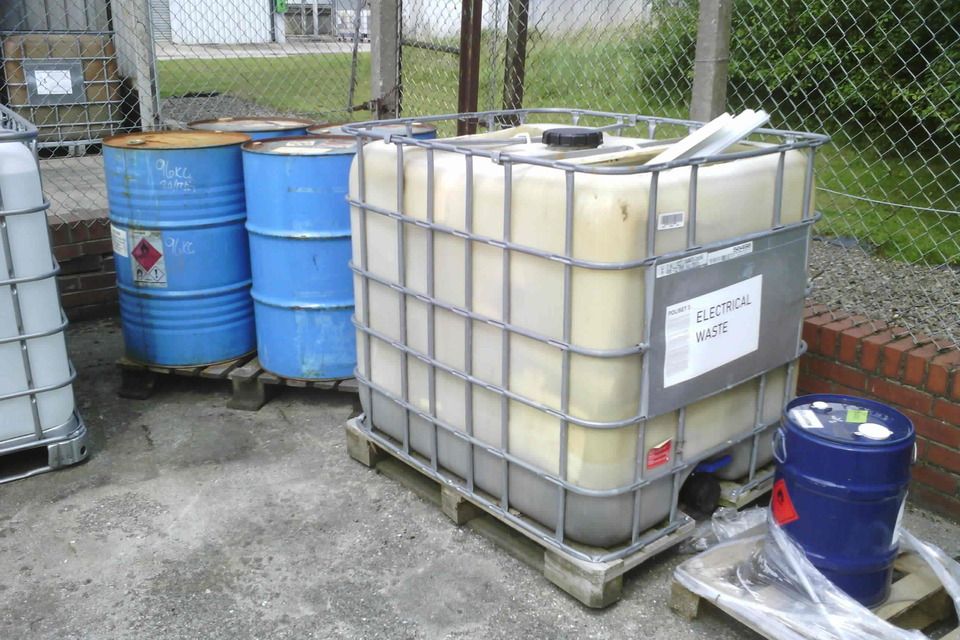
The inspection turned up a second set of problems in chemical storage. Officers found incompatible chemicals stored next to each other. Some containers were placed so that their contents could escape the bunded, or walled-off, area if they leaked.
In one case, a container of waste electrical equipment sat beside drums of acetone, a highly flammable liquid. Accidental mixing of chemicals could cause a fire, an explosion or the release of toxic gases, the agency warns.
The company has since revised its operating procedures, according to the agency.
Guilty pleas and a warning
Prefere pleaded guilty at an earlier hearing on June 16. It admitted one charge of illegally discharging waste liquid to land. It also admitted two charges of failing to put management systems in place to prevent pollution.
The charges cover July 17 to July 20, 2024, and relate to breaches of the plant’s environmental permit. One concerned the draining and flushing of the phenol recovery unit. The other concerned how flammable materials were stored in bunded areas.
“Companies using dangerous chemicals have a responsibility to manage them safely,” said Gary Wallace, Area Environment Manager at the Environment Agency. “They must have proper systems in place to protect the community and environment.”
“Prefere failed to manage its site properly and as a result the environment was put at risk,” he added. He said the result should send a message that the agency will always take action where companies fall short.
A tightly regulated site
Prefere operates under an environmental permit issued by the Environment Agency. The agency and the Health and Safety Executive regulate the plant as an upper tier site under the Control of Major Accident Hazards (COMAH) rules.
Elsewhere in northern England, the agency’s officers were investigating last week an estimated 1,000 tonnes of shredded waste reported dumped on land in Birstall, West Yorkshire.
The agency’s job is not only about prosecutions, though. In Bradford, it recently restored urban wetlands after a weir was removed from Pitty Beck.
Photo: Environment Agency