People in some of the world’s first villages were making clay figurines of birds, animals and humans up to 15,000 years ago. That is long before farming took hold in the Middle East. Some fingerprints left in the clay belong to children, according to a study published in PLOS One.
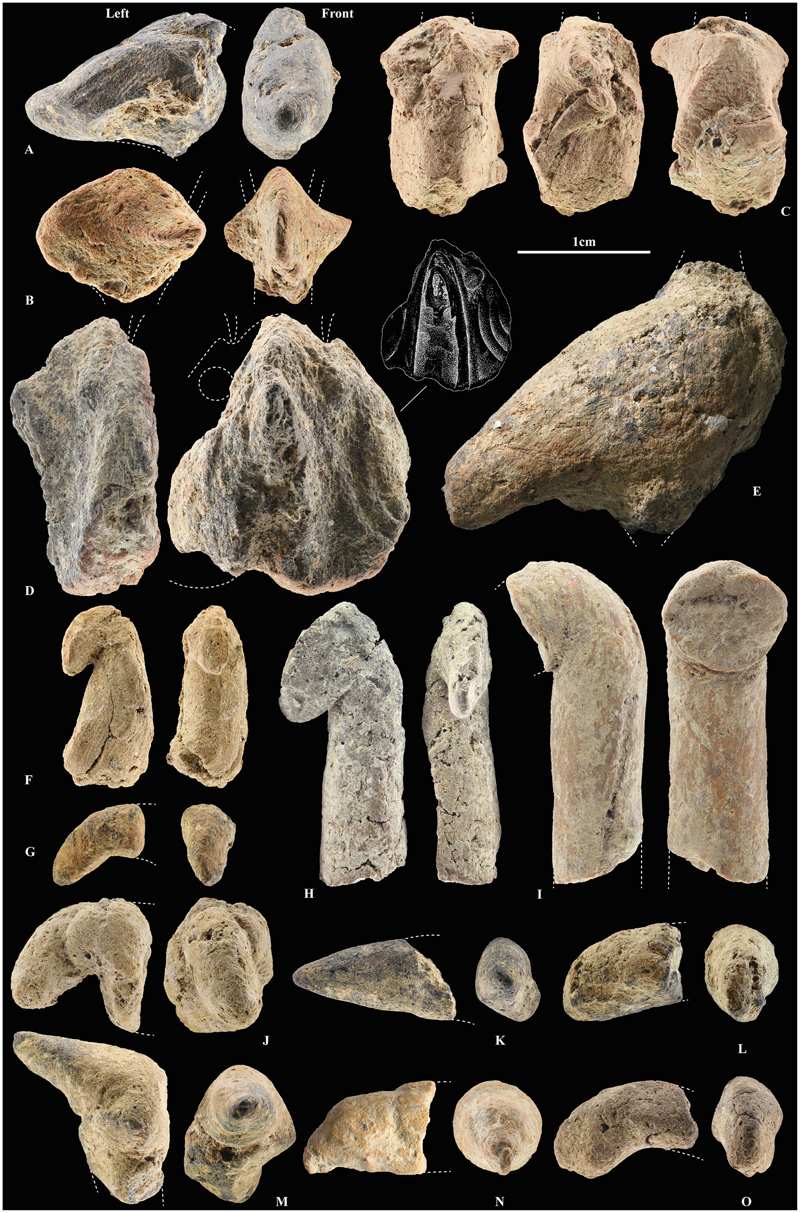
The team, led by Laurent Davin of the Hebrew University of Jerusalem, describes 154 clay pieces from three sites in northern Israel. The authors call them the earliest evidence of a clay figurine tradition in Southwest Asia.
Villages before farming
The makers were the Natufians, hunter-gatherers who began to settle in permanent villages in the Levant. Their culture lasted from about 15,000 to 11,650 years ago. The objects come from Eynan-Mallaha, Hayonim Terrace and el-Wad Terrace.
Until now, Natufian figures were known mostly in bone and stone. In Southwest Asia, clay figurines were thought to appear in full only later, with the first farming societies of the Neolithic.
“These discoveries change how we understand the beginnings of artistic expression in the first villages of humanity,” Davin said in the journal’s press release.
Birds painted red
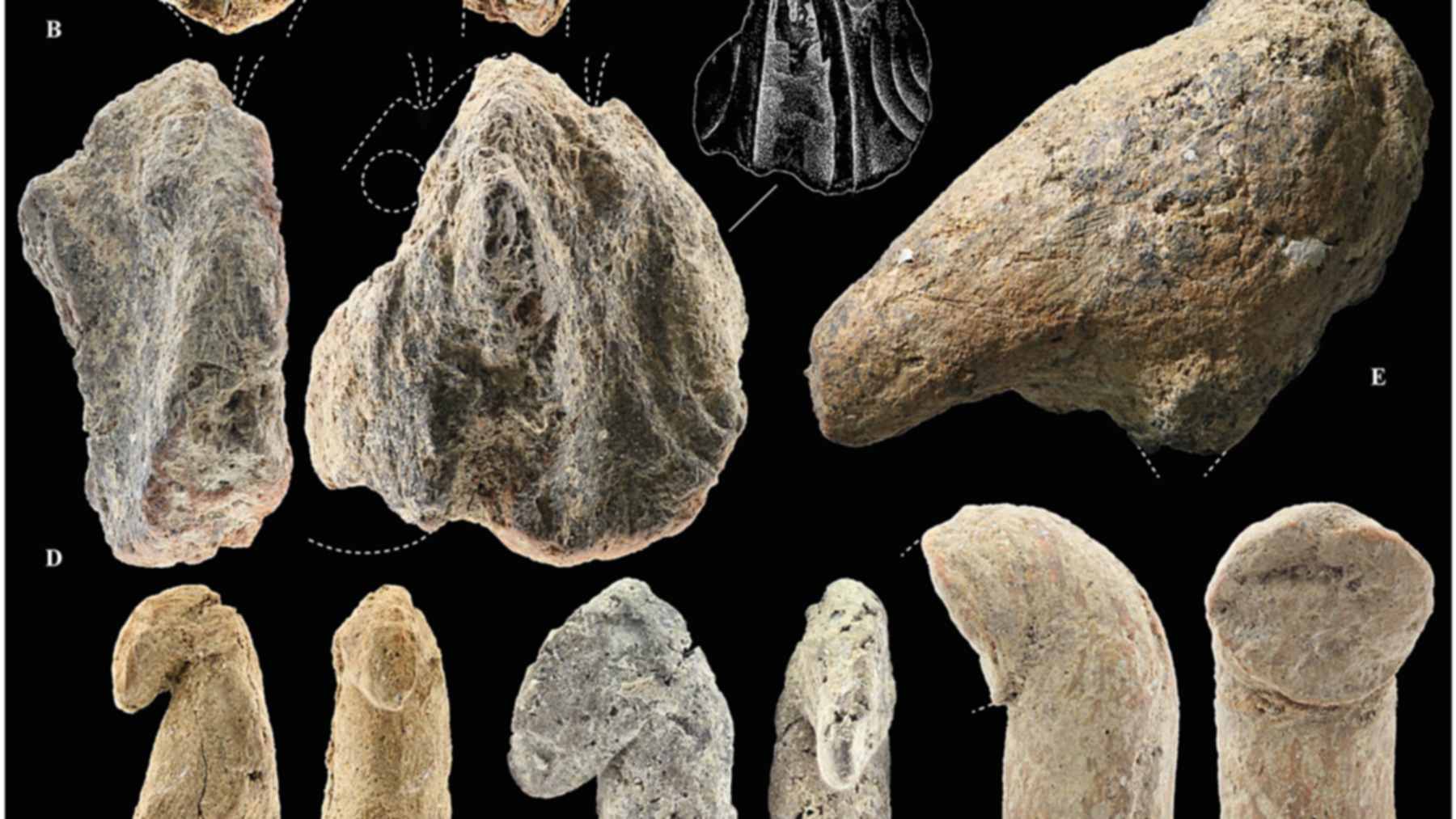
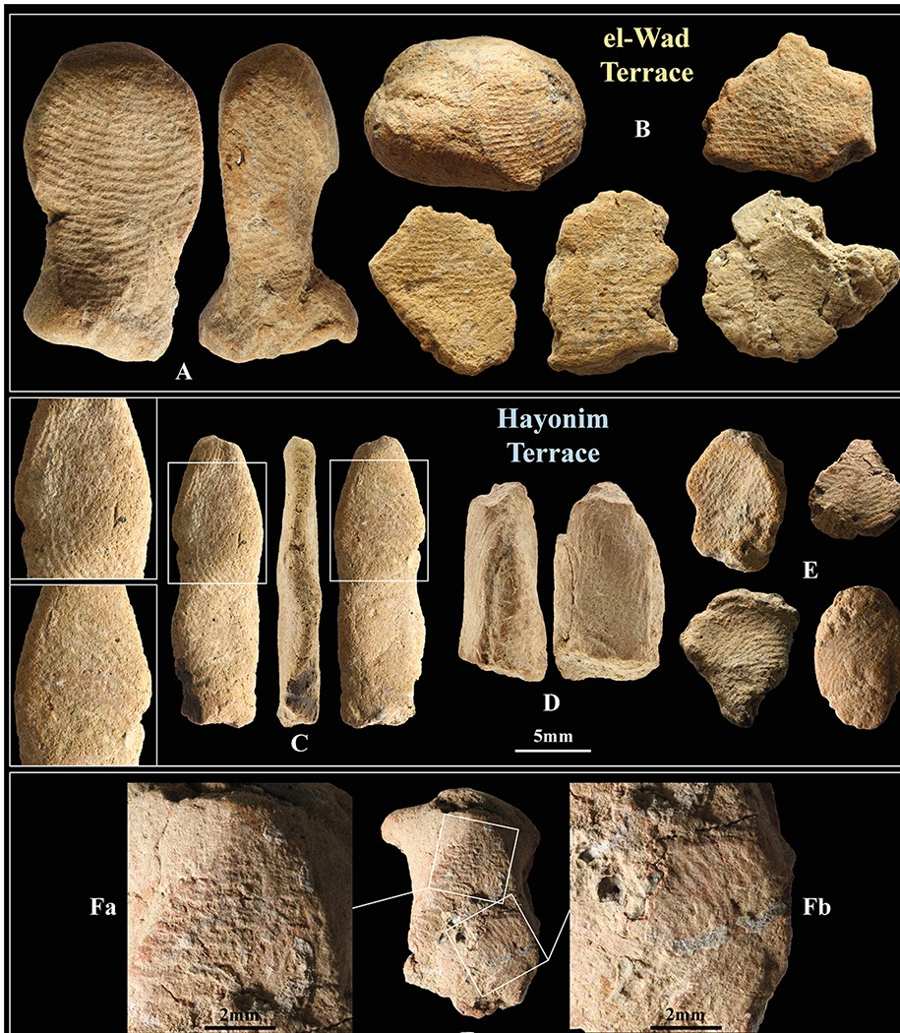
The collection has 15 figurines and 139 small clay cylinders that most likely broke off bodies and limbs. Most figurines survive only as fragments, mainly heads. They probably broke easily because they were small and fragile.
That high rate of breakage resembles figurine finds from the Pavlovian culture of Central Europe, about 32,000 to 27,000 years ago, the authors note. In Europe, North Africa and East Asia, clay figures already turned up here and there in the Upper Paleolithic.
Eleven of the 15 figurines are birds, and ten of those carry traces of red colorant. On one piece, a thin layer of orange-red clay rich in iron oxide covers the surface. Marks suggest it was smoothed on with a finger, the study says.
Another fragment may show the head of a mountain gazelle, the Natufians’ favorite prey. The head’s profile, the horns and a fur pattern made with the colored clay suggest it could be that species, the authors say. If confirmed, it would be the first known gazelle figure in Natufian art.
A child’s fingerprint
The researchers measured the ridges of fingerprints left in the clay. They compared them with clay prints from 118 modern people aged 1 to 77. Ridge width changes with age and sex.
A complete bird figurine from Eynan-Mallaha bears the print of a child, probably under 10 years old. A slightly older child left two prints on a cylinder: one while shaping it and one while smoothing on the color.
On one human figurine, the prints suggest an adult handed the piece to a pre-pubescent child midway through modeling. The authors say this could be rare direct evidence of skills passed between generations in a hands-on apprenticeship.
Made by all ages
“What is particularly fascinating is the evidence that children were involved in making these objects,” Davin said. That suggests creativity and cultural knowledge were shared across generations, Davin added.
Prints from children, young adults and adult women appear at all three sites, while prints of adult men turn up only at el-Wad Terrace. The similar style and techniques at all of them suggest a shared figurative convention, the authors write.
In one Eynan-Mallaha shelter, clay handling seems to have centered on an open area around a central fireplace. Clay figurines in Southwest Asia were long thought to be rare before farming. Even in the first farming villages, they were few and showed only humans, the study notes.
Thrown into the fire?
The team found many pieces by sorting tens of thousands of small heated clay lumps, about 40 kilograms in all. These collections had never been studied before; they were thought to be leftovers from making mineral pigments.
All the clay pieces were heated in some way, or they would not have survived. Nine of the 15 figurines and 42 cylinders show signs of contact with fire. One bird figurine lay in a fireplace among burnt mallard bones, whose wing bones bear cut marks that suggest feathers were removed.
Whether the Natufians hardened the figurines on purpose is beyond the scope of the study, the authors say. They suggest the roots of Neolithic culture reach back before agriculture.
Separately, we have covered a 16,800-year-old home sealed inside a cave in Spain by a rockfall, the first graves found at Göbekli Tepe in Turkey and an 8,400-year-old Stone Age axe pulled from the mud in Denmark with its wooden handle still on.
Image: Davin et al., PLOS One (2026), CC BY 4.0