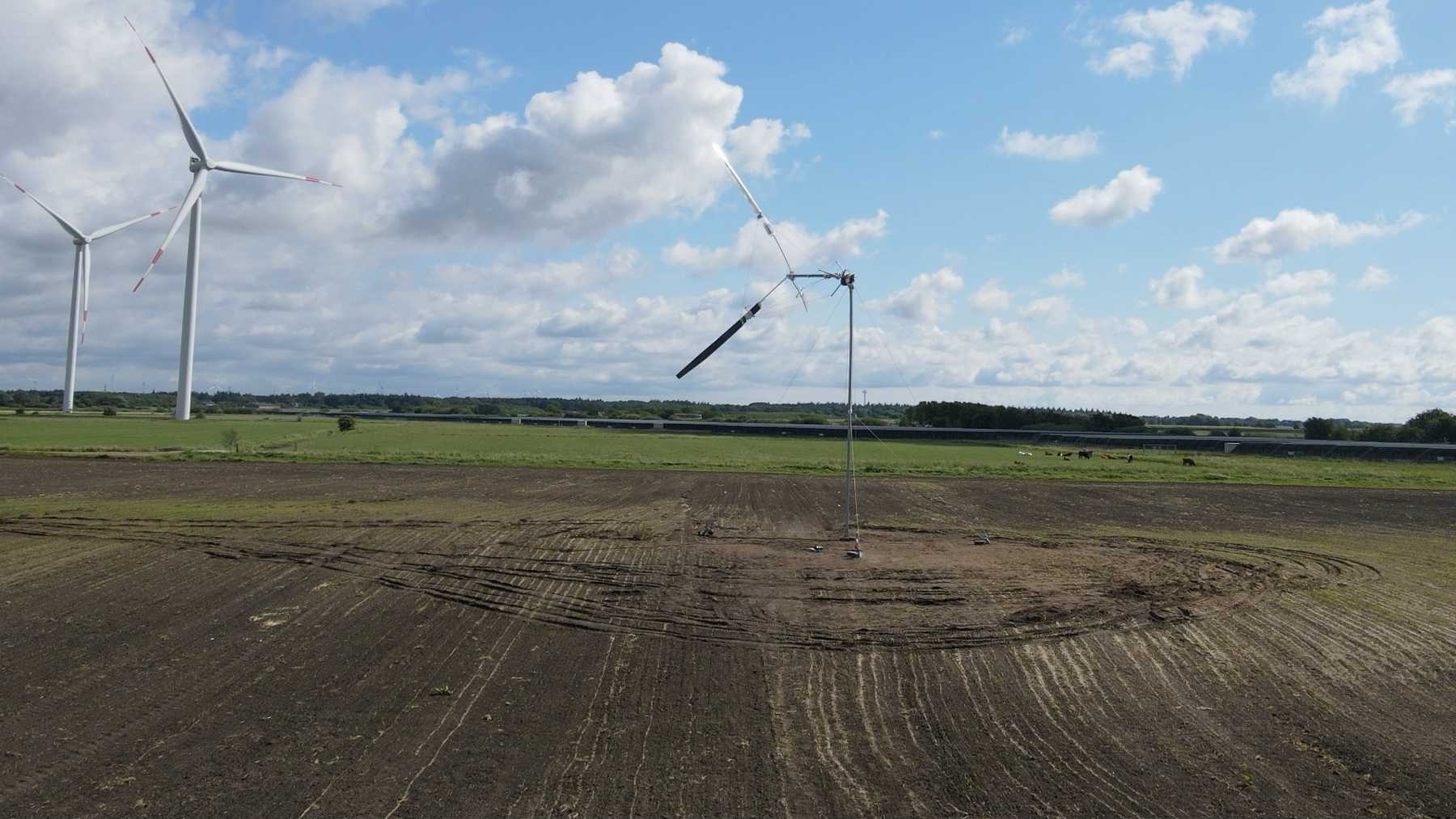
Windmills have been a symbol of the Netherlands since ancient times, a tradition that remains alive today. Far from being forgotten, the country has become one of Europe’s leading nations in wind energy. So it’s no surprise that this new, smaller, more efficient, and silent wind turbine for home use comes from the Netherlands.
The Netherlands reinvents the windmill: an ultra-efficient silent wind turbine
It might be hard, especially for younger generations, to think of the Netherlands as a powerhouse of heavy industry, heavily reliant on fossil fuels. However, up until the 1970s, the country faced severe air pollution from the large number of cars and emissions from natural gas and coal power plants that fueled a booming chemical industry.
Air pollution, a lack of land due to its high population density, and rising sea levels that threatened to flood cities spurred a sustained effort to decarbonize the economy and diversify its energy sources and industries. Today, the Netherlands stands as a symbol of innovation in sustainable technologies and policies.
One of the key technologies in this transition was wind energy, where the Netherlands is now a global leader, constantly innovating. The latest of these innovations is the LIAM F1 UWT, a small, silent wind turbine for urban use capable of generating between 300 and 2,500 kWh, roughly half of the average household consumption.
The new trend in wind energy: turbines small enough to install on your roof
Wind energy is one of the most widely used renewable energy sources globally, especially in Europe. However, traditional wind turbines require vast amounts of land, with their enormous blades creating visual pollution, posing a danger to birds, and preventing the use of the land around them.
This is why there’s a push to make turbines smaller and more efficient, capturing weaker and less consistent winds that flow near the ground and between buildings in urban areas. One solution comes from a Scottish company that developed hexagonal wind turbines. The silent LIAM F1 turbine, created by “The Archimedes,” takes this concept even further.
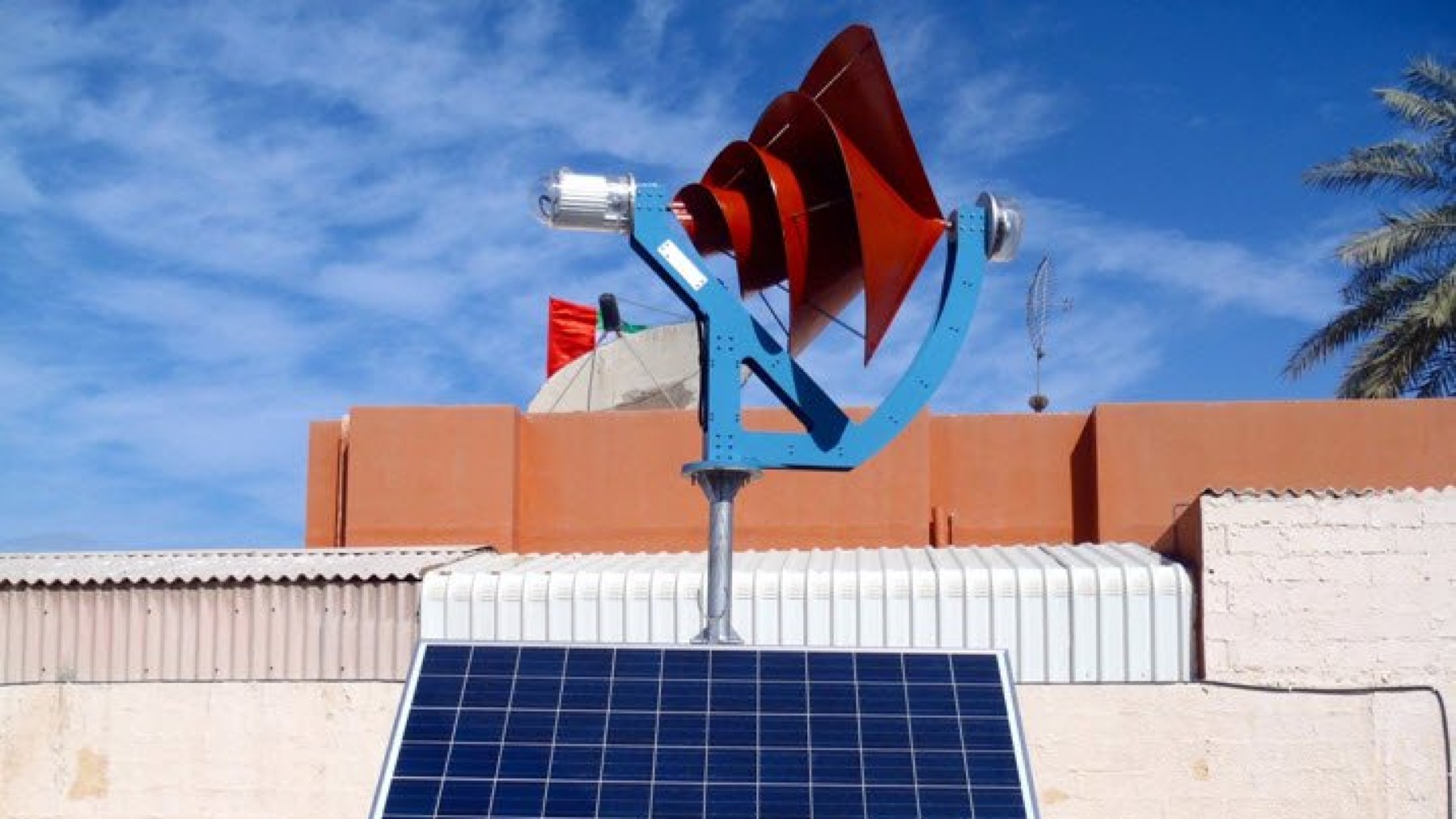
With a helical design inspired by the Archimedean Spiral, this silent wind turbine has a diameter of 1.5 meters and weighs less than 100 kg. Its design allows it to adjust based on wind direction changes, maximizing the use of available air currents. It can generate an average of 1,500 kWh per year with winds of just 5 m/s.
Say goodbye to electric bills: the silent wind turbine you can pair with solar panels
Another key feature of the LIAM F1’s development is its synergy with other renewable energy sources like photovoltaic cells and energy storage systems. This combination could significantly reduce reliance on the electrical grid, eliminate CO2 emissions, and save households considerable costs.
The new silent generator for self-consumption can convert 88% of wind power into usable energy. When wind isn’t sufficient, solar energy can be used as a backup.
Europe’s renewable energy infrastructure is the key to a sustainable future
The European Union’s ongoing efforts to develop and implement renewable energy production systems have enabled us to decarbonize our power grids and greatly reduce CO2 emissions. In fact, recent reports suggest that we’ve produced so much solar energy that electricity demand has dropped to its lowest point.